Bhimashankar Jyotirlinga is a sacred Shiva shrine nestled deep in the Sahyadri range of the Western Ghats, about 110 km from Pune in Maharashtra. Counted among the twelve Jyotirlingas of Lord Shiva, it sits within the dense, biodiversity-rich Bhimashankar Wildlife Sanctuary, a protected habitat famous for the endangered Indian giant squirrel (Shekru), the state animal of Maharashtra.
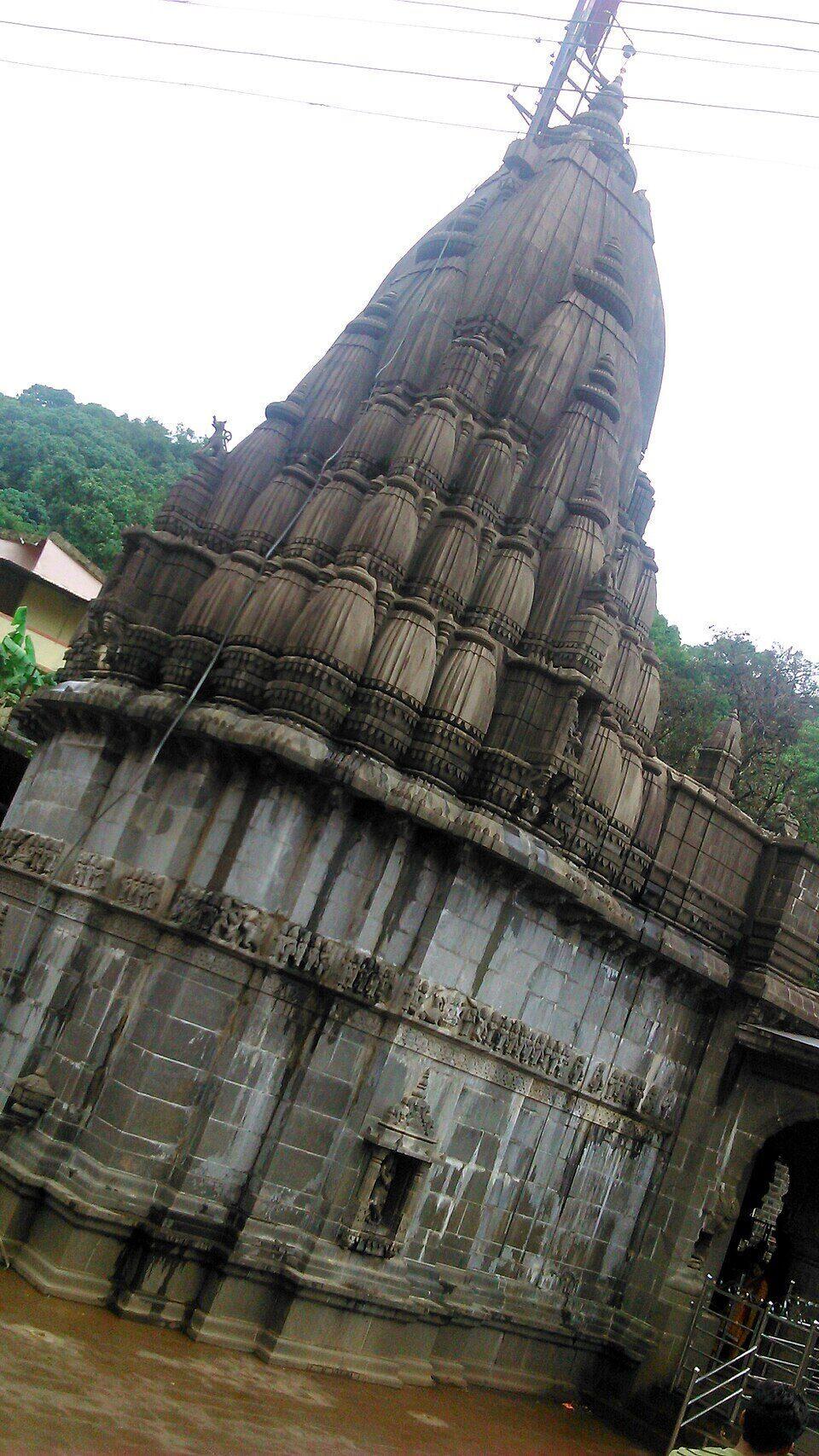
The temple is traditionally associated with the origin of the Bhima River, believed to emerge from the forested hills around the shrine before flowing southeast across the Deccan. Built largely in the Nagara style with later Maratha-period additions, the stone temple blends naturally into its mist-wrapped surroundings of evergreen forest, streams, and rocky outcrops.
Pilgrims visit Bhimashankar not only for darshan of the self-manifested linga but also for the journey itself — a winding drive through thick sholas and a steep descent of stone steps to reach the sanctum. The atmosphere is quiet, cool, and devotional, with temple bells echoing through the trees. For devotees completing the Jyotirlinga yatra, Bhimashankar is a powerful stop that combines Shaiva tradition with the untouched wilderness of the Sahyadris.
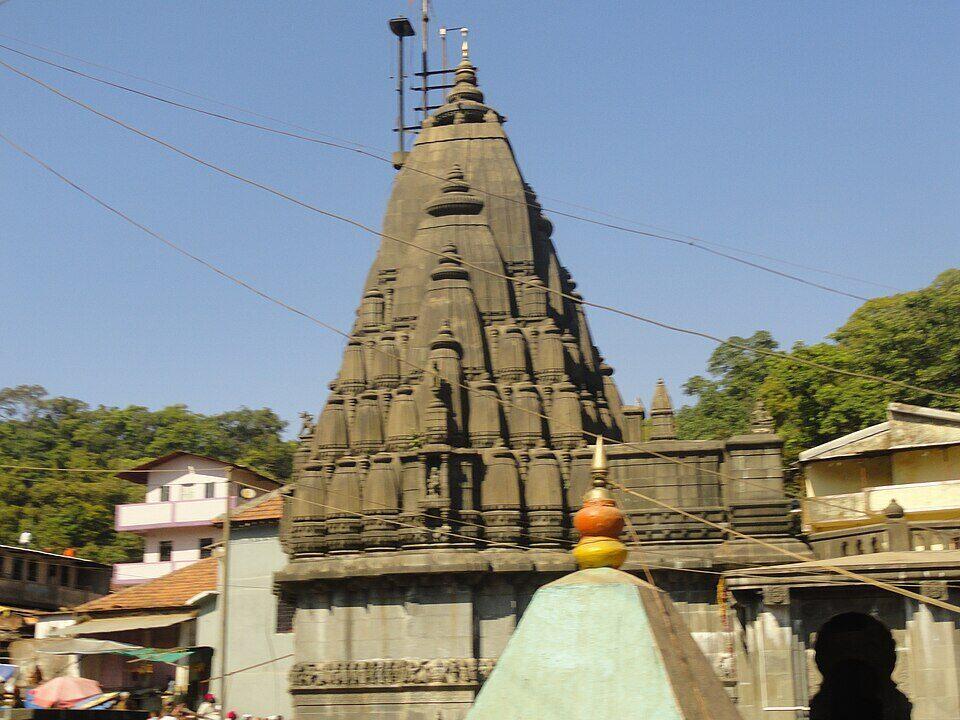
According to the Shiva Purana, the demon Tripurasura — in some versions referred to as Bhima, born of Kumbhakarna's lineage — grew immensely powerful through penance and began tormenting gods and sages. When the devotees of Shiva were unable to bear the torment, Lord Shiva manifested on this hill to destroy the asura. The fierce battle is said to have taken place on these very ridges, and after slaying the demon, Shiva was requested by the devas and rishis to remain here eternally in the form of a Jyotirlinga. The perspiration that fell from Shiva's body after the battle is said to have formed the Bhima River. Bhimashankar is thus revered as the abode where Shiva appeared in his protective form to defend dharma, and darshan here is believed to grant liberation from fear, enemies, and the inner demons of the mind.
History
Architecture
Rituals & Practices
Prepare for Your Visit
Practical guidance to help you plan your pilgrimage
| Pilgrim Guidance | The nearest airport is Pune (about 110 km, 3.5–4 hours by road via Manchar or Rajgurunagar); the nearest railway station is Pune Junction. State buses and shared taxis run from Pune and Manchar. The best months to visit are October to February, when the climate is cool and the forest is lush; the monsoon (June–September) is scenic but roads can be slippery. Darshan usually takes 30–90 minutes on weekdays and can stretch to several hours on Mondays, Shravan, and Mahashivratri. MTDC and private lodges are available at Bhimashankar and Ghodegaon; many pilgrims prefer to stay in Pune and day-trip. Carry warm layers — the hills stay cool year-round. |
Location
Pune, MH
Pilgrim photos
No pilgrim photos yet.
Community corrections
No corrections yet.
Edit history
No revisions yet.
Plan Your Visit to Bhimashankar Temple
Get a custom itinerary and pricing for your trip.
Recommended
Packages for this destination
Pilgrim Notes
On-ground observations from fellow pilgrims
No pilgrim notes yet. Be the first to share on-ground observations!
Sign in to share a note.
Pilgrim Reviews
Be the first to share your experience at Bhimashankar Temple.
Sign in to write a review.
Nearby sacred places
Discover other sacred places near Bhimashankar Temple
Explore temples, tirthas, and pilgrimage sites in MH
Explore nearbyPart of these circuits
Walk the traditional pilgrimage routes this destination belongs to.