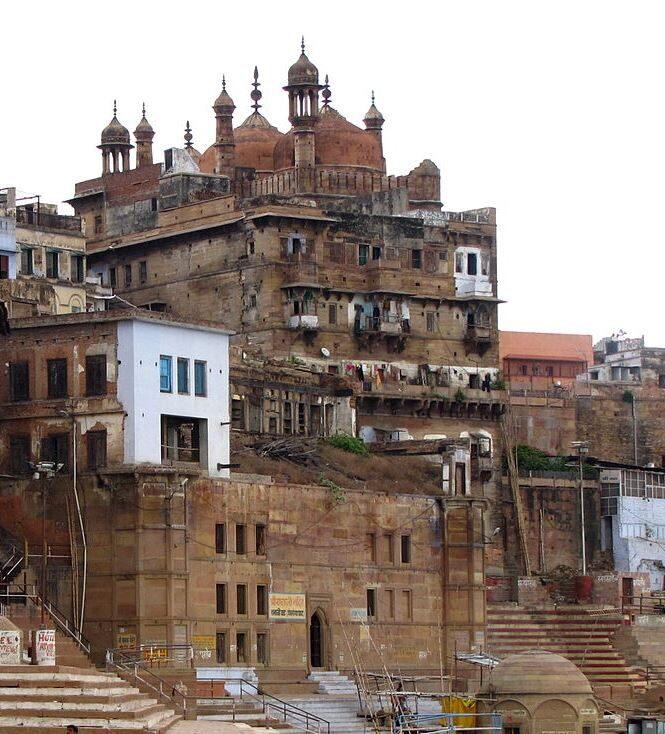
Pilgrimage Paths
Pilgrimage Circuits
Follow the ancient routes that connect sacred sites into transformative journeys of faith and discovery.
What is a circuit?
A pilgrimage circuit weaves together multiple sacred destinations into a single devotional journey. Each circuit follows routes hallowed by centuries of tradition — from the Char Dham of the Himalayas to the Jyotirlinga trail across the subcontinent.
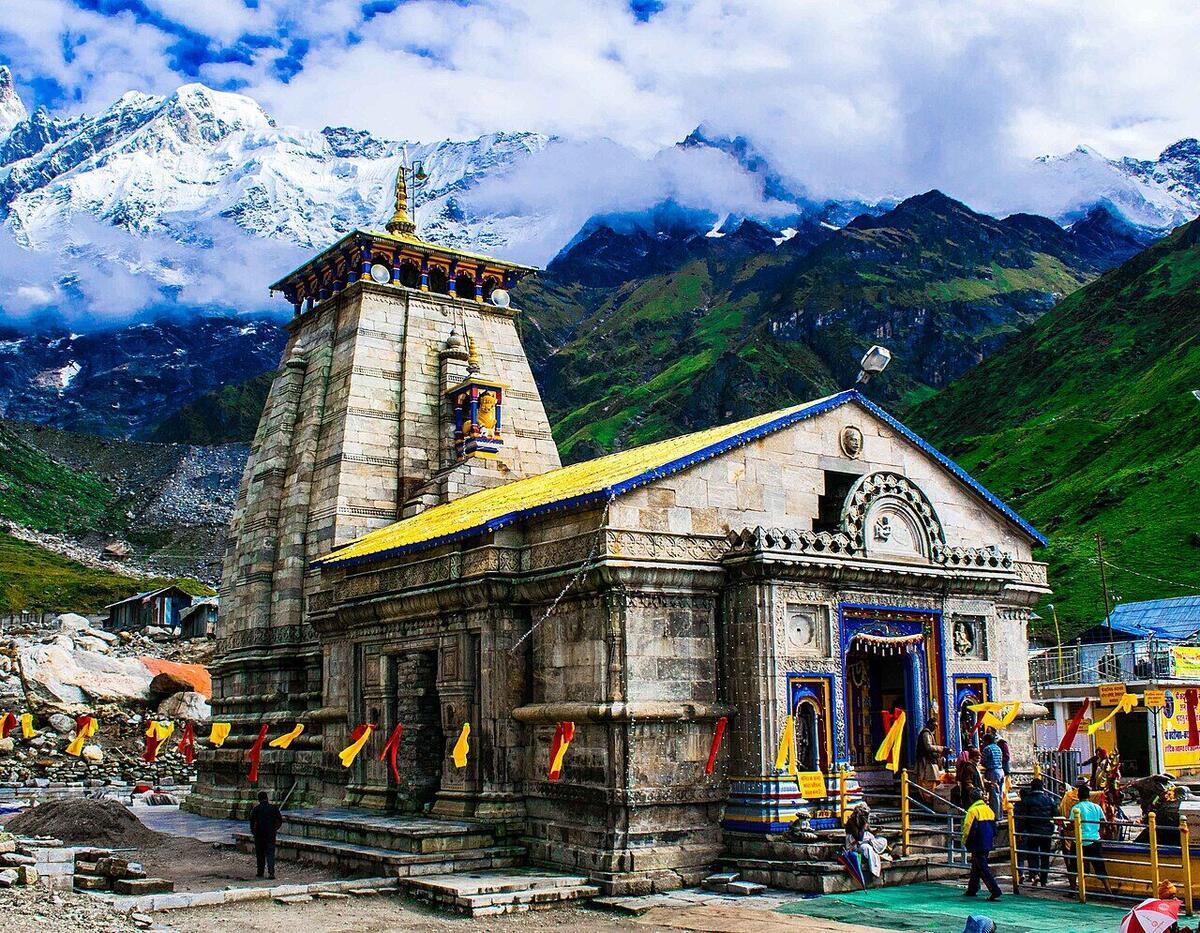
Char Dham Yatra (Uttarakhand)
The Uttarakhand Char Dham — Yamunotri, Gangotri, Kedarnath, Badrinath — is the high-Himalayan pilgrimage that countless Hindu families undertake at least once in their lives. The four shrines sit between 3,100 and 3,583 metres in the Garhwal Himalaya, opening in late April or early May — Yamunotri and Gangotri on Akshaya Tritiya itself, Kedarnath and Badrinath within the following days — and closing around Diwali for the winter. Pilgrims travel in the traditional clockwise order beginning with Yamunotri, the source of the Yamuna, and ending at Badrinath, the seat of Vishnu in the north. The full yatra takes 10 to 12 days by road; helicopter packages compress it to 5 to 6 days. (Adi Shankaracharya separately established a pan-India Char Dham — Badrinath, Puri, Rameshwaram, Dwarka — known today as the Adi Char Dham.)
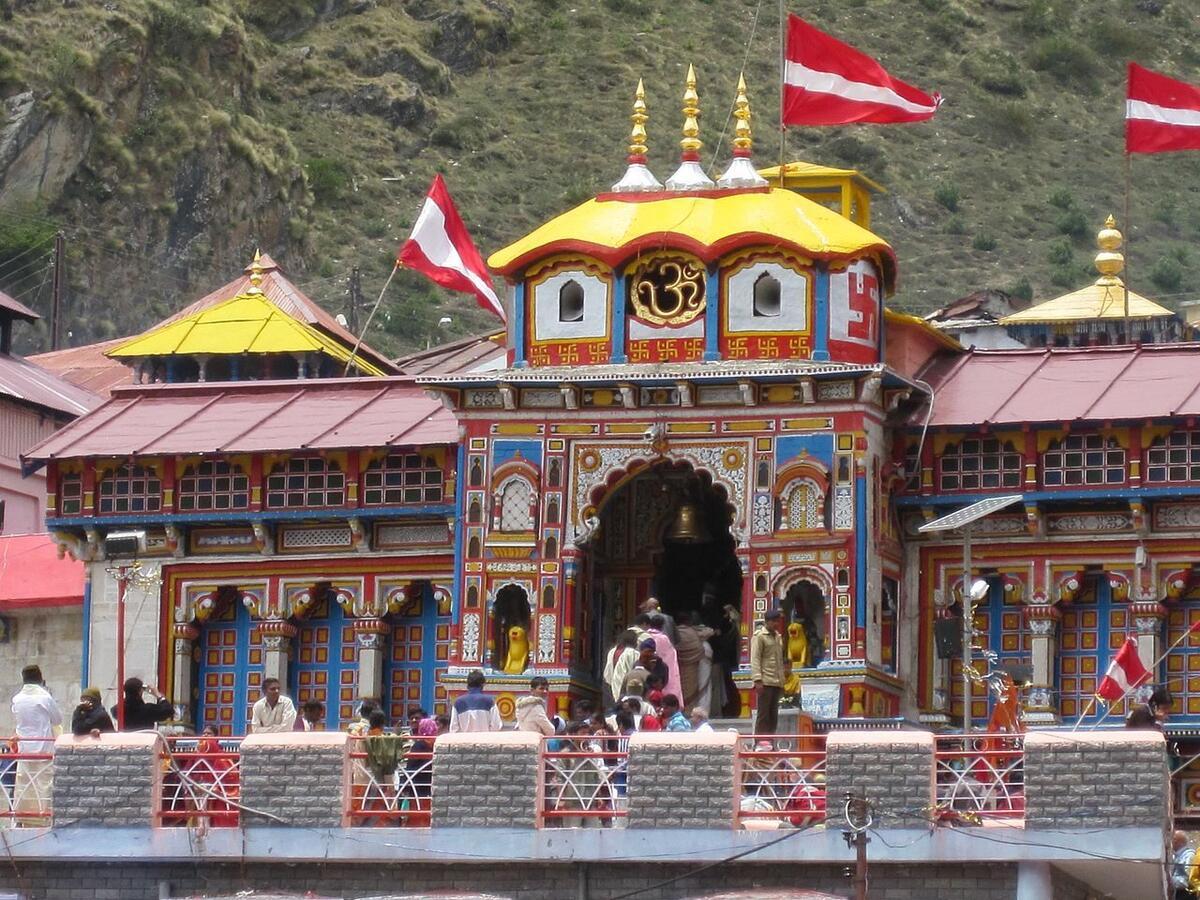
Do Dham Yatra
The Do Dham Yatra — Kedarnath and Badrinath — is the shorter Uttarakhand pilgrimage chosen by families who cannot undertake the full Chota Char Dham including Yamunotri and Gangotri but still wish to bow at the seats of Shiva and Vishnu in the high Garhwal Himalaya. Both open in late April or early May around Akshaya Tritiya and close around Diwali; the yatra is most often undertaken in 6 to 7 days from Haridwar or Dehradun, with helicopter packages compressing it to 2 to 3 days.
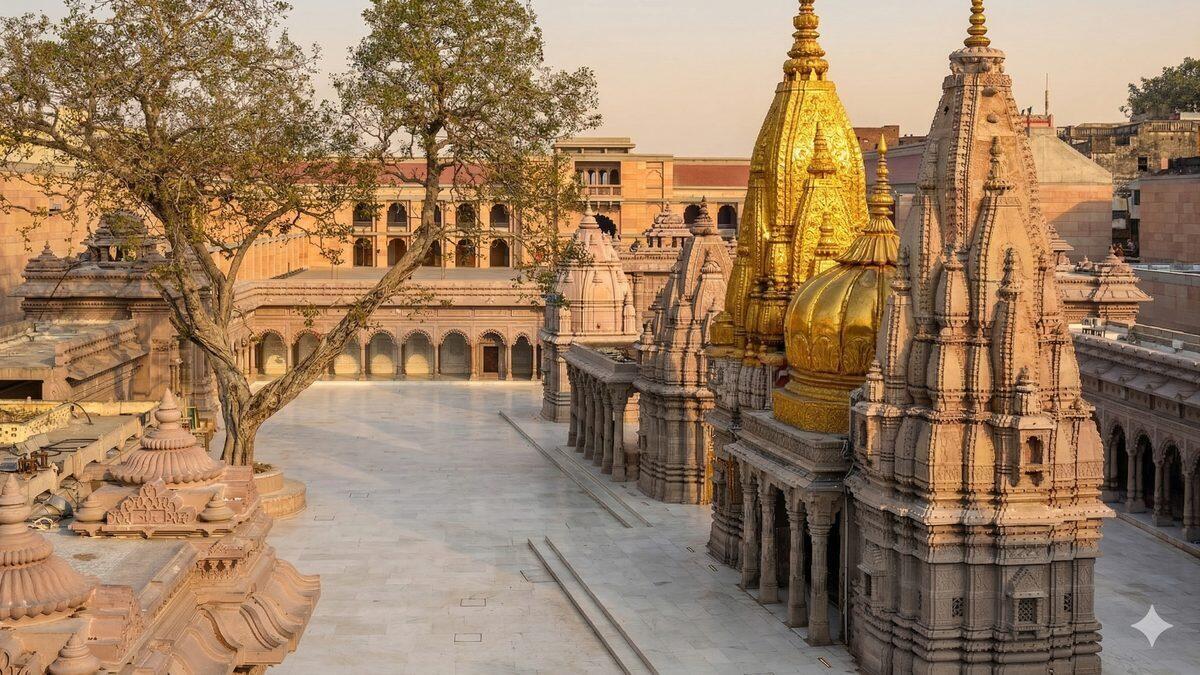
Dwadash Jyotirlinga — All 12 Sacred Lights of Shiva
The Dwadash Jyotirlinga yatra is the highest pilgrimage in Shaiva tradition — the journey to all twelve sacred Jyotirlingas across India, the twelve places where Shiva is said to have manifested as a pillar of light to prove His supremacy to Brahma and Vishnu. The twelve span the continent — listed here in the order of the Dwadasha Jyotirlinga Stotra: Somnath (Gujarat, the first, destroyed and rebuilt many times), Mallikarjuna (Andhra, hill of jasmine), Mahakaleshwar (Ujjain, the time-keeper, where the earth's meridian was once measured), Omkareshwar (Narmada island shaped like the Om syllable), Vaidyanath (Jharkhand, the healer), Bhimashankar (Sahyadri hills), Rameshwaram (Tamil Nadu, where Rama built the bridge to Lanka), Nageshwar (Gujarat, the serpent lord), Kashi Vishwanath (Varanasi, the axis of the world), Trimbakeshwar (Nashik, source of the Godavari), Kedarnath (Himalayas, 3,583m, snow-bound half the year), and Ghrishneshwar (Aurangabad, near the Ellora caves). Few pilgrims complete all twelve in a single trip. Most do it in stages over years, sometimes across decades. The tradition is that completing all twelve grants sampoorna yatra — the complete pilgrimage, the liberation of accumulated karma. This circuit is for the Shaiva devotee willing to plan a lifetime project.
Ganga Yatra
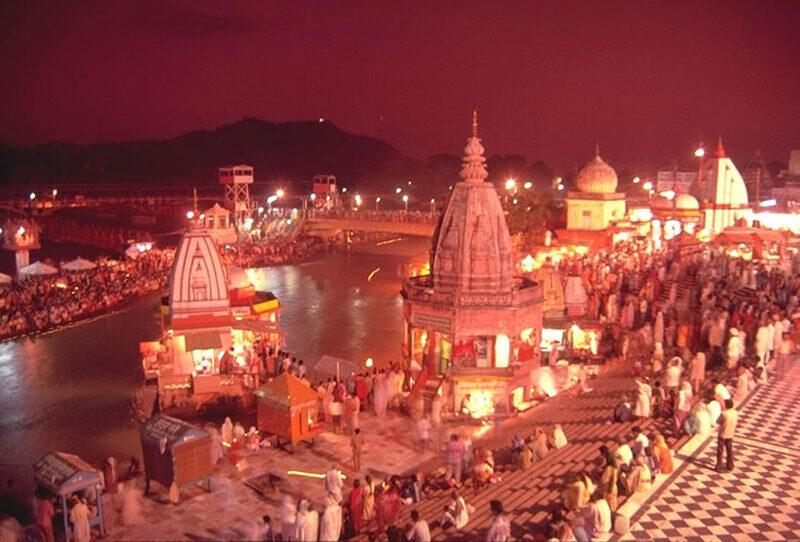
The Ganga Yatra follows the sacred river from the point where she leaves the Himalayan foothills to the ancient city where she reaches her most spiritually potent form. This gentle, accessible circuit connects three of India's holiest riverbank cities — Rishikesh, Haridwar, and Varanasi — each offering a distinct facet of humanity's oldest and most intimate relationship with a river. The journey begins at Rishikesh — the yoga capital of the world, where the Ganga runs clear, cold, and fast between forested hills. Here the energy is one of meditative stillness. Ashrams line both banks, their evening prayers echoing across the water. The Beatles' 1968 visit to Maharishi Mahesh Yogi's ashram put Rishikesh on the global spiritual map, but its roots as a centre for meditation and renunciation go back thousands of years. From Rishikesh, the circuit follows the river downstream to Haridwar — literally 'Gateway of God' — where the Ganga emerges from the Shivalik Hills and enters the Indo-Gangetic plains. This is a city of perpetual ceremony: the evening Ganga Aarti at Har Ki Pauri draws thousands every night, with priests swinging massive flaming lamps while devotees float leaf-boats of flowers and flickering diyas downstream. Haridwar hosts the Kumbh Mela every twelve years, when tens of millions gather for the most auspicious bathing dates in the Hindu calendar. The yatra concludes in Varanasi — one of the oldest living cities on earth and the spiritual heart of Hinduism. Here the Ganga has absorbed the prayers, ashes, and hopes of billions of souls across some three thousand years of worship. The dawn boat ride past the 84 ghats, watching the city wake to the sound of conch shells and temple bells, is widely described as the single most powerful experience in Indian pilgrimage. The evening Ganga Aarti at Dashashwamedh Ghat is a grand spectacle of fire, chanting, and collective devotion that leaves an indelible mark on every visitor.
Kashi Shiva Darshan — Five Ancient Lingas
Everyone in Kashi visits Vishwanath. The Kashi Khand of the Skanda Purana, though, sings of hundreds of lingas across the city — and a handful of them are still living shrines that most visitors never find. This half-day walk joins Vishwanath with four of them. The walk runs south to north through the old city: Kedareshwar above Kedar Ghat, the great shrine of the city's southern quarter — the Kedar Khand — where the lingam is svayambhu and the morning worship begins before dawn; Kashi Vishwanath, the centre of it all; Chandreshwar, the moon's own linga counted among the navagraha lingas, hidden inside the Siddheshwari Devi compound in the deep galis; Mrityunjay Mahadev of Daranagar, the "conqueror of death" whose well-water pilgrims carry home; and Madhyameshwar, the "lord of the centre" of ancient Kashi, whose worship the Kashi Khand itself enjoins. This is the circuit for returning pilgrims — those who have done Vishwanath and want the older, quieter Shiva map of the city: half a day on foot, four shrines with almost no queue, and the galis themselves in between.
Kashi Yatra — The Sacred Sequence
The Kashi Yatra is a one-day walking circuit through the heart of the old city — five darshans that pilgrims commonly join into a single day of devotion: a dawn bath in the Ganga at Assi Ghat, then Sakshi Vinayak, Kal Bhairav, Annapurna, and finally Kashi Vishwanath. Each stop rests on its own living tradition. The day begins with Ganga snan, because in Kashi every undertaking begins at the river. Sakshi Vinayak comes next, for Ganesh is honoured first in any venture as vighnaharta, the remover of obstacles — this is the famous "witness Ganesh" before whom pilgrims completing the Panchkroshi parikrama present themselves. Kal Bhairav is Kashi's kotwal, the city's own guardian, and long-standing tradition holds that no yatra to Kashi is complete without his darshan. Annapurna, the Mother who feeds the city, stands beside Vishwanath and is visited alongside him. And Vishwanath himself is the Jyotirlinga at the centre of it all. Walked honestly, this is a full day. Assi Ghat to Vishwanath is about four kilometres through the galis, with Kal Bhairav a further stretch north of the temple — so plan for unhurried darshans, the queue at Vishwanath, and time to simply be in the lanes between. This is the walk every first-time Kashi pilgrim should take, and the shape Satmarg's Varanasi packages are built around.
Varanasi Ghat Walk — Assi to Rajghat
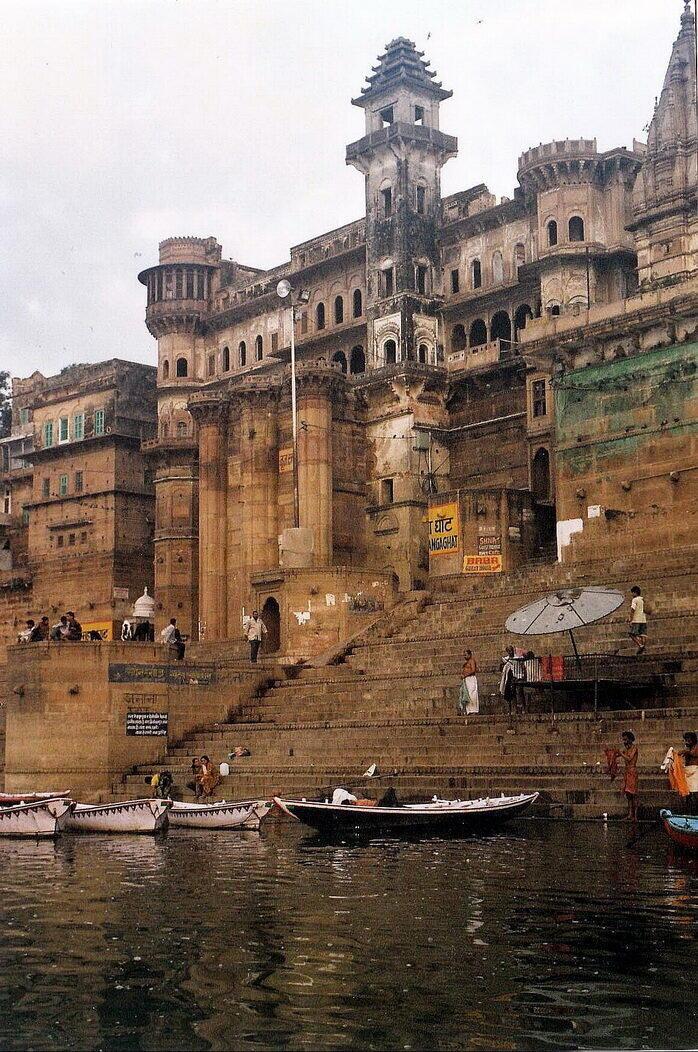
The continuous ghat-front of Varanasi runs for 6.5 kilometres along the western bank of the Ganga, from Assi Ghat in the south to Rajghat in the north. Eighty-four ghats in a single unbroken line — stone steps descending into the river, each with its own deity, its own ruler-patron who built it, its own ritual function, its own crowd of bathers, boatmen, and pilgrims. This circuit is the continuous walk. Not a boat-ride glance at the ghats — the walk. Four to five hours on foot, stopping at ten key ghats for their story, their moment of the day, their architecture. Start at Assi before dawn; reach Rajghat by mid-morning. You will have traversed the entire sacred riverfront of the oldest continuously-inhabited city on earth. The best local Varanasi guides all recommend this walk once before any temple circuit. It orients the city for you. After it, every subsequent darshan becomes coordinated on a map you now carry in your head.