Plan Your Do Dham Yatra
Kedarnath and Badrinath — the two flagship Himalayan dhams of Uttarakhand. The shorter pilgrimage for families who cannot do the full Char Dham, with the same depth of darshan at Shiva and Vishnu's mountain seats.
Uttarakhand · Garhwal Himalaya · दो धाम
The shorter pilgrimage
What is the Do Dham Yatra?
The Do Dham Yatra of Uttarakhand visits the two flagship Himalayan dhams — Kedarnath and Badrinath — without the Yamunotri and Gangotri arms of the full Char Dham. It is the natural choice for families who have a week to spare, for elders who cannot trek to the higher river-source shrines, and for pilgrims who want the deepest darshan of Shiva and Vishnu in their mountain seats without the longer route. Both shrines open on Akshaya Tritiya and close around Diwali; the yatra runs from May through October.
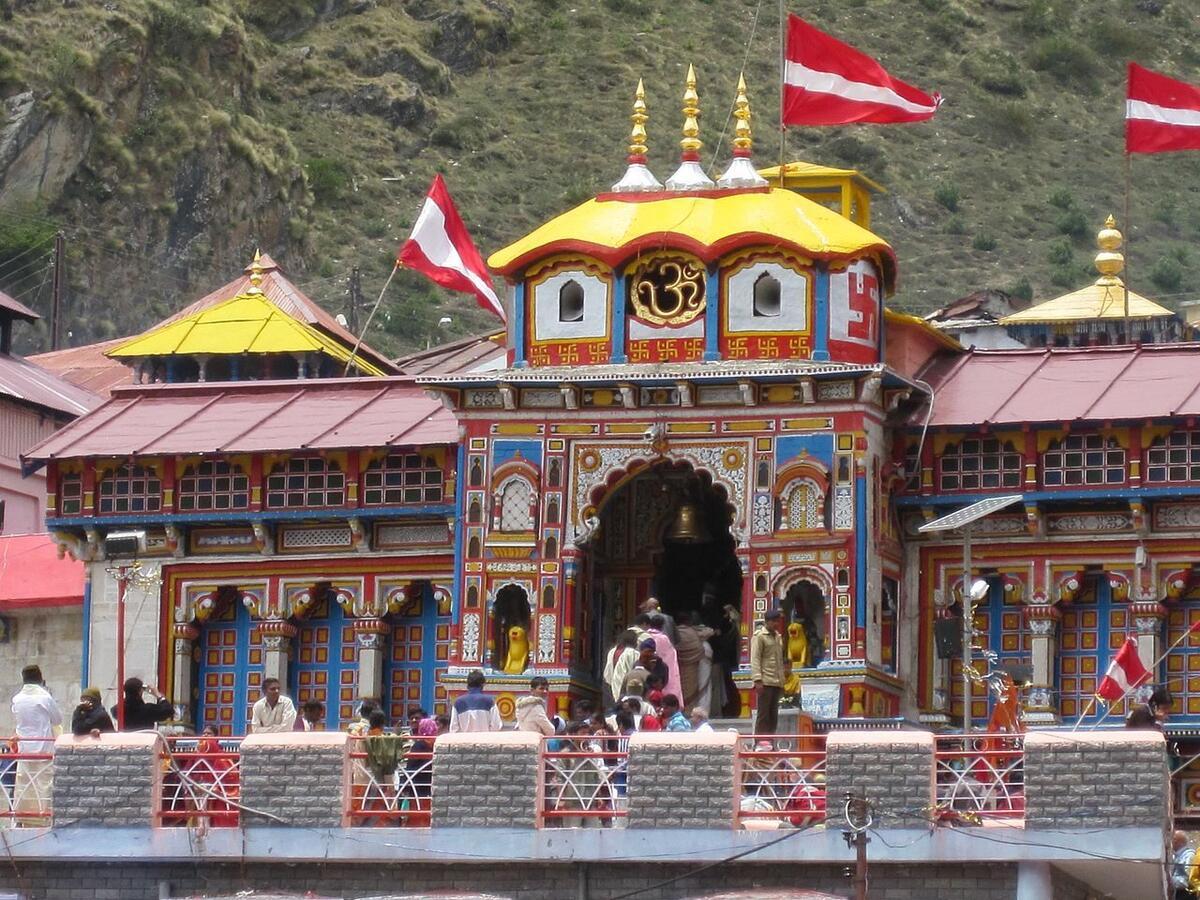
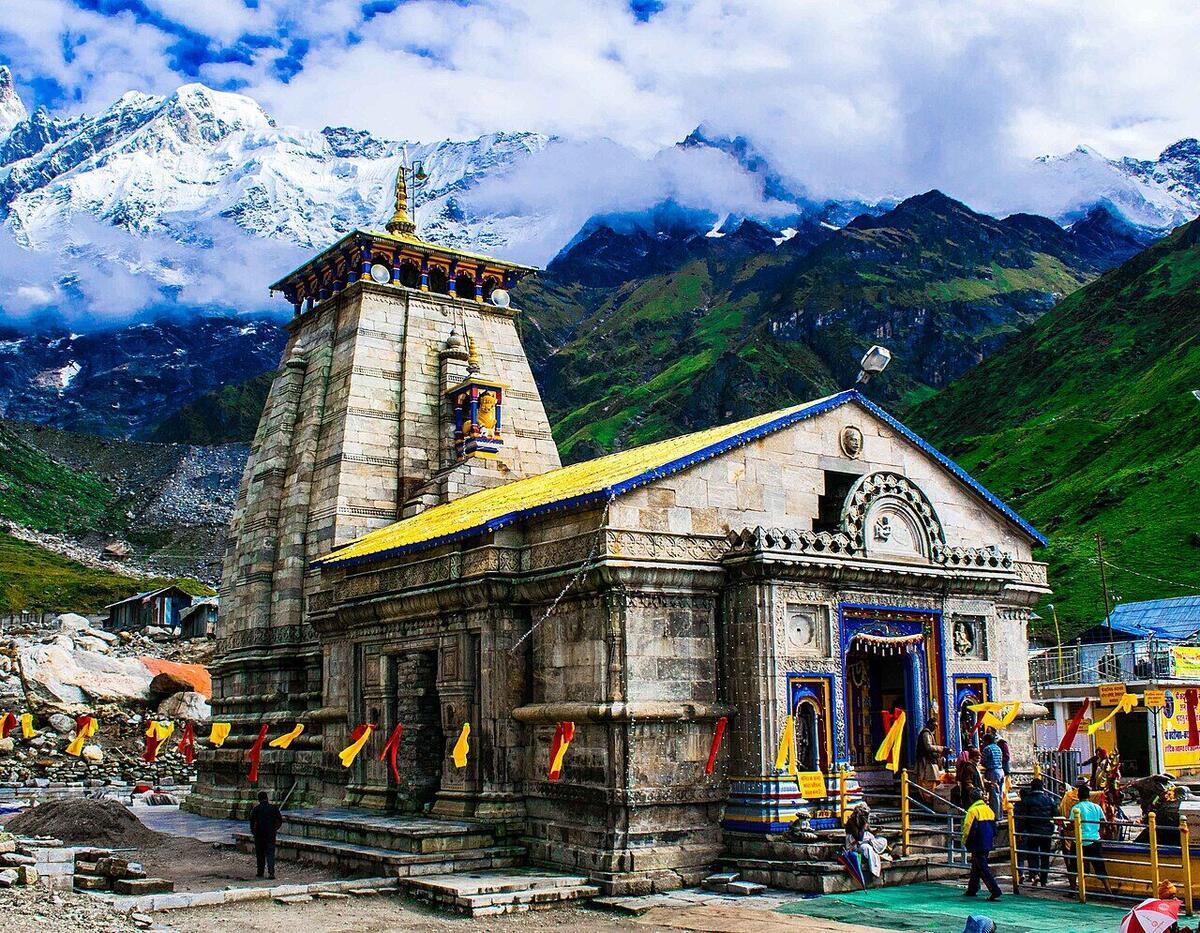
Kedarnath
Jyotirlinga of Shiva
Badrinath
Vishnu's mountain seat
Know before you go
Kedarnath & Badrinath — Facts for the 2026 Season
The Do Dham pairs Kedarnath — the Jyotirlinga in the Mandakini valley — with Badrinath, the seat of Vishnu as Badrinarayan. In 2026 Kedarnath opened on 22 April and Badrinath on 23 April; both close for winter around Diwali and Bhai Dooj (mid-November), with exact dates declared by the temple committees around Vijayadashami.
| Dham | Altitude | Access | 2026 season |
|---|---|---|---|
| Kedarnath | 3,583 m | 16–18 km trek from Gaurikund; pony, palki or helicopter | 22 Apr – around Bhai Dooj (11 Nov expected) |
| Badrinath | 3,300 m | Road reaches the temple | 23 Apr – mid-November (13 Nov expected) |
Registration is mandatory for both dhams — free, on the Uttarakhand government portal registrationandtouristcare.uk.gov.in, the only official site. Register for the specific dhams you will visit; the QR code you receive is verified at checkpoints on the route.
Altitude and health: both shrines sit above 3,000 m, where the air is noticeably thin. Sleep a night at Guptkashi or Sonprayag before the Kedarnath trek, walk slowly, carry your regular medicines, and consult your doctor before travelling if you have a heart or breathing condition. Medical relief posts line the Kedarnath trail.
How to reach
The Route — 5 to 6 Days from Haridwar
The yatra begins at Haridwar or Rishikesh — 4–6 hours from Delhi by rail or road, with Jolly Grant Airport (Dehradun) about 35 km from Rishikesh. Beyond Rishikesh it is mountain road all the way: early starts, and weather that decides the schedule.
| Leg | Distance | Notes |
|---|---|---|
| Haridwar → Guptkashi / Sonprayag | ~210–230 km, 8–9 hrs | Night halt before the trek |
| Sonprayag → Gaurikund → Kedarnath | Shuttle, then 16–18 km trek | Pony, palki or helicopter alternatives; night at Kedarnath or descend |
| Guptkashi → Badrinath | ~190 km via Joshimath | Gate-controlled mountain highway |
| Badrinath → Rishikesh | ~295 km | Return day |
Helicopter to Kedarnath: shuttle flights from Phata, Sirsi and Guptkashi are booked only on heliyatra.irctc.co.in — the official IRCTC HeliYatra portal. There are no authorised agents; any other seller of Kedarnath heli tickets is selling fraud. Yatra registration must be complete before you can book, and flights cancel when weather closes in — keep a road fallback.
Five to six days by road covers both dhams at a pilgrim pace. A helicopter day-plan can shorten Kedarnath, but in the Himalaya the mountain sets the pace.
Find your yatra
Choose Your Do Dham Path
Helicopter and road packages across multiple budgets. All packages include Uttarakhand registration, hotels, and AC vehicle transport.
2
Sacred dhams
3,583m
Kedarnath altitude
6–7
Days by road
2–3
Days by helicopter
All options
Do Dham Packages
Helicopter, road, and mixed combinations from Haridwar and Dehradun.
Why Satmarg
How Satmarg supports your Do Dham
Registration handled
Mountain-region stays
AC vehicles, mountain drivers
Through-yatra support
From enquiry to yatra
From enquiry to yatra
- 1
1. Tell us your dates and preferences
Travel month, group size, helicopter or road or mixed. WhatsApp, phone, or the enquiry form.
- 2
2. Itinerary and quote
Day-by-day itinerary, hotels, vehicles, helicopter slots (if any), inclusions. Revise as needed. Fixed quote, no surprises.
- 3
3. Registration and booking
We file the Uttarakhand registration, lock helicopter slots if applicable, and confirm hotels and vehicles.
- 4
4. Travel with support
Confirmation pack with all bookings, drivers, and emergency contacts. Reachable through the yatra.
Questions asked often
Do Dham Yatra — Frequently Asked
What is the Do Dham Yatra?
The Do Dham Yatra is the shorter pilgrimage of Uttarakhand that covers just two of the four dhams — Kedarnath (Shiva) and Badrinath (Vishnu). It skips Yamunotri and Gangotri, which makes it suitable for families with less time, for elders who cannot trek to the higher river-source shrines, or for pilgrims who want the deepest darshan of the two main dhams.
When does the Do Dham yatra open in 2026?
Both Kedarnath and Badrinath open their kapat on or around Akshaya Tritiya in late April or early May. Closing days fall around Diwali in late October or early November. We confirm the exact dates once the temple committees announce them each year.
Is the helicopter package safe for elderly pilgrims?
Helicopter packages are the most commonly chosen option for elderly pilgrims because they avoid the 16-km Kedarnath trek and the long road journey to Badrinath. That said, altitude is real — Kedarnath is at 3,583m and Badrinath at 3,133m. We recommend a medical fitness check for pilgrims over 65 or with cardiac, respiratory, or blood pressure conditions before travel.
Why is Kedarnath called a Jyotirlinga?
Kedarnath is one of the twelve Jyotirlingas — the principal Shiva shrines of India, each understood as a self-manifest pillar of Shiva's infinite divine light. Kedarnath is also the head of the Panch Kedar — five Garhwali Shiva shrines tradition associates with the body of Shiva as Mahadev appeared to the Pandavas.
What is the Tapt Kund at Badrinath?
Tapt Kund is the hot spring just below the Badrinath temple. Pilgrims bathe in it before darshan; the warm water is held to be a gift of Agni and is praised in tradition as a place of purification before approaching Vishnu. The temperature averages around 45°C — warm year-round, even when the surrounding mountain air is sub-zero.
Can the Do Dham be extended to the full Char Dham?
Yes — adding Yamunotri and Gangotri makes it the complete Char Dham. You can also do them separately in another season. The /tours/char-dham-yatra page has the full Char Dham option.
What clothing should I carry?
Warm woollens (temperatures fall below 5°C even in summer at Kedarnath), rain protection, sturdy walking shoes, basic medicines, a torch, sunscreen, dark glasses, and personal toiletries. ATM and mobile network coverage is unreliable above Sitapur and Joshimath — carry cash.
Can pind-daan be performed at Badrinath?
Yes — Brahma Kapal at Badrinath is one of the most revered places in north India for pind-daan and ancestor rites. Tradition holds that pind-daan performed at Brahma Kapal releases ancestors from the cycle of pitru-rina. We can arrange a qualified pandit and the required samagri if you mention this at enquiry time.
Is registration mandatory for the Do Dham, and how do I do it?
Yes — the Uttarakhand government requires every pilgrim to register, even for two dhams. It is free at registrationandtouristcare.uk.gov.in, the only official portal; select Kedarnath and Badrinath, enter ID and travel dates, and carry the QR code you receive — it is checked at route checkpoints. Registration for the 2026 season opened on 6 March 2026. We walk every guest through it before departure.
Who should choose the Do Dham over the full Char Dham?
Pilgrims with five to six days rather than the nine to twelve the full circuit needs; elderly yatris who want the two principal shrines with fewer long driving days; and those returning to complete a darshan. Kedarnath and Badrinath together give the Hari–Hara darshan — Shiva as the Jyotirlinga, Vishnu as Badrinarayan — which is why this pairing is the classic short form of the yatra.
Which months are best, and is monsoon travel safe?
May–June and September–October are the best windows. July and August are monsoon — landslides and road blocks on these highways are a real risk and we advise against travelling then. The 2026 season runs from late April to mid-November, closing around Diwali and Bhai Dooj; late-season yatris should reconfirm closing dates, which are declared around Vijayadashami.
Begin your Do Dham Yatra
Tell us your travel month and we will send a clear itinerary, quote, and registration plan within hours.
Keep travelling
More yatras
Booking & payment
How it works
No surprises. Here is exactly what happens from your first message to the day you walk the yatra.
- 1
Tell us your dates
Share dates, group size, and preferences via WhatsApp, phone, or the enquiry form. No commitment yet.
- 2
Receive itinerary & quote
We send a written itinerary, inclusions, and a fixed quote. You can revise or decline at no cost.
- 3
Pay via online invoice
Payments are processed through standard invoicing and digital payment methods (UPI, cards, net-banking).
- 4
Confirmation & support
A confirmation email lists your bookings, contacts, and pickup times. Refunds, if applicable, follow our published policy.