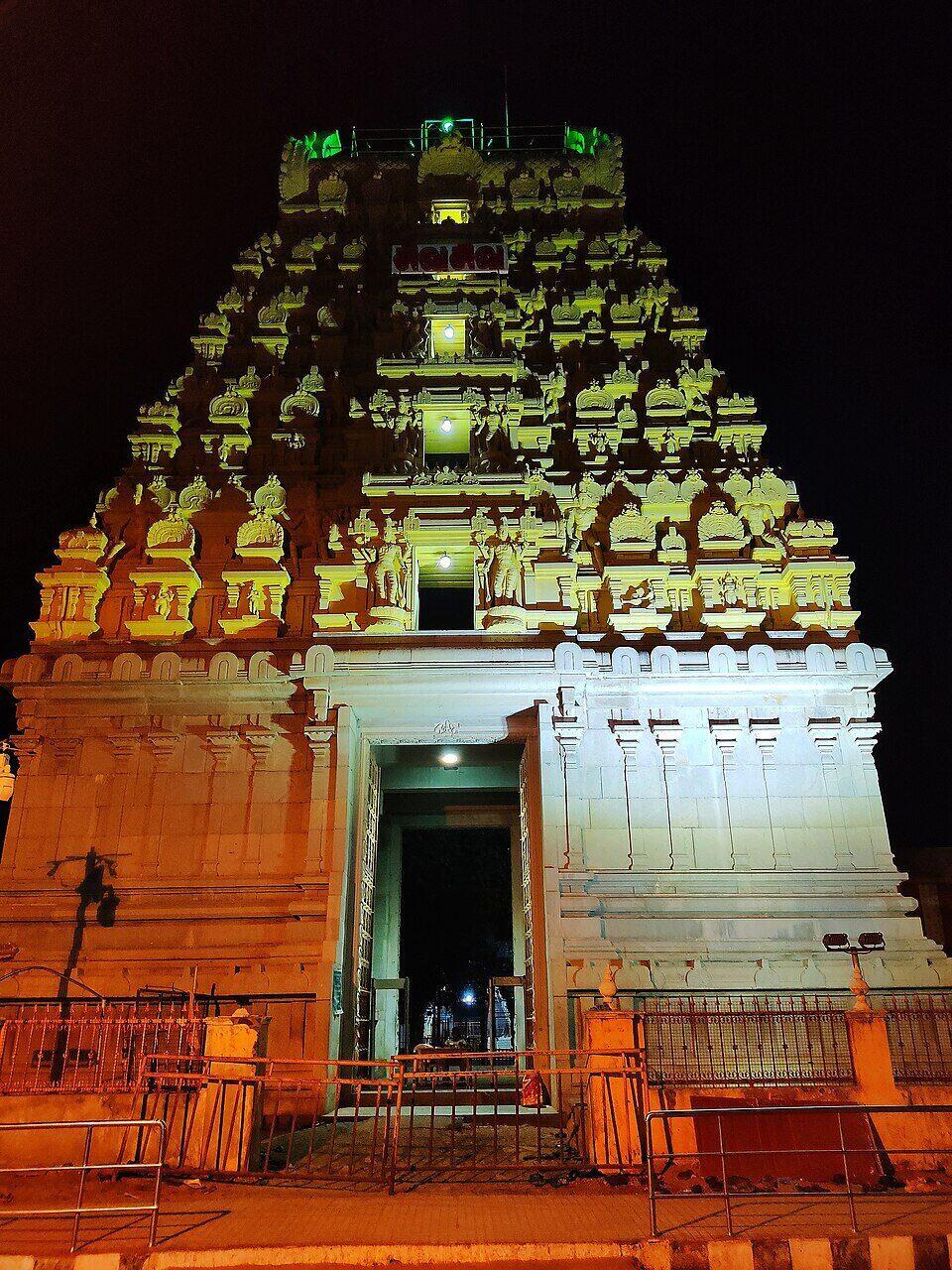
Ramanathaswamy Temple at Rameshwaram, on a sacred island off Tamil Nadu's southern coast, is among Hinduism's most revered shrines — a Jyotirlinga, a Char Dham site, and the symbolic meeting point of north and south India. Pilgrims who complete Kashi Vishwanath in Varanasi traditionally carry Ganga water here to bathe the linga, completing a circuit that binds the Himalayas to the sea. The temple is world-famous for its corridors: the outer prakara is considered the longest temple corridor in India, stretching roughly 1,200 metres of ornately carved pillars in rhythmic procession. Within the complex lie 22 sacred tirthas — wells and tanks, each with its own name and mythology — where pilgrims take ritual bath before darshan. The presiding deity is Sri Ramanathaswamy, a linga installed, tradition says, by Lord Rama himself before his campaign against Lanka. For centuries, the island of Rameshwaram has been a place of atonement, of ancestral rites, and of the profound release that comes from standing where Rama stood, looking across the sea toward the story's far shore.
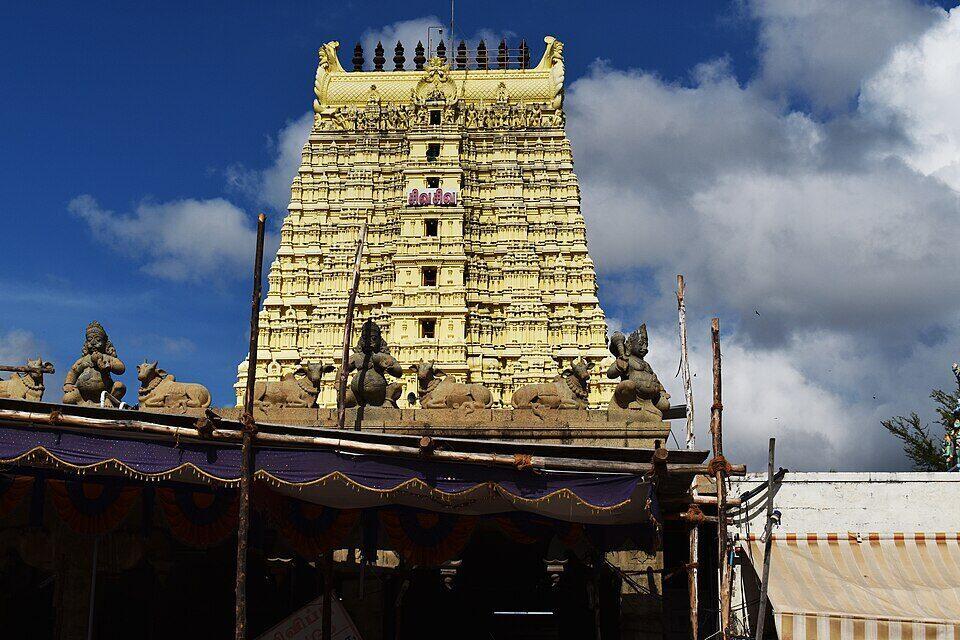
Rameshwaram occupies a unique place in Hindu geography: it is a Jyotirlinga of Shiva, a Char Dham of Vishnu's devotee Rama, and the southern counterpart of Kashi. The pilgrim tradition of carrying Ganga jal from Varanasi to abhishek the Rameshwaram linga, then taking Rameshwaram sand back to immerse in the Ganga, ritually unites the subcontinent. Bathing in the 22 tirthas is believed to cleanse specific sins and karmic burdens — each well associated with a particular merit. The shrine is also the preferred site for shraddha and tarpan rites for ancestors, especially after Gaya. To stand at the Agni Tirtha seashore and then enter the sanctum is to rehearse Rama's own gesture of surrender and devotion before the great war.
History
Architecture
Rituals & Practices
Prepare for Your Visit
Practical guidance to help you plan your pilgrimage
| Pilgrim Guidance | Rameshwaram is reached by train (station within walking distance of the temple) or road across the Pamban bridge from the mainland. The best season is October to March; avoid April-May heat. Plan at least a full day: arrive early, complete the 22-tirtha bath (allow 1.5-2 hours), then darshan. Wet clothes are required for the tirtha bath — carry a change. Accommodation ranges from basic dharamshalas near the temple to mid-range hotels. Combine with Dhanushkodi (the southern tip) and, if time permits, Madurai. |
Location
Ramanathapuram, TN
Pilgrim photos
No pilgrim photos yet.
Community corrections
No corrections yet.
Edit history
No revisions yet.
Plan Your Visit to Ramanathaswamy Temple, Rameshwaram
Get a custom itinerary and pricing for your trip.
Recommended
Packages for this destination
Pilgrim Notes
On-ground observations from fellow pilgrims
No pilgrim notes yet. Be the first to share on-ground observations!
Sign in to share a note.
Pilgrim Reviews
Be the first to share your experience at Ramanathaswamy Temple, Rameshwaram.
Sign in to write a review.
Nearby sacred places
Discover other sacred places near Ramanathaswamy Temple, Rameshwaram
Explore temples, tirthas, and pilgrimage sites in TN
Explore nearbyPart of these circuits
Walk the traditional pilgrimage routes this destination belongs to.