Batuk Bhairav is worshipped in Kashi as the child-form of Bhairava, the fierce protective aspect of Shiva. Batuk means "boy" or "young one", and tradition holds Bhairava in this form as the swift, ever-watchful guardian who removes obstacles and stands close to those who seek shelter. The temple at Kamachha is approached above all by parents seeking protection for their children, and by devotees of every kind asking for fearlessness and the lifting of difficulty.
The shrine belongs to the wider Bhairava tradition of Kashi, which holds Bhairava — in his various forms — as the kotwal, the guardian and kshetra-pala who keeps the sacred city in order. Where Kal Bhairav is revered as the Kotwal of Kashi whose darshan opens the traditional yatra, Batuk Bhairav is approached for the swift, near response that tradition associates with the child-form. Devotees undertaking a serious sankalp often pair the two shrines, turning to Batuk for matters of protection and for the wellbeing of children.
Katha and local belief
Tradition holds that Bhairava takes the child-form to draw near where a fierce adult presence would overwhelm rather than protect — to remove the small but persistent obstacles of early life, and to guard children from illness, fear, and the influences that long tradition has understood as falling heavily on the young. In this understanding the child-form is not a lessening of Bhairava's power, but his protective grace brought close to the scale of a child.
The temple is best known in Banaras for its akhand deep — a perpetual flame said to have been kept burning without interruption. Devotees hold that the bhabhut, the sacred ash gathered from this flame, carries Bhairava's protection against fear, illness, and negativity, and they carry it home to apply on the forehead of a child or to keep as a blessing. Banarasi families bring children here for many occasions — a first darshan after birth, before the school years begin, in times of childhood illness, and again in thanksgiving once a difficulty has passed.
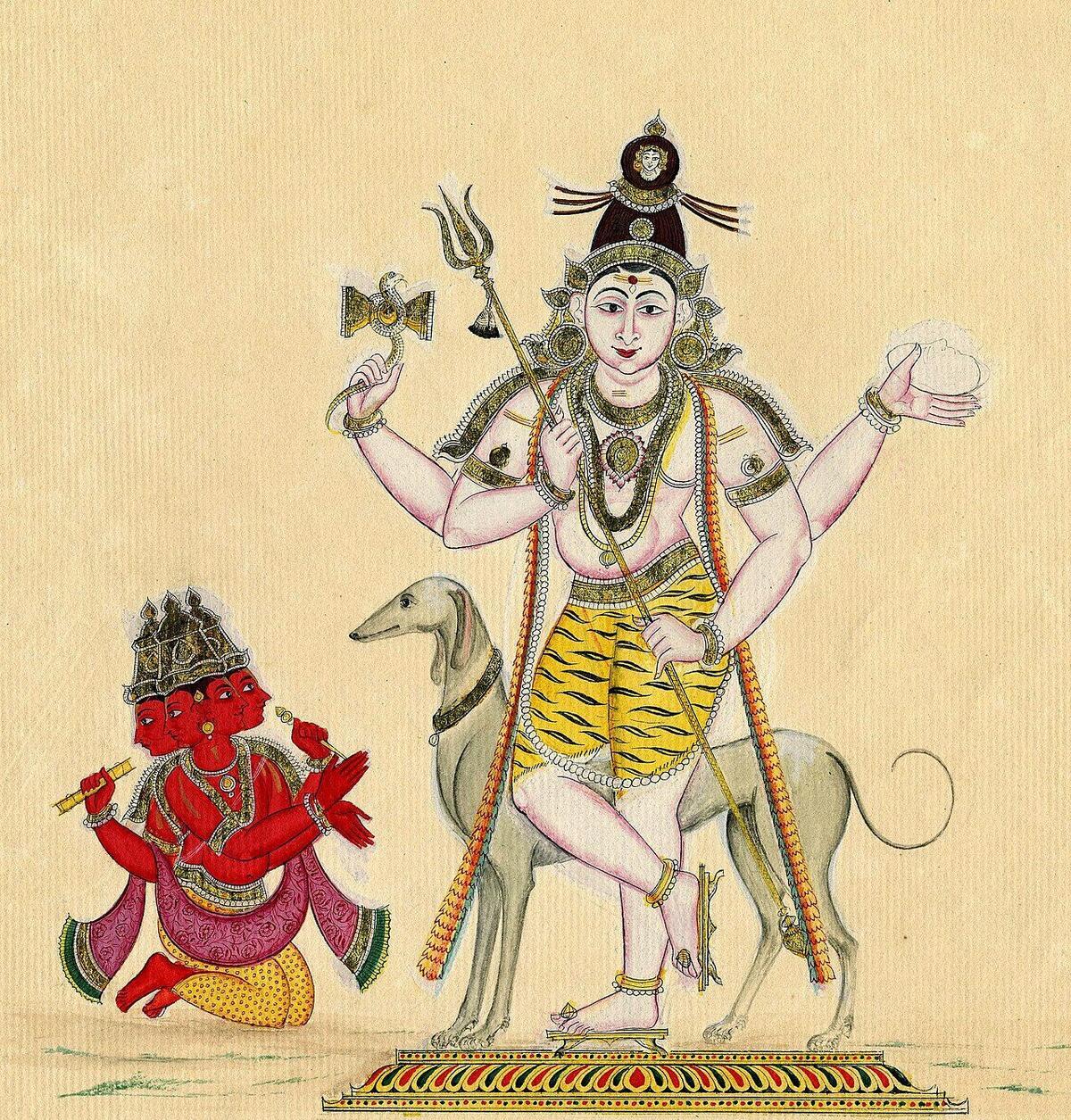
Batuk Bhairav's worship joins the protective intensity of the Bhairava tradition with a particular tenderness toward children. Devotees come for protection, for fearlessness, and for the removal of obstacles, and tradition holds the child-form to respond with a nearness that is gentle as well as fierce. Common prayers brought before the deity include:
- The protection of children — from accident, illness, and harmful influence
- The easing of obstacles in a child's early growth, including unexplained unease and fearfulness
- The blessing of newborns — many Banarasi families bring infants here for first darshan
- Thanksgiving after a child's recovery or success
- Relief from the difficulties that tradition associates with childhood — bal-graha, the effects of the "evil eye" (nazar), and persistent fear
The bhabhut from the akhand deep is at the heart of this protective grace. Devotees receive a little of the sacred ash, apply it on the forehead, and keep it as a covering of Bhairava's protection — the same impulse, in the child-form, that brings older devotees to Kal Bhairav for the Ganda thread.
The pace of the shrine is gentler than that of the senior Kal Bhairav temple. Where Kal Bhairav's darbar carries the authority of the Kotwal, Batuk Bhairav is approached in the spirit of turning to a divine elder brother on a child's behalf — close, protective, and quick to respond.
Pairing with Kal Bhairav
For a serious sankalp concerning a child's wellbeing, Banarasi tradition favours a paired darshan: Kal Bhairav, the Kotwal of Kashi, for the formal sankalp and the protection of the kshetra; and Batuk Bhairav for the near, child-centred blessing. Both shrines belong to the wider Bhairava-tirtha geography of the sacred city.
History
Bhairava worship is among the oldest continuous traditions of Kashi, and the Batuk Bhairav shrine is remembered in older Banarasi devotional records as part of this wider tirtha. Its exact founding is not preserved, but the living practice — the bringing of children for first darshan, the seeking of childhood protection, the carrying home of bhabhut from the akhand deep — is attested across many generations.
The present temple, like most surviving Banarasi shrines, took its current form in the eighteenth-century period of Maratha patronage that restored so much of the city's sacred fabric. Its compact scale — a single sanctum, a modest surrounding courtyard, and the implements of Bhairava worship — is characteristic of that age. Through every period the worship itself, including the unbroken flame, has continued.
In the modern era the shrine has remained a working pilgrim destination rather than a tourist landmark. Priestly families have preserved the particular ritual sequences that distinguish Batuk worship within the wider Bhairava tradition, and the daily rhythm of darshan, bhabhut, and the protection of children carries on much as it long has.
Architecture
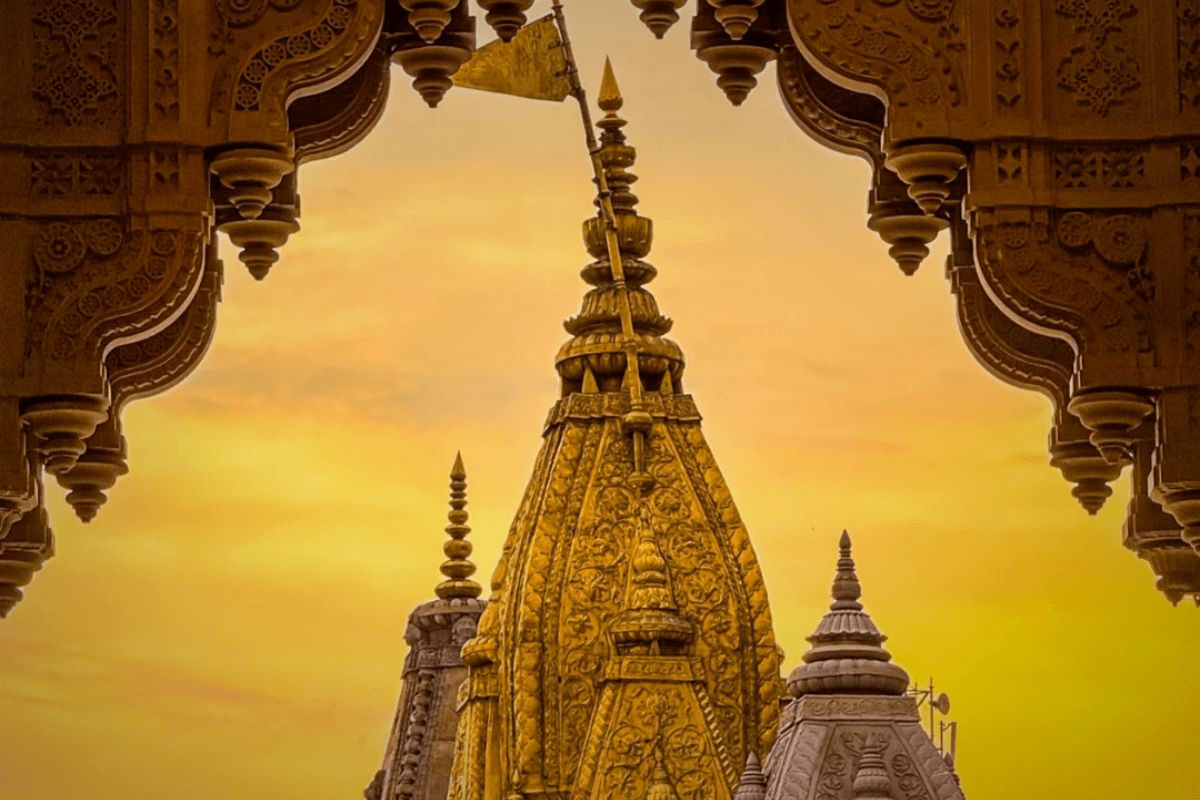
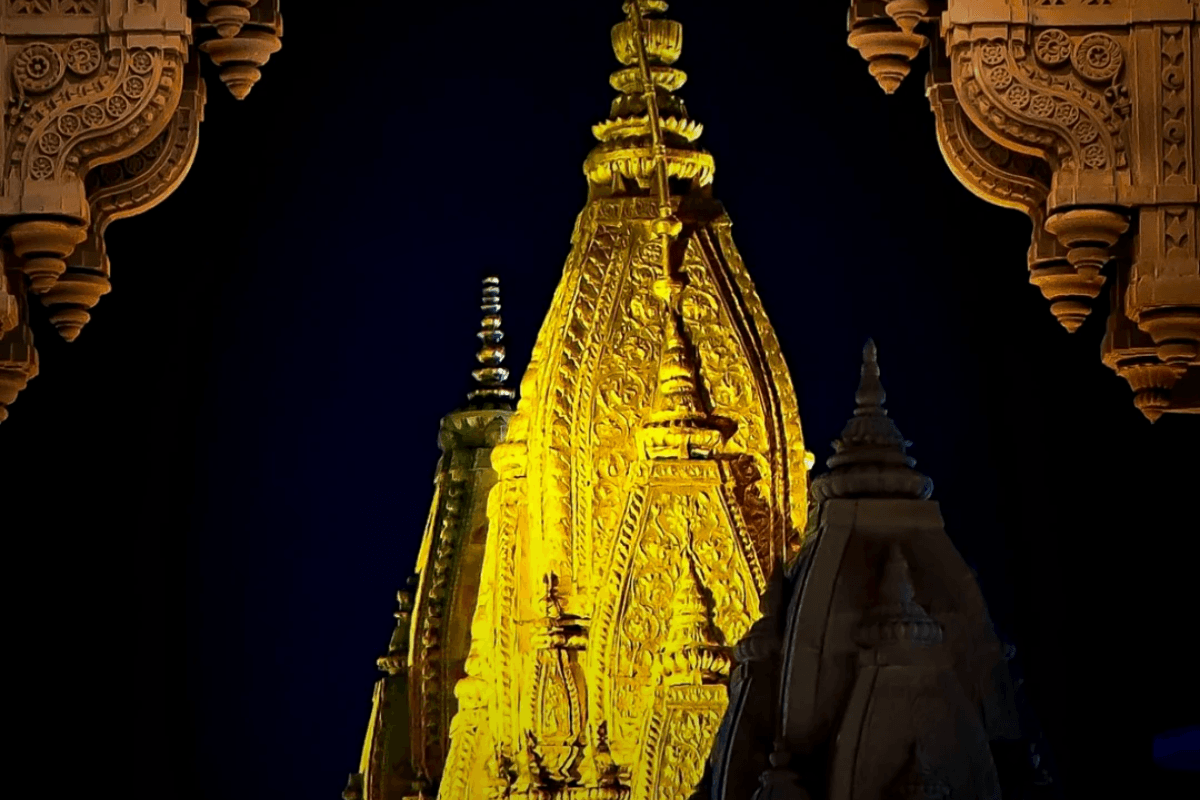
The Batuk Bhairav temple is a compact urban shrine at Kamachha, built in the familiar Banarasi style of the Maratha-period restorations. The structure gathers around a single sanctum holding the murti of Batuk Bhairav, with a small mandapa for devotees and a modest surrounding courtyard. Its power lies not in scale but in the closeness and warmth of sustained worship.
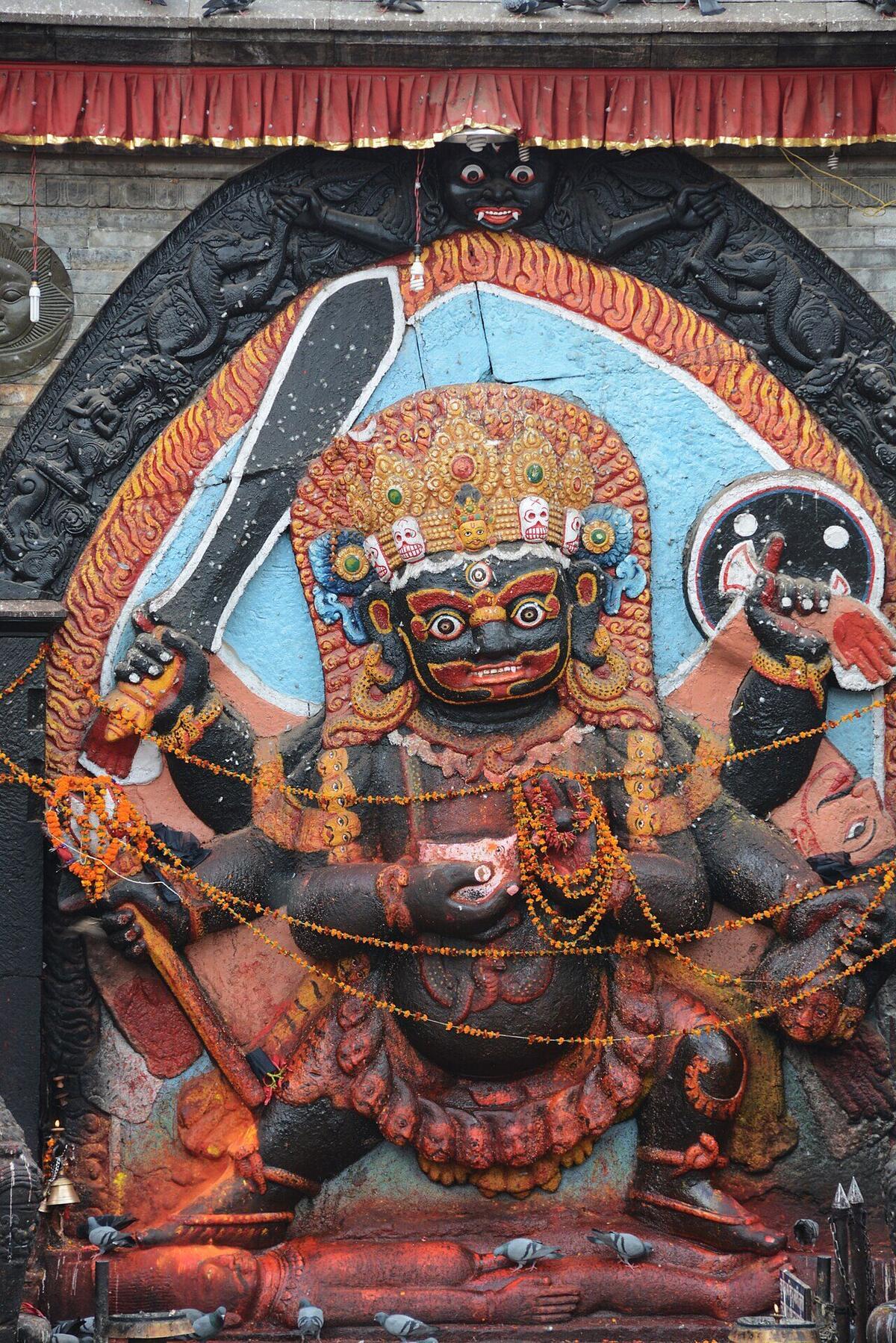
The murti within the sanctum is the focus of darshan — Bhairava in his child-form, carrying the traditional marks of the deity yet rendered at a child's scale. It is anointed with sindoor and the customary Bhairava offerings of mustard oil, flowers, and small lamps. Before it burns the akhand deep, the perpetual flame from which devotees receive bhabhut, lending the sanctum its constant glow.
The courtyard holds the implements of the tradition — a small ghantashala, a Bhairava dhwaja, and niches honouring the dog, Bhairava's vahana. Dogs rest in and around the temple precinct and are treated with respect by priests and devotees, as they are at the other Bhairava shrines of Kashi.
Rituals & Practices
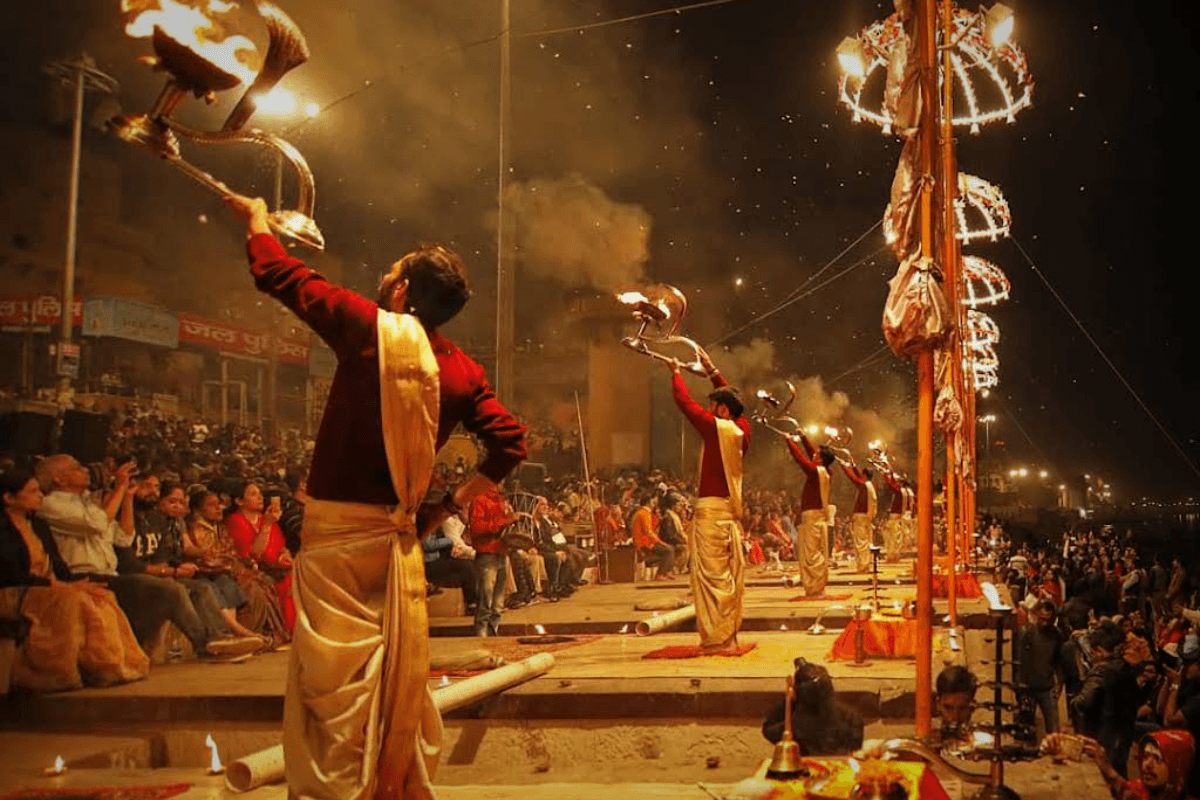
Worship at Batuk Bhairav follows the wider Bhairava tradition, drawn close to the gentle character of the child-form. The akhand deep before the murti is tended without interruption, and from it devotees receive the bhabhut that lies at the heart of the shrine's practice.
- Darshan. Families approach the murti, often holding the child for whom prayers are offered, and place their sankalp before the priest.
- Mustard-oil offering. Mustard oil, a traditional Bhairava offering, is lit as small flames before the murti.
- Sindoor and red flowers. Offered to the deity and applied to devotees as prasad.
- Bhabhut. Sacred ash from the akhand deep is given to devotees, applied on the forehead and carried home as Bhairava's protective blessing.
- Mantra recitation. Batuk Bhairav has his own bija-mantra and stotra, recited by the priests during darshan.
- The dog-vahana. Offering food to the dogs of the temple precinct, Bhairava's vahana, belongs to the wider tradition.
For a child's first darshan, the customary sequence is to bring the child to the threshold of the sanctum, to hold the child while the priest performs the darshan and recites the mantra, and then to receive prasad — sindoor and bhabhut on the forehead, and a red thread (mauli) tied on the wrist. Where a devotee wishes, the tradition also accommodates the brief, respectful Tantric observances common to Bhairava shrines, which are handled entirely by the priest.
Saturdays and Tuesdays, the days associated with Bhairava worship, are the most active. Specific timings may vary; pilgrims are encouraged to verify with the temple authorities before a visit.
Festivals & Celebrations
| Festival | When | Crowd |
|---|---|---|
| Bhairava Ashtami | — | Very high |
| Saturdays | — | High |
| Mahashivratri | — | Very high |
| Tuesdays | — | Moderate to high |
Bhairava Ashtami: Held to commemorate the appearance of Bhairava as a form of Shiva. Worship at Batuk Bhairav on this day is regarded as especially powerful for the protection of children and for fearlessness.
Saturdays: The weekly rhythm of the shrine is built around Saturday and Tuesday worship, the days dear to Bhairava bhaktas.
Mahashivratri: As Bhairava is a fierce form of Shiva, Mahashivratri at the shrine carries the weight of the night-of-Shiva worship together with the Bhairava tradition.
Tuesdays: Tuesday is the second of the shrine's weekly observances after Saturday; together the two days hold the regular working rhythm of the temple.
Prepare for Your Visit
Practical guidance to help you plan your pilgrimage
| Pilgrim Guidance | How to reachThe temple lies in the Kamachha area of Varanasi. An auto-rickshaw is the easiest approach, dropping pilgrims near the lane that leads to the shrine, a short walk away. Many pilgrims combine this darshan with Kal Bhairav and the wider Bhairava-tirtha shrines of Kashi. Preparation for Pilgrims
Best Time to VisitSaturdays and Tuesdays are the most charged days for Bhairava darshan, and early morning, with the morning aarti underway, is the calmest time to visit. Bhairava Ashtami in Margashirsha (November–December) is the principal annual observance, and Mahashivratri brings extended worship as part of the wider Shaiva festival. October to March is the most comfortable window for pilgrimage. |
Location
Varanasi, UP
Pilgrim photos
No pilgrim photos yet.
Community corrections
No corrections yet.
Edit history
No revisions yet.
Plan Your Visit to Batuk Bhairav Temple
Get a custom itinerary and pricing for your trip.
Recommended
Packages for this destination
Pilgrim Notes
On-ground observations from fellow pilgrims
No pilgrim notes yet. Be the first to share on-ground observations!
Sign in to share a note.
Pilgrim Reviews
Be the first to share your experience at Batuk Bhairav Temple.
Sign in to write a review.
Nearby sacred places
Discover other sacred places near Batuk Bhairav Temple
Explore temples, tirthas, and pilgrimage sites in UP
Explore nearbyPart of these circuits
Walk the traditional pilgrimage routes this destination belongs to.