Jnana Vapi — "the well of jnana (wisdom)" — is the ancient sacred well within the Kashi Vishwanath complex. The well is mentioned in the Kashi Khanda of the Skanda Purana as one of the holiest waters of the kshetra, and tradition holds it to grant the wisdom for which it is named to those who approach it with sincere sankalp.
The well is part of the broader Vishwanath devotional geography — a station within the wider darshan circuit rather than a separately approached shrine. Pilgrims completing the Vishwanath visit traditionally included Jnana Vapi in the sequence: the well's water was taken as theertham, and the moment at the well was held to consolidate the wisdom-aspect of the Vishwanath darshan that is otherwise emphasised through the lingam itself. Today the well stands within a barricaded compound under judicial supervision, and pilgrims cannot at present approach it directly.
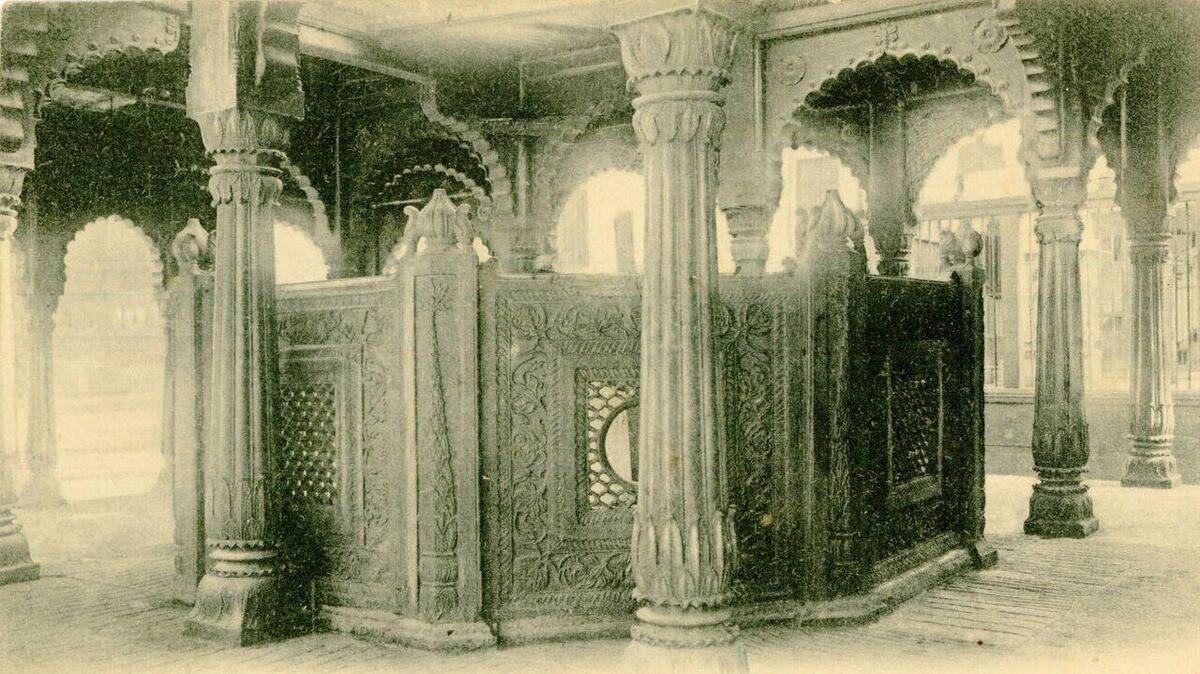
Jnana Vapi's significance in the Vishwanath tradition centres on the well as the source of jnana — wisdom understood not as accumulated information but as the inner clarity that recognises the nature of things. Vishwanath as the deity of Kashi is the granter of moksha; Jnana Vapi as the well within his complex is the granter of the jnana that supports the moksha-seeking life.
The well has traditionally been approached for:
- Theertham — sacred water taken as part of the Vishwanath darshan
- The wisdom-aspect of the kshetra-worship
- Specific sankalp for clarity in difficult life-situations
- Traditional kshetra-seva — care for the sacred well as part of the Vishwanath complex
The well's place in the Vishwanath complex has been preserved through centuries of rebuilding. The Kashi Vishwanath Dham Corridor, completed in 2021-2022, passes beside the well, which now lies within a barricaded area outside the open pilgrim flow; its traditional role endures in the devotional memory of Kashi.
History
Jnana Vapi is mentioned in the Kashi Khanda among the principal sacred waters of the kshetra. Its long history is tied to the broader history of the Kashi Vishwanath complex, including the cycles of destruction and rebuilding that have shaped the site over the centuries.
The well was preserved through the periods when the Vishwanath shrine itself was destroyed and rebuilt — most notably during Queen Ahilyabai Holkar's restoration of 1780 — and stands today adjacent to the Vishwanath Dham complex. The area around the well is barricaded and under judicial supervision, its status the subject of ongoing court proceedings; the Kashi Vishwanath Dham Corridor (2021-2022) passes beside it.
Architecture
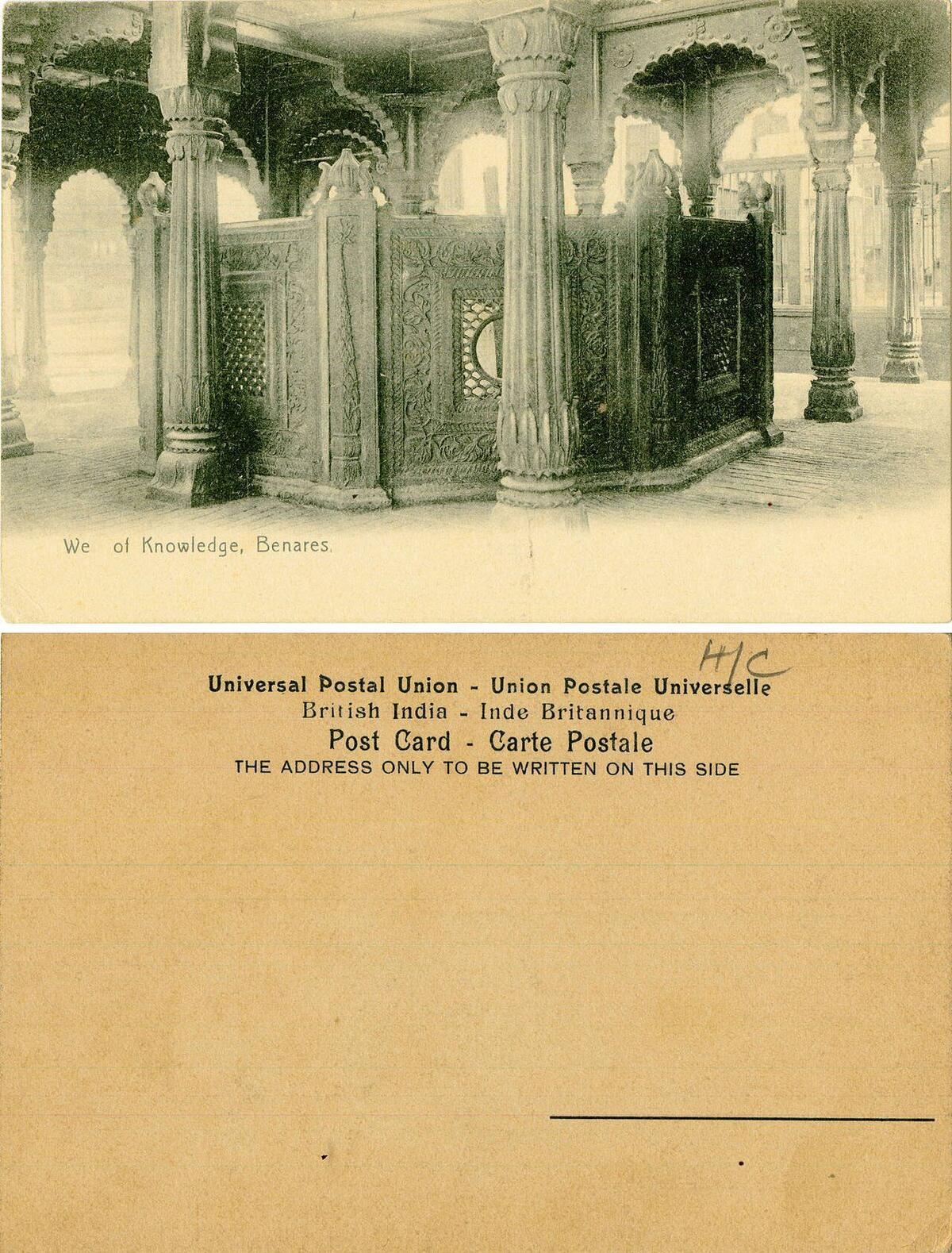
Jnana Vapi is a traditional sacred well — a stone-lined cylindrical opening descending to the water source below. The well-head is at ground level within the Vishwanath complex, with the standard arrangement of stone surround that once allowed pilgrims to approach for theertham.
The architectural setting beside the post-Corridor Vishwanath complex preserves the well in its traditional form, though it stands behind security barricading, apart from the open pilgrim flow. The well itself is unornamented; its significance is in its waters and its place within the kshetra rather than in any visual feature.
Rituals & Practices
The traditional practice at Jnana Vapi was woven into the wider Vishwanath darshan: the well was approached as a station of the circuit, its water taken as theertham, and a brief sankalp for jnana was paired with the wider Vishwanath sankalp. These observances belong today to devotional memory — with the well inside the barricaded, judicially supervised compound, pilgrims cannot at present approach it for theertham.
Pilgrims who wish to honour the well's tradition do so within the Vishwanath darshan itself, holding the sankalp for jnana before the lingam; the Vishwanath Trust's guidance governs all movement within the complex.
Festivals & Celebrations
| Festival | When | Crowd |
|---|---|---|
| Mahashivratri | — | Extremely high |
| Sawan Mondays | — | Very high |
| Vishwanath darshan throughout the year | — | Continuous |
| Kartik Purnima (Dev Deepawali) | — | Very high |
Mahashivratri: Mahashivratri at any station of the Vishwanath complex carries the night-of-Shiva weight.
Sawan Mondays: Sawan Somvar at the Vishwanath complex is one of the most charged worship periods in Kashi.
Vishwanath darshan throughout the year: The well''s role is as a daily station within the Vishwanath circuit rather than a festival-specific shrine.
Kartik Purnima (Dev Deepawali): The well as part of the wider devotional landscape is visited in higher numbers during this period.
Prepare for Your Visit
Practical guidance to help you plan your pilgrimage
| Pilgrim Guidance | AccessJnana Vapi lies within the barricaded compound adjacent to the Kashi Vishwanath Dham, an area under judicial supervision and the subject of ongoing court proceedings. Open pilgrim access to the well — the traditional approach for theertham — is not available at present. Guidance for pilgrims
Best Time to VisitAligned with the Vishwanath complex schedule. Early morning is the most charged. Mahashivratri and Sawan Mondays bring the heaviest pilgrim flow. October to March is the most comfortable window. |
Location
Varanasi, UP
Pilgrim photos
No pilgrim photos yet.
Community corrections
No corrections yet.
Edit history
No revisions yet.
Plan Your Visit to Jnana Vapi (Well of Knowledge)
Get a custom itinerary and pricing for your trip.
Recommended
Packages for this destination
Pilgrim Notes
On-ground observations from fellow pilgrims
No pilgrim notes yet. Be the first to share on-ground observations!
Sign in to share a note.
Pilgrim Reviews
Be the first to share your experience at Jnana Vapi (Well of Knowledge).
Sign in to write a review.
Nearby sacred places
Discover other sacred places near Jnana Vapi (Well of Knowledge)
Explore temples, tirthas, and pilgrimage sites in UP
Explore nearbyPart of these circuits
Walk the traditional pilgrimage routes this destination belongs to.