Kamakhya Devi is worshipped in Kashi as Kamakhya — "she in whom desire abides" — the Divine Mother approached for the fulfilment of the heart's deepest wishes. Her great Shakti Peetha rises famously at Nilachal hill near Guwahati in Assam, where tradition holds that a relic of Sati fell, and this Kashi shrine brings her presence and her devotion into the sacred geography of Banaras, where Shiva and Shakti are held to dwell together.
Devotees understand Kamakhya as the Mother of kama in its fullest sense — not desire as mere craving, but the deep longing of the heart that seeks fulfilment, completion, and grace. Tradition holds that she does not turn away the wishes a devotee carries; rather, she receives them, and the one who is the very source of desire is held to be the one most able to bring it to a good end. Mothers come to her for children, families in difficulty for relief, and devotees of all kinds for the longings they have carried, sometimes for years.
Katha and local belief
The Shakti Peethas belong to the katha of Sati and Daksha. Tradition holds that after Sati left her body, the grief of Shiva carried her form across the land, and the Mother's presence remained wherever a relic came to rest. At Nilachal in Assam the Devi is worshipped as Kamakhya, and devotees of this tradition hold that her grace reaches those who honour her wherever her name is invoked with sincerity. In Banaras it is held that the Mother who is approached as Kamakhya, Vishalakshi, Annapurna, and Durga is finally one Shakti, wearing the many faces by which Kashi knows her. To bring a heartfelt wish before Kamakhya is, in the Banarasi understanding, to place it in the hands of the Mother who upholds the city.
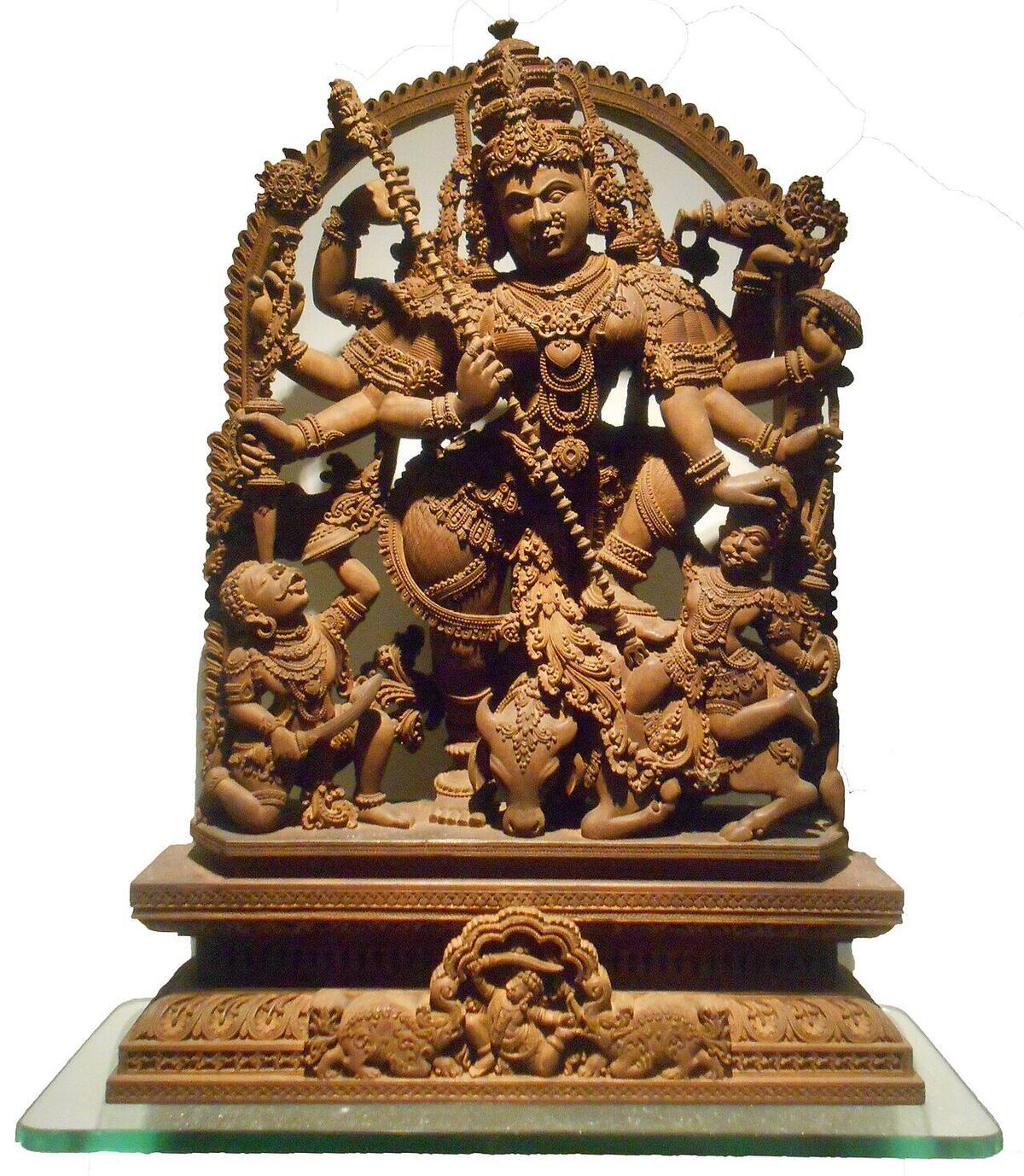
In Hindu tradition Kamakhya is revered as one of the most beloved forms of the Divine Mother — the Shakti who governs desire itself and is therefore approached for its grace-filled fulfilment. Where some devotional paths counsel the renunciation of desire, the Shakta understanding around Kamakhya treats the heart's longing as something the Mother herself has placed in her children, to be brought honestly before her rather than suppressed. This makes her worship especially dear to householder devotees, who carry the wishes that arise in family, work, and the round of daily life.
Devotees hold that Kamakhya receives a sincere sankalp — a wish clearly and honestly placed before her — and that her grace works not only to grant the wish but to ripen the one who carries it. To stand before the Mother is understood as a chance to lay down what one has been carrying alone, and to receive it back held in her care.
The Mother in the Devi family of Kashi
Kamakhya is never approached in isolation. Banaras holds a whole family of the Mother — Vishalakshi at Meer Ghat, the Shakti counterpart of Vishwanath; Annapurna, who feeds the city; and Durga, the protectress of Rani Bhavani's shrine in the south. Devotees often bring Kamakhya into the same Devi circuit, holding that the grace sought from one form of the Mother is the grace of them all. The deep Shakta and Tantric tradition that surrounds Kamakhya — with its bija-mantras and its disciplined sadhana under guru-guidance — is honoured here with the gravity it asks for, as the inward practice of those who have taken it up, while the door remains open to every devotee who comes simply to lay a wish at the Mother's feet.
History
The worship of the Divine Mother in Kashi reaches deep into the city's sacred memory, and the Puranic and Tantric traditions praise Banaras as ground held by Shakti as surely as by Shiva. The Kamakhya shrine belongs to this wider Devi-tirtha geography of the old city, bringing the Kamakhya tradition — central to the Shakta worship of eastern India — into the Kashi pilgrim circuit, so that devotees who could not undertake the long journey to Nilachal might honour the same Mother in the city of moksha.
The present shrine, like most surviving temples of the old city, belongs to the rebuilding of Banaras in the eighteenth century under Maratha patronage, though Devi worship at the site is older than any standing structure. Its continuity owes much to the lineages of priests who have carried the particular knowledge of Kamakhya worship across generations — a tradition more specialised than general Shakta puja, holding the bija-mantras and ritual sequences as a living inheritance.
Through the modern period the shrine has continued to draw devotees of the wider Kamakhya tradition, among them Bengali, Assamese, and eastern-Indian families long settled in Banaras whose ancestral devotion runs through Nilachal Kamakhya.
Architecture
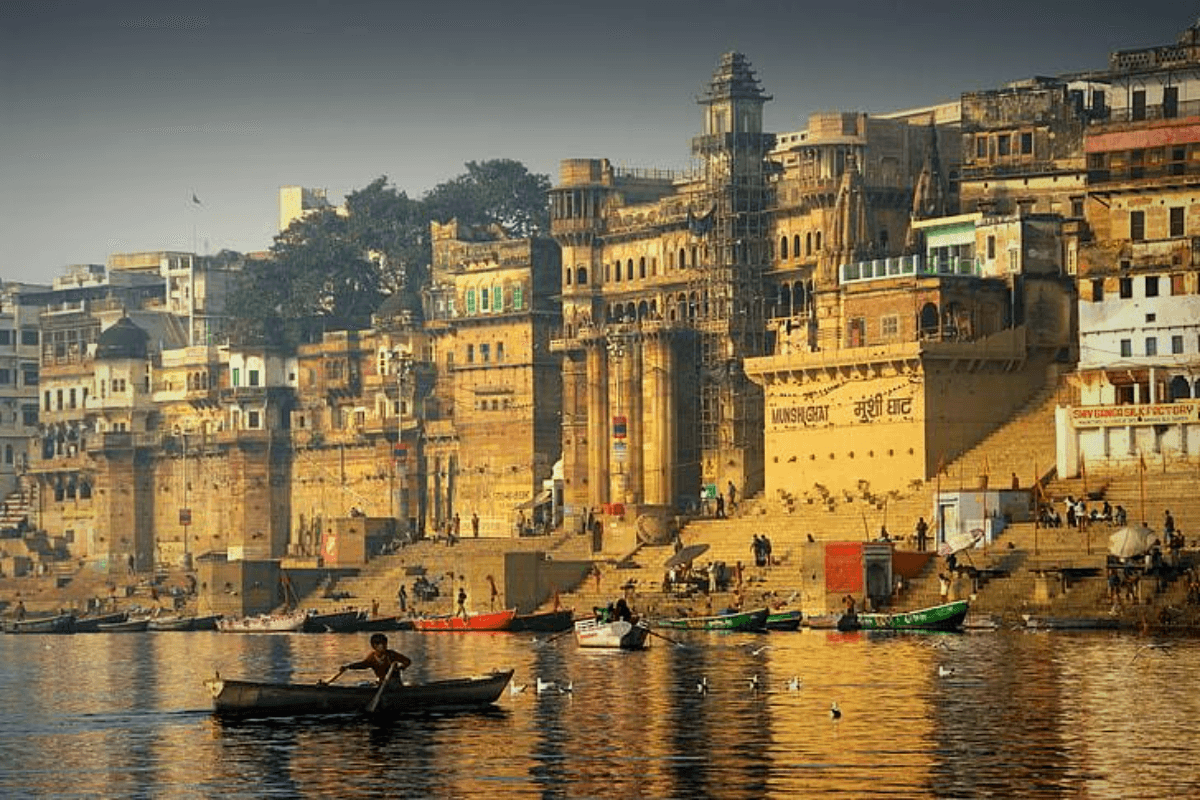
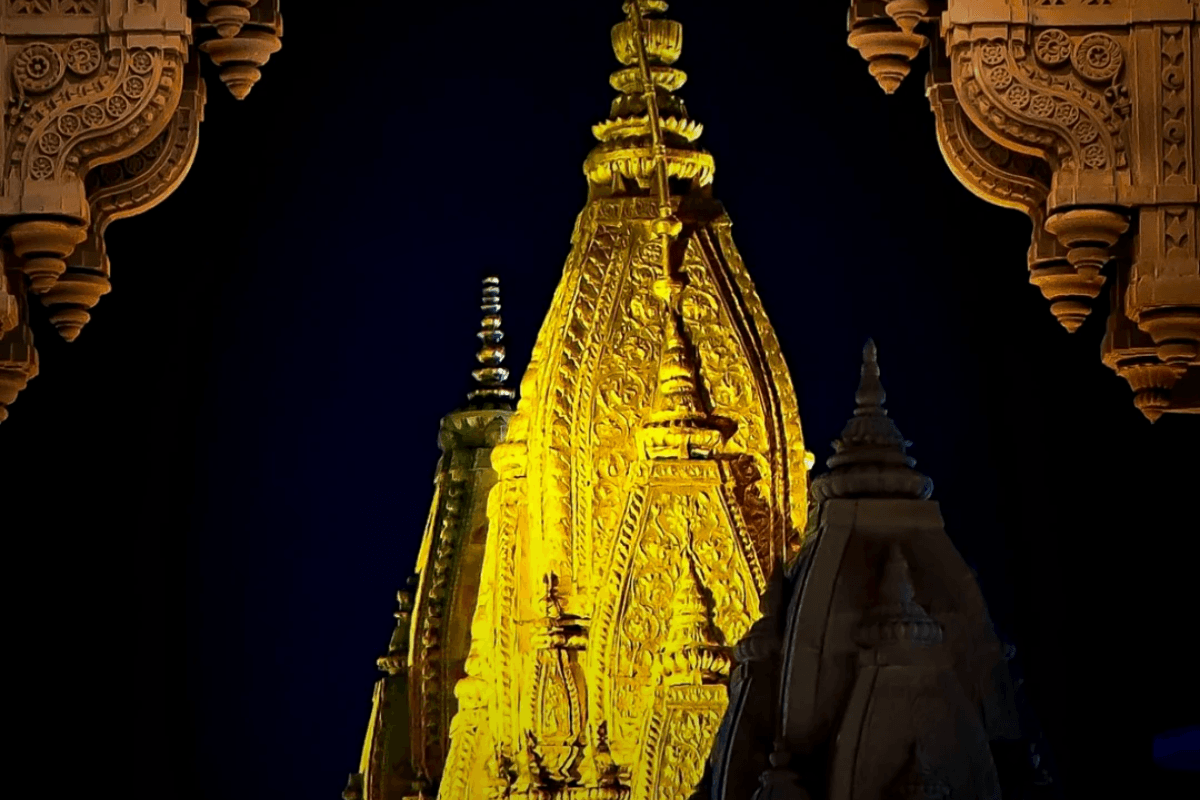
The Kamakhya temple is a compact Devi shrine in the quiet Banarasi style, set within the lanes of the old city rather than behind any imposing gateway. Its power lies not in scale but in the intimacy of the Mother's presence — the shrine is a working place of worship, sized for the small gatherings that come for darshan and for the disciplined observances of the Shakta tradition.
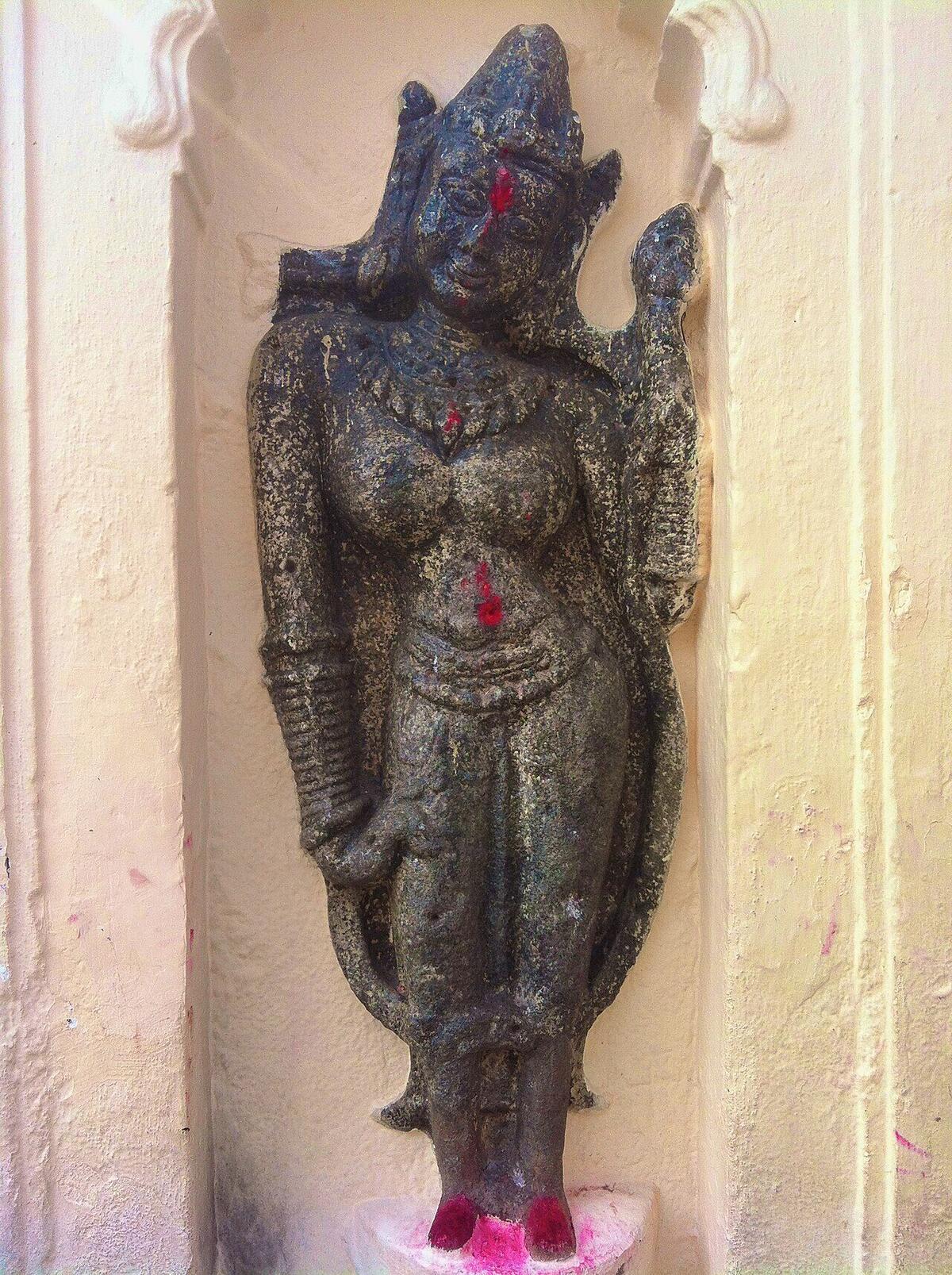
The sanctum holds the Devi in the aniconic form by which Kamakhya is honoured across her tradition, the symbol of the Mother as the source of all life, kept in keeping with the great Peetha at Nilachal. The murti is anointed with sindoor and dressed in red, and the small garbhagriha carries the warmth of long worship. The architectural restraint suits the contemplative, inward character of the Mother's devotion here.
Rituals & Practices
Worship at Kamakhya follows the loved rhythm of Shakta Devi puja, carried in the particular manner of the Kamakhya tradition. The Mother is awakened, bathed, anointed with sindoor, and adorned in red, and the day's offerings are placed before her with the recitation of the Devi's praises.
Offerings usually preferred at Kamakhya:
- Red flowers — especially hibiscus, dear to the Mother
- Sindoor — applied to the Devi and received back as prasad
- Red cloth — offered as arpana and returned as a blessing
- A clearly held sankalp — the wish brought sincerely before the Mother
Devotees commonly recite the Durga Saptashati, the Lalita Sahasranama, or stotras particular to Kamakhya. Those who have taken up the deeper Shakta sadhana observe bija-mantra japa under the guidance of a guru, with the disciplined offerings their practice asks of them.
The Ambubachi observance — kept at Nilachal during Ashadha (June–July) to honour the Mother's annual cycle as the renewal of the earth's fertility — is marked at the Kashi shrine in a contained form, with the sanctum closed for darshan through the four days in keeping with the tradition, reopening with special puja. Specific timings may vary; pilgrims are encouraged to verify with the temple before a visit.
Festivals & Celebrations
| Festival | When | Crowd |
|---|---|---|
| Sharad Navratri | — | Very high |
| Chaitra Navratri | — | High |
| Ambubachi | — | High (distinctive observance) |
| Friday Devi worship | — | Moderate |
Sharad Navratri: Tradition holds that the Mother's grace is most accessible during Navratri, when Shakti is most actively worshipped across the land. At Kamakhya the observances of the Shakta tradition are kept most fully through these nights.
Chaitra Navratri: Held as a time of renewal, when the Mother is approached for the wishes carried into the new year.
Ambubachi: Ambubachi binds the Banaras shrine to the great eastern Peetha. For Kamakhya devotees of North India, the Kashi observance is the local way of keeping the festival.
Friday Devi worship: The weekly devotional rhythm of the shrine is built around Friday worship of the Devi.
Prepare for Your Visit
Practical guidance to help you plan your pilgrimage
| Pilgrim Guidance | How to reachThe Kamakhya Temple lies within the lanes of the old city. Devotees usually come by auto-rickshaw to the nearest lane entrance and walk the short distance through the galis. The darshan is best made within the wider Devi circuit of Kashi — alongside Vishalakshi near Meer Ghat, Annapurna beside Vishwanath, and Durga in the south — so the Mother is honoured in her several forms in one unhurried round. Preparation for Pilgrims
Best Time to VisitNavratri — both Sharad (September–October) and Chaitra (March–April) — is the principal annual occasion, when the Mother's worship is most fully kept. Ambubachi (June–July) carries the distinctive Kamakhya observance, the shrine following the four-day closure of the Nilachal tradition. Friday is held to be the Mother's particular day. For quieter darshan, early mornings on ordinary weekdays are ideal; October to March is the most comfortable window for pilgrimage overall. |
Location
Varanasi, UP
Pilgrim photos
No pilgrim photos yet.
Community corrections
No corrections yet.
Edit history
No revisions yet.
Plan Your Visit to Kamakhya Temple, Varanasi
Get a custom itinerary and pricing for your trip.
Recommended
Packages for this destination
Pilgrim Notes
On-ground observations from fellow pilgrims
No pilgrim notes yet. Be the first to share on-ground observations!
Sign in to share a note.
Pilgrim Reviews
Be the first to share your experience at Kamakhya Temple, Varanasi.
Sign in to write a review.
Nearby sacred places
Discover other sacred places near Kamakhya Temple, Varanasi
Explore temples, tirthas, and pilgrimage sites in UP
Explore nearbyPart of these circuits
Walk the traditional pilgrimage routes this destination belongs to.