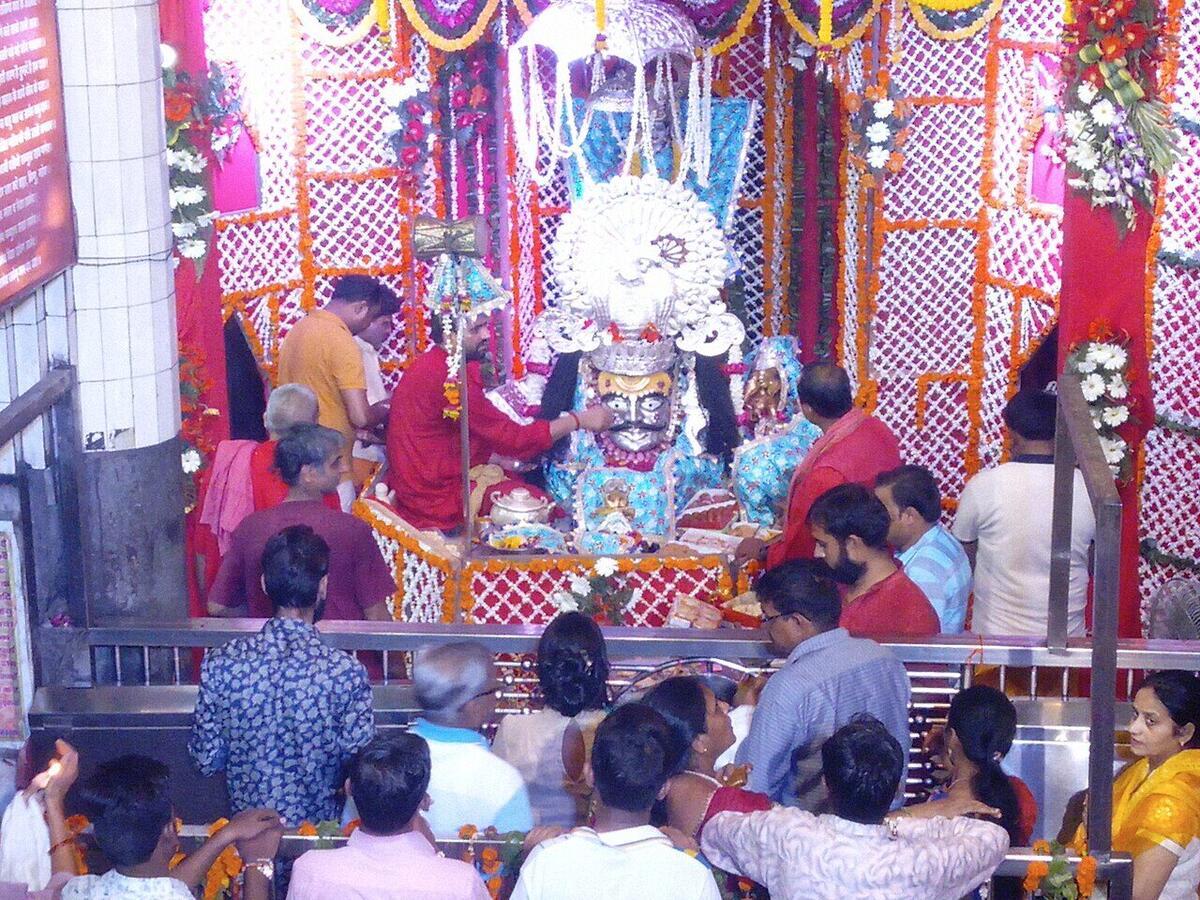
Prayagraj is Tirtharaj — the king of tirthas — and Mankameshwar is its principal manokamna shrine of Shiva. The tradition around the temple joins two of the city's deepest currents: the purifying bath at the confluence, and the spoken wish before Shiva. A sankalp made here after the Sangam snan is held by tradition to carry particular weight, which is why the temple's crowds swell in step with the bathing calendar — Mondays, Shivratri, the month of Shravan, and above all the Magh Mela and Kumbh. The shrine's legend ties it to the Ramayana's exile years: Sita, having bathed at the confluence on the way to Chitrakoot, wished to worship Shiva before going on — and the shivling worshipped here is held to have been installed by Ram for that worship. For pilgrims retracing the exile route through Prayagraj toward Chitrakoot, Mankameshwar is therefore a station on the story itself, not only a city temple. As everywhere in Shaiva tradition, what is asked for matters less than how it is asked: the manokamna is spoken once, quietly, with the abhishek — and carried home as a discipline, not a transaction.
History
Architecture
Rituals & Practices
Devotional practice at Mankameshwar is built around the manokamna pattern:
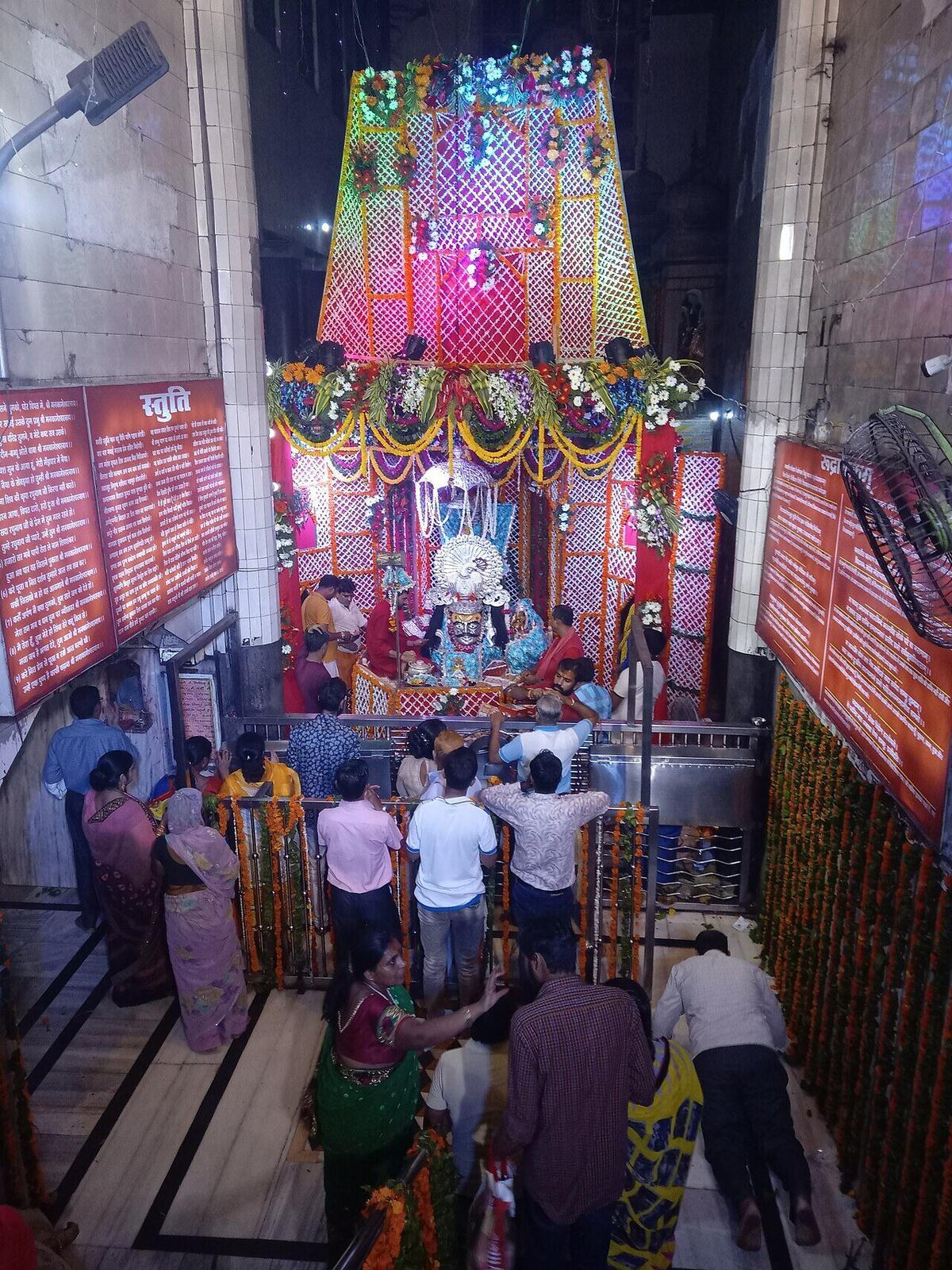
- The pilgrim arrives, leaves footwear at the entrance, and approaches the lingam
- A sankalp is articulated — silently or aloud — naming the manokamna
- Bilva patra and Ganga-jal are passed to the priest, who performs the abhishek with the pilgrim's name and sankalp included in the recitation
- The pilgrim sits in the mandapa for as long as feels right — many remain for a considerable time
- Prasad — vibhuti and a small portion of the offered bilva — is received in both hands
- The pilgrim departs, leaving the sankalp now lodged at the shrine
For a sponsored Rudrabhishek — the fuller form of the abhishek with mantra recitation — arrangement is made with the priests at the entrance, and the cost is modest. The full Rudrabhishek takes about thirty to forty-five minutes and is held to carry particular weight when accompanied by a specific manokamna sankalp. Devotees also seek Mahamrityunjaya japa here, especially in times of illness or danger.
The thanksgiving abhishek — performed by devotees whose wishes have been granted — follows the same outward form but with a sankalp of gratitude rather than petition, and the distribution of prasad to other pilgrims is part of it.
Specific timings may vary; pilgrims are encouraged to verify the current schedule with the temple authorities before a visit.
Festivals & Celebrations
| Festival | When | Crowd |
|---|---|---|
| Mahashivratri | — | Very high |
| Shravan (Sawan Month) | — | High â peaks on Mondays |
| Pradosh | — | Moderate to high |
| Mondays | — | High |
| Magh Mela & Kumbh | — | Highest of the year |
Mahashivratri: Mahashivratri at Mankameshwar carries particular weight for those whose manokamna has long remained unanswered. Tradition holds that the night-long worship deepens the shrine's wish-granting grace.
Shravan (Sawan Month): Tradition holds Shravan to be the most favourable month for Shaiva worship. Sawan Somvar at a manokamna-shrine joins two cherished traditions of granted prayer.
Pradosh: Pradosh kala is the recognised hour for serious sankalpa. The fortnightly observance is part of the shrine's regular rhythm and is well attended by pilgrims with particular wishes.
Mondays: Tradition holds Monday to be the day Shiva grants darshan most readily. Mondays at Mankameshwar sustain the shrine's continuous cycle of fresh manokamna and returning thanksgiving.
Magh Mela & Kumbh: The bath at the confluence and the spoken wish before Shiva are two of Prayag's deepest traditions, and the mela joins them: a sankalp made here after the snan is held to carry particular weight.
Prepare for Your Visit
Practical guidance to help you plan your pilgrimage
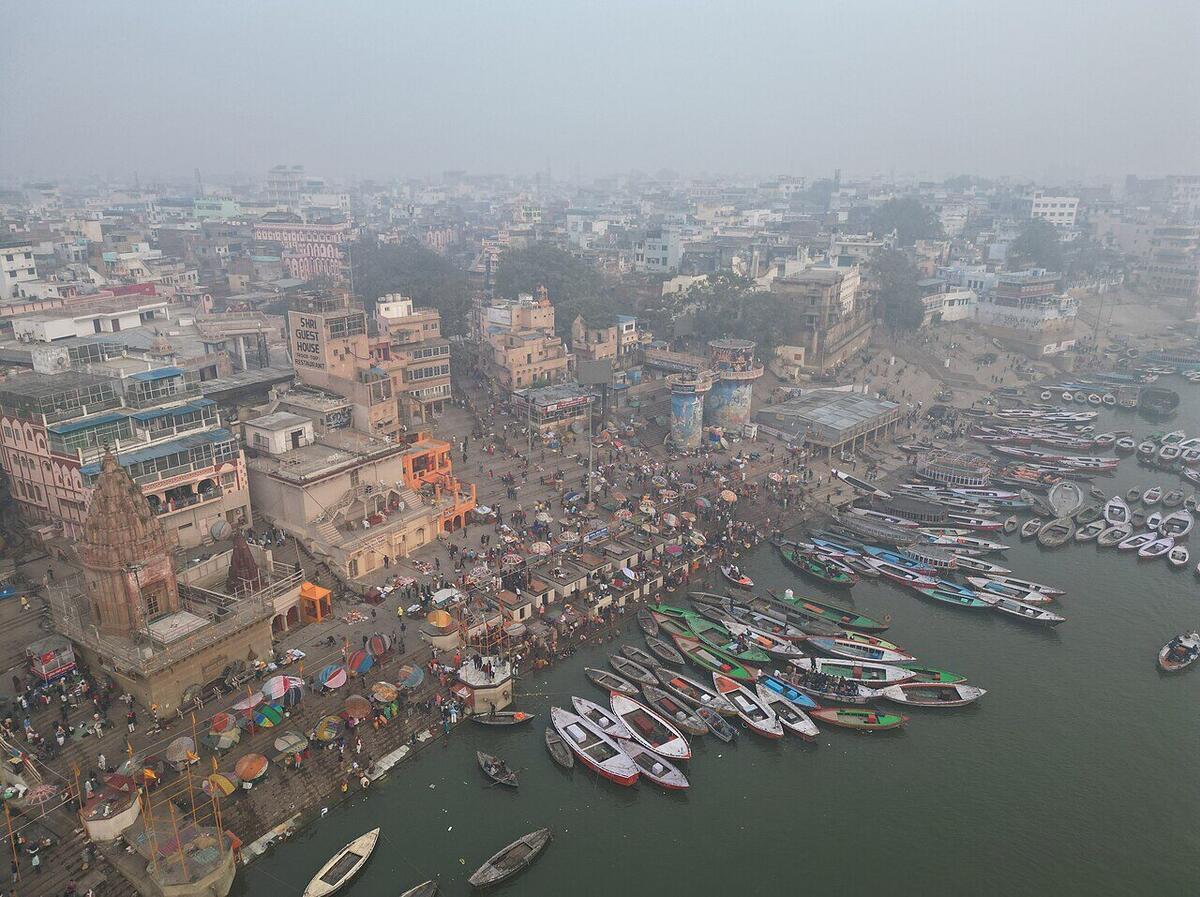
| Pilgrim Guidance | Reaching the temple: Mankameshwar stands on Fort Road in Kydganj, beside Saraswati Ghat on the Yamuna — about 6 km from Prayagraj Junction railway station, an easy auto or e-rickshaw ride via Civil Lines. It combines naturally with the Sangam, the Bade Hanuman temple and the fort area, all within a short distance along the river.
Timings: the temple opens early morning and closes around 10 pm, every day. The quietest darshan is early morning on a weekday; Mondays, Pradosh evenings and the whole of Shravan run far fuller, and on Mahashivratri the line lasts most of the night.
Best season: October to March is the comfortable season for Prayagraj generally. During the Magh Mela (January–February) and the Kumbh, the temple joins the mela's own rhythm — expect the largest crowds of the year immediately after the principal bathing days.
Bring what a Shiva darshan asks: bilva leaves, and Ganga- or Yamuna-jal if you wish the priest to offer abhishek. During Shravan Rudrabhishek the temple asks traditional dress — saree or suit for women, dhoti-kurta for men. Footwear is left at the entrance; the sanctum asks silence; the manokamna, by long custom, is spoken quietly and kept private. |
Location
Prayagraj, UP
Gallery
Pilgrim photos
No pilgrim photos yet.
Community corrections
No corrections yet.
Edit history
No revisions yet.
Plan Your Visit to Mankameshwar Temple
Get a custom itinerary and pricing for your trip.
Recommended
Packages for this destination
Pilgrim Notes
On-ground observations from fellow pilgrims
No pilgrim notes yet. Be the first to share on-ground observations!
Sign in to share a note.
Pilgrim Reviews
290 reviews
Be the first to share your experience at Mankameshwar Temple.
Sign in to write a review.
Nearby sacred places
Discover other sacred places near Mankameshwar Temple
Explore temples, tirthas, and pilgrimage sites in UP
Explore nearbyPart of these circuits
Walk the traditional pilgrimage routes this destination belongs to.