Nag Kuan — the well of the Nagas, known also as Naga Kupa and as Karkotak Nag Kuan — is among the most venerable of Kashi's ancient kunds. It is a sacred well-shrine of the Nagas, the serpent deities of Hindu tradition, and at its heart is Karkotaka Naga, counted among the great serpent lords. Set in the old Jaitpura quarter, away from the riverfront temples, Nag Kuan has preserved its serpent worship through many centuries.
For most devotees the year turns toward this shrine on Naga Panchami, the festival of the serpent deities in the bright fortnight of Shravan. On that day thousands of families gather at the kund with milk, flowers, and turmeric, and the lanes of Jaitpura fill with worshippers. Through the rest of the year the well-shrine is approached more quietly, by devotees offering reverence to the Nagas and by those who come carrying concerns that tradition associates with the serpent deities.
Katha and local belief
Banaras tradition holds Nag Kuan to be the place where the sage Patanjali — revered as the giver of the Yoga Sutras and the Mahabhashya — dwelt and performed his austerities. Tradition further holds Patanjali to be an incarnation of Shesha, the great serpent on whom Vishnu rests, and so the shrine is understood to join the worship of the Nagas with the memory of one of the highest sages of the tradition. Devotees hold that Patanjali taught here, and the site is remembered with reverence by those whose practice rests on his teaching.
Bound up with the same Naga Panchami tradition is the akhara, the old wrestling culture of Banaras. By long custom a dangal — a wrestling contest of the akharas — is held at Nag Kuan on Naga Panchami, joining the strength and discipline of the pehlwans to the day's worship of the serpent deities. The gathering of wrestlers and devotees together gives the festival at Nag Kuan its distinctive character within the city.
Nag Kuan belongs to the strand of Hindu devotion centred on the Nagas, the serpent deities whose place in the cosmic order is held to touch human wellbeing at many levels. In the worship of Kashi the Nagas are honoured as guardians of the waters and of hidden treasure, as powers of fertility and the earth, and the well-shrine of Karkotaka stands among the principal seats of this worship in the city.
Devotees come to Nag Kuan above all to offer reverence to the serpent deities — most fully on Naga Panchami, when milk, flowers, and turmeric are offered with prayer. Many also come carrying concerns that tradition links to the Nagas. In traditional understanding, certain afflictions of the horoscope are spoken of as sarpa-dosha, associated with the influence of Rahu and Ketu, the lunar nodes; devotees hold that reverent worship of the Nagas, performed under proper guidance, brings shanti and relief. Families troubled by such concerns, or seeking the blessing of progeny, have long counted Nag Kuan among the shrines to which they turn.
The well-shrine carries two devotional moods at once. There is the festive, family-centred worship of the Nagas, accessible to all and most alive on Naga Panchami; and there is the quieter, contemplative reverence drawn from the Patanjali tradition, which honours the sage and the discipline of yoga. Both are held together at the kund, and devotees come for one, the other, or both.
History
Nag Kuan is among the oldest sacred sites of Kashi, and its worship of the Nagas reaches deep into the city's sacred memory. It is counted among the Naga-tirthas praised in the older tradition of Kashi, and the bond of the site with the serpent deities — and with the memory of Patanjali — has been carried within the city's spiritual geography across many generations.
The kund and adjoining shrine in their present form reflect the long care given to Kashi's sacred sites in and after the eighteenth century, the period in which much of the city's temple and kund fabric was renewed. Through every change of fortune in the city, the worship of the Nagas at this well continued without break, and the structure has been maintained in living use since.
To this day Nag Kuan draws its own particular pilgrimage. On Naga Panchami it becomes one of the most active shrines in the city, the lanes of Jaitpura crowded with families bringing milk for the serpent deities and with the akhara wrestlers gathering for the day's dangal — a continuity of worship and of local custom held unbroken across the years.
Architecture
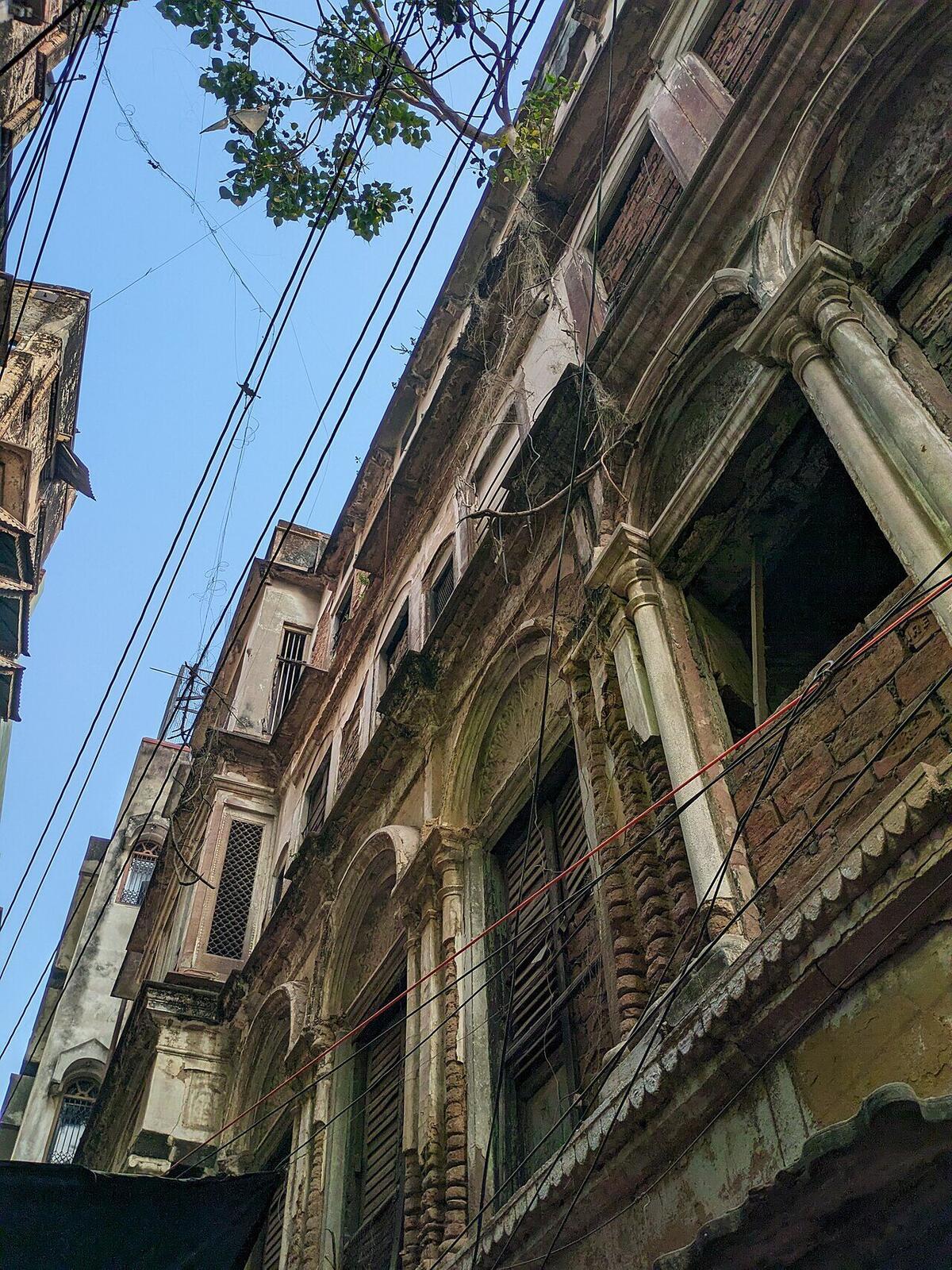
Nag Kuan is built in the form of a stepped sacred tank — a well descending in tiers to its central water — with an adjoining shrine, the standard pattern of the old Banarasi kund-shrines. The walls around the kund hold small niche-shrines, among them images of Karkotaka Naga and the other serpent deities, before which the day's offerings are made.
The adjoining sanctum is compact and houses the principal murti of Karkotaka Naga in traditional form, the serpent hood raised above. A small separate shrine within the wider compound preserves the memory of Patanjali.
The architecture is restrained and unadorned. Its dignity lies not in scale but in age and in purpose — in the kund itself, in the unbroken worship of the Nagas, and in the reverence for Patanjali that the site has carried for so long.
Rituals & Practices
Worship at Nag Kuan takes several familiar forms. Timings and arrangements may change, so pilgrims are encouraged to verify current details with the temple before a visit, but the devotional pattern is well established.
- Milk and flower offering to the Nagas — the central traditional offering at the serpent-shrine niches, made most fully on Naga Panchami with milk, turmeric, and red flowers.
- Sarpa-dosha shanti — reverent worship for relief from horoscope afflictions associated with the Nagas, performed under the guidance of a pandit experienced in the tradition.
- Sankalp at the kund — ritual resolve and offering for general Naga-related blessings.
- Reverence to Patanjali — at the small Patanjali shrine, for those whose practice rests on the Yoga Sutras.
For the more formal shanti observances, families usually arrange in advance with a Banarasi pandit who guides the offerings, mantras, and sequence; birth details are brought for the sankalp, and more than one visit is sometimes appropriate. For general Naga Panchami worship, families arrive on the day with milk and the customary offerings, and the temple priests guide the simpler pattern of worship at the serpent-shrine.
Festivals & Celebrations
| Festival | When | Crowd |
|---|---|---|
| Naga Panchami | — | Extremely high |
| Sarpa-dosha shanti periods | — | Variable |
| Patanjali commemoration | — | Small (yogic practitioners) |
Naga Panchami: Tradition holds Naga Panchami at Nag Kuan to be among the foremost observances of Naga worship in North India. The gathering of devotees and akhara wrestlers together gives the festival here its distinctive character within Kashi.
Sarpa-dosha shanti periods: Devotees hold Nag Kuan among the shrines to which they turn for sarpa-dosha shanti. A continuing lineage of pandits familiar with the tradition guides the worship.
Patanjali commemoration: Tradition holds the sage Patanjali to have dwelt here, and for practitioners in his lineage Nag Kuan is a place of reverence, kept quietly in keeping with his character.
Prepare for Your Visit
Practical guidance to help you plan your pilgrimage
| Pilgrim Guidance | How to reachNag Kuan lies in the Jaitpura quarter of Varanasi's old city, away from the ghats. Auto-rickshaws drop pilgrims at the nearest accessible lane; from there it is a short walk of a few minutes through the lanes to the kund. On Naga Panchami the approach is busy, and pilgrims should allow extra time. Preparation for Pilgrims
Best Time to VisitNaga Panchami (Shravan Shukla Panchami, July-August) is the principal annual observance and brings the largest gathering of the year, together with the akhara dangal. For a quieter darshan, October to March is the most comfortable window; for shanti observances, schedule with the pandit. |
Location
Varanasi, UP
Pilgrim photos
No pilgrim photos yet.
Community corrections
No corrections yet.
Edit history
No revisions yet.
Plan Your Visit to Nag Kuan Temple
Get a custom itinerary and pricing for your trip.
Recommended
Packages for this destination

Pilgrim Notes
On-ground observations from fellow pilgrims
No pilgrim notes yet. Be the first to share on-ground observations!
Sign in to share a note.
Pilgrim Reviews
Be the first to share your experience at Nag Kuan Temple.
Sign in to write a review.
Nearby sacred places
Discover other sacred places near Nag Kuan Temple
Explore temples, tirthas, and pilgrimage sites in UP
Explore nearbyPart of these circuits
Walk the traditional pilgrimage routes this destination belongs to.