Naimisharanya is the puranbhumi — the land of the Puranas. Tradition holds that in this forest, between two Vedic ages, the eighty-eight thousand rishis assembled around Suta Ji (the disciple of Vyasa) to hear the eighteen Mahapuranas. The narration is said to have continued for many years, and the forest of Naimisha is the place where the foundational texts of Sanatan Dharma were transmitted in their living form.
The tirtha centres on the Chakra Tirtha — a sacred kund where Vishnu's Sudarshan Chakra is said to have fallen and consecrated the forest. Lalita Devi Mandir — one of the 51 Shakti Peethas (the heart of Sati fell here) — is the most beloved Devi shrine. Dadhichi Kund, where Sage Dadhichi gave his bones for the making of Indra's vajra, is also revered. Smaller shrines along the Gomati include Hanuman Garhi, Suta Gaddi (Suta Ji's seat), and Pancha Pandava Mandir.
Katha and local belief
The Bhagavata Purana opens at Naimisharanya — Suta Ji begins his narration to the rishis here. The Mahabharata also places many sage-dialogues in this forest. Tradition holds that one circumambulation of the 84-kos Chakra Tirtha parikrama confers the merit of all the puranas. Many pilgrims do the smaller inner parikrama in a single day, the larger ones over several.
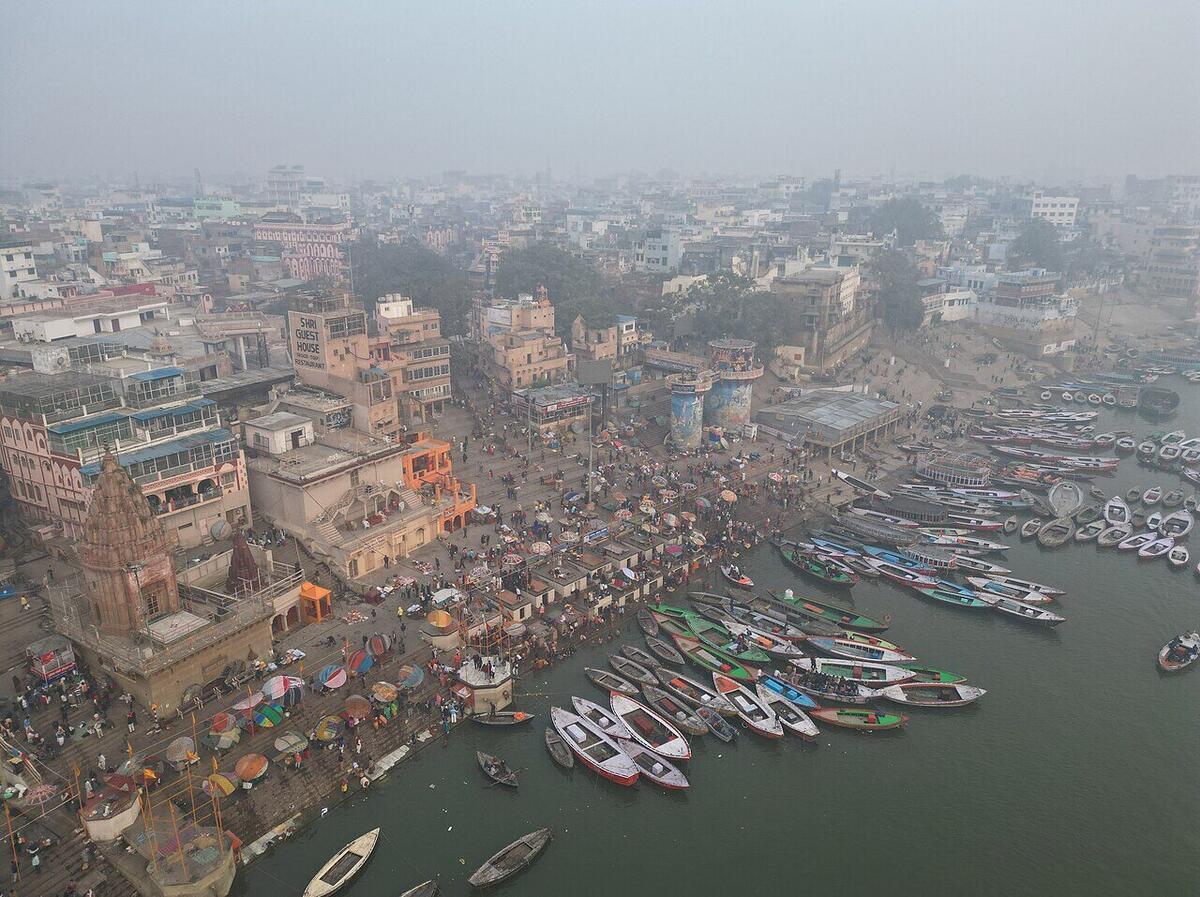
Naimisharanya is among the most ancient pilgrim centres of Hindu tradition. The Puranas themselves name the forest as their seat of narration. Adi Shankaracharya visited and praised Naimisha. The Lalita Devi Shakti Peetha is held by tradition to be one of the 51 Shakti Peethas — the place where Sati's heart fell. To bathe at the Chakra Tirtha and have darshan at the Devi is held to be a complete forest yatra.
History
Naimisharanya's sacred history is most ancient. Modern pilgrim infrastructure dates from the medieval period under the patronage of the Naimisharanya Devasthana Trust and various Vaishnava-Shakta sampradayas. The Chakra Tirtha is enclosed in a stone-paved tank with steps and small shrines; the Lalita Devi Mandir is a modest stone shrine with vermillion-streaked walls.
Architecture
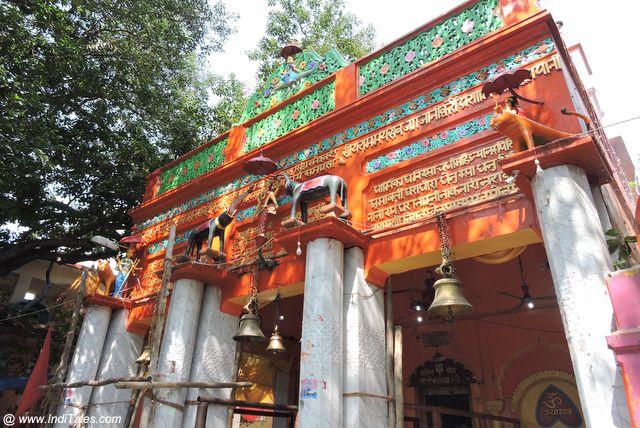
The Lalita Devi Mandir is a small stone shrine in regional Awadhi style. The Chakra Tirtha is a large kund (sacred water-tank) with stone-paved steps and small subsidiary shrines. The wider forest contains many smaller shrines, ashrams, and the Vyasa Gaddi where the rishi-sage tradition is honoured.
Rituals & Practices
The Lalita Devi Mandir conducts the usual twice-daily aarti — morning and evening. The Chakra Tirtha is open for snan and tarpan through the daylight hours. Verify exact aarti timings on the day of darshan.
The traditional sequence is: snan at the Chakra Tirtha, darshan at Lalita Devi, Dadhichi Kund, Suta Gaddi, and Hanuman Garhi. Pilgrims doing the 84-kos parikrama allocate 3-5 days; the inner parikrama is one day.
Festivals & Celebrations
| Festival | When | Crowd |
|---|---|---|
| Navaratri (Chaitra & Sharad) | — | very_high |
| Kartik Purnima | — | very_high |
| Falgun Phulera Dooj | — | high |
| 84-kos Parikrama | — | moderate |
Navaratri (Chaitra & Sharad): Honours Lalita Devi as one of the 51 Shakti Peethas.
Kartik Purnima: Honours the chakra of Vishnu that sanctified the forest.
Falgun Phulera Dooj: Honours Devi in her spring form.
84-kos Parikrama: The deepest yatra of the Naimisha tradition.
Prepare for Your Visit
Practical guidance to help you plan your pilgrimage
| Pilgrim Guidance | How to reach NaimisharanyaThe nearest major railhead is Sitapur (50 km, 1 hour) on the Lucknow-Sitapur-Lakhimpur line. The nearest airport is Lucknow (90 km, 2 hours by road). Many pilgrims combine Naimisharanya with Lucknow city sightseeing and as part of a wider Ram-vanvas or Saket-Kashi yatra. Preparation for pilgrimsNaimisharanya is a small forest town. Basic-to-comfortable accommodation is available at trust dharamshalas and a few hotels. Carry comfortable walking shoes and modest clothes. Vegetarian food is the tradition. Best time to visitOctober to March is the most pleasant weather. Navaratri (twice a year) and Falgun Phulera Dooj draw pilgrims for special darshan at Lalita Devi. The Chakra Tirtha snan on Kartik Purnima is also major. |
Location
Sitapur, UP
Pilgrim photos
No pilgrim photos yet.
Community corrections
No corrections yet.
Edit history
No revisions yet.
Plan Your Visit to Naimisharanya
Get a custom itinerary and pricing for your trip.
Recommended
Packages for this destination
Pilgrim Notes
On-ground observations from fellow pilgrims
No pilgrim notes yet. Be the first to share on-ground observations!
Sign in to share a note.
Pilgrim Reviews
Be the first to share your experience at Naimisharanya.
Sign in to write a review.
Nearby sacred places
Discover other sacred places near Naimisharanya
Explore temples, tirthas, and pilgrimage sites in UP
Explore nearbyPart of these circuits
Walk the traditional pilgrimage routes this destination belongs to.