Pishach Mochan is among Kashi's most cherished tirthas for the welfare of the departed. It is a sacred kund (Pishach Mochan Kund) and an adjoining Shiva shrine, approached by families who come to offer pind-daan and tarpana for their ancestors, and above all to perform Tripindi Shraddha — the rite by which souls are released into peace and carried toward the liberation that Kashi is held to bestow.
In the sacred geography of Kashi, ordinary shraddha and tarpana — offered at the ghats or at Gaya — honour ancestors whose passage was complete. Tradition holds that for departed souls whose rites remained unfinished, whose passing was untimely, or whose memory still seeks peace, the Tripindi Shraddha performed at Pishach Mochan offers a fuller release. Devotees hold this to be the place in Kashi where the bonds that keep a soul restless are loosened, and the departed are guided toward mukti.
This is a tirtha of grief carried into devotion. Families arrive bearing the memory of those they have lost, and leave having performed, on sacred Kashi soil, the most caring act a living person can offer the dead. It is approached with seriousness and reverence, never as a curiosity.
Katha and local belief
It is said in Banaras that the sanctity of Pishach Mochan was revealed when a devoted son, grieving for a father whose rites could not bring him peace, sought the counsel of a Kashi acharya. The acharya understood that the standard shraddha had not reached the departed, and guided the son to this kund and to the Tripindi rite. Tradition holds that the soul received mukti, and from that day the place became known as Pishach Mochan — the tirtha that loosens what holds the departed. Across generations, Banarasi families have brought their ancestors here, and the kund has gathered its quiet reputation as a ground of ancestral peace.
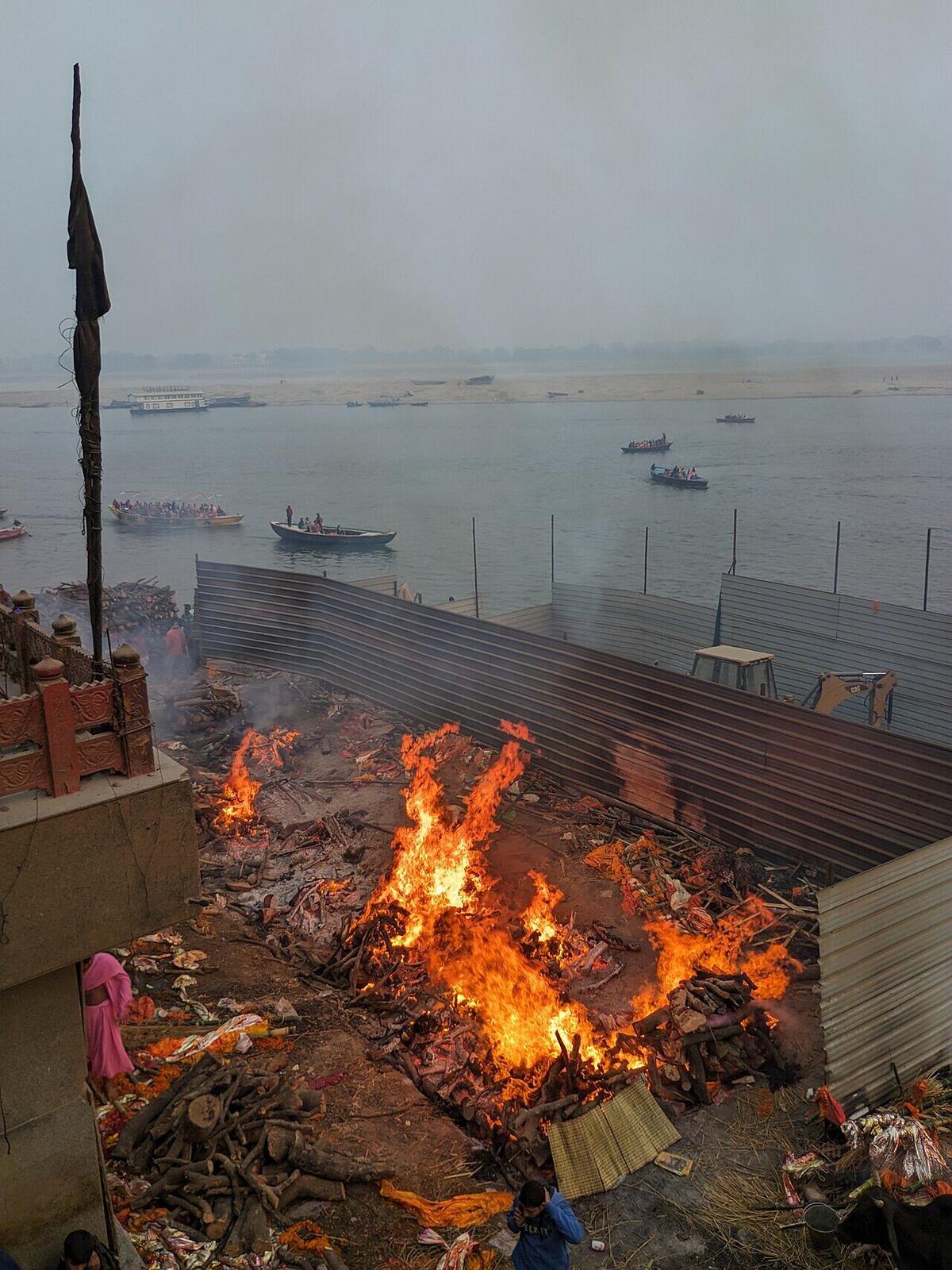
Pishach Mochan stands within Kashi's deepest tradition — that the city is a moksha-puri, a place where Shiva's grace carries the departed beyond the cycle of rebirth. The shraddha and pind-daan offered here are understood not as mere remembrance, but as acts that reach the ancestors themselves, offering them nourishment, peace, and release.
The rite most associated with the tirtha is Tripindi Shraddha. Tradition holds that some souls — those whose passing was untimely, whose final rites were left incomplete, or whose memory still seeks rest — are not settled by ordinary annual shraddha. The Tripindi Shraddha gathers three generations of such ancestors into a single offering and, performed within the sacred ambit of Kashi, is held to grant them the peace (pitra-shanti) and liberating grace they await. Devotees hold Pishach Mochan to be the foremost ground in Kashi for this rite.
What the tradition offers the living is equally important:
- A recognised place to perform Tripindi Shraddha and pind-daan for ancestors, distinct from the annual shraddha of the home
- The guidance of acharyas whose families have carried the rite across generations
- The sanctity of Kashi itself, which tradition holds completes the release of the departed
- A devotional path for grief — a way to act on love for the dead, and to find peace in having acted
Approach and reverence
Pishach Mochan is approached with gravity rather than curiosity. Most who come have lost someone, and the rites they perform are love and grief carried into devotion. Visitors who come without a rite of their own may offer respectful pranam at the shrine and the kund, but should never treat the place as a sightseeing stop. The acharyas who guide families through the shraddha carry an inherited and demanding tradition, and conduct it with corresponding dignity.
History
Pishach Mochan is named in older Banarasi devotional records as a tirtha within Kashi's wider geography of shraddha and pind-daan. Its precise founding is not preserved, but the continuity of the tradition is attested across many centuries through the acharya families who have maintained the rites of Tripindi Shraddha here.
The kund follows the long Banarasi pattern of the sacred tank — a stepped pool surrounded by stone steps and small niche-shrines. Like most of Kashi's surviving kunds, the present structure belongs largely to the eighteenth-century period of Maratha rebuilding, when many of the city's sacred tanks and shrines were restored. The adjoining shrine, dedicated to Shiva in his liberating aspect, has been maintained in worship without interruption.
Through the modern period the tirtha has kept its devotional character intact. It remains a place of need rather than tourism, drawing families who come to perform shraddha for their ancestors. Its preservation owes much to the Banarasi acharyas whose lineages have carried forward the specific ritual sequences and the careful, compassionate framing the work asks for.
Architecture
Pishach Mochan consists of a stepped sacred kund and an adjoining Shiva shrine. The kund follows the standard Banarasi sacred-tank form — a rectangular tank set below ground level, with broad stone steps descending in tiers to the central water. The surrounding walls hold small niche-shrines: some to forms of Shiva associated with liberation, some to attendant deities, and some marking the tirtha itself.
The adjoining shrine is a compact sanctum in the plain Banarasi Shaiva style, holding a Shiva linga. It serves as the ritual centre for the abhishek that forms part of the shraddha sequence. Shrine and kund function together as a single ritual whole, the offerings moving between water and linga.
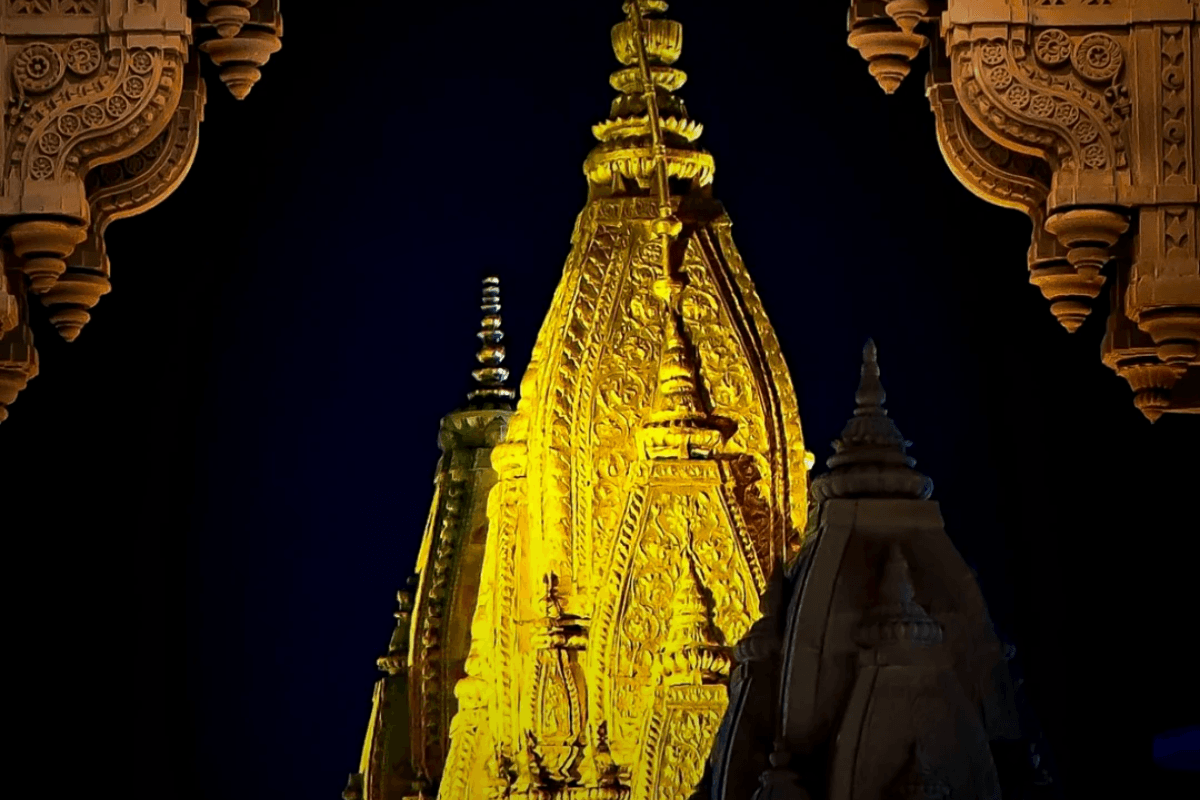
The setting is restrained and contemplative, with no large architectural flourishes. The character of the tirtha lies in its devotional purpose rather than its appearance, and the architecture is fittingly understated — a quiet ground for a solemn and tender work.
Rituals & Practices
The principal observance at Pishach Mochan is Tripindi Shraddha, performed together with pind-daan and tarpana for the ancestors. The full sequence is undertaken under the guidance of an acharya and customarily includes:
- A purifying snana in the kund before the rite
- The sankalp, in which the names, lineage, and relationship of the departed are declared
- Tarpana with til (sesame), water, kusha grass, and the prescribed offerings, made at the kund's edge
- The offering of pinda — the rice-balls of pind-daan — for the departed ancestors
- Abhishek of the Shiva linga in the adjoining shrine, with the ancestors remembered in the recitation
- Recitation of the mantras of the shraddha tradition, drawn from the Garuda Purana and related texts on the welfare of the departed
- Dakshina to the acharyas and dana to those in need, completing the merit of the rite
The Tripindi Shraddha takes several hours and, for some families, extends across more than one sitting. Many come to Kashi for a stay of several days specifically to perform it. Exact timings and arrangements should be verified in advance with a Banarasi acharya experienced in the rite.
For those who wish only to honour their ancestors in a general way, ordinary tarpana may be offered here or at any of the Kashi ghats. For the Tripindi Shraddha and pind-daan that the tirtha is known for, the guidance of the acharyas at this site is essential.
Festivals & Celebrations
| Festival | When | Crowd |
|---|---|---|
| Pitru Paksha | — | Extremely high |
| Mahalaya Amavasya | — | Extremely high |
| Ashlesha and Magha Nakshatra days | — | Moderate |
| Annual shraddha tithi | — | Variable |
Pitru Paksha: Pitru Paksha at Pishach Mochan is held to carry particular grace for ancestors whose rites remained incomplete or whose peace was unsettled. Families come to Kashi specifically for this fortnight to offer their departed the fuller release the tradition promises.
Mahalaya Amavasya: Mahalaya is held to be the day when the bond between the living and the ancestors is most open. For Tripindi Shraddha and the release of the departed, tradition regards it as the most powerful day in the calendar.
Ashlesha and Magha Nakshatra days: Tradition recognises particular nakshatras as well suited to shraddha outside the main Pitru Paksha fortnight. The acharyas can advise on the days appropriate to a family's rite.
Annual shraddha tithi: The annual return is part of the lasting bond the tradition honours between a family and its departed. The relationship of remembrance and offering is held to continue across the years, renewed at each observance.
Temple Details
| Timings | note: During Pitru Paksha the kund is at its busiest from early morning; timings can change on festival and shraddha days â confirm locally. evening: 4:00 PM â 9:00 PM morning: 4:00 AM â 12:00 PM |
| Pooja Services | Tripindi Shraddha â ancestral rite for souls of those who died untimely or whose shraddha lapsed; performed at the kund with three clay pots invoking Brahma, Vishnu and ShivaPitru Paksha shraddha and pind-daan rites at Vimal Kund |
| Entry Fee | Free entry · no fee to enter the kund complex; Tripindi Shraddha rites are arranged separately with priests |
Prepare for Your Visit
Practical guidance to help you plan your pilgrimage
| Rules & Restrictions |
|
| Best Time to Visit | October to March for comfortable weather; Pitru Paksha is the ritual high point, when the kund draws its largest gatherings of shraddha performers. |
| How to Reach | by road: Easily approachable by road â auto-rickshaws reach it from anywhere in the city location: Pishach Mochan Kund (Vimal Kund), Chetganj area, near the Lahurabir crossing in central Varanasi |
| Pilgrim Guidance | How to reachPishach Mochan lies in the locality of the same name in Varanasi, reached by auto-rickshaw from anywhere in the city in roughly 20–30 minutes. The kund and shrine are away from the riverfront, in a quieter neighbourhood set apart from the main pilgrim circuits — a setting that suits the solemn work performed here. Preparation for Pilgrims
Best Time to VisitPitru Paksha — the fortnight set aside for the ancestors, falling in September–October — is the most significant time for shraddha at Pishach Mochan, and the kund is at its busiest then. Mahalaya Amavasya, the new moon that closes Pitru Paksha, is held to be the most charged day of the year for ancestral rites. Outside Pitru Paksha the rite can be arranged more quietly and may be performed at any time of year; the acharya can advise on auspicious days for a particular family. |
| Pilgrim Tips |
|
Location
Varanasi, UP
Pilgrim photos
No pilgrim photos yet.
Community corrections
No corrections yet.
Edit history
No revisions yet.
Plan Your Visit to Pishach Mochan Temple
Get a custom itinerary and pricing for your trip.
Recommended
Packages for this destination
Pilgrim Notes
On-ground observations from fellow pilgrims
No pilgrim notes yet. Be the first to share on-ground observations!
Sign in to share a note.
Pilgrim Reviews
Be the first to share your experience at Pishach Mochan Temple.
Sign in to write a review.
Nearby sacred places
Discover other sacred places near Pishach Mochan Temple
Explore temples, tirthas, and pilgrimage sites in UP
Explore nearbyPart of these circuits
Walk the traditional pilgrimage routes this destination belongs to.