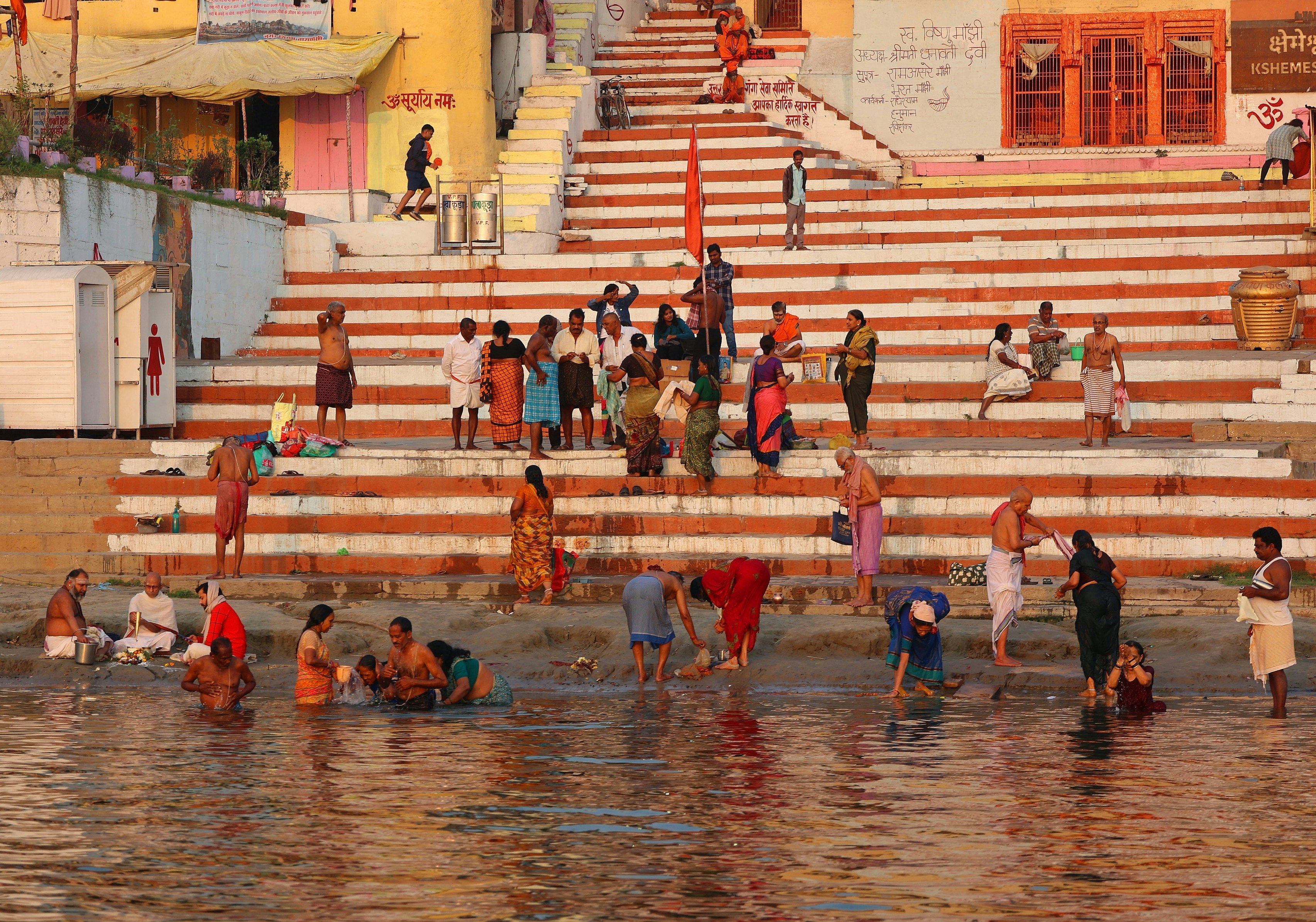
Overview: Why Timing Your Varanasi Visit Matters
Varanasi — Kashi, the City of Light — is one of the oldest continuously inhabited cities on Earth and the spiritual heart of Hinduism. Millions of pilgrims, sadhus, and travellers descend on its ghats each year to witness the eternal cycle of life and death along the Ganges. But the experience you have here depends enormously on when you arrive.
Visit during the searing heat of May and you will find yourself retreating indoors by mid-morning. Arrive during Dev Deepawali in November and you will witness one of the most extraordinary spectacles in all of India — thousands of oil lamps floating down the river beneath a sky lit with fireworks. The difference between a good Varanasi trip and a transformative one often comes down to the month you choose.
This guide breaks down every month of the year, maps the major festivals to their dates, and helps you decide exactly when to book your pilgrimage based on your priorities — whether that is photography, spiritual immersion, budget savings, or simply comfortable weather.
"Varanasi is older than history, older than tradition, older even than legend, and looks twice as old as all of them put together."
— Mark Twain
Month-by-Month Weather & Crowd Breakdown
The table below gives you a quick snapshot. Scroll past it for detailed notes on each season.
| Month | Temp Range | Rainfall | Crowd Level | Rating |
|---|---|---|---|---|
| January | 5 - 23 °C | 13 mm | High | ★★★★ |
| February | 8 - 27 °C | 11 mm | High | ★★★★★ |
| March | 13 - 33 °C | 7 mm | High (Holi) | ★★★★★ |
| April | 21 - 39 °C | 5 mm | Low | ★★ |
| May | 26 - 42 °C | 8 mm | Very Low | ★ |
| June | 27 - 41 °C | 80 mm | Very Low | ★ |
| July | 26 - 35 °C | 290 mm | Low | ★★ |
| August | 25 - 34 °C | 260 mm | Low | ★★ |
| September | 24 - 34 °C | 200 mm | Medium | ★★★ |
| October | 19 - 34 °C | 30 mm | Medium | ★★★★ |
| November | 12 - 30 °C | 5 mm | Very High (Dev Deepawali) | ★★★★★ |
| December | 7 - 24 °C | 3 mm | High | ★★★★ |
Peak Season: October to March
This is the window most travellers and pilgrims target, and for good reason. Daytime temperatures hover between a pleasant 20 - 30 °C for most of this stretch, rainfall is negligible, and the festival calendar is packed. The Ganges is calm and at a manageable level, making boat rides comfortable and the lower ghats accessible for walking.
October marks the transition out of monsoon. The air is fresh, the city has been washed clean, and the ghats begin filling up again. November is arguably the single best month thanks to Dev Deepawali (see Festival Calendar below). December and January bring crisp, cold mornings — expect fog that can delay trains and flights, but also some of the most atmospheric photography conditions you will find anywhere. February and March warm steadily and culminate in the riotous colour of Holi, typically falling in mid-March.
The trade-off during peak season is crowds. Hotel prices climb 30 - 50% above off-season rates, and popular ghats like Dashashwamedh can feel overwhelmingly packed during evening Ganga Aarti. Book accommodation at least four to six weeks in advance, especially around major festivals.
Summer: April to June
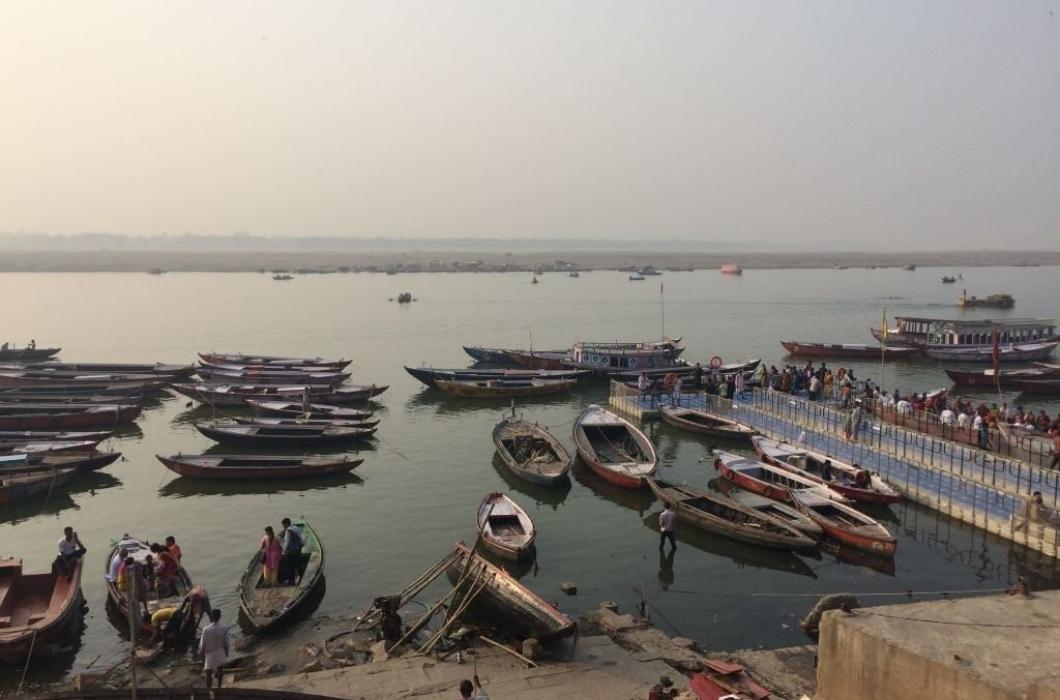
Varanasi summers are brutal. By mid-April, daytime temperatures regularly cross 40 °C, and May routinely touches 42 - 45 °C. The hot loo winds sweep across the Gangetic plain, and the city slows to a crawl. Many smaller guesthouses and restaurants near the ghats reduce hours or close temporarily.
That said, summer has a unique appeal for a specific type of traveller. Crowds vanish almost entirely. You can have entire ghats to yourself at sunrise. Hotel rates drop to their lowest, and you can negotiate significant discounts for longer stays. The spiritual rhythms of the city — the aarti, the chanting, the cremation fires — continue unbroken regardless of temperature. If you can tolerate the heat and plan your outdoor time for the early morning and late evening, summer offers raw, unfiltered Varanasi without the tourist veneer.
Ganga Dussehra typically falls in late May or early June, drawing devoted pilgrims even in the heat. It is one of the most spiritually significant bathing days of the year, when the Ganges is believed to have descended from heaven.
Monsoon: July to September
The monsoon transforms Varanasi. The Ganges swells dramatically, sometimes rising 10 - 15 metres above its dry-season level. Lower ghats disappear entirely underwater; boats dock at steps that are normally far above the waterline. The air is thick with humidity, and sudden downpours are a daily occurrence. Temperatures drop from summer extremes to a more bearable 30 - 35 °C, though the humidity makes it feel hotter.
Travel disruptions are common — flights get delayed, roads flood, and the narrow galis (lanes) of the old city become slippery. However, the monsoon Ganges has a power and grandeur that the dry-season river simply cannot match. The ghats take on an emerald-green hue, and the drama of thunderstorms rolling in over the river at sunset is unforgettable. Photographers willing to brave the conditions will find scenes unavailable at any other time of year.
September marks the tail end of monsoon and the beginning of festival season. Crowds start returning, and the weather begins to improve noticeably in the second half of the month.
Festival Calendar: When Varanasi Comes Alive
No other city in India celebrates as many festivals as Varanasi. Here are the major ones to plan around:
- Makar Sankranti (14 January) — Massive bathing festival marking the sun's northward journey. Thousands gather at the ghats before dawn for a holy dip. Kite-flying fills the sky above the old city.
- Maha Shivaratri (February/March) — The "Great Night of Shiva" is Varanasi's most sacred day. As the city of Lord Shiva, Kashi celebrates with an intensity unmatched anywhere else. The Kashi Vishwanath Temple sees queues stretching for kilometres. Expect over a million pilgrims in the city.
- Holi (March) — Varanasi's Holi is legendary. Colour play at the ghats, bhang lassi, and processions through the galis make for an unforgettable (if messy) experience. Foreigners are enthusiastically included.
- Ganga Dussehra (May/June) — Ten days of worship celebrating the descent of the Ganges to Earth. The tenth day is the main bathing day. A quieter, deeply spiritual festival without the tourist crowds.
- Nag Nathaiya (July/August) — A unique Varanasi festival where Krishna's victory over the serpent Kaliya is re-enacted on the Ganges with a floating stage. Spectacular to watch from the ghats.
- Dussehra & Ramlila (October) — The month-long Ramlila performances at Ramnagar (across the river) are a UNESCO-recognised tradition over 200 years old. Culminates on Dussehra with a dramatic Ravana effigy burning.
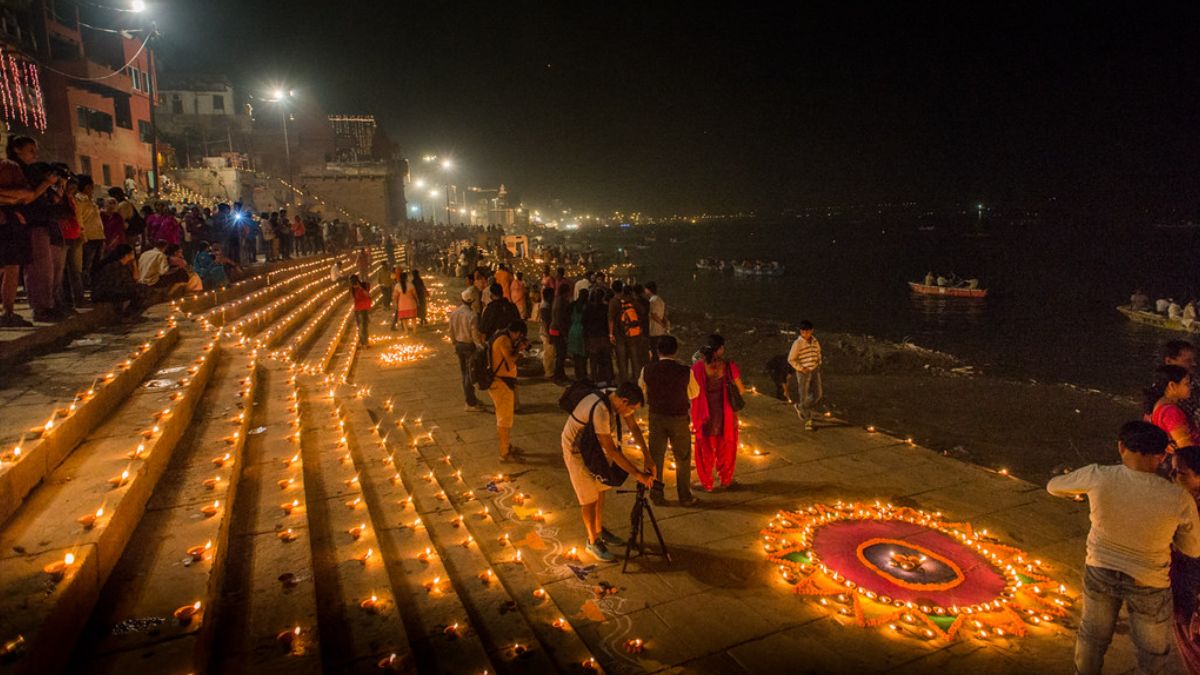
- Dev Deepawali (November, 15 days after Diwali) — The undisputed crown jewel. Over one million earthen lamps are lit along the ghats, the river fills with floating diyas, and a grand fireworks display lights up the sky. This is Varanasi at its most magical. Book months in advance.
- Kartik Purnima (November) — Coincides with Dev Deepawali. Pilgrims take a holy dip at dawn, and the month of Kartik — considered the holiest for bathing — reaches its crescendo.
Best Months for Specific Activities
Photography
November, December, and February are the top months. November offers Dev Deepawali — an unparalleled night photography opportunity. December and January bring morning fog that creates ethereal, painterly conditions at sunrise, though visibility can be limited. February combines clear skies with warm golden light. For monsoon drama, August and September deliver moody skies and the swollen Ganges, but protect your gear carefully.
Spiritual Immersion
If your primary goal is deep spiritual practice — meditation, yoga, attending aarti, visiting temples without being jostled — consider October or late September. The weather has cooled, the monsoon crowds have not yet fully materialized into peak-season numbers, and the city has a reflective, post-rain calm. February around Maha Shivaratri is ideal if you want to experience the city's spiritual energy at its absolute peak, though "quiet contemplation" will not be on offer.
Budget Travel
April, May, and early June offer the lowest prices across the board. Guesthouse rooms that cost Rs 2,000-3,000 per night in November drop to Rs 800-1,200. Flight prices to Varanasi also dip. The monsoon months of July and August are similarly affordable, with the added benefit of lower temperatures. Just factor in potential travel delays.
Boat Rides & River Experiences
October through March is optimal. The river is at a comfortable level, the ghats are fully visible, and early morning boat rides at sunrise are magical. Avoid July and August when the river current can be dangerously strong and many boat operators suspend dawn rides.
"Benaras is a place where the weights of time are different, where the past is not sealed off from the present, and where the sacred is tangled with the profane in every lane."
— Diana Eck, scholar of Indian religion
What to Pack by Season
Peak Season (October - March)
- Layers are essential. Mornings can be as cold as 5 °C in December-January, but afternoons warm to 20-25 °C. A warm fleece or light jacket, a scarf, and a shawl for temple visits will serve you well.
- Comfortable walking shoes with good grip — the ghat steps can be steep and slippery from morning dew.
- A light rain jacket for the occasional October shower.
- Modest clothing for temple visits (knees and shoulders covered). Carry a dupatta or scarf that can double as a temple head covering.
Summer (April - June)
- Loose, breathable cotton clothing in light colours. Linen works well.
- A wide-brimmed hat or umbrella for sun protection — this is non-negotiable.
- Sunscreen (SPF 50+), sunglasses, and a reusable water bottle. Dehydration is a real risk.
- Electrolyte packets — easily available at local pharmacies but worth carrying from home.
Monsoon (July - September)
- Quick-dry clothing and waterproof sandals (leather shoes will be ruined).
- A compact, sturdy umbrella and a lightweight rain poncho.
- Waterproof bags or dry bags for electronics and documents.
- Insect repellent — mosquitoes surge during and after rains.
- Waterproof phone pouch if you plan to photograph the ghats in rain.
Final Verdict: When Should You Visit Varanasi?
If you can only visit once and want the best overall experience, aim for late October to mid-December or mid-February to mid-March. These windows give you comfortable weather, accessible ghats, vibrant festival energy, and the full sensory spectrum of Kashi.
For the single most spectacular event, time your visit for Dev Deepawali in November. Nothing else in India — arguably nothing else in the world — compares to seeing a million lamps reflected in the dark waters of the Ganges. It is the kind of experience that stays with you for a lifetime and reminds you why Varanasi has drawn seekers for over three thousand years.
For budget-conscious pilgrims willing to trade comfort for savings, April or September offer the best value with some trade-offs. April is hot but empty; September is humid but marks the start of festival season.
Ultimately, there is no wrong time to visit Varanasi. The city's spiritual pulse never stops. The cremation fires at Manikarnika Ghat have burned continuously for millennia. The Ganga Aarti happens every single evening without exception. The chanting drifts through the galis at dawn regardless of what the thermometer reads. Whenever you arrive, Kashi will be waiting.
Related articles
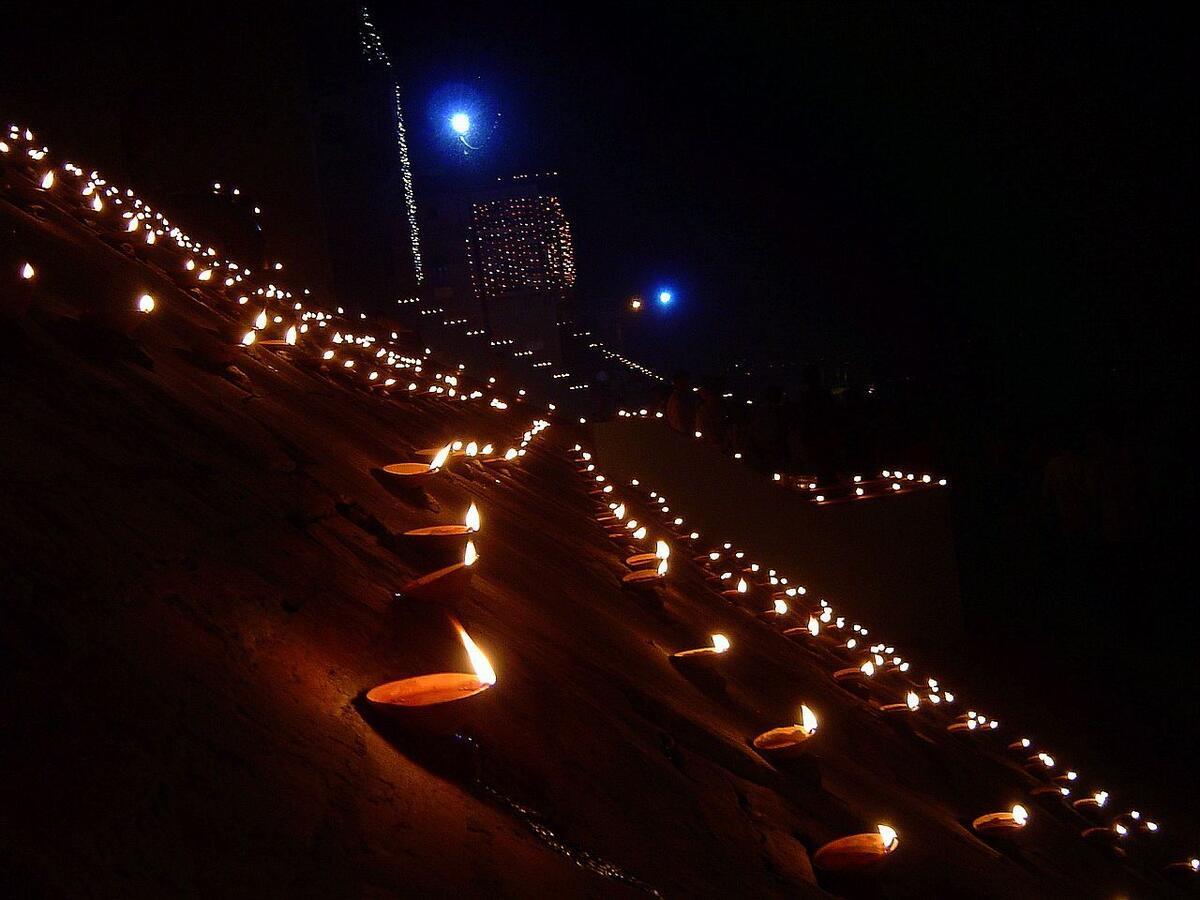
Varanasi in Winter: Dev Deepawali, Fog on the Ganga, and the Season of Malaiyo
November to February is Kashi at its kindest and most crowded — Dev Deepawali's lakhs of lamps, fog-wrapped dawn boat rides, the dawn-only dessert called malaiyo, what to pack, and why winter yatras must be booked months ahead.
Tulsi Manas Mandir: The Temple Built Where the Ramcharitmanas Was Born
On the ground where Goswami Tulsidas composed the Ramcharitmanas stands a white marble temple whose walls carry his verses end to end. The story of the people's Ramayana, the moving tableaux upstairs, the Durga Mandir pairing, and a perfect evening plan.
Durga Mandir and Durga Kund: The Red Temple Where the Devi Chose to Stay
The 18th-century red temple of Durga Kund — built by Rani Bhabani of Natore around a murti tradition holds no sculptor ever made, beside a sacred tank older than memory. History, legends, Navratri in Kashi, and a pilgrim's visit plan.