Ask us the best season for a Kashi yatra and we will not hesitate: winter — November to February — when the sun turns gentle, the stone of the ghats cools underfoot, the river breathes fog at dawn, and the city keeps its two most luminous appointments of the year. Winter is when Kashi is kindest to the pilgrim body — the elderly walk further, children complain less, midday no longer flattens the day's plans — and it is also, for exactly these reasons, when the whole world arrives at once. This guide is our honest map of the season: the great festival of Dev Deepawali, the fog mornings on the water, the small miracle called malaiyo, what to pack, and the one commandment of winter yatra planning — book early, then earlier than that.
The Shape of the Season
November opens crisp and golden: days around 25–30°C, evenings that ask for a shawl, and the festival crescendo of Kartik — the holiest month on the river — building to Dev Deepawali at the full moon. December and January are true North Indian winter: bright afternoons of 15–20°C, cold nights that can drop to 5–8°C, and spells of thick river fog at dawn. February softens again toward Mahashivratri, Kashi's own great night of Shiva, which falls in this season's tail — our Mahashivratri in Kashi pages cover that festival in full. Through all four months the light is extraordinary — low, gold, forgiving — and the crowds are the year's largest: domestic pilgrims, foreign travellers, wedding parties and photographers all agree with us about the season, which is the one problem with it.
Dev Deepawali: The Night the Gods Come Down to the Ghats
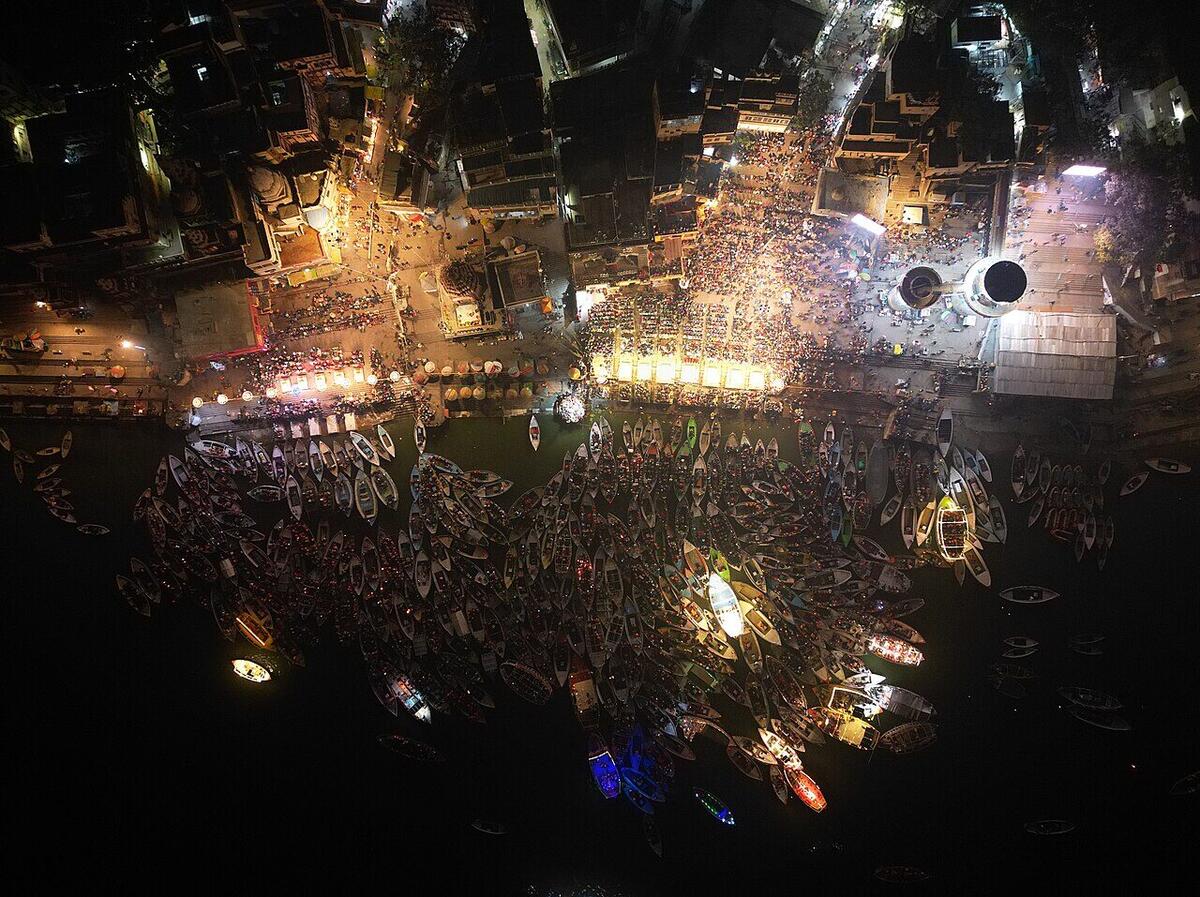
Fifteen days after Diwali, on the full moon of Kartik, Kashi keeps the festival that belongs to it alone. On Dev Deepawali — falling on 24 November in 2026 — the entire crescent of ghats, from Assi to Rajghat, is dressed in lakhs of earthen lamps: every step, every ledge, every shrine and window carrying its flame, until the city becomes a constellation lying down against the river. Tradition holds that on this night the devas themselves descend to the ghats to bathe in the Ganga — the name means "the Diwali of the gods" — and the festival also honours Shiva's victory over the demon Tripurasura. The Ganga aarti at Dashashwamedh swells to its grandest form of the year, and boats fill the river like a second, moving city of light.
We say this plainly, as people who host it every year: Dev Deepawali is the single most spectacular sight Varanasi offers, and the single most demanding to attend. Lakhs of visitors converge on one riverfront for one evening. Hotels fill months in advance at multiplied rates; boats are contracted long before the week itself; the ghats are shoulder to shoulder from late afternoon. The festival rewards exactly one strategy — plan early, secure your boat and room, arrive a day before, stay a day after — and punishes every other. Our complete Dev Deepawali guide covers the how; our Dev Deepawali 2026 yatra exists because this one night, above all others, is the wrong night to improvise.
One quieter Kartik grace-note, for those who come earlier in the month: through Kartik the ghats hang akash-deep — sky lamps raised on tall bamboo poles at dusk, lit for the ancestors — and an evening walk past Panchganga Ghat under those swaying lights is among the gentlest beautiful things the city does all year.
Fog on the River: The Winter Dawn Boat
The dawn boat ride is the crown of any Kashi visit; in deep winter it becomes something else again. On a December or January morning the Ganga often wears a dense fog — the far bank vanishes, the temples float loose from their foundations, boats materialise and dissolve, and the first sun arrives not as a disc but as a slow amber stain through the grey. Pilgrims who take their snan in that hour, steam rising off the water around them, do not forget it.
Honest notes, so the beauty does not ambush you. Winter sunrise is late — toward 6:45–7:00 AM — so the "dawn" boat mercifully departs later than in summer; on the thickest mornings boatmen may wait for visibility, and departures can shift — build slack into the plan rather than a train connection. The river is genuinely cold before sunrise: woollen cap, gloves for the elderly, and a blanket-shawl over everything — then dress down as the sun gains. And if the fog steals your sunrise entirely, take what it gives instead: the crescent of ghats emerging one by one from the mist is, for our money, the better photograph and the better prayer.
Malaiyo: The Dessert That Exists Only in Winter, Only Till Mid-Morning
Winter in Banaras has an official taste. Malaiyo — called nimish or makhan malai elsewhere in the north — is a saffron-tinted froth of milk so light it barely accepts a spoon, and it cannot be made in any other season. The night's milk is boiled down with saffron and cardamom, then set out in wide pans under the open winter sky; the overnight dew works the surface, and before dawn the mithai-makers whip it into clouds of pale gold, finished with pistachio and served in kulhads from handcarts in the old-city lanes — the galis around Chowk and Godowlia keep the tradition strongest. It costs little, weighs nothing, and vanishes on the tongue like the fog it is born from.
The catch is the clock: malaiyo is a dawn-to-mid-morning pleasure — the froth collapses as the day warms, and the good carts are scraped empty by 10 or 11 AM. Take it as the city does: after the boat, before the day's first temple queue, standing in a lane with a kulhad in cold hands. Our satvik food guide to Varanasi maps the rest of the winter table — the season is also the peak of kachori-jalebi mornings and hot doodh on the ghats.
Short Days, Long Evenings: Timing the Winter Day
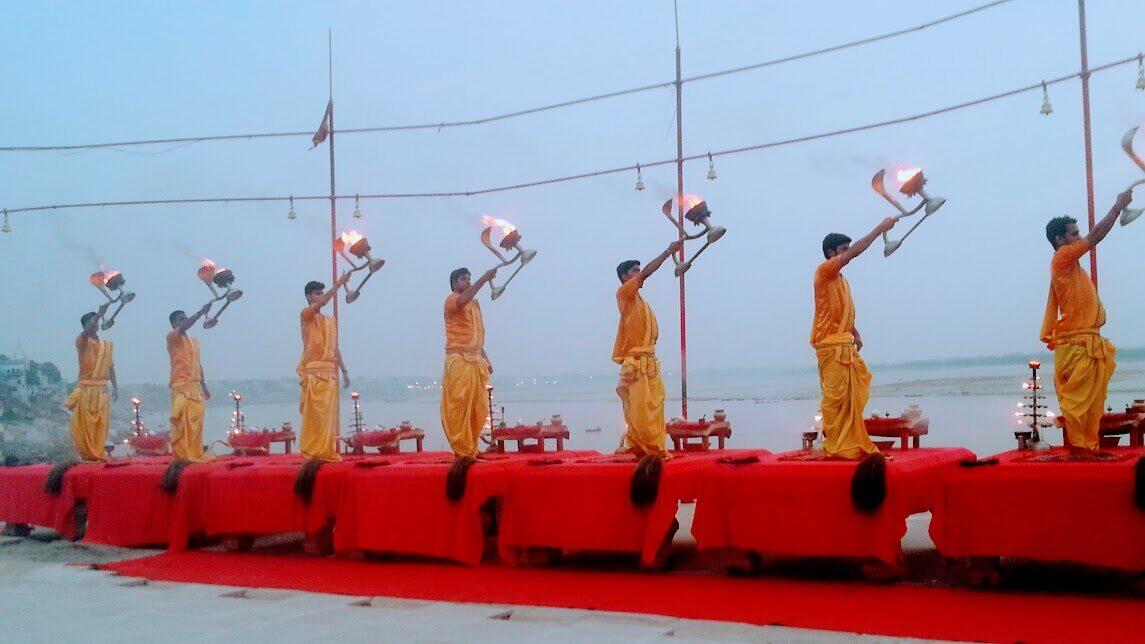
One structural note that reshapes every winter itinerary: the days are short. The sun sets between roughly 5:15 and 5:45 PM through deep winter, so the evening Ganga aarti begins early — be at the ghat or on your boat by 5:00 in December and January — and the useful sightseeing day runs about ten hours rather than summer's fourteen. The compensation is generous: winter is the one season when midday is not the enemy, so the rest-hours we prescribe so firmly in summer can become a leisurely temple, museum or silk-shopping stretch instead. Build the day as two gentle arcs — river and temples in the morning, lanes and aarti in the evening — with a proper hot lunch as the hinge, and the short day will feel abundant.
What to Pack for a Winter Yatra
- Layers, not bulk. A Banaras winter day swings from 6°C at boat-time to 20°C by noon. Thermals or a warm inner, a sweater, and a good shawl outdo one heavy coat — the shawl doubles as temple-wear, aarti seating and boat blanket.
- For the dawn hours: woollen cap and muffler (most body heat leaves by the head on the water), gloves and an extra layer for elderly yatris, and warm socks you can slip off fast — feet still go bare in every temple, onto genuinely cold stone.
- Footwear: slip-on shoes with grip; winter mornings leave dew on the ghat steps.
- Health basics: moisturiser and lip balm (the dry cold is quietly fierce), any daily medicines carried on your person, and a small torch for foggy pre-dawn ghat walks.
- For festival nights: nothing valuable in outer pockets, a fully charged phone, and a written note of your hotel and driver — festival crowds and phone batteries fail together.
The Winter Calendar at a Glance
- All of Kartik (roughly mid-October to the November full moon): the holiest month on the river — dawn Kartik snan at the ghats, akash-deep lamps at dusk, the city filling day by day toward the festival.
- Dev Deepawali (Kartik Purnima — 24 November in 2026): the year's greatest night on the ghats; also one of the great bathing days, so the dawn before the evening is itself an event.
- December–early January: deep winter proper — fog boats, malaiyo mornings, the Christmas–New Year surge of travellers, and glorious walking weather all day long.
- Makar Sankranti (mid-January): a major snan day, the sky over the ghats filling with kites, and khichdi offered and eaten across the city — Banaras keeps this festival with real affection.
- Basant Panchami (late January or early February, by the calendar): Saraswati puja, yellow everywhere, the first announcement of spring.
- Mahashivratri (February or early March, shifting yearly): Kashi's own great night — the city belongs to Shiva's wedding procession, and the Vishwanath queues run around the clock.
Dates in this calendar move with the panchang from year to year, and temple timings shift on all of these days — verify your specific dates when you plan, or ask us; it is the first thing we check.
The Season's Honest Fine Print
Winter's two real costs deserve plain statement. First, the fog that blesses the river delays the railways: December–January trains into and out of Varanasi can run hours late, and flights suffer their own morning postponements. Never schedule a tight onward connection in deep winter — give yourself the buffer night, and treat it as an extra evening on the ghats rather than an inconvenience. Second, the cold is real for the very elderly: pre-dawn outings at 5–6°C ask a lot of older hearts and joints, so for our most senior yatris we shift the boat to the day's second-best hour — late afternoon into sunset, when the light is nearly as fine and the air fifteen degrees kinder — and keep the dawn programme for the younger generations. The season accommodates every age; it simply asks that the plan respect the thermometer.
Why Winter Is Peak — and How to Book Like You Know It
Everything above explains why winter is Kashi's high season; here is what that means in practice. Dev Deepawali week is the extreme: river-facing hotels can sell out three to six months ahead, and boat prices on the night are multiples of normal. The Christmas–New Year fortnight is nearly as tight, and long weekends across December–February all bulge. Our booking counsel, unchanged for years: for Dev Deepawali, commit by July or August; for ordinary winter dates, six to eight weeks ahead keeps the full choice of hotels and quiet-hour boats; for Mahashivratri, treat it like the festival it is. Trains fill on the same curve — Varanasi-bound winter trains from Delhi and Kolkata are best reserved the day booking opens — and early-morning temple plans should always carry a festival check, because the Kashi calendar is crowded precisely when the weather is best, and timings shift on festival days.
The reward for planning is the finest version of this city that exists: cool blue mornings on the water, unhurried darshans, lamplit evenings, malaiyo in the lanes, and — if you time it to the Kartik full moon — the night the gods come down to bathe. We build our winter Kashi Yatra packages around exactly these hours, boats and rooms secured long before the fog arrives. Come in winter. Book like a Banarasi. Har Har Mahadev.
Related articles
Tulsi Manas Mandir: The Temple Built Where the Ramcharitmanas Was Born
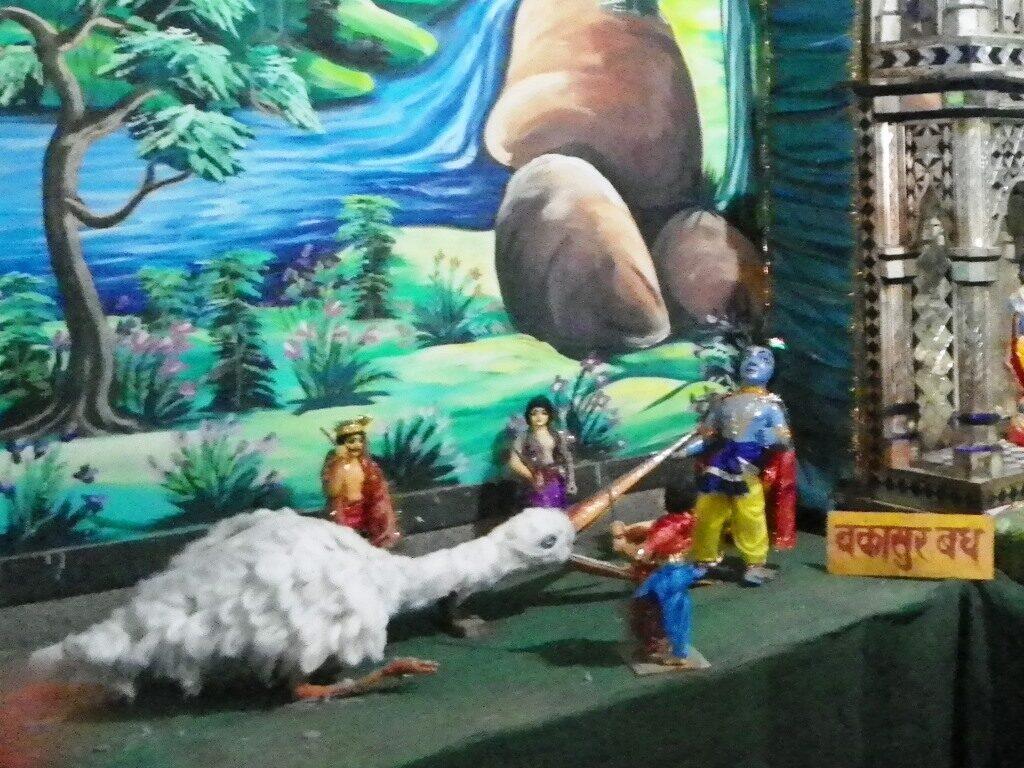
On the ground where Goswami Tulsidas composed the Ramcharitmanas stands a white marble temple whose walls carry his verses end to end. The story of the people's Ramayana, the moving tableaux upstairs, the Durga Mandir pairing, and a perfect evening plan.
Durga Mandir and Durga Kund: The Red Temple Where the Devi Chose to Stay
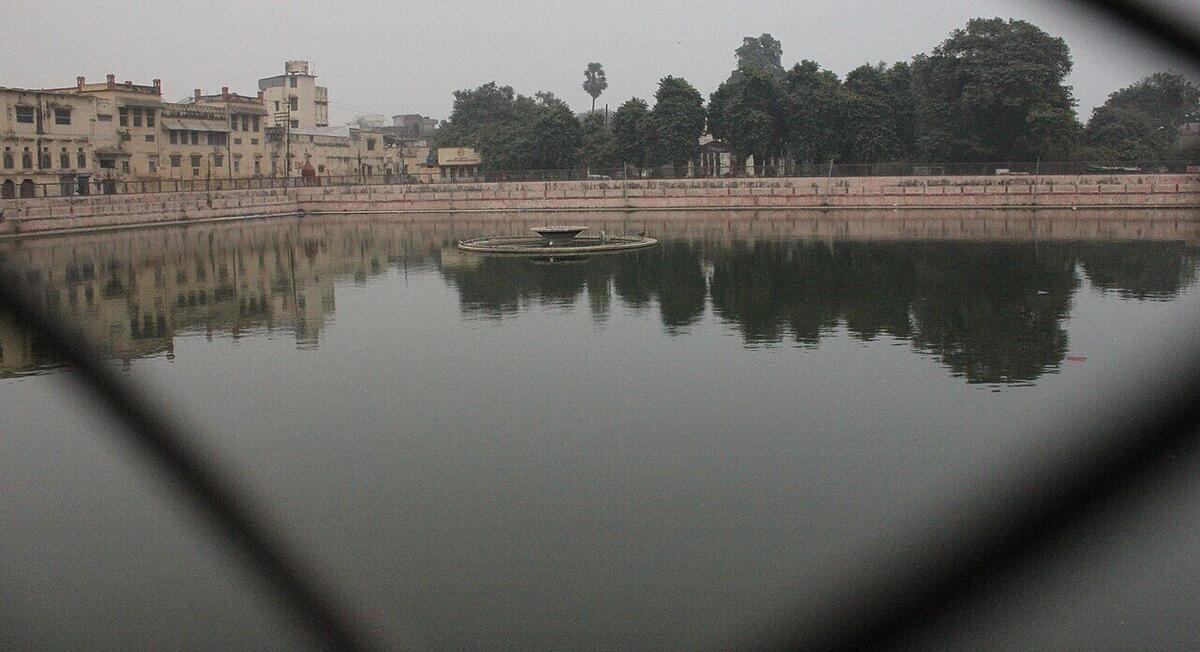
The 18th-century red temple of Durga Kund — built by Rani Bhabani of Natore around a murti tradition holds no sculptor ever made, beside a sacred tank older than memory. History, legends, Navratri in Kashi, and a pilgrim's visit plan.
The New Vishwanath Temple at BHU: Malaviya's Marble Vision, Open to All
Inside the great marble Shiva temple of Banaras Hindu University — Madan Mohan Malaviya's vision, the Birla family's decades of building, a sanctum open to every caste and creed, scripture-inscribed walls, and how to plan your campus visit.