What is Dev Deepawali?
Dev Deepawali — literally "Diwali of the Gods" — is one of the most spectacular festivals in all of India. Celebrated on Kartik Purnima (the full moon night, 15 days after Diwali), this festival is uniquely and exclusively Varanasi's own.
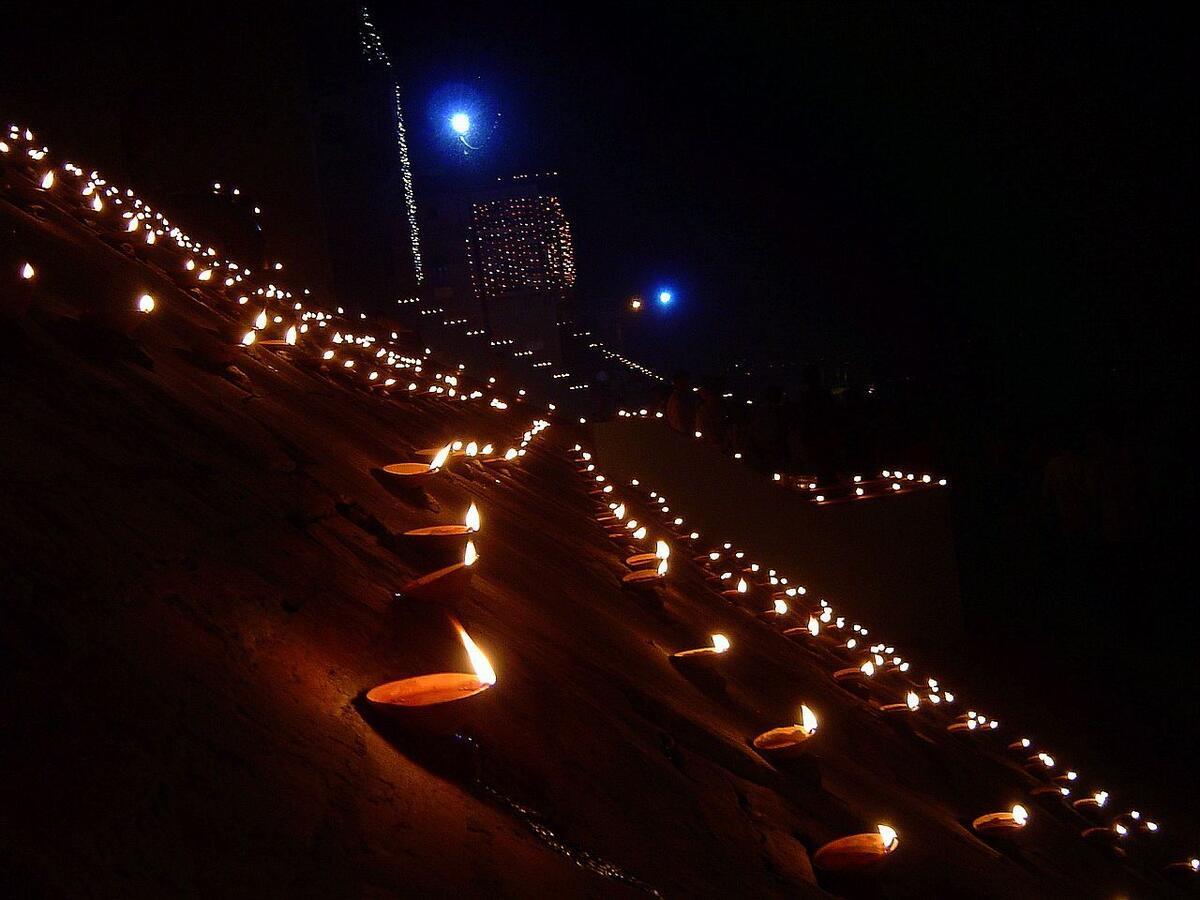
The legend says that on this night, the gods themselves descend to the ghats of Kashi to bathe in the sacred Ganga and celebrate their victory of light over darkness. To welcome them, the people of Varanasi light over one million earthen diyas (oil lamps) on every step of every ghat — from Assi Ghat in the south to Rajghat in the north.
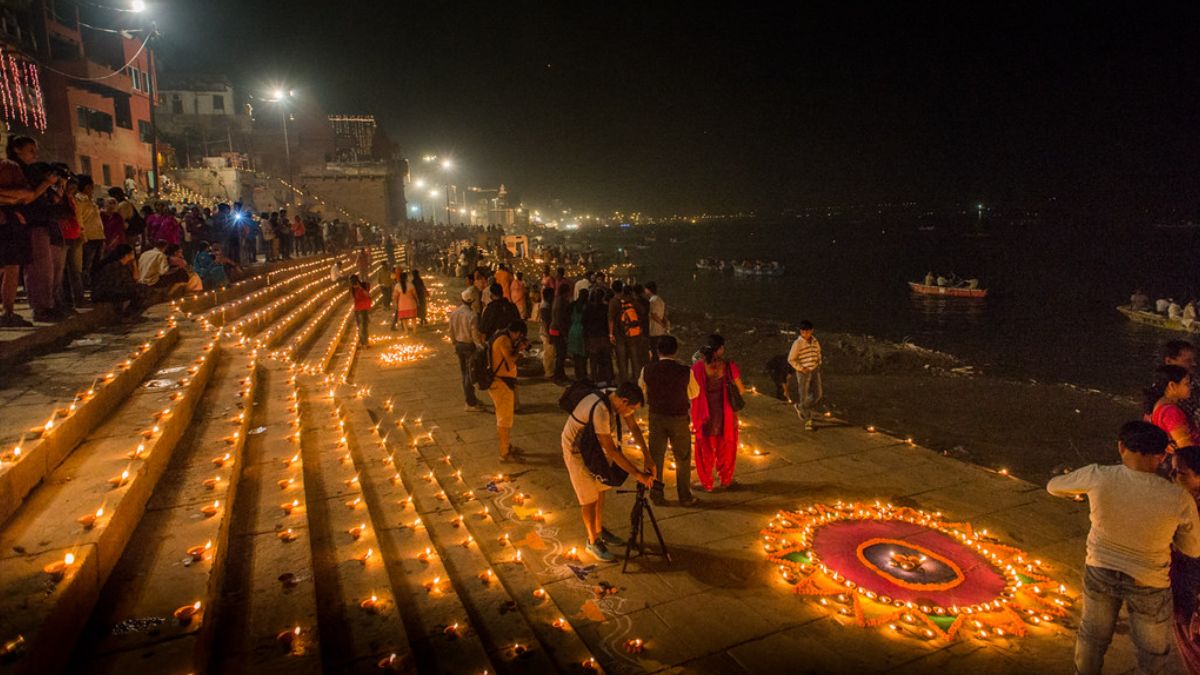
The entire 6-kilometre riverfront transforms into a river of fire reflecting on the Ganga. It is, without exaggeration, the most visually breathtaking night in India — and one of the most photographed events in the world.
When is Dev Deepawali 2026?
Dev Deepawali falls on Kartik Purnima — the full moon in the Hindu month of Kartik. In 2026 it falls on Tuesday, 24 November — Kartik Purnima, fifteen days after Diwali. (2027: 14 November. 2028: 2 November.)
Pro Tip: The main ceremony is on the full moon night, but preparations and smaller lighting events begin 2–3 days earlier. If you arrive early, you'll get to see volunteers carefully placing millions of diyas on every step — a beautiful experience in itself.
What to Expect — Hour by Hour
The festival unfolds like a carefully choreographed spectacle. Here's what a typical Dev Deepawali evening looks like:
4:30 PM — Ghats start buzzing with activity. Volunteers carry trays of diyas and begin placing them along every step. The air fills with the scent of mustard oil and incense.
5:00 PM — The lighting begins. Starting from Dashashwamedh Ghat, thousands of hands simultaneously light the diyas. One by one, the ghats glow amber.
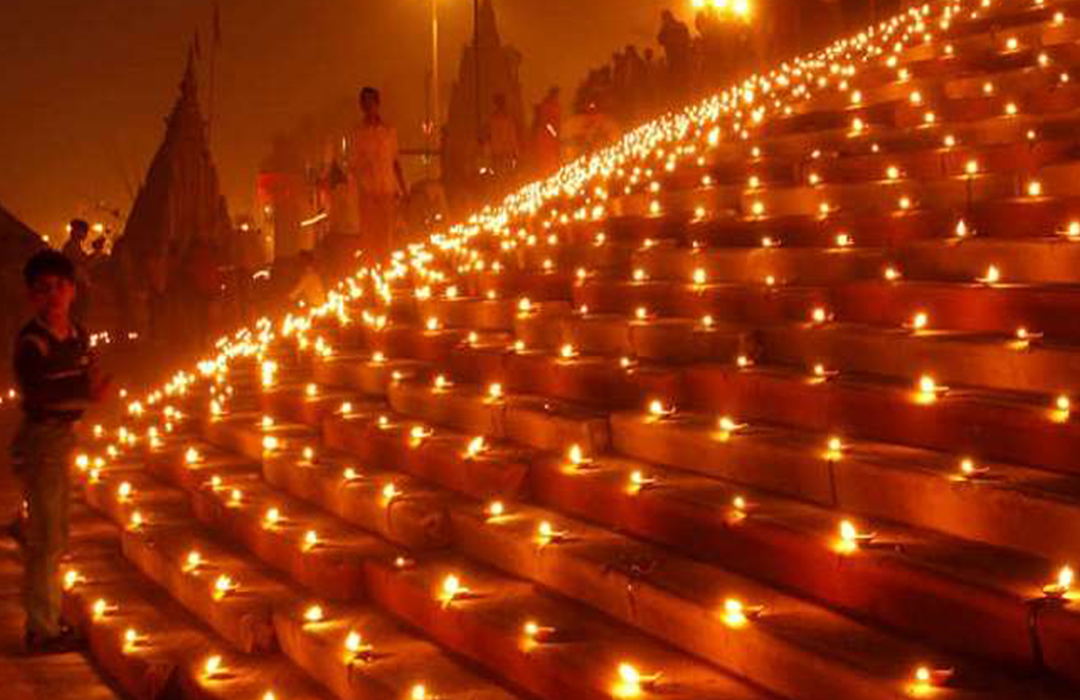
6:00 PM — The grand Ganga Aarti at Dashashwamedh Ghat begins. On this special night, the ceremony features 21 priests instead of the usual 7, making it exponentially more dramatic. The synchronized movements of brass lamps weighing several kilos, accompanied by conch shells, bells, and chanting, create an unforgettable atmosphere.
7:00 PM — Thousands of floating diyas and flower offerings are released into the Ganga. The river becomes a mirror of flickering lights stretching as far as you can see.
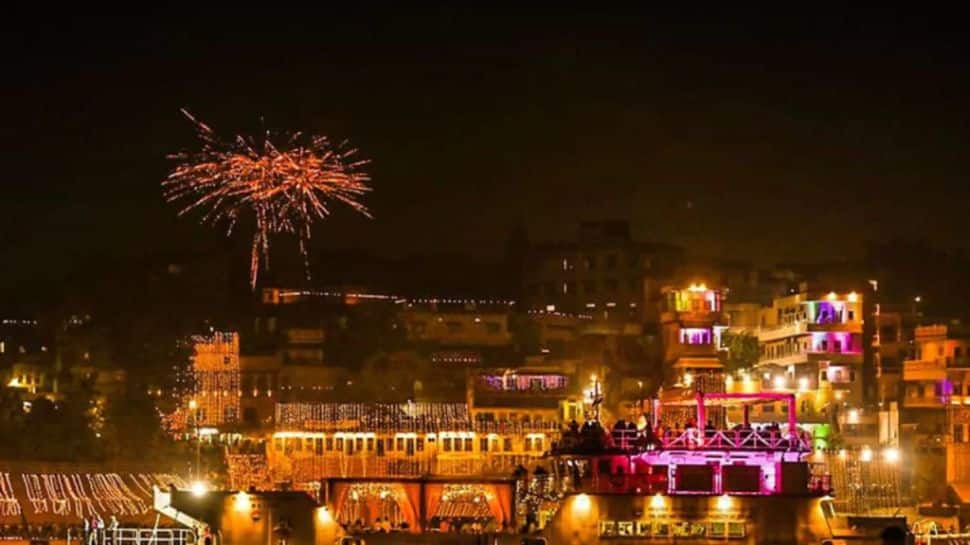
7:30 PM onwards — Fireworks light up the sky over the river. Boat rides offer the best vantage point as the entire city skyline glows with a million points of light.
Best Viewing Spots
Where you watch Dev Deepawali from completely changes the experience. Here are the best options, ranked:
1. From a Boat on the Ganga (Best Overall) — This is the definitive Dev Deepawali experience. A boat gives you a panoramic view of the entire 6-km lit riverfront, and the reflection of a million diyas on the water is something photographs simply cannot capture. Book your boat at least 2–3 days in advance — prices go up 3–5x on the night itself.
2. Dashashwamedh Ghat (Best for Aarti) — Ground zero for the main Ganga Aarti. Arrive by 4 PM to get a spot. It will be extremely crowded, but the energy is electric.
3. Panchganga Ghat (Best for Photography) — This ghat has the tallest steps and offers an elevated view. Slightly less crowded than Dashashwamedh, it's a favourite among photographers for the sweeping shots of lit ghats.
4. Assi Ghat (Best for Families) — The southernmost major ghat is less chaotic and has a more community-feel celebration. Ideal if you're travelling with children or elderly family members.
Practical Tips for Visitors
Dev Deepawali draws lakhs of visitors. Here's how to make the most of it without the stress:
Book accommodation early. Hotels within walking distance of the ghats sell out 2–3 months in advance. If you're planning to visit, book as soon as the lunar calendar confirms the date.
Arrive 1–2 days early. The city transforms in the days leading up to the festival. You'll also want time to explore the ghats, arrange a boat, and adjust to the pace of Varanasi.
Dress in layers. November evenings in Varanasi can be cool (15–20°C). A light jacket or shawl is essential, especially if you're on a boat.
Carry minimal belongings. The ghats get extremely crowded. Leave valuables at your hotel. Carry only your phone, some cash, and a light bag.
Photography gear: If you're serious about photos, bring a tripod for the boat (the long exposure shots of diya reflections are stunning) and a fast lens for the Aarti. Phone cameras struggle in the low light.
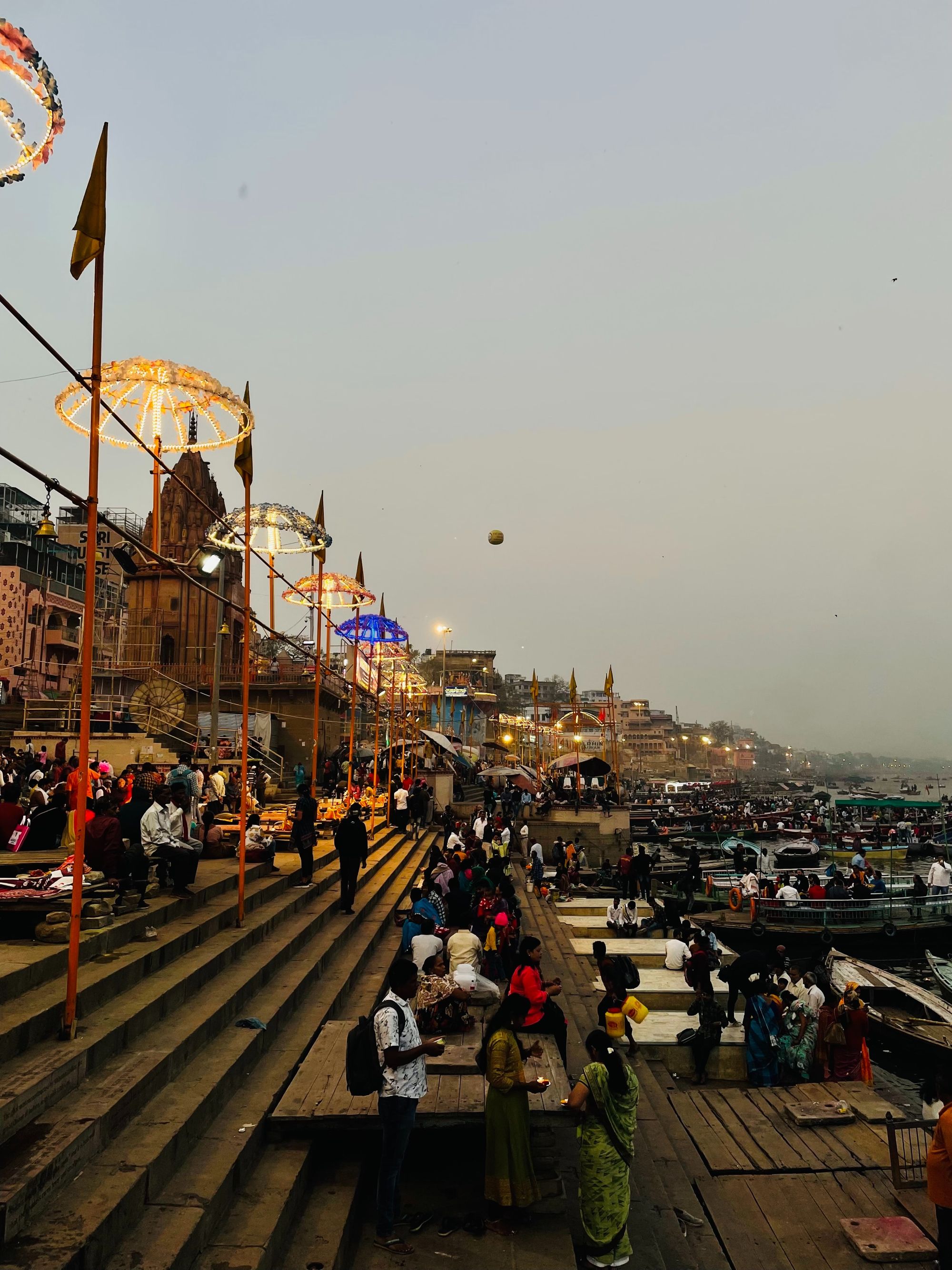
Safety Note: The ghats can be slippery from oil and wax. Wear shoes with good grip. The steps are uneven and there are no railings. Stay alert, especially with children.
How to Reach Varanasi for Dev Deepawali
By Air: Lal Bahadur Shastri International Airport (VNS) is 25 km from the ghats. Book flights well in advance — prices surge around the festival.
By Train: Varanasi Junction (BSB) and Varanasi City (BCY) are the main stations. Trains from Delhi, Mumbai, and Kolkata run frequently. Book 2–3 months ahead for confirmed tickets.
By Road: Varanasi is well-connected by highway. From Lucknow (300 km, ~6 hours), Prayagraj (120 km, ~3 hours), and Patna (290 km, ~6 hours).
Why Dev Deepawali is a Must-Visit
There are festivals, and then there is Dev Deepawali. No amount of photos or videos can prepare you for the scale of seeing an entire ancient city lit by a million tiny flames, reflected in the world's most sacred river, while priests chant hymns that have been sung for thousands of years.
If you visit Varanasi only once in your life, try to make it on Dev Deepawali night. It is the single most extraordinary visual spectacle India has to offer — and unlike anything else on earth.
Planning to be there on 24 November 2026? Boats sell out weeks ahead. See our Dev Deepawali 2026 boat booking guide for dates, boat options and market prices, or build the festival into a full Kashi Yatra package — darshan, dawn boat ride, and the night of lamps in one plan.
Related articles
Varanasi in Winter: Dev Deepawali, Fog on the Ganga, and the Season of Malaiyo
November to February is Kashi at its kindest and most crowded — Dev Deepawali's lakhs of lamps, fog-wrapped dawn boat rides, the dawn-only dessert called malaiyo, what to pack, and why winter yatras must be booked months ahead.
Tulsi Manas Mandir: The Temple Built Where the Ramcharitmanas Was Born
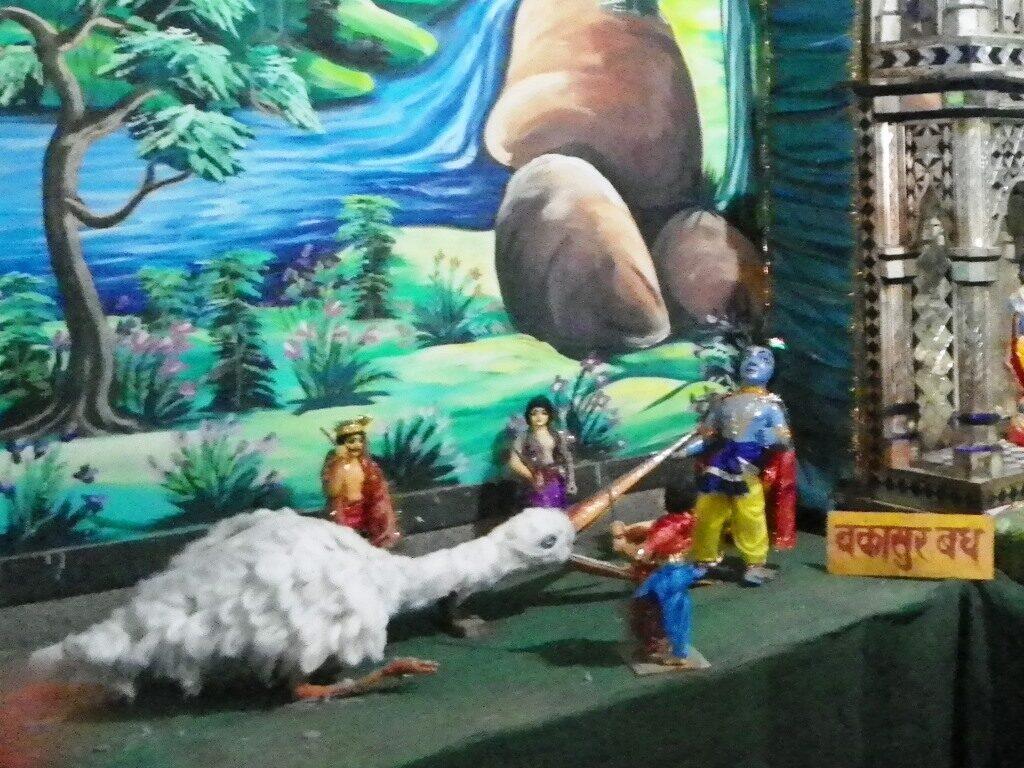
On the ground where Goswami Tulsidas composed the Ramcharitmanas stands a white marble temple whose walls carry his verses end to end. The story of the people's Ramayana, the moving tableaux upstairs, the Durga Mandir pairing, and a perfect evening plan.
Durga Mandir and Durga Kund: The Red Temple Where the Devi Chose to Stay
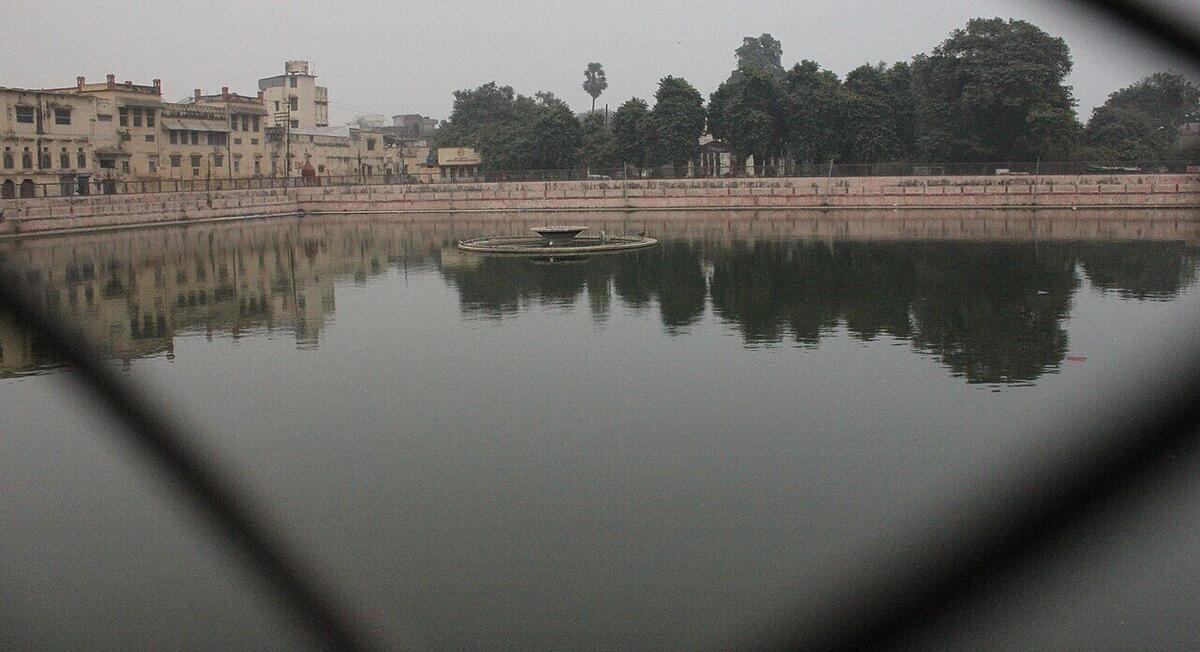
The 18th-century red temple of Durga Kund — built by Rani Bhabani of Natore around a murti tradition holds no sculptor ever made, beside a sacred tank older than memory. History, legends, Navratri in Kashi, and a pilgrim's visit plan.