Varanasi Food Guide — 15 Must-Try Dishes and Where to Find Them
Varanasi is not just a city of temples and ghats — it is one of India's greatest food cities. As a sacred city where most residents are strictly vegetarian, Varanasi has spent centuries perfecting the art of satvik (pure vegetarian) cuisine, developing flavours so rich and complex that you will never miss meat. From the legendary kachori-sabzi breakfast that fuels the city every morning to the ethereal winter-only malaiyo that appears magically at dawn, Varanasi's food culture is unlike anywhere else in India.
This guide covers 15 dishes you absolutely must try, where to find the best versions of each, and practical tips for eating safely and enjoyably in the holy city.
The Food Culture of Varanasi
Before diving into specific dishes, it helps to understand what makes Varanasi's food culture unique. As one of Hinduism's holiest cities, Varanasi is overwhelmingly vegetarian. The old city (the area around the ghats and the Kashi Vishwanath Temple) is almost entirely meat-free, and even eggs are uncommon in traditional establishments. Onion and garlic are avoided in many traditional kitchens, as they are considered tamasic (impure) in strict Hindu dietary practice.
This might sound restrictive, but it has had the opposite effect on the cuisine. Without meat as a crutch, Varanasi's cooks have developed an extraordinary mastery of spice, dairy, and grain. The food here is intensely flavoured, deeply satisfying, and often surprisingly rich — ghee (clarified butter), fresh cream, and reduced milk feature prominently.
Varanasi is also a city that eats by the clock. Certain dishes are available only in the morning, others only in the evening, and some only during specific seasons. Timing your food exploration is as important as knowing where to go.
The 15 Must-Try Dishes
1. Kachori-Sabzi
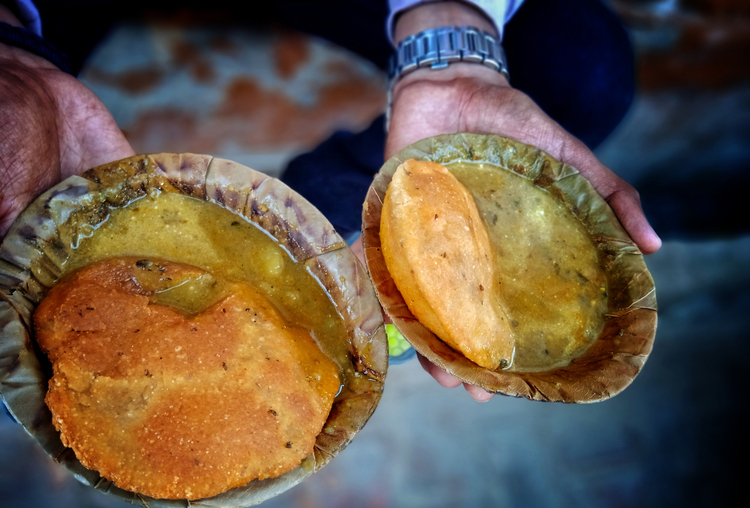
The undisputed king of Varanasi breakfast. A kachori is a deep-fried pastry ball stuffed with spiced lentil paste (usually urad dal), served with a fiery potato-based sabzi (curry) and tangy chutneys. The kachori should be crispy on the outside, flaky and hollow on the inside, with a thin layer of spiced filling. The sabzi is typically a thin, intensely flavoured potato curry with tomato and spices.
Where to eat it: Ram Bhandar near Godowlia crossing is the most famous, operating since 1960. The queue is long but moves fast. Kachori Gali near Dashashwamedh Ghat also has excellent options. Expect to pay Rs 20-40 per plate.
Tip: Kachori-sabzi is best eaten between 7:00 AM and 10:00 AM. By late morning, many shops have sold out. Go early.
2. Banarasi Paan
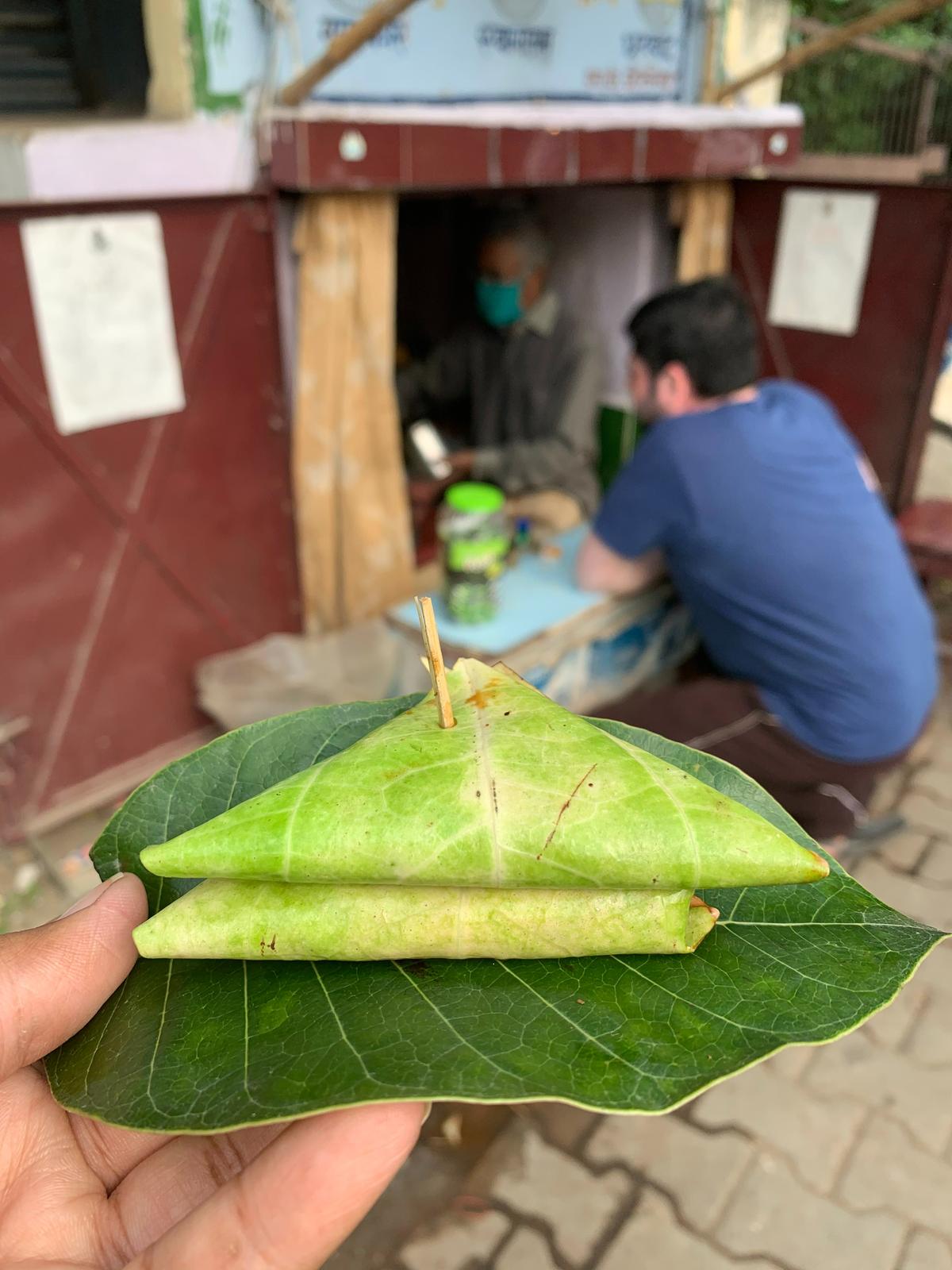
Varanasi (Banaras) is the paan capital of India. Paan is a betel leaf filled with a mixture of areca nut, slaked lime, catechu, and a bewildering array of sweet or savoury fillings — gulkand (rose petal jam), cardamom, fennel seeds, coconut, and more. The meetha paan (sweet paan) is the version most visitors enjoy — a burst of flavours and textures that is impossible to describe until you try it.
Where to eat it: Any paan stall in the old city, but for a famous experience, visit the paan shops near Godowlia Chowk. A good meetha paan costs Rs 20-50.
3. Malaiyo (Malaiyyo / Nimish)
This is Varanasi's most magical dish — and one of the most ephemeral. Malaiyo is a cloud-like milk foam, delicately sweet and flavoured with saffron and cardamom, topped with chopped pistachios. It is made by churning boiled milk in the cold night air, which causes it to froth and set into an impossibly light, airy cream. Because it requires cold temperatures, malaiyo is available only from November to February.
Where to eat it: Street vendors throughout the old city sell it from dawn until about 8:00 AM — it melts as the day warms up. Look for vendors on Godowlia Road and near Luxa Road. A cup costs Rs 30-60.
Tip: If you are visiting Varanasi in winter, this is the one dish you must not miss under any circumstances. Set an alarm, go early, and eat it standing on the street with the morning pilgrims.
4. Thandai
A cold, spiced milk drink made with a paste of almonds, fennel seeds, melon seeds, rose petals, pepper, cardamom, saffron, and sugar, blended with chilled milk. Thandai is particularly associated with Holi and Maha Shivaratri, but in Varanasi, good versions are available year-round.
Where to drink it: Blue Lassi Shop in the old city offers excellent thandai. For the most traditional version, try Godowlia area shops. A glass costs Rs 40-80.
Note: During Holi, bhang thandai (with cannabis paste, which is legal in Varanasi) is widely available. It is potent. If you do not want bhang, specify "sada thandai" (plain thandai).
5. Tamatar Chaat
A uniquely Banarasi street snack — a spiced tomato curry served in small clay cups (kulhad) and eaten as a tangy, warming snack. Unlike the fruit-based chaats found elsewhere in India, Varanasi's tamatar chaat is a cooked tomato preparation with roasted cumin, black salt, chilli, and a squeeze of lemon. It is savoury, tangy, and addictive.
Where to eat it: Vendors near Dashashwamedh Ghat and along Vishwanath Gali. Costs Rs 15-30 per cup.
6. Lassi at Blue Lassi Shop
The Blue Lassi Shop in the narrow lanes near Manikarnika Ghat is arguably the most famous lassi shop in all of India. Operating for over 80 years, this tiny establishment serves thick, creamy lassi in clay cups, topped with cream and available in dozens of flavours — from classic plain to banana, mango, pomegranate, papaya, and mixed fruit. The lassi is churned by hand and is impossibly thick, closer to a sundae than a drink.
Expect to wait: The shop is small and perpetually crowded. Waits of 15-30 minutes are normal. It is worth it.
Cost: Rs 60-120 depending on size and flavour.
7. Chena Dahi Vada
A Varanasi speciality that you will not find easily elsewhere — deep-fried lentil dumplings (vada) soaked in creamy, sweetened yoghurt (dahi) and topped with fresh chena (cottage cheese crumbles), spices, and chutneys. The combination of crispy-yet-soft vada, cool tangy yoghurt, and fresh crumbly chena is extraordinary.
Where to eat it: Deena Chaat Bhandar in Godowlia is the legendary spot. Costs Rs 40-60 per plate.
8. Litti Chokha
Originally from Bihar but deeply embedded in Varanasi's food culture, litti chokha consists of baked wheat dough balls (litti) stuffed with sattu (roasted gram flour) and spices, served with chokha — a mash of roasted eggplant, tomato, and potato. The litti are traditionally baked over cow dung cakes (which impart a smoky flavour) and drenched in ghee before serving.
Where to eat it: Stalls near Lanka crossing and in the BHU (Banaras Hindu University) area serve excellent versions. Rs 30-50 per plate.
9. Banarasi Dum Aloo
Varanasi's version of dum aloo is distinct — small, whole baby potatoes slow-cooked in a rich, creamy tomato and yoghurt gravy with a careful blend of whole spices. The "dum" (slow-cooking under a sealed lid) method allows the flavours to penetrate deep into the potatoes. Served with hot puris or parathas, it is a complete meal.
Where to eat it: Traditional restaurants in the old city, and many bhojanalayas (traditional dining halls) serve it as part of a thali. Rs 50-100 with bread.
10. Rabri (Rabdi)
A quintessentially Banarasi dessert — thick, reduced milk cooked very slowly until it forms layers of cream (malai), sweetened and flavoured with cardamom, saffron, and nuts. Good rabri has a grainy, layered texture that comes from hours of patient stirring and reducing. It is dense, ultra-rich, and meant to be eaten in small quantities.
Where to eat it: Rajbandhu and sweet shops along Godowlia Road are reliable options. Rs 40-80 per bowl.
11. Banarasi Chaat
Beyond tamatar chaat, Varanasi has its own style of mixed chaat — a medley of crispy papdis, boiled potatoes, chickpeas, yoghurt, tamarind chutney, green chutney, and a riot of spices. What sets Banarasi chaat apart is the distinctive balance of sweet, sour, and spicy and the use of mustard oil that gives it a pungent kick absent in Delhi-style chaat.
Where to eat it: Kashi Chaat Bhandar at Godowlia is iconic. Rs 30-50 per plate.
12. Jalebi
Hot, freshly fried jalebi — spirals of fermented batter deep-fried until crispy and soaked in sugar syrup — is a morning and evening staple in Varanasi. When made fresh, the outside is shattering-crisp and the inside is soft and soaked with warm syrup. Eaten with rabri (see above), it becomes a Banarasi dessert of extraordinary decadence.
Where to eat it: Any busy sweet shop frying them fresh. Look for shops where you can see the frying happening in real time. Rs 20-40 per plate.
13. Choora Matar
A winter breakfast dish of flattened rice (poha/choora) cooked with fresh green peas, spices, and ghee. Simple, homely, and deeply satisfying — the kind of dish that locals grow up eating and that tourists rarely discover. Available mainly from November to February when fresh peas are in season.
Where to eat it: Small eateries and street vendors in the old city, particularly near Assi Ghat. Rs 20-30 per plate.
14. Launglata
A traditional Banarasi sweet — a deep-fried pastry pocket filled with khoya (reduced milk solids) and studded with a clove (laung) on top, then soaked in sugar syrup. Crispy, sweet, and rich, it is Varanasi's answer to the gulab jamun and arguably more interesting.
Where to eat it: Sweet shops throughout the city. Rs 15-25 per piece.
15. Kulhad Chai
Not a dish but an essential Varanasi experience — tea served in a small, unglazed clay cup (kulhad). The porous clay absorbs the tea slightly and imparts an earthy, mineral flavour that is completely absent from glass or ceramic cups. Varanasi's chai is typically strong, milky, and sweet, boiled with cardamom and sometimes ginger.
Where to drink it: Literally everywhere. The best chai wallahs (tea vendors) are found near the ghats and along Vishwanath Gali. Rs 10-15 per cup.
Famous Food Streets and Areas
Vishwanath Gali
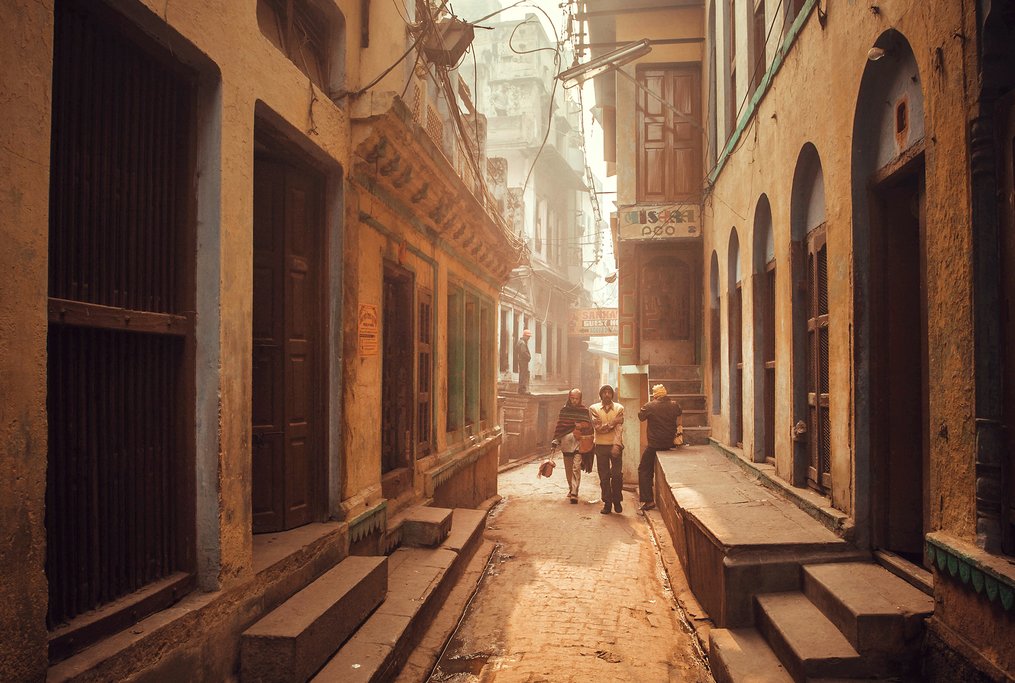
The narrow lane leading from Godowlia to the Kashi Vishwanath Temple is Varanasi's most famous food street. Every few metres, you will find stalls selling chaat, sweets, lassi, thandai, and paan. The lane is narrow, crowded, and chaotic — but the food is exceptional.
Godowlia Chowk
The main commercial intersection of old Varanasi, Godowlia is the hub for street food. Ram Bhandar (kachori), Kashi Chaat Bhandar (chaat), and Deena Chaat Bhandar (dahi vada) are all within walking distance of each other.
Lanka
Located near Banaras Hindu University, Lanka is the student quarter and offers more modern, affordable eateries alongside traditional fare. This is the best area for litti chokha, South Indian food, and more contemporary options.
Assi Ghat Area
The area around Assi Ghat has a more relaxed, bohemian vibe with cafes catering to long-stay travellers and students. You will find good breakfasts, freshly made parathas, and excellent morning chai here.
Tips for Eating Safely in Varanasi
Drink only bottled or filtered water. This is non-negotiable. Do not drink tap water, and avoid ice unless you are confident it is made from purified water.
Eat where the locals eat. A crowded stall with high turnover means fresh food. An empty restaurant with food sitting in trays means stale food and higher risk of stomach trouble.
Start mild, build up. If your stomach is not accustomed to Indian street food, ease in gradually over the first day or two. Start with cooked, hot foods (kachori, chai) before diving into raw preparations (chaat with yoghurt).
Carry basic medication. Keep antacids and an anti-diarrheal medication in your bag. Most stomach issues from street food are minor and resolve quickly.
Tip: The best approach is to eat small portions at multiple places rather than a single large meal at one place. This way, you taste more of the city and reduce the risk of overloading your stomach with any single preparation.
Eat Your Way Through Varanasi with Satmarg
Varanasi's food is inseparable from its spiritual identity — the same devotion that fuels the Ganga Aarti and the temple rituals also infuses its kitchens. Eating in Varanasi is not just nourishment; it is a form of prasad — blessed offering.
At Satmarg, our Varanasi pilgrimage packages include food recommendations and optional guided food walks with local experts who know every lane, stall, and secret recipe in the old city. Let us help you taste Varanasi as deeply as you experience its spiritual heritage.
Related articles
Varanasi in Winter: Dev Deepawali, Fog on the Ganga, and the Season of Malaiyo
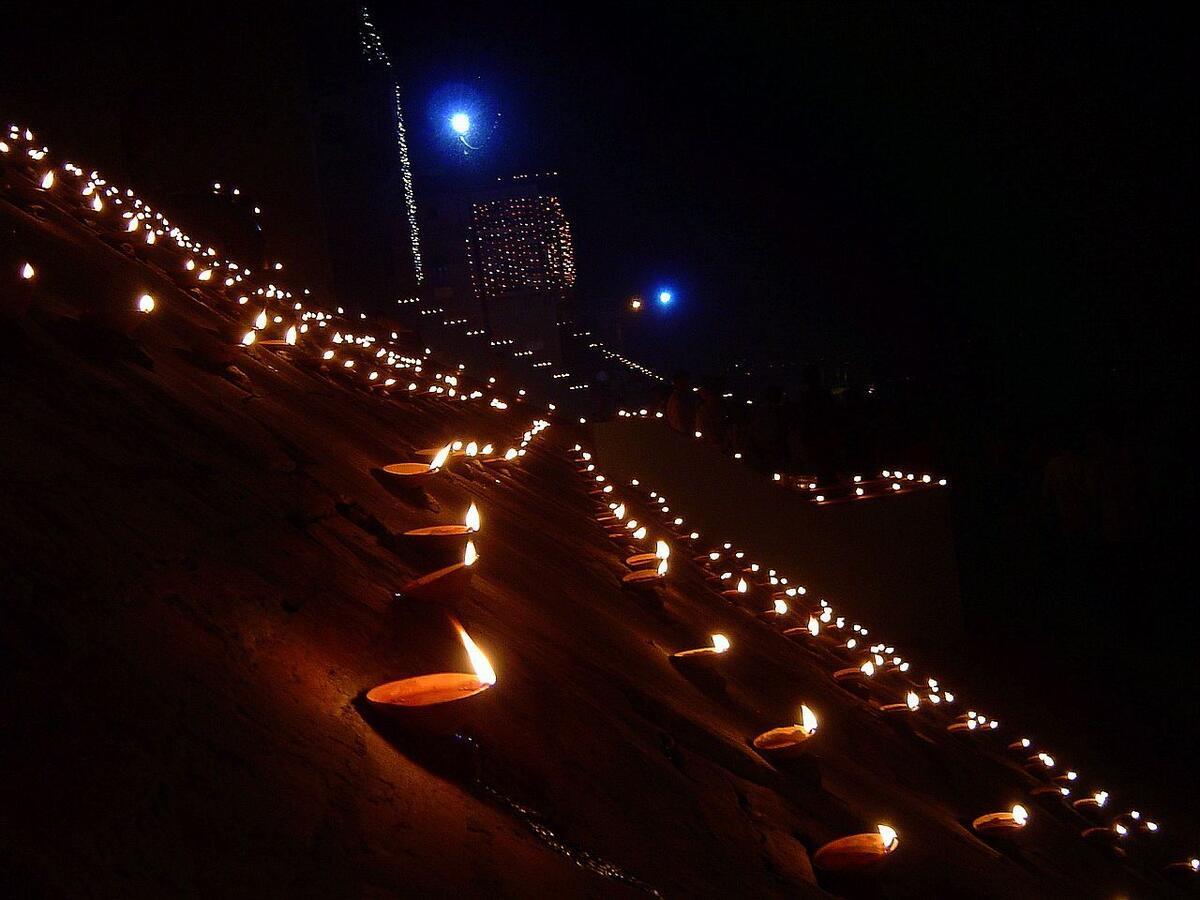
November to February is Kashi at its kindest and most crowded — Dev Deepawali's lakhs of lamps, fog-wrapped dawn boat rides, the dawn-only dessert called malaiyo, what to pack, and why winter yatras must be booked months ahead.
Tulsi Manas Mandir: The Temple Built Where the Ramcharitmanas Was Born
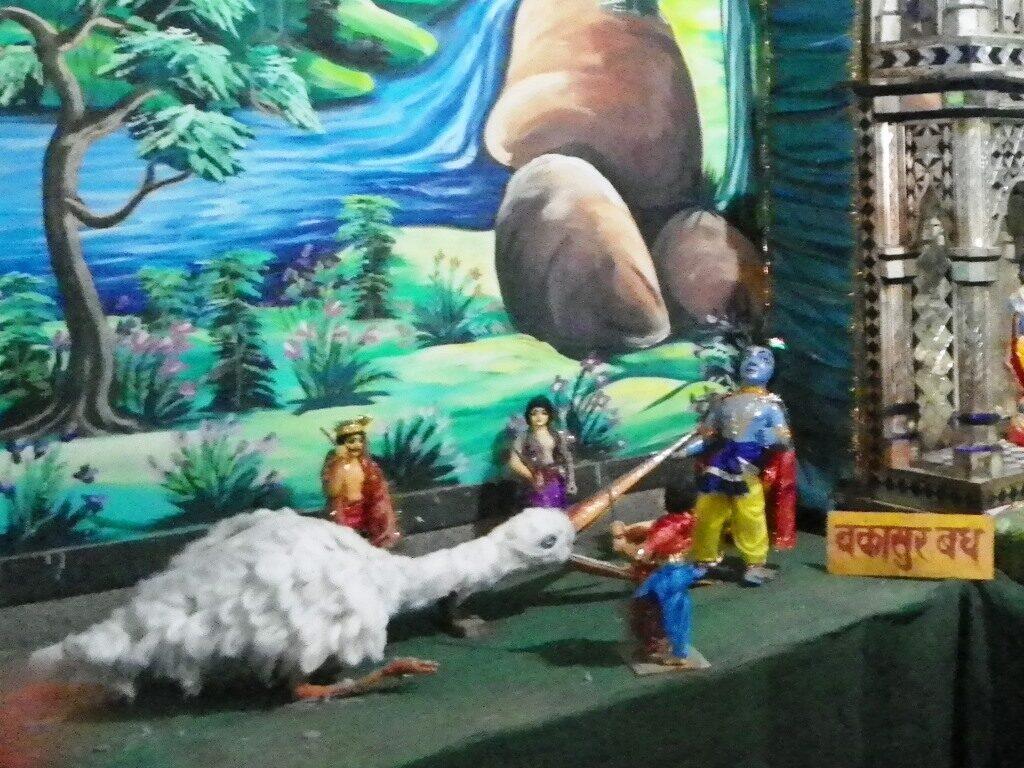
On the ground where Goswami Tulsidas composed the Ramcharitmanas stands a white marble temple whose walls carry his verses end to end. The story of the people's Ramayana, the moving tableaux upstairs, the Durga Mandir pairing, and a perfect evening plan.
Durga Mandir and Durga Kund: The Red Temple Where the Devi Chose to Stay
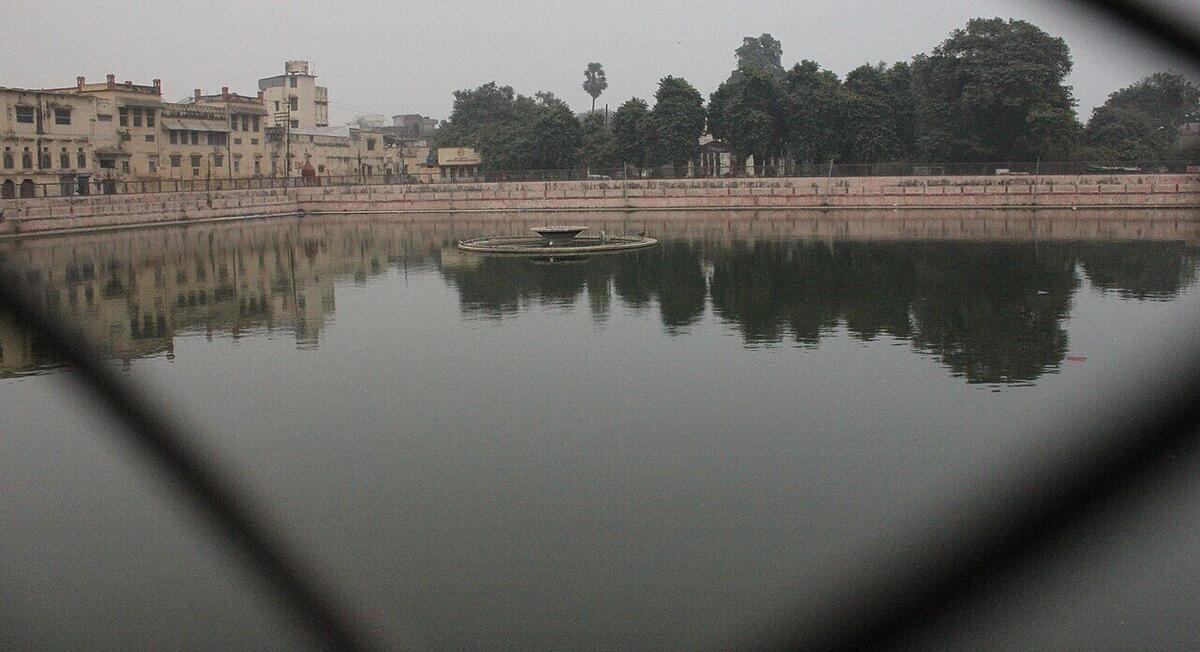
The 18th-century red temple of Durga Kund — built by Rani Bhabani of Natore around a murti tradition holds no sculptor ever made, beside a sacred tank older than memory. History, legends, Navratri in Kashi, and a pilgrim's visit plan.