Varanasi Ganga Aarti — Complete Guide to the World's Most Sacred Ceremony
If there is one experience that defines Varanasi, it is the Ganga Aarti — a breathtaking fire ceremony performed on the banks of the Ganges every single evening without fail. Rain or shine, summer or winter, this ancient ritual has been carried out for centuries, drawing thousands of devotees, spiritual seekers, and curious travellers from every corner of the world. It is, without exaggeration, one of the most powerful spiritual experiences you can witness anywhere on Earth.
This guide covers everything you need to know before attending the Ganga Aarti in Varanasi: the history behind it, where and when it happens, how to get the best views, and what the ceremony truly means.
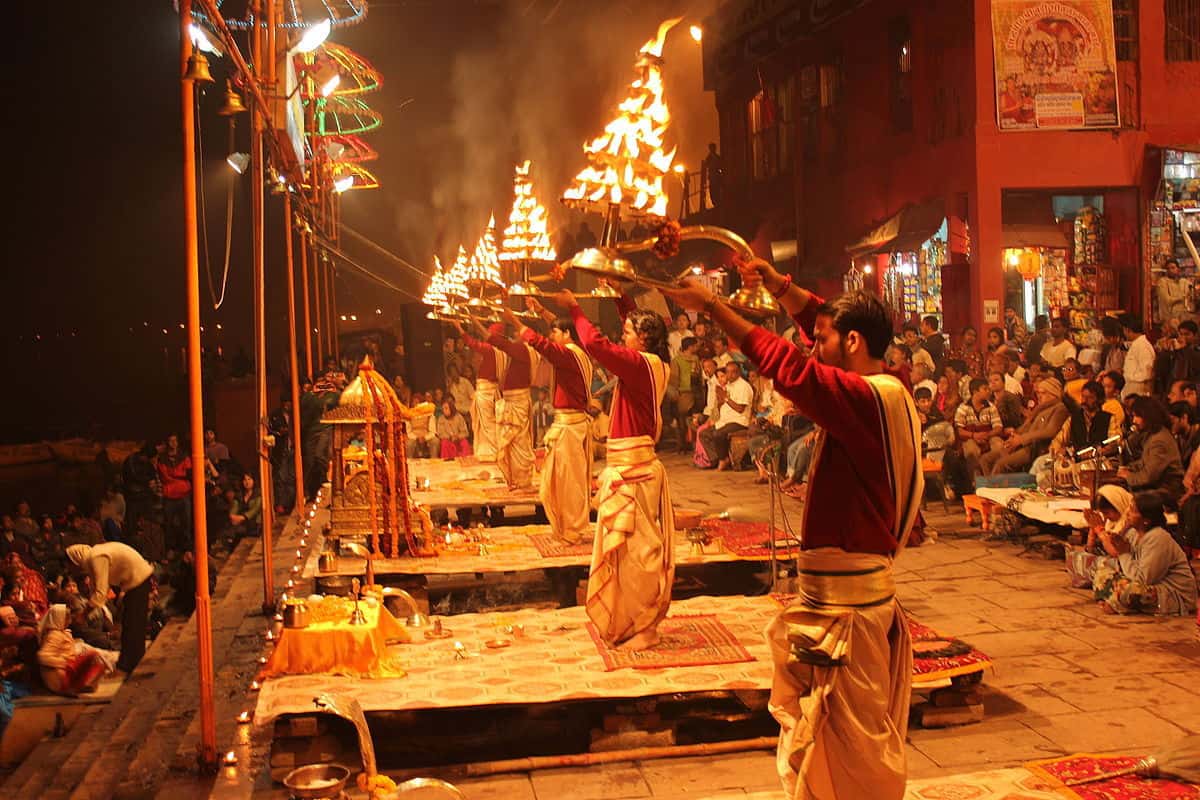
What Is Ganga Aarti?
Aarti is a Hindu devotional ritual in which light — usually from wicks soaked in ghee (clarified butter) or camphor — is offered to a deity. The word comes from the Sanskrit aratrika, meaning "the remover of darkness." When performed on the banks of the Ganga (Ganges), it becomes Ganga Aarti, a ceremony dedicated to Maa Ganga — the sacred river goddess who Hindus believe descended from heaven to purify the souls of the departed.
The Varanasi Ganga Aarti is not a small, private prayer. It is a grand, choreographed ceremony involving multiple priests (called purohits or pandas), massive multi-tiered brass lamps, conch shells, bells, drums, and devotional chanting that reverberates across the water. The entire ghat transforms into an open-air temple, and the river itself becomes the altar.
The History and Origins of Ganga Aarti in Varanasi
Varanasi — also known as Kashi or Benaras — is considered the oldest continuously inhabited city in the world, with a history stretching back over 5,000 years. The tradition of offering light to the Ganges is mentioned in ancient Vedic texts, but the modern, organized form of the Ganga Aarti at Dashashwamedh Ghat was revitalized in 1991 under the guidance of local religious leaders who wanted to preserve and celebrate the spiritual heritage of the city.
Since then, the ceremony has been performed every single day without interruption — a remarkable feat of devotion and discipline. Even during the COVID-19 pandemic, when the ghats were empty of spectators, the priests continued the aarti with an audience of none, maintaining the unbroken chain of worship.
Where Does Ganga Aarti Take Place?
There are three main locations in Varanasi where Ganga Aarti is performed. Each has a distinct character and atmosphere.
1. Dashashwamedh Ghat — The Grand Ceremony
This is the main and most famous Ganga Aarti in Varanasi, and arguably in all of India. Located at the central ghat near the Kashi Vishwanath Temple, the Dashashwamedh Aarti features five to seven priests performing a highly synchronized ritual with large, multi-tiered brass lamps weighing several kilograms each. The priests move in perfect unison, creating circles of fire against the darkening sky while hundreds of bells ring simultaneously.
Crowd level: Very high. Expect thousands of spectators, especially during festival season. Arrive at least 45 minutes early to secure a good viewing spot on the ghat steps.
2. Assi Ghat — The Intimate Alternative
Located at the southern end of the ghat stretch where the Assi River meets the Ganges, this aarti is smaller, quieter, and more meditative. Usually performed by two to three priests, it draws a more local crowd and feels significantly more personal. If you prefer contemplation over spectacle, Assi Ghat is the better choice.
Crowd level: Moderate. You can usually find a comfortable seat even if you arrive 15-20 minutes before the ceremony.
3. Rajghat and Other Minor Ghats
Smaller aartis are performed at various other ghats, including Rajghat and Panchganga Ghat. These are rarely attended by tourists and offer a glimpse into the everyday devotional life of Varanasi's residents. They are worth visiting if you are staying in the city for multiple days and want to see beyond the tourist trail.
Ganga Aarti Timings in Varanasi
There are two daily aartis — one at dawn and one at dusk. The timings shift slightly with the seasons.
Evening Aarti (Sandhya Aarti)
Timing: The evening Ganga Aarti at Dashashwamedh Ghat begins at approximately 6:45 PM in winter (October-February) and 7:00 PM in summer (March-September). The ceremony lasts about 45 minutes. Arrive by 6:00 PM to get a good seat.
This is the famous ceremony that most visitors come to see. The preparation begins around 6:00 PM when the priests lay out their ritual implements and the atmosphere begins to build with devotional music.
Morning Aarti (Subah-e-Benaras)
Timing: The morning aarti takes place at approximately 5:00-5:30 AM, varying with sunrise. It is shorter and more subdued, lasting about 30 minutes.
The morning aarti, often called Subah-e-Benaras (Morning of Benaras), is a completely different experience. Performed as the first light breaks over the eastern bank of the Ganges, it is far less crowded and deeply serene. Many seasoned travellers consider it the more spiritually authentic of the two ceremonies. Combining the morning aarti with a sunrise boat ride is one of the most memorable things you can do in Varanasi.
What to Expect During the Ceremony
Whether you attend the evening or morning aarti, here is a general sequence of what unfolds:
1. Preparation (15-20 minutes before): The priests take their positions on raised platforms facing the river. Devotional music plays through speakers. Flower sellers and diya (oil lamp) sellers circulate through the crowd.
2. Conch and Bell: The ceremony begins with the deep, resonant blast of a conch shell (shankh), followed by the ringing of large brass bells. This is the signal that the aarti has commenced.
3. The Fire Offering: The priests lift their massive brass lamps — some with as many as seven tiers of flames — and begin moving them in precise, circular patterns. Each movement has ritual significance, tracing sacred geometries in the air.
4. The Elements: Over the course of the ceremony, the priests offer not just fire but also incense, water, flowers, a silk cloth, a peacock-feather fan, and a yak-tail whisk to the river goddess. Each element represents a different aspect of creation.
5. Chanting and Music: Throughout the ritual, devotional hymns are chanted, including the famous "Om Jai Gangey Mata" and other Sanskrit shlokas. The crowd often joins in, creating an ocean of collective prayer.
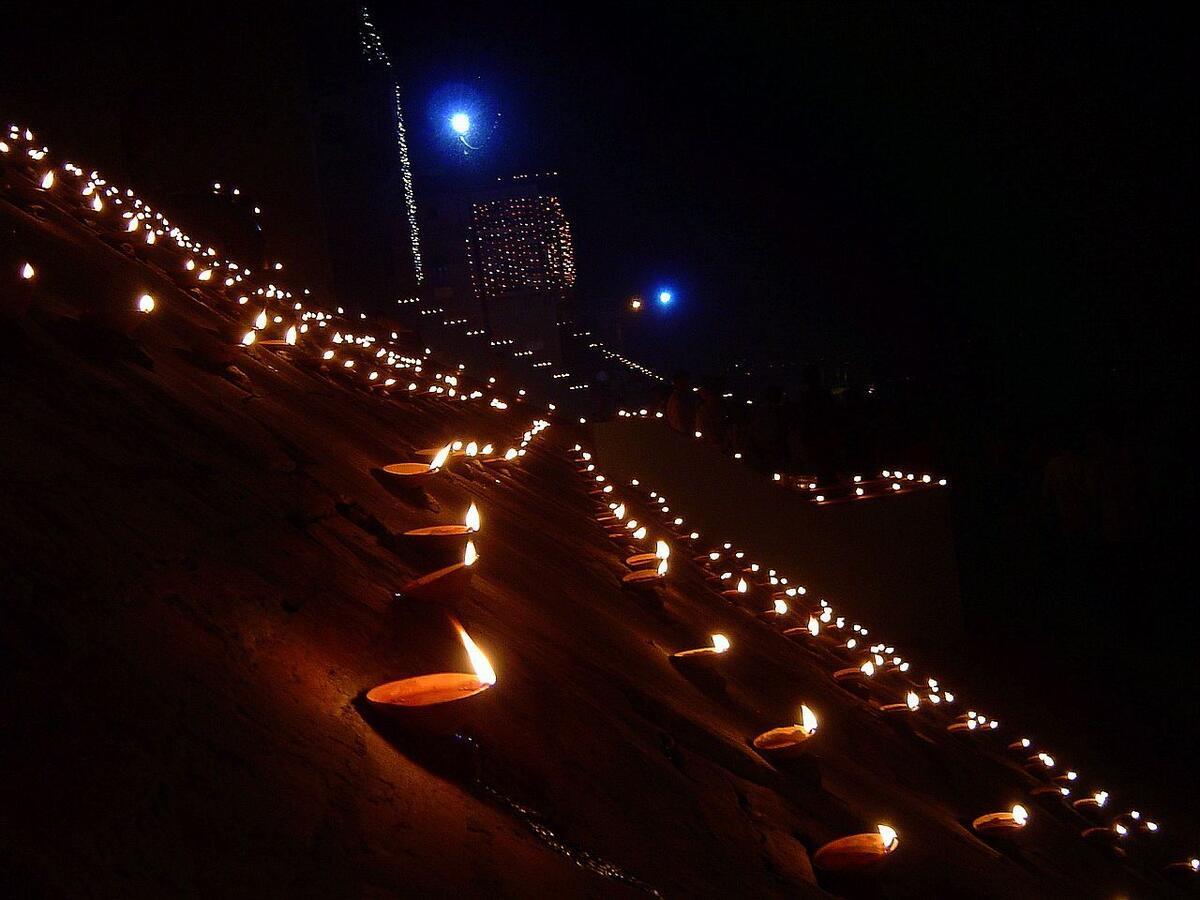
6. Floating Diyas: At the end of the ceremony, devotees release small leaf boats carrying oil lamps and marigold flowers onto the river. Watching thousands of tiny flames drift downstream on the dark water is an unforgettable sight.
Best Viewing Spots for Ganga Aarti
Where you watch from dramatically affects your experience. Here are your main options:
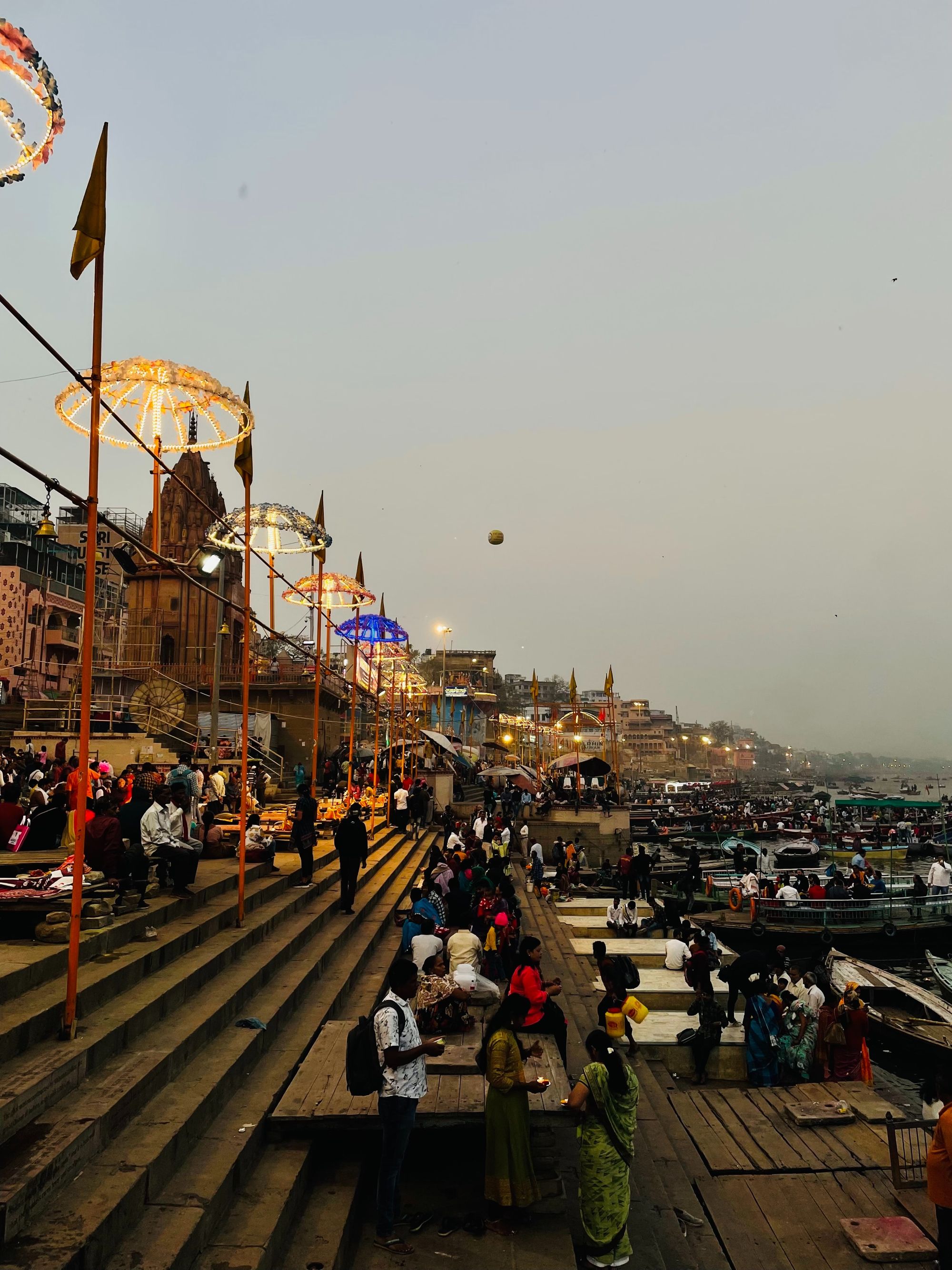
From the Ghat Steps
The most immersive option. You sit on the stone steps of the ghat among the crowd, close to the priests. Pros: You feel the heat of the flames, hear the bells without amplification, and are part of the energy of the crowd. Cons: It gets extremely crowded, especially at Dashashwamedh Ghat. You may be jostled, and your view can be blocked.
Tip: For the best ghat-side seat, arrive at least 45-60 minutes early and position yourself on the upper steps, slightly to the side of the main platform. This gives you an elevated, angled view that is often better than being directly in front.
From a Boat on the Ganges
Many visitors choose to watch the aarti from a wooden rowboat anchored on the river, facing the ghat. This is the more comfortable and photogenic option.
Pros: Unobstructed panoramic view, no crowd pressure, stunning photo opportunities with the fire reflected on the water. Cons: You are farther from the action and lose some of the visceral, up-close intensity. The sound is more distant.
Tip: Book your boat in advance through your hotel or a trusted guide. Expect to pay Rs 200-300 per person for a shared boat, or Rs 1,500-2,500 for a private boat. Negotiate before boarding. Ask the boatman to position you close to the ghat — some will anchor too far out to avoid congestion.
From a Rooftop or Upper Floor
A few restaurants and guesthouses along the Dashashwamedh Ghat waterfront offer rooftop or upper-floor seating with a view of the aarti. This is the most relaxed option, though you will be at a significant distance from the ceremony itself.
Photography Tips for Ganga Aarti
The Ganga Aarti is one of the most photographed events in India, but capturing it well requires some preparation:
Use a fast lens: The ceremony takes place in low light. A lens with an aperture of f/1.8 to f/2.8 will make a dramatic difference. If shooting on a phone, use night mode or manual controls.
Increase your ISO: Do not be afraid to push your ISO to 1600-3200. A slightly grainy photo with sharp detail is far better than a blurry one taken at a low ISO.
Capture the reflections: If you are on a boat, shoot the flames reflected in the Ganges. These reflections create some of the most iconic images of Varanasi.
Shoot the crowd, not just the priests: The devotion on the faces of the worshippers, the hands folded in prayer, the floating diyas — these details tell the story far more powerfully than another photo of fire.
Tip: Be respectful with your camera. Do not use flash (it is disruptive and will ruin the atmosphere), do not push through the crowd for a better angle, and do not block others' views by holding a tablet or phone high above your head for extended periods.
The Spiritual Significance of Ganga Aarti
For Hindus, the Ganga Aarti is not a performance — it is an act of profound devotion and gratitude. The river Ganges is not merely water; she is Maa Ganga, a living goddess who sustains life, purifies sin, and liberates the soul from the cycle of rebirth.
The aarti is performed to honour her, to thank her for the life she gives to the millions who depend on her waters, and to seek her blessings. The fire offered during the ceremony represents the light of knowledge that dispels the darkness of ignorance, a core concept in Hindu philosophy.
Varanasi itself occupies a unique place in Hindu cosmology. It is believed to be the city of Lord Shiva, who resides here eternally. Dying in Varanasi is said to grant moksha — liberation from the cycle of birth and death. The Ganga Aarti, therefore, is not just a nightly ritual but a cosmic event, a daily affirmation of the sacred relationship between the divine, the river, and the city that exists between worlds.
Practical Tips for Attending Ganga Aarti
Dress modestly. While there is no strict dress code, you are attending a religious ceremony. Cover your shoulders and knees as a sign of respect.
Watch your belongings. The ghats get extremely crowded during the evening aarti. Keep your wallet, phone, and camera secure. Pickpocketing can occur in dense crowds.
Beware of unsolicited "guides." Touts at the ghats may approach you offering to take you to a "special viewing spot" or to perform a private prayer on your behalf. Politely decline unless you have arranged this through a trusted source.
Buy a diya to float. Small leaf boats with oil lamps and flowers are sold for Rs 10-20. Releasing one onto the river at the end of the ceremony is a beautiful tradition to participate in, regardless of your faith.
Combine with a boat ride. The ideal Varanasi experience is a sunset boat ride followed by the Ganga Aarti. The boatman rows you along the ghats as the sun sets, then anchors near Dashashwamedh for the ceremony. This can be arranged through most hotels or directly at the ghats.
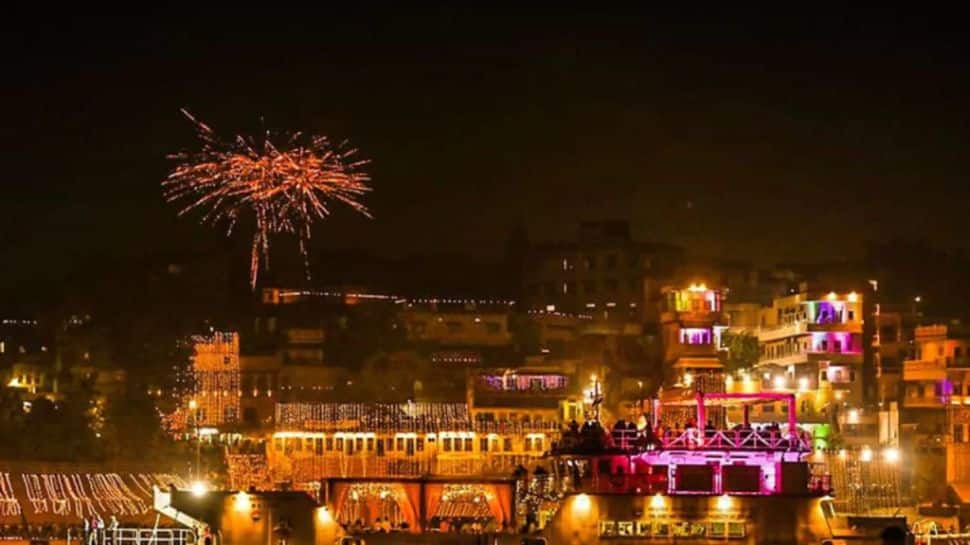
Visit during a festival. The aarti during Dev Deepawali (the festival of lights on the ghats, usually in November), Kartik Purnima, or Maha Shivaratri is exponentially grander, with hundreds of thousands of lamps lining the ghats and fireworks over the river. These are once-in-a-lifetime experiences.
Plan Your Varanasi Ganga Aarti Experience with Satmarg
The Ganga Aarti is more than a ceremony — it is the beating heart of Varanasi, a living connection to thousands of years of unbroken devotion. Whether you are a pilgrim seeking spiritual renewal or a traveller drawn by curiosity, watching the flames dance over the Ganges as the ancient chants fill the night air is an experience that stays with you long after you leave.
At Satmarg, we design curated pilgrimage packages that include the best Ganga Aarti experience — with expert local guides, pre-arranged boat rides, and insider knowledge of the best viewing spots. Let us help you witness this sacred ceremony the way it was meant to be experienced.
Related articles
Varanasi in Winter: Dev Deepawali, Fog on the Ganga, and the Season of Malaiyo
November to February is Kashi at its kindest and most crowded — Dev Deepawali's lakhs of lamps, fog-wrapped dawn boat rides, the dawn-only dessert called malaiyo, what to pack, and why winter yatras must be booked months ahead.
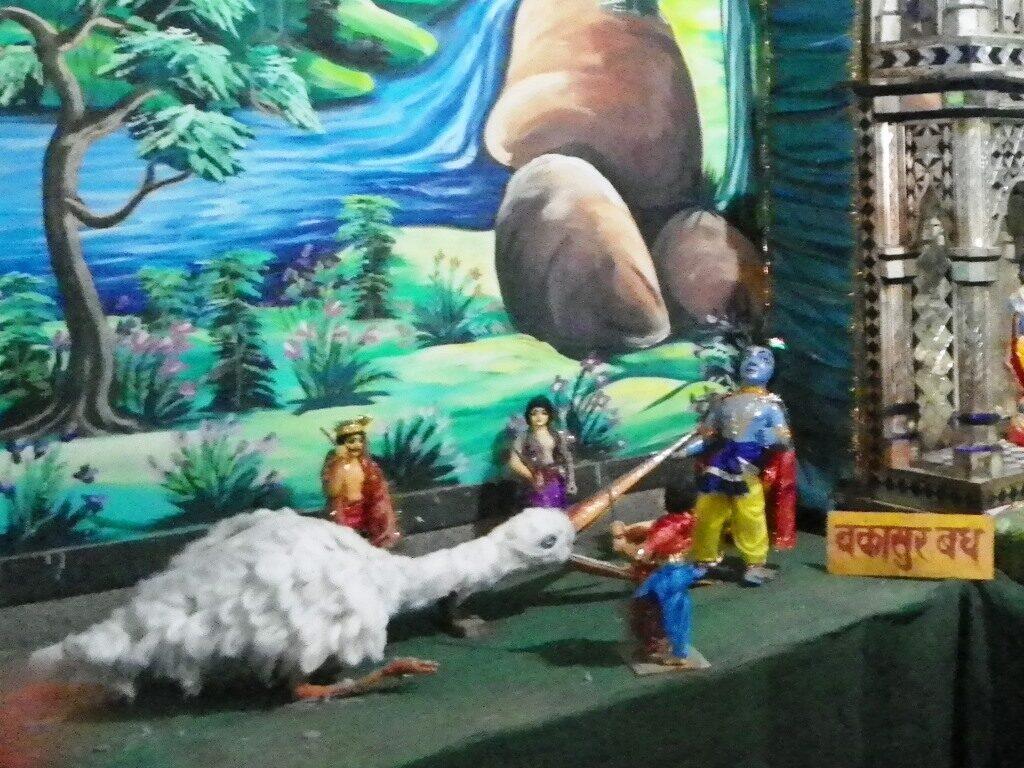
Tulsi Manas Mandir: The Temple Built Where the Ramcharitmanas Was Born
On the ground where Goswami Tulsidas composed the Ramcharitmanas stands a white marble temple whose walls carry his verses end to end. The story of the people's Ramayana, the moving tableaux upstairs, the Durga Mandir pairing, and a perfect evening plan.
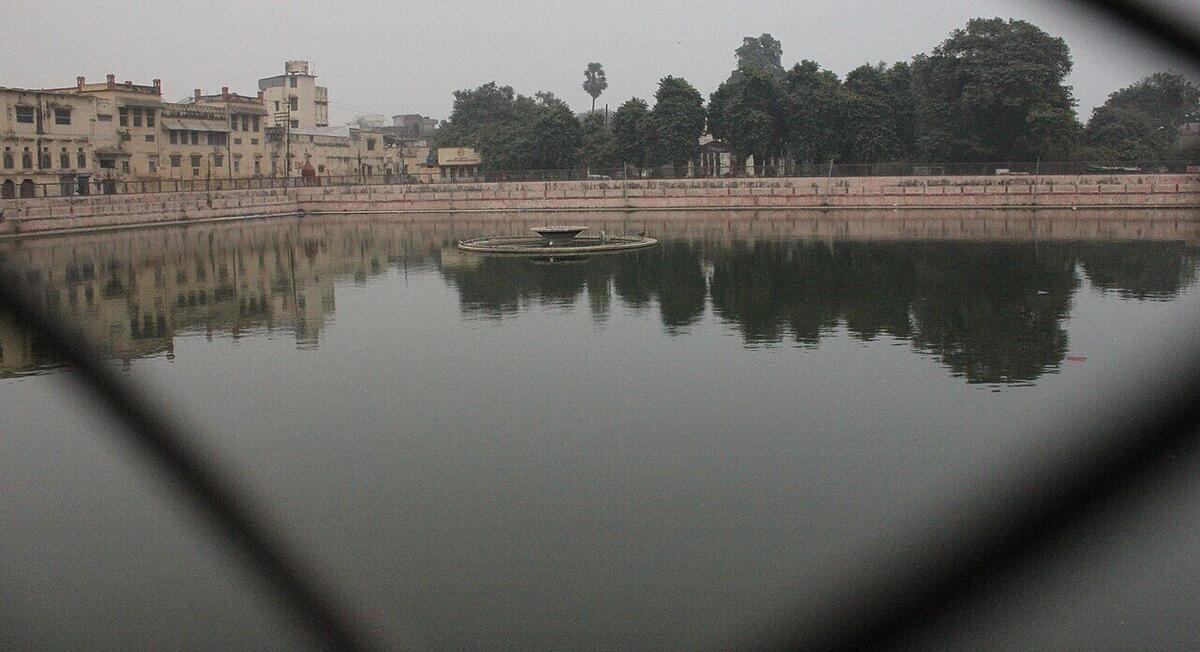
Durga Mandir and Durga Kund: The Red Temple Where the Devi Chose to Stay
The 18th-century red temple of Durga Kund — built by Rani Bhabani of Natore around a murti tradition holds no sculptor ever made, beside a sacred tank older than memory. History, legends, Navratri in Kashi, and a pilgrim's visit plan.