Varanasi to Prayagraj Pilgrimage — Complete Travel Guide
Prayagraj — formerly known as Allahabad — is one of Hinduism's holiest cities and sits just a few hours from Varanasi. Home to the sacred Triveni Sangam, where three of India's most revered rivers converge, Prayagraj has been a major pilgrimage destination for thousands of years. For anyone visiting Varanasi on a spiritual journey, a side trip to Prayagraj is not just recommended — it is practically essential.
This guide covers everything you need to plan the journey: how to get there, what to see, how long to stay, and the practical details that make the difference between a smooth trip and a stressful one.
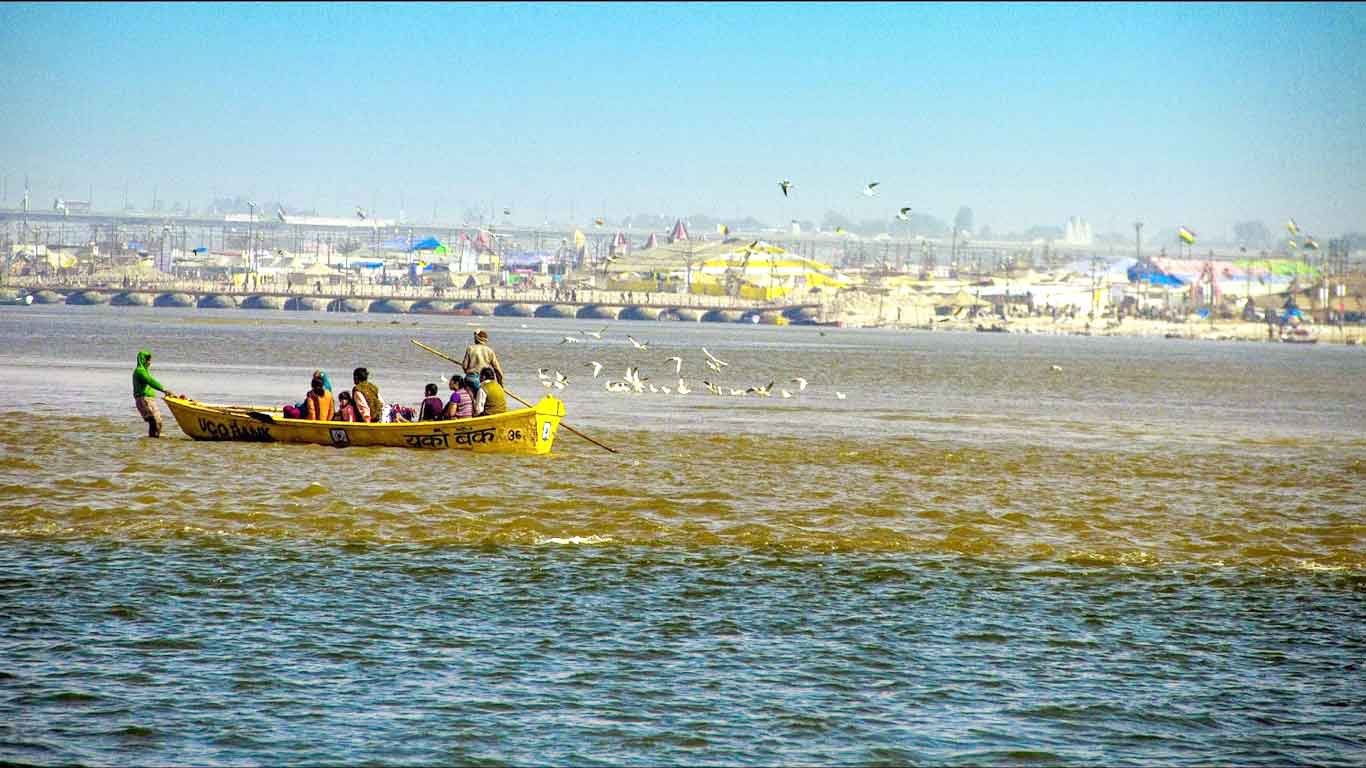
Why Visit Prayagraj on a Pilgrimage?
Prayagraj holds a position of immense importance in Hindu theology and tradition. Here are the reasons why pilgrims have been making this journey for millennia:
Triveni Sangam: The primary draw is the confluence of three rivers — the Ganges (Ganga), the Yamuna, and the mythical Saraswati (believed to flow underground). Bathing at this confluence is considered one of the most meritorious acts a Hindu can perform. It is believed to wash away sins accumulated over multiple lifetimes.
Kumbh Mela: Prayagraj hosts the Maha Kumbh Mela, the largest religious gathering on Earth, which occurs once every 12 years. The Ardh (half) Kumbh Mela takes place every 6 years. Even outside these events, the city pulses with spiritual energy. The Magh Mela, held annually during the month of Magh (January-February), draws millions of pilgrims who camp on the banks of the Sangam for weeks.
Ancient Pilgrimage Route: Historically, the journey from Kashi (Varanasi) to Prayag (Prayagraj) has been one of India's most important pilgrimage routes. The two cities are deeply connected in religious geography — many rituals performed in Varanasi are considered complete only after a visit to Prayagraj.
How to Get from Varanasi to Prayagraj
The distance between Varanasi and Prayagraj is approximately 125 kilometres. There are several convenient ways to make the journey.
By Train — The Most Popular Option
The train journey from Varanasi Junction (BSB) or Varanasi City (BCY) to Prayagraj Junction (PRYJ) takes approximately 2 to 3 hours depending on the train. Multiple trains run daily on this route, including:
Recommended trains:
- Vande Bharat Express: The fastest option at around 1.5 hours. Comfortable, air-conditioned, and modern. Book well in advance.
- Shiv Ganga Express / Kashi Vishwanath Express: Regular daily services taking 2-2.5 hours. Affordable and reliable.
- Several Intercity and Superfast trains: Multiple options throughout the day. Check the IRCTC website or app for current schedules.
Tip: Book train tickets at least 2-3 days in advance through the IRCTC website or app, especially during festival seasons. If trains are fully booked, check for Tatkal (last-minute) tickets which open at 10:00 AM the day before travel for AC classes and 11:00 AM for non-AC classes.
By Road — More Flexibility
The road journey takes approximately 3 to 3.5 hours via NH-19 (the old Grand Trunk Road). You can travel by:
Private car or taxi: The most comfortable option, costing approximately Rs 2,500-4,000 for a one-way trip. Your hotel in Varanasi can arrange this. For a day trip, hire the car for the full day (approximately Rs 4,000-6,000 including waiting time).
Bus: Regular government (UPSRTC) and private buses run between the two cities. AC buses cost approximately Rs 250-400, non-AC buses around Rs 150-200. The bus stand in Varanasi is at the main bus terminal near the Cantt area.
Tip: If hiring a private car, leave Varanasi by 6:00-7:00 AM to beat the traffic in both cities. The highway itself is generally in good condition, but city traffic in both Varanasi and Prayagraj can be slow.
What to See in Prayagraj
While the Triveni Sangam is the primary reason for visiting, Prayagraj has several other sites of significant religious, historical, and cultural importance.
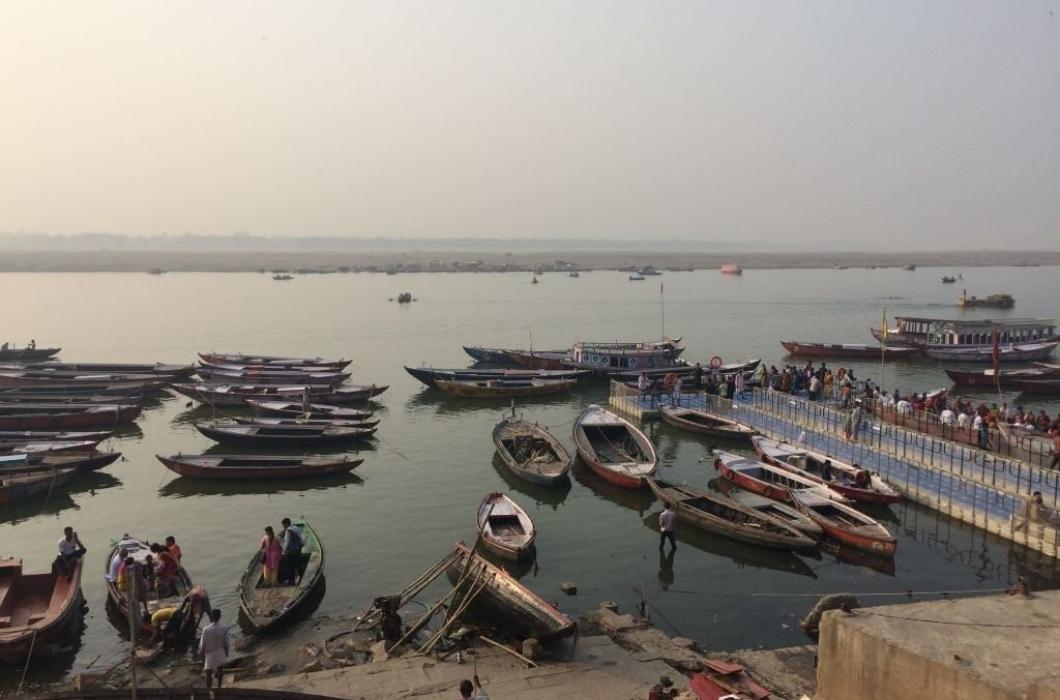
1. Triveni Sangam
The sacred confluence is the heart of Prayagraj. Pilgrims take a boat from the ghat to the actual meeting point of the rivers, where the waters change colour visibly — the muddy brown of the Ganges meets the greenish-blue of the Yamuna, creating a striking visual boundary.
At the Sangam, pilgrims perform ritual bathing (snan), offer prayers, and often conduct pind daan (rituals for departed ancestors). Boat rides to the Sangam typically cost Rs 100-200 per person in a shared boat, or Rs 500-1,000 for a private boat.
What to bring: A change of dry clothes, a towel, and a small container if you wish to carry Sangam water home. Many pilgrims bring offerings of flowers, coconut, and sweets.
2. Allahabad Fort (Akbar's Fort)
Built by Mughal Emperor Akbar in 1583, this massive fort sits right at the Sangam. While most of the fort is under the control of the Indian Army and closed to the public, you can visit the area housing the Akshayavat — an immortal banyan tree mentioned in ancient scriptures — and the Patalpuri Temple, an underground temple dating back centuries. The Saraswati Koop (well of the Saraswati river) is also located here.
Tip: The accessible portions of the fort can be visited in about 30-45 minutes. Entry is free. Photography restrictions apply in some areas due to the military presence.
3. Anand Bhawan
The ancestral home of the Nehru-Gandhi family, Anand Bhawan is now a museum showcasing India's freedom struggle. While not a pilgrimage site, it is an important historical landmark. The beautifully maintained mansion offers a fascinating window into India's independence movement and the personal lives of its most prominent political family.
Entry fee: Rs 80 for Indians, Rs 350 for foreign nationals. Open: 9:30 AM to 5:00 PM, closed on Mondays.
4. Hanuman Mandir (Bade Hanuman Ji Temple)
Located near the Sangam, this unique temple houses a reclining idol of Lord Hanuman — one of the very few in India where Hanuman is depicted lying down. The idol is partly submerged in water during the monsoon season when the river level rises, adding to its mystique. The temple is a must-visit for devotees of Hanuman and is conveniently located on the way to the Sangam.
5. Mankameshwar Temple and Nagvasuki Temple
For those with more time, these ancient Shiva temples offer quieter, more contemplative pilgrimage experiences. Mankameshwar Temple is believed to fulfil wishes (the name literally means "lord who fulfils desires"), while Nagvasuki Temple is one of the rare temples dedicated to the serpent king Vasuki.
6. Shringverpur (Nearby)
Located about 35 km from Prayagraj, Shringverpur is the place where Lord Rama, Sita, and Lakshmana crossed the Ganges during their exile, according to the Ramayana. The Ramchaura Mandir here marks the spot. It is a meaningful addition to an extended pilgrimage itinerary.
Best Time to Visit Prayagraj
Prayagraj has a North Indian climate with extreme summers and mild winters:
October to March (Best): Pleasant weather with temperatures between 10-25 degrees Celsius. This is also the season of the annual Magh Mela (January-February), which transforms the Sangam area into a massive tent city of pilgrims.
April to June (Avoid if possible): Temperatures soar above 45 degrees Celsius. Outdoor sightseeing is extremely uncomfortable and can be dangerous.
July to September (Monsoon): Heavy rains cause the rivers to swell, and the Sangam area may be partially flooded. Boat rides may be restricted. However, the landscape is lush and green.

Day Trip vs. Overnight Stay
This is one of the most common questions pilgrims ask. Here is a straightforward assessment:
Day Trip (Recommended for Most Visitors)
If your primary goal is the Triveni Sangam and the nearby temples, a day trip from Varanasi works well. Leave Varanasi by 6:00-7:00 AM, reach Prayagraj by 9:00-10:00 AM, spend 4-5 hours visiting the Sangam, Hanuman Temple, and the Fort, and return to Varanasi by evening.
This works best if: You have limited time, you prefer Varanasi's accommodation options, or you are using public transport and can catch convenient morning and evening trains.
Overnight Stay (Recommended for Deep Pilgrimage)
Stay overnight if you want to experience the early morning Sangam snan (ritual bath at dawn), visit Shringverpur, explore the city's other temples, or if your visit coincides with the Magh Mela or Kumbh Mela.
Where to stay: Hotels near Civil Lines offer the best combination of comfort, cleanliness, and proximity to the main sites. Budget options start at Rs 800-1,500 per night, while mid-range hotels cost Rs 2,000-4,000. During Kumbh Mela, dedicated tent accommodations are available near the Sangam.
Practical Tips for Your Prayagraj Visit
Carry cash. While UPI and digital payments are increasingly accepted, many boat operators, autorickshaw drivers, and small vendors at the Sangam still prefer cash. Carry Rs 2,000-3,000 in small denominations.
Hire a local guide at the Sangam. The area around the Sangam can be chaotic, especially for first-time visitors. A local pandas (priestly guide) will help you navigate the rituals, arrange the boat, and ensure you are not overcharged. Agree on the fee in advance — Rs 300-500 is reasonable for a basic Sangam visit.
Dress for ritual bathing. If you plan to bathe at the Sangam, wear clothes you can get wet in. Men typically bathe in a dhoti or shorts, women in a saree or salwar kameez. Bring a plastic bag for wet clothes and a dry change of clothing.
Protect against the sun. The Sangam area is entirely open with virtually no shade. Carry sunscreen, a hat, and plenty of water, especially if visiting between March and October.
Combine with other circuit destinations. Prayagraj fits naturally into a broader pilgrimage circuit that includes Varanasi, Ayodhya, and Chitrakoot. At Satmarg, we design multi-city pilgrimage packages that connect these sacred destinations with comfortable transport, trusted guides, and thoughtfully planned itineraries.
Plan Your Varanasi-Prayagraj Pilgrimage with Satmarg
The journey from Varanasi to Prayagraj is one of the oldest pilgrimage routes in India — a path walked by saints, scholars, and seekers for thousands of years. Whether you come for a few hours or a few days, bathing at the Triveni Sangam where three sacred rivers embrace is an experience that transcends ordinary travel.
At Satmarg, we offer complete Varanasi-Prayagraj pilgrimage packages that take care of every detail — from train tickets and trusted local guides to comfortable accommodation and ritual arrangements at the Sangam. Let us help you walk this ancient path with ease and devotion.
Related articles
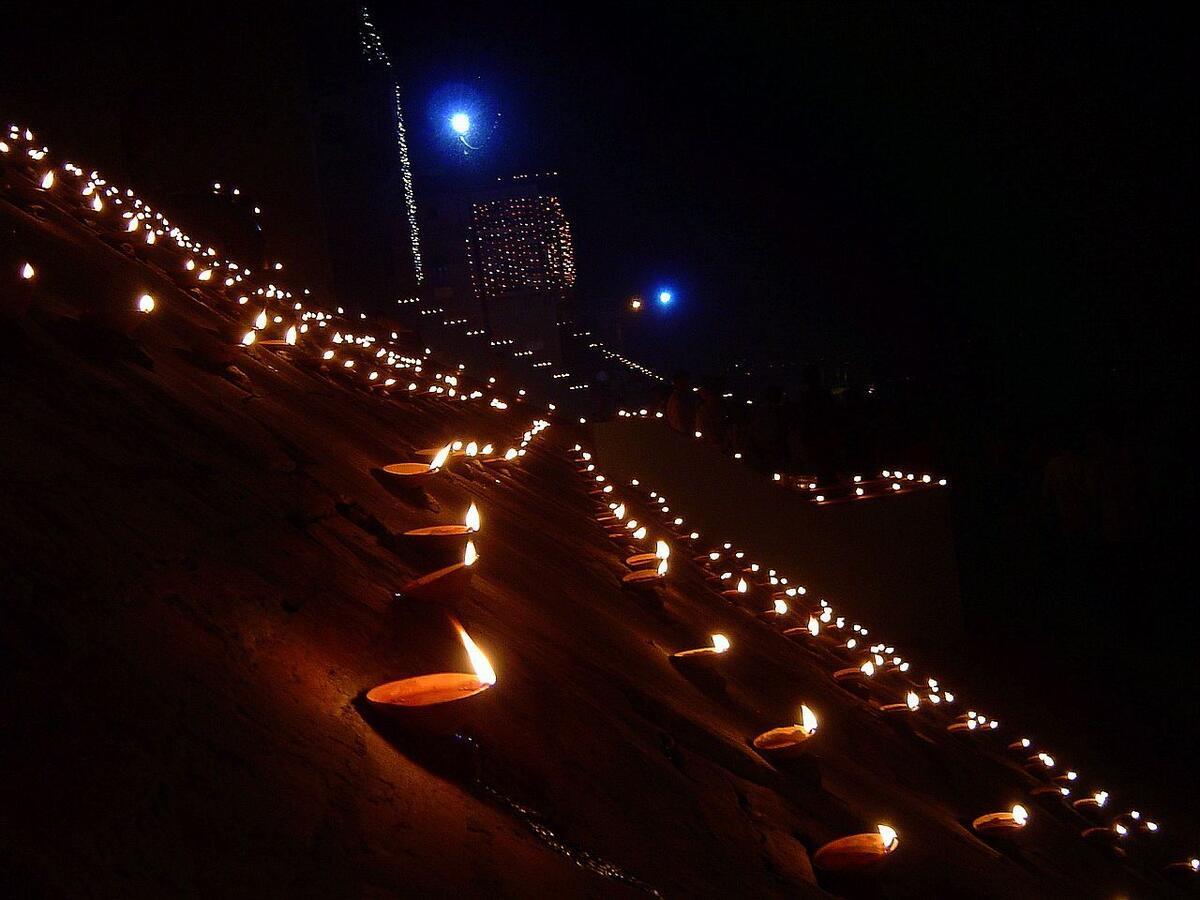
Varanasi in Winter: Dev Deepawali, Fog on the Ganga, and the Season of Malaiyo
November to February is Kashi at its kindest and most crowded — Dev Deepawali's lakhs of lamps, fog-wrapped dawn boat rides, the dawn-only dessert called malaiyo, what to pack, and why winter yatras must be booked months ahead.
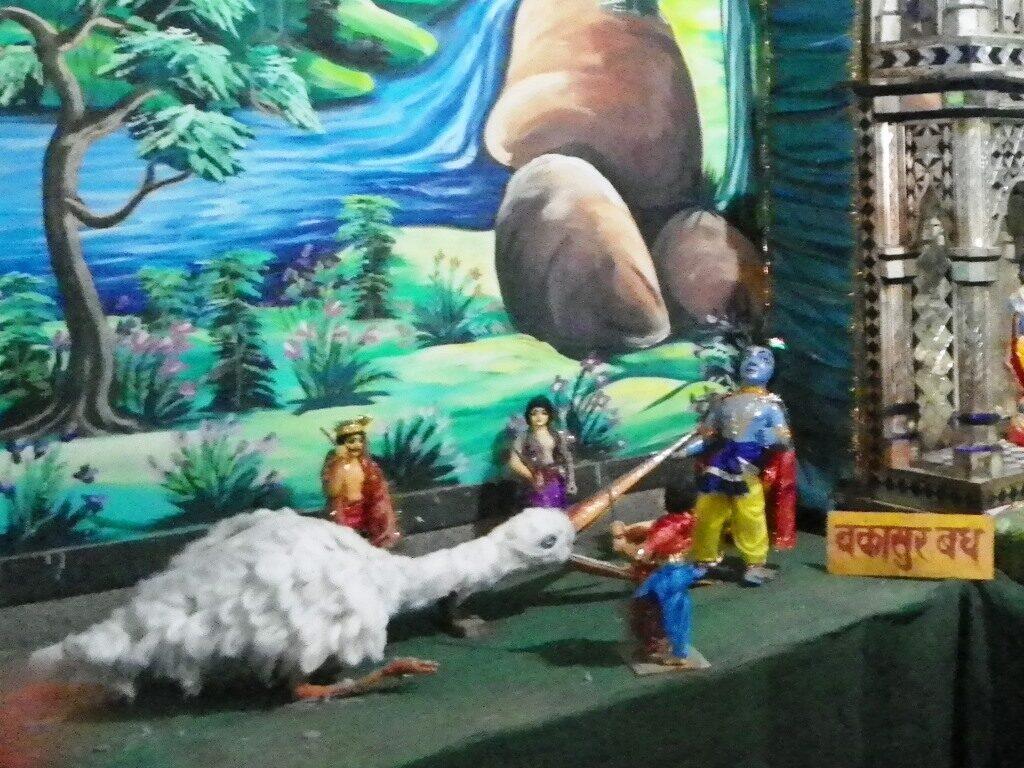
Tulsi Manas Mandir: The Temple Built Where the Ramcharitmanas Was Born
On the ground where Goswami Tulsidas composed the Ramcharitmanas stands a white marble temple whose walls carry his verses end to end. The story of the people's Ramayana, the moving tableaux upstairs, the Durga Mandir pairing, and a perfect evening plan.
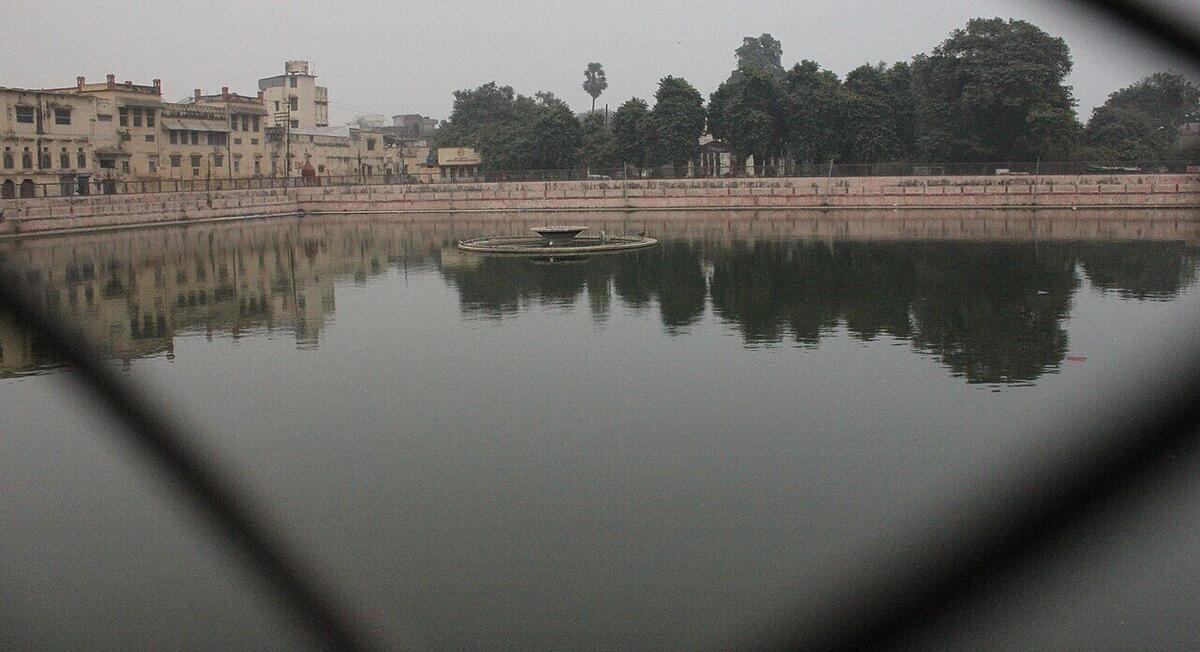
Durga Mandir and Durga Kund: The Red Temple Where the Devi Chose to Stay
The 18th-century red temple of Durga Kund — built by Rani Bhabani of Natore around a murti tradition holds no sculptor ever made, beside a sacred tank older than memory. History, legends, Navratri in Kashi, and a pilgrim's visit plan.