What to Wear When Visiting Hindu Temples in India — A Practical Guide
India is home to some of the most magnificent temples on Earth — from the towering gopurams of Tamil Nadu to the ancient stone carvings of Khajuraho, from the golden spire of Kashi Vishwanath to the serene sanctuaries of Kerala. Whether you are a devout pilgrim or a culturally curious traveller, understanding what to wear when visiting these sacred spaces is essential. It is a matter of respect, religious tradition, and — at many temples — a strict requirement for entry.
This guide covers the general dress code principles for Hindu temples across India, specific rules for major pilgrimage sites, and practical advice for buying appropriate clothing during your trip.

Why Dress Code Matters at Hindu Temples
Hindu temples are not tourist attractions — they are living places of worship. For Hindus, a temple is the earthly abode of God, and entering one is an act of devotion that requires physical and mental purity. Clothing is considered part of this purity. Wearing inappropriate attire is seen as disrespectful to the deity, the temple, and the community of worshippers.
Beyond the spiritual dimension, there are practical reasons. Many temples have strictly enforced dress codes, and you will simply be denied entry if you are not dressed appropriately. This is especially true at South Indian temples, which are known for their rigorous dress requirements. Being turned away after travelling a long distance is frustrating and entirely avoidable with a little preparation.
General Rules for All Hindu Temples
While specific rules vary from temple to temple, these principles apply almost universally across India:
1. Cover your shoulders and knees. This is the baseline requirement everywhere. Sleeveless tops, tank tops, shorts above the knee, and mini skirts are not acceptable in any Hindu temple.
2. Remove your footwear before entering. Every Hindu temple requires you to leave your shoes outside. This applies to all footwear — shoes, sandals, flip-flops, everything. Most temples have a designated shoe-keeping area or shelves near the entrance.
3. Avoid leather items. Leather is considered impure in many Hindu traditions because it comes from animal skin. While most temples will not check your belt or wallet, carrying obviously leather items (large bags, jackets) may attract attention at stricter temples.
4. Wear clean, non-provocative clothing. Clothes with offensive graphics, political slogans, or images of other deities (especially from non-Hindu traditions) may cause offence or lead to your being asked to change.
5. Cover your head if required. Some temples, particularly Sikh Gurdwaras (often visited alongside Hindu sites) and certain Devi (goddess) temples, require head covering. Carry a scarf or dupatta for this purpose.
Tip: When in doubt, dress more conservatively than you think is necessary. You will never be turned away for being too covered, but you can absolutely be turned away for being too exposed.
Men's Temple Dress Guide
The rules for men are generally straightforward but vary significantly between North and South India.
North Indian Temples (Including Varanasi, Prayagraj, Mathura, Ayodhya)
North Indian temples are generally less strict about men's dress codes. You will be fine with:
- Long trousers or pants (jeans are acceptable at most North Indian temples)
- A shirt with sleeves (short sleeves are fine; avoid sleeveless)
- Kurta-pyjama — the ideal choice, comfortable and universally appropriate
Avoid: Shorts above the knee, sleeveless vests, clothing with offensive prints.
South Indian Temples (Including Tirupati, Madurai, Rameswaram, Guruvayur)
South Indian temples are significantly stricter. Many major temples require men to wear specific traditional attire:
- Dhoti or lungi/mundu — a traditional cloth wrapped around the waist reaching the ankles. This is mandatory at many South Indian temples.
- A shirt — preferably a traditional style. Some temples require men to remove their shirt before entering the inner sanctum.
- No trousers or jeans at the strictest temples (notably Padmanabhaswamy Temple in Thiruvananthapuram and Guruvayur Temple in Kerala).
Tip: If you do not own a dhoti, do not worry. Most major South Indian temples have rental counters near the entrance where you can rent or buy a dhoti for Rs 30-100. It takes about 30 seconds to learn how to wrap one — the staff will help you.
Women's Temple Dress Guide
Women face more detailed dress code expectations, though most of them align with what would be considered modest traditional Indian clothing.
What Works Everywhere
- Saree — the gold standard. Universally appropriate at every Hindu temple in India, no exceptions.
- Salwar kameez (Punjabi suit) — equally appropriate and more comfortable for many women, especially when walking long distances.
- Churidar with a long kurta — the kurta should ideally cover the hips. A dupatta (long scarf) draped over the shoulders is strongly recommended.
- Long skirt with a modest top — acceptable at most North Indian temples. The top should have sleeves and a modest neckline.
What to Avoid
- Jeans and trousers — acceptable at many North Indian temples but will get you turned away at strict South Indian ones.
- Leggings as standalone bottoms — even with a long top, leggings can be considered too form-fitting at conservative temples.
- Sleeveless tops, spaghetti straps, off-shoulder styles — not acceptable anywhere.
- Shorts, mini skirts, crop tops — absolutely not.
- Transparent or very tight clothing — even if technically covering the right areas, overly revealing clothing will attract unwanted attention and potential refusal of entry.
Temple-Specific Dress Code Rules
Some of India's most important temples have rules that go beyond the general guidelines. Here are the specifics for major pilgrimage destinations:
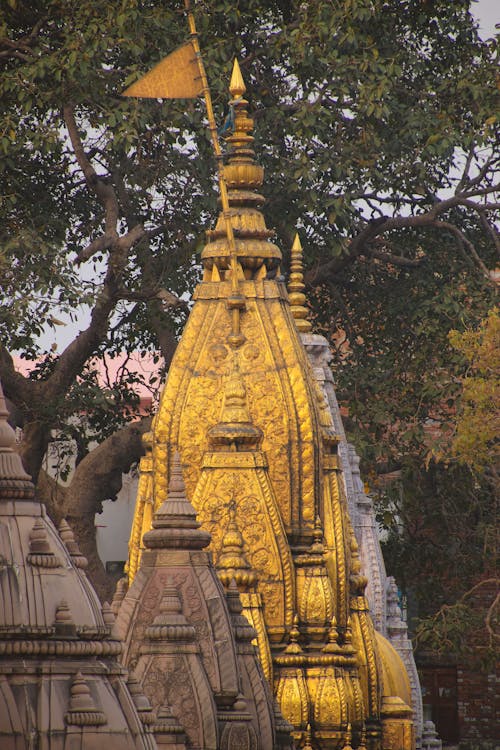
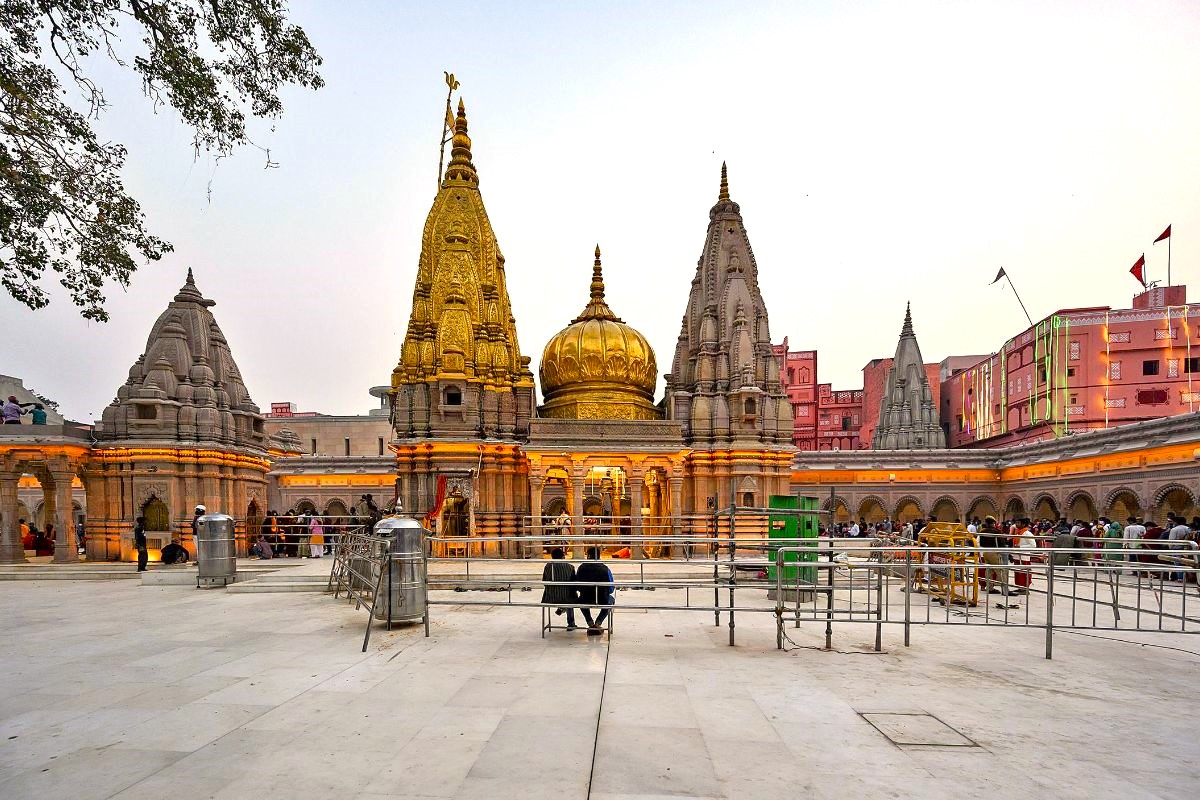
Kashi Vishwanath Temple, Varanasi
One of the 12 Jyotirlingas and arguably the most important Shiva temple in India. The dress code is moderate by North Indian standards:
- Men: Full-length trousers or dhoti with a shirt. Jeans are generally accepted.
- Women: Saree, salwar kameez, or any modest outfit covering shoulders and knees.
- No bags, phones, cameras, or electronic devices are allowed inside (these must be deposited at lockers near the entrance).
- Security is extremely tight due to the temple's high-security zone. Be prepared for airport-style screening.
Tirupati Balaji (Tirumala), Andhra Pradesh
One of the most visited religious sites on Earth. The dress code is strictly enforced:
- Men: Dhoti or formal trousers with a shirt. Jeans and T-shirts are technically allowed but traditional attire is strongly preferred.
- Women: Saree or churidar/salwar kameez. Western clothing is discouraged.
- For special darshan (VIP queues), traditional attire is mandatory.
Meenakshi Amman Temple, Madurai
One of South India's grandest temples. The dress code is strict:
- Men: Dhoti or veshti required for the inner sanctum. Trousers may be acceptable in the outer areas but not near the main shrines.
- Women: Saree or half-saree (pavadai davani) preferred. Salwar kameez is generally accepted.
Padmanabhaswamy Temple, Thiruvananthapuram
One of the strictest dress codes in India. Only Hindus are permitted entry, and the dress code is rigidly traditional:
- Men: Must wear a dhoti (mundu) without a shirt. No trousers, jeans, or upper garments.
- Women: Must wear a saree or long skirt with a blouse. No churidar, salwar kameez, or Western clothing.
Buying Temple-Appropriate Clothing in Varanasi
If you arrive in India without suitable temple clothing, Varanasi is one of the best places to buy it. The city is famous for its textiles, and you can find everything from basic cotton kurtas to exquisite Banarasi silk sarees.
For budget-friendly options:
- Godowlia Market — The commercial heart of Varanasi, within walking distance of the ghats. Dozens of shops sell readymade kurta-pyjama sets for men (starting at Rs 300-500) and salwar kameez for women (starting at Rs 500-800).
- Vishwanath Gali — The lane leading to Kashi Vishwanath Temple is lined with shops selling everything from simple cotton clothing to premium Banarasi silk.
- Street vendors near the ghats — Simple cotton dhotis and stoles can be purchased for as little as Rs 100-200.
For premium Banarasi silk:
- Visit the weaver colonies in the Sarai Mohana and Madanpura areas for authentic, handloom Banarasi silk sarees bought directly from the weavers. Prices start at around Rs 3,000-5,000 for genuine silk.
Tip: A simple cotton kurta-pyjama set is the single most versatile purchase you can make for a pilgrimage trip. It is comfortable in the heat, appropriate at every temple in India (including the strictest South Indian ones when paired with a dhoti), and makes an excellent souvenir.
Footwear Tips for Temple Visits
Since you will be removing your shoes repeatedly throughout the day on a pilgrimage, footwear deserves its own consideration.
Wear slip-on sandals or flip-flops. Shoes with laces, buckles, or complex straps waste time and create frustration when you are entering and leaving multiple temples in a day. Simple, easy-to-remove footwear is ideal.
Bring socks for hot surfaces. Temple floors — especially in South India — can be scorching hot during summer months. The stone and marble floors absorb heat and can literally burn your feet. Many temples allow socks, which provide some protection. Carry a pair in your bag.
Use shoe-keeping services. Most major temples have staffed shoe counters where you deposit your footwear and receive a token. These are safe and reliable. At smaller temples, you may need to leave shoes on a rack or on the ground. In these cases, bring a plastic bag to carry your shoes with you inside.
Avoid expensive or sentimental footwear. Shoes do occasionally get mixed up or taken at busy temples. Wear something you will not be devastated to lose.
Tip: Invest in a pair of good-quality rubber or leather chappal (Indian sandals) when you arrive. They cost Rs 100-300, are perfectly suited for temple visits, and last the entire trip. Many pilgrims keep a dedicated "temple pair" that is easy to slip off and carry.
Additional Tips for a Comfortable Temple Visit
Carry a stole or dupatta. Even if you are dressed appropriately, having a lightweight scarf in your bag is invaluable. It can serve as a head covering when required, an additional layer of modesty if needed, a mat to sit on during prayers, or protection from the sun between temples.
Avoid dark colours in summer. White, light yellow, light blue, and cream-coloured clothing reflects heat and keeps you cooler during long temple visits in the Indian summer. Dark clothing absorbs heat and can be uncomfortable.
Check temple-specific rules before you go. A quick online search or a question to your hotel staff can save you from unpleasant surprises. Rules can change, and festival days sometimes have different requirements.
Respect the tradition, even if you disagree with it. Dress codes at Hindu temples are rooted in centuries of religious tradition. Whether or not you personally believe clothing affects spiritual purity, respecting the customs of the community you are visiting is a basic principle of good travel.
Dress Right, Travel Blessed
Knowing what to wear to Hindu temples is not just about following rules — it is about entering these sacred spaces with the right intention and respect. When you dress appropriately, you remove a barrier between yourself and the experience. The temple staff welcome you warmly, fellow devotees include you in their prayers, and you can focus entirely on the spiritual atmosphere rather than worrying about being turned away.
At Satmarg, our pilgrimage packages include detailed pre-trip guidance on dress codes, packing lists, and temple etiquette for every destination on your itinerary. We ensure you arrive prepared, comfortable, and ready to experience India's sacred spaces as they are meant to be experienced.
Related articles
Annapurna Devi Temple, Varanasi: The Mother Who Feeds Kashi, Steps from Baba Vishwanath
The temple of Mata Annapurna beside Kashi Vishwanath — the legend of Shiva's bhiksha, the golden murti shown only from Dhanteras to Annakut, the free kitchen that feeds thousands daily, and why her darshan completes Vishwanath's.
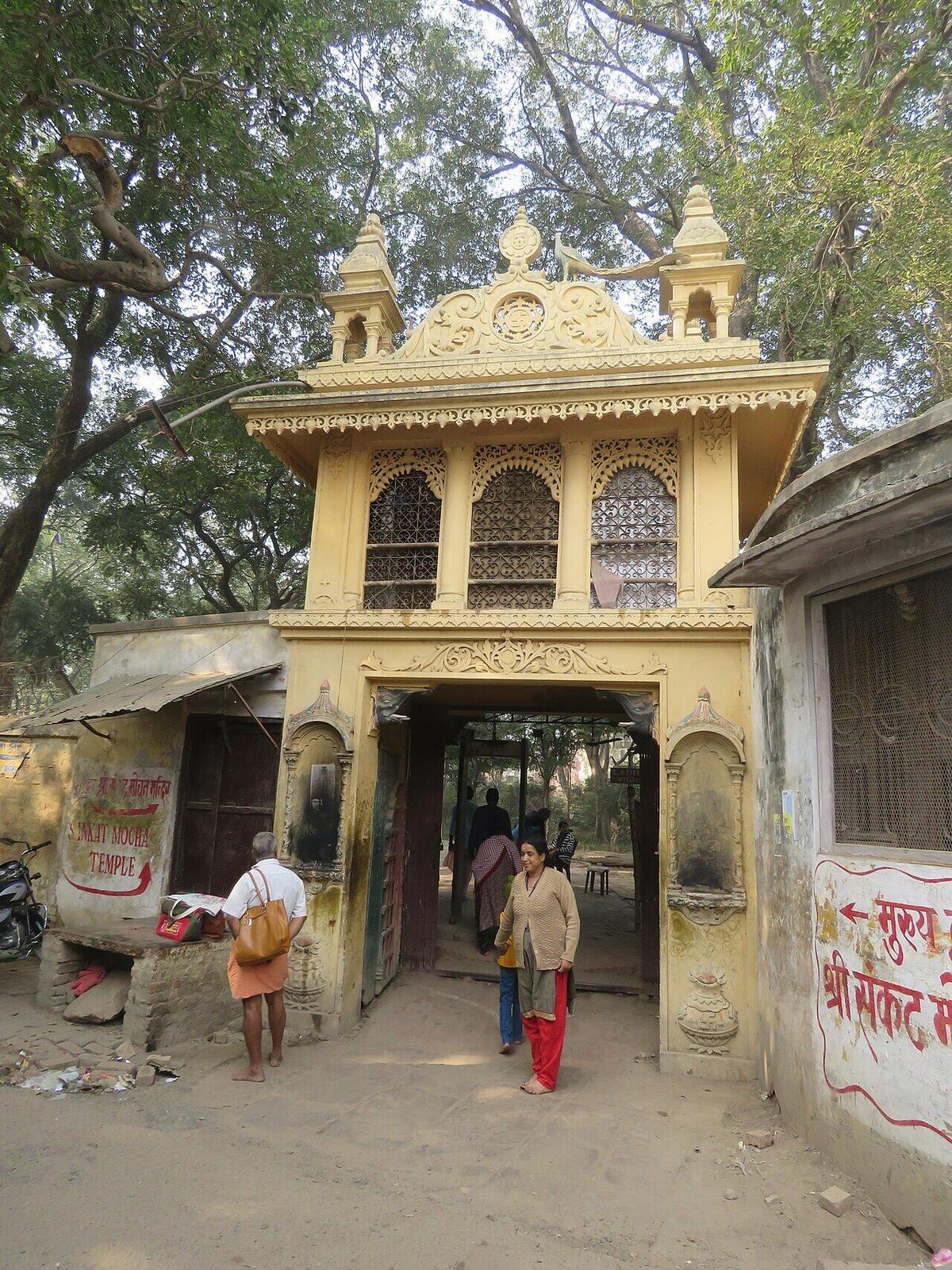
Sankat Mochan Hanuman Temple: Tulsidas's Gift to Kashi, and How to Visit It Well
The complete pilgrim's guide to Sankat Mochan — the Tulsidas story, why Tuesdays and Saturdays overflow, the besan laddoo prasad, timings and no-phone rules, and the April music festival where India's greatest artists sing for Hanuman ji.
Kaal Bhairav, the Kotwal of Kashi: Why No Yatra Is Complete Without His Darshan
Baba Kaal Bhairav is the divine police chief of Varanasi — tradition holds that a Kashi yatra is incomplete without his permission. His story, timings, the black-thread tradition, and how to find the temple in the old city.