All Circuits

Pilgrimage Circuit

Varanasi Ghat Walk — Assi to Rajghat

10Sacred Stops
~0km Total
Half day (4–5 hours)Duration
moderateDifficulty
Oct–Mar mornings; Apr–Jun evenings (pre-dawn walks possible year-round)Season

The tradition

About This Yatra

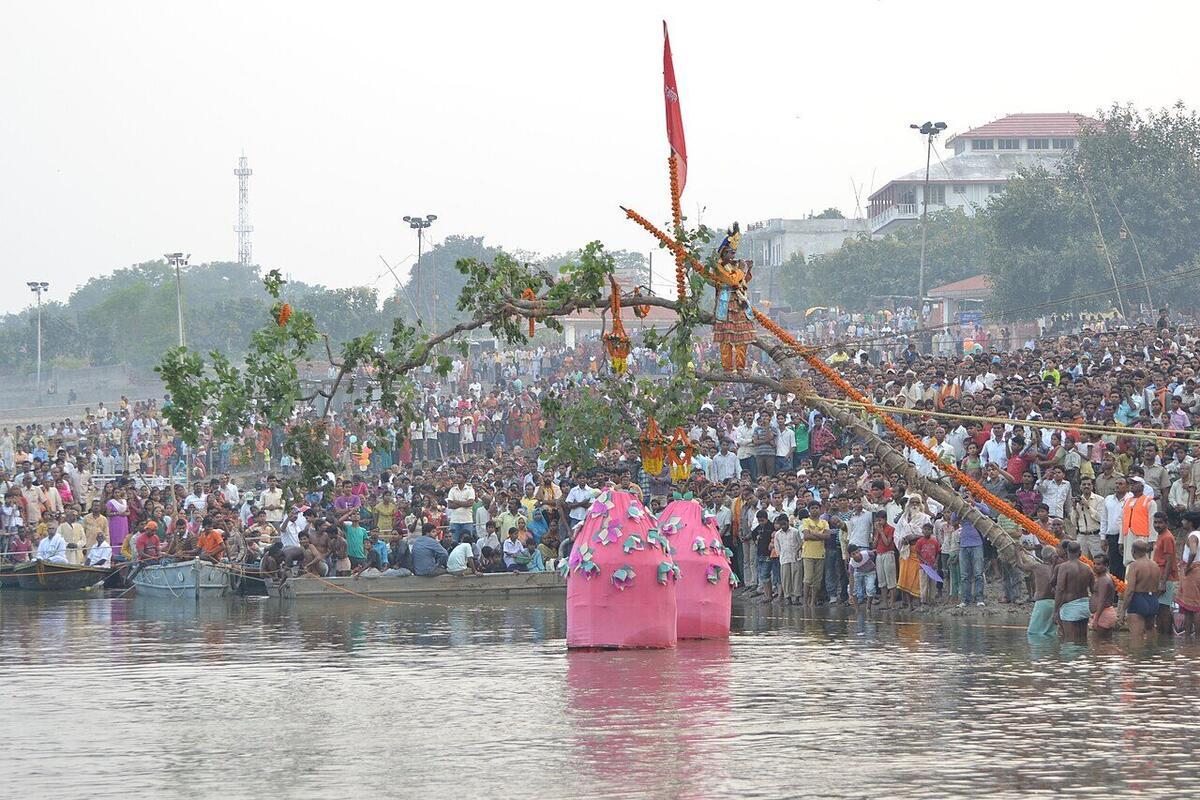
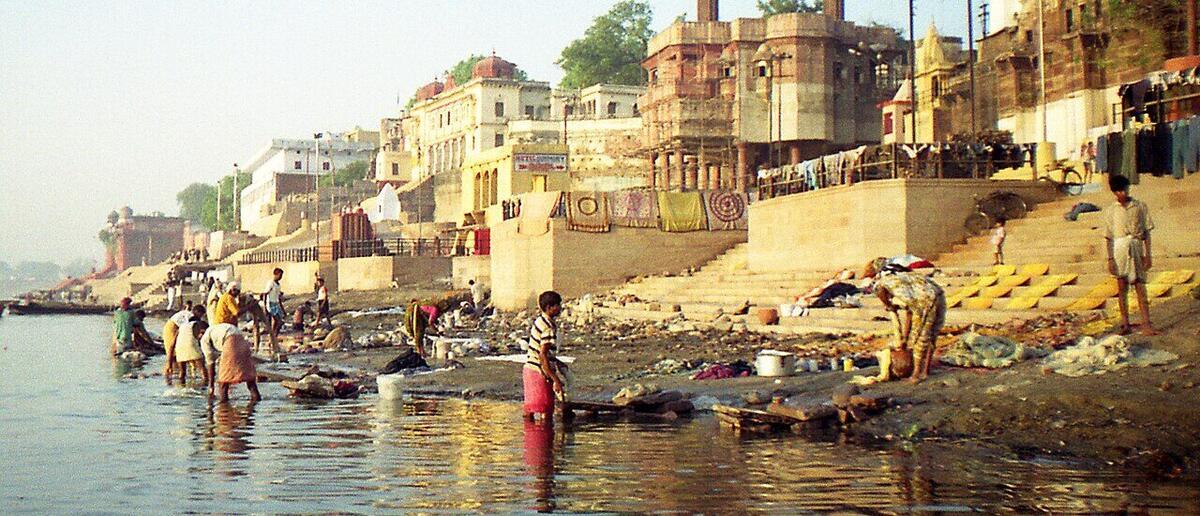
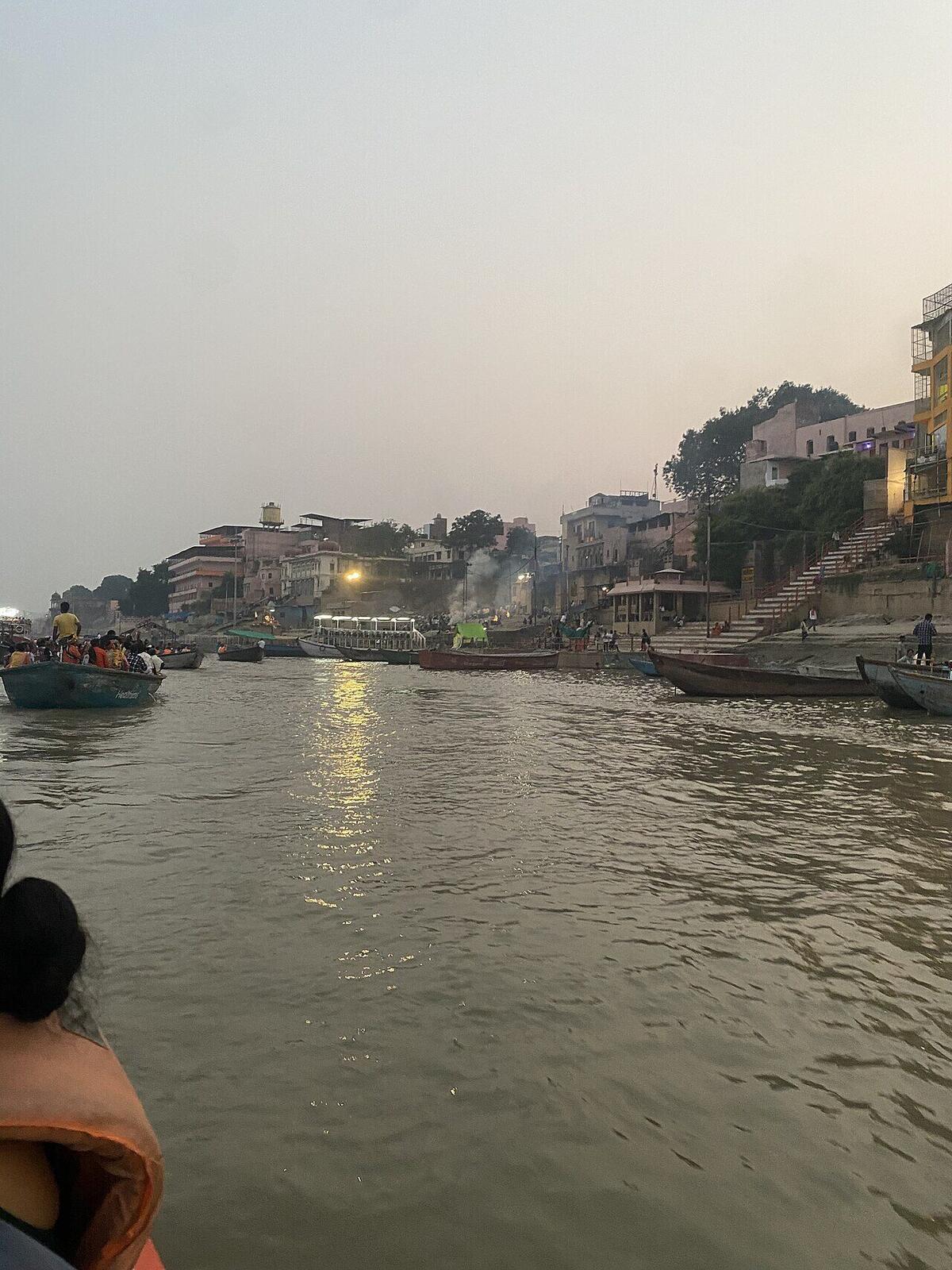
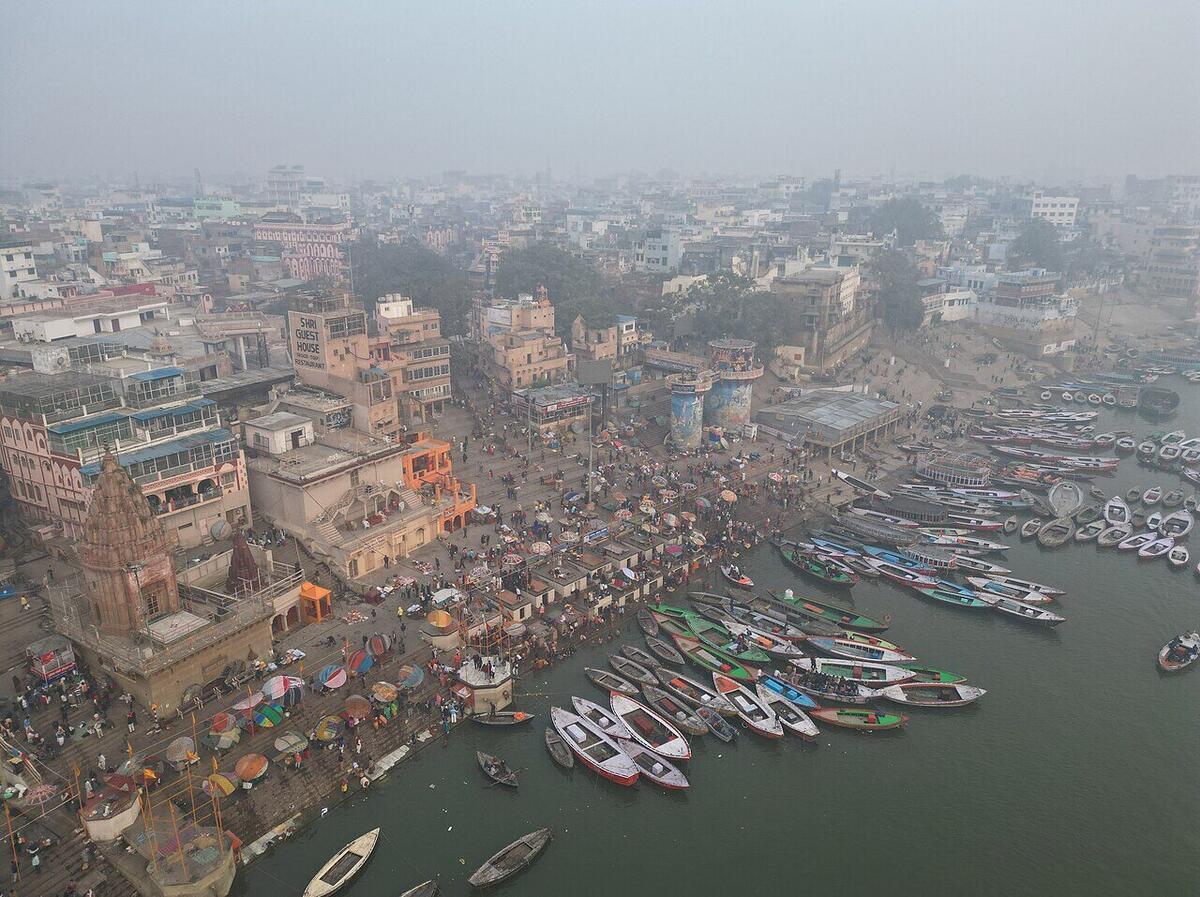
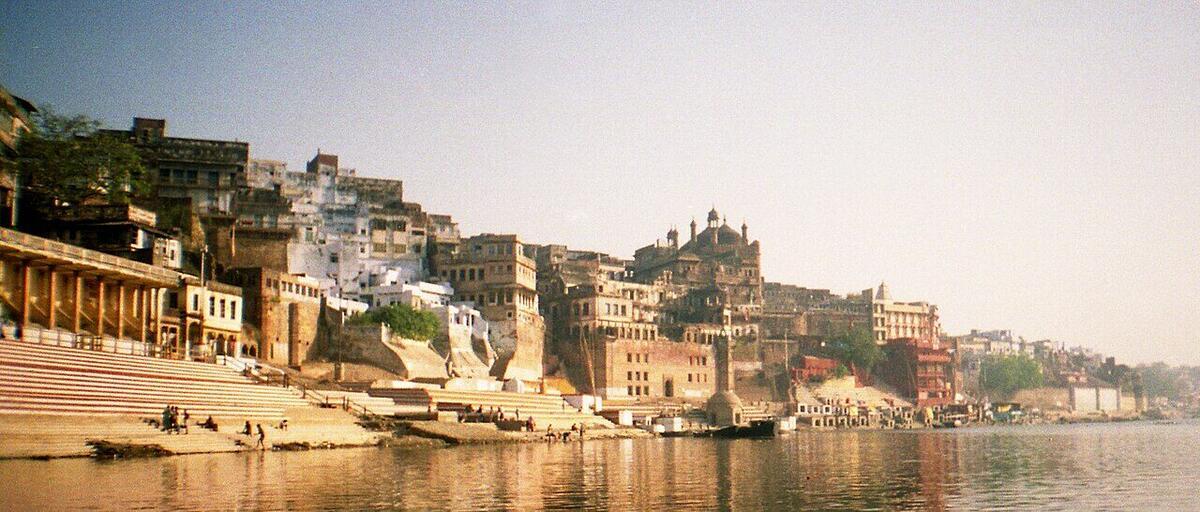
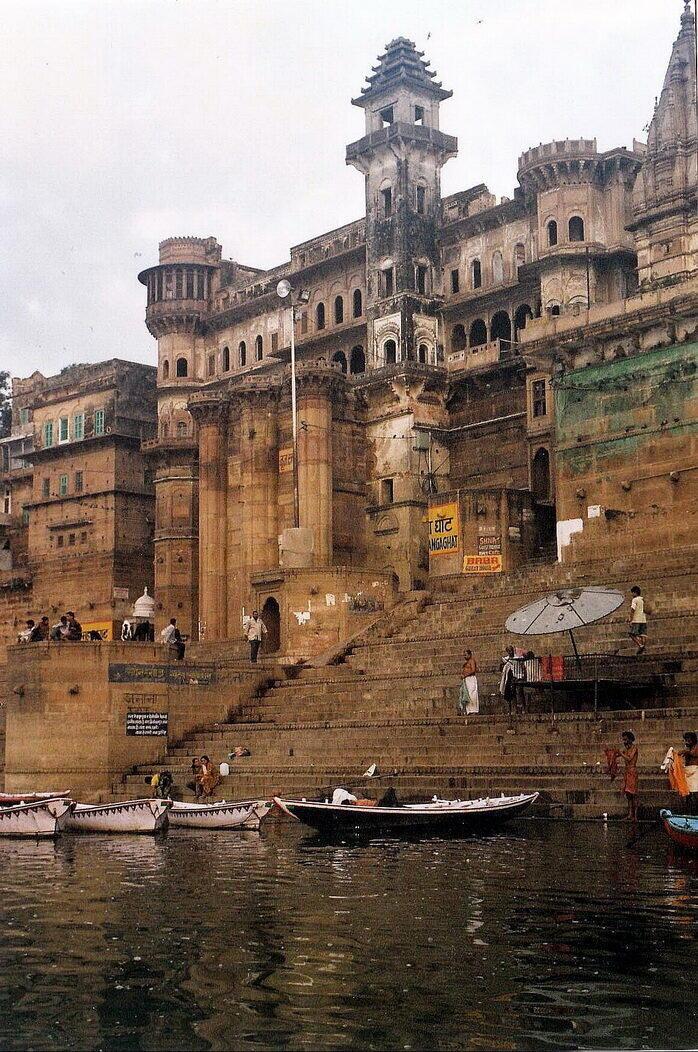
The continuous ghat-front of Varanasi runs for 6.5 kilometres along the western bank of the Ganga, from Assi Ghat in the south to Rajghat in the north. Eighty-four ghats in a single unbroken line — stone steps descending into the river, each with its own deity, its own ruler-patron who built it, its own ritual function, its own crowd of bathers, boatmen, and pilgrims.

This circuit is the continuous walk. Not a boat-ride glance at the ghats — the walk. Four to five hours on foot, stopping at ten key ghats for their story, their moment of the day, their architecture. Start at Assi before dawn; reach Rajghat by mid-morning. You will have traversed the entire sacred riverfront of the oldest continuously-inhabited city on earth.

The best local Varanasi guides all recommend this walk once before any temple circuit. It orients the city for you. After it, every subsequent darshan becomes coordinated on a map you now carry in your head.

Why this route

Spiritual Significance

The ghats are not a riverfront. They are a map of civilisation — each one commissioned by a different king, queen, maharaja, or sect, each one narrating the history of India through its architecture and patronage. Ahilyabai Holkar, queen of the Marathas, built three. The Scindia family built one. Nepali royalty built one. At Chet Singh Ghat, the East India Company stormed Raja Chet Singh's riverside palace in 1781.

Walking them in order is walking Indian history from south to north. Assi to Tulsi (where Goswami Tulsidas lived while completing the Ramcharitmanas, begun in Ayodhya in 1574). Tulsi to Harishchandra (where the king of the Harishchandra legend chose honesty over life). Harishchandra to Kedar (the southern Shiva). Kedar to Dashashwamedh (ten horses, the Brahma sacrifice). Dashashwamedh to Manikarnika (where Shiva dropped Parvati's earring). Manikarnika onward to Rajghat (the ancient river port where Sarnath-bound pilgrims came ashore and continued overland).

Each ghat is a memory. This walk is remembering.
The Journey — 10 Sacred Stops

The path of this pilgrimage

Assi Ghat
Stop 1 of 10Start

Assi Ghat

Assi Ghat is the southernmost principal ghat of Kashi, at the confluence where the Assi river meets the Ganga. Tradition marks this as one of the sacred boundaries of the Avimukta Kshetra, and the ghat is counted among the five <em>panchatirtha</em> ghats of Kashi.

0 km
·By walk
Tulsi Ghat
Stop 2 of 10

Tulsi Ghat

Tulsi Ghat is the riverside home of Ram-bhakti in Kashi, the ground hallowed by Goswami Tulsidas, who lived his last decades here and is traditionally held to have composed much of the Ramcharitmanas within sight of the Ganga. The ghat holds his preserved residence, the Akhara Goswami Tulsidas, and an unbroken tradition of Manas-patha that has continued since the sixteenth century.

0 km
·By walk
Harishchandra Ghat
Stop 3 of 10

Harishchandra Ghat

Harishchandra Ghat is one of the two principal cremation ghats of Kashi, held by tradition to be the older of the two and associated with the katha of the satyavadi Raja Harishchandra. Cremation here is said to carry the same moksha-grace as at Manikarnika.

0 km
·By walk
Kedar Ghat
Stop 4 of 10

Kedar Ghat

Kedar Ghat is the great Shaiva ghat of southern Kashi — the heart of the sacred Kedar Khanda — taking its name from the Kedareshwar lingam in the temple that rises above its steps. Tradition holds this Shiva to be the Kashi counterpart of Himalayan Kedarnath, and darshan here is cherished especially by South Indian and Bengali pilgrims, for whom a bath in the Ganga and abhishek of the rough svayambhu lingam are taken together as one sankalp.

0 km
·By walk
Dashashwamedh Ghat
Stop 5 of 10

Dashashwamedh Ghat

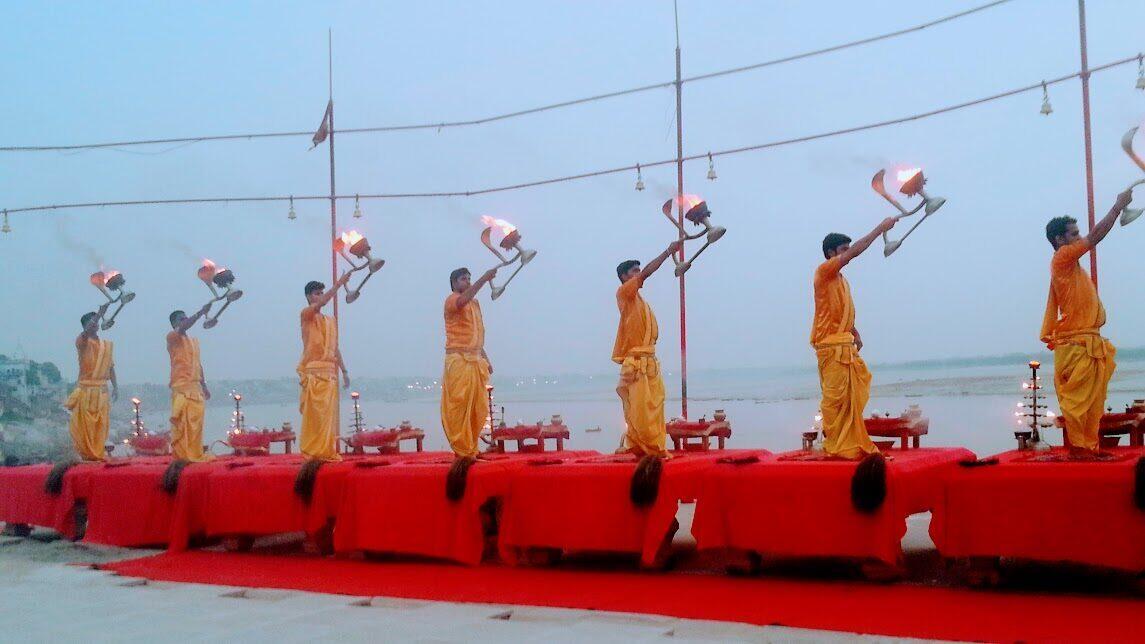
The spiritual centrepiece of Varanasi's ghats and one of the five sacred panchatirtha ghats of Kashi. Tradition holds that Brahma himself performed ten Ashwamedha yajnas here, and the evening Ganga Aarti continues a nightly devotional offering to the river goddess.

0 km
·By walk
Man Mandir Ghat
Stop 6 of 10

Man Mandir Ghat

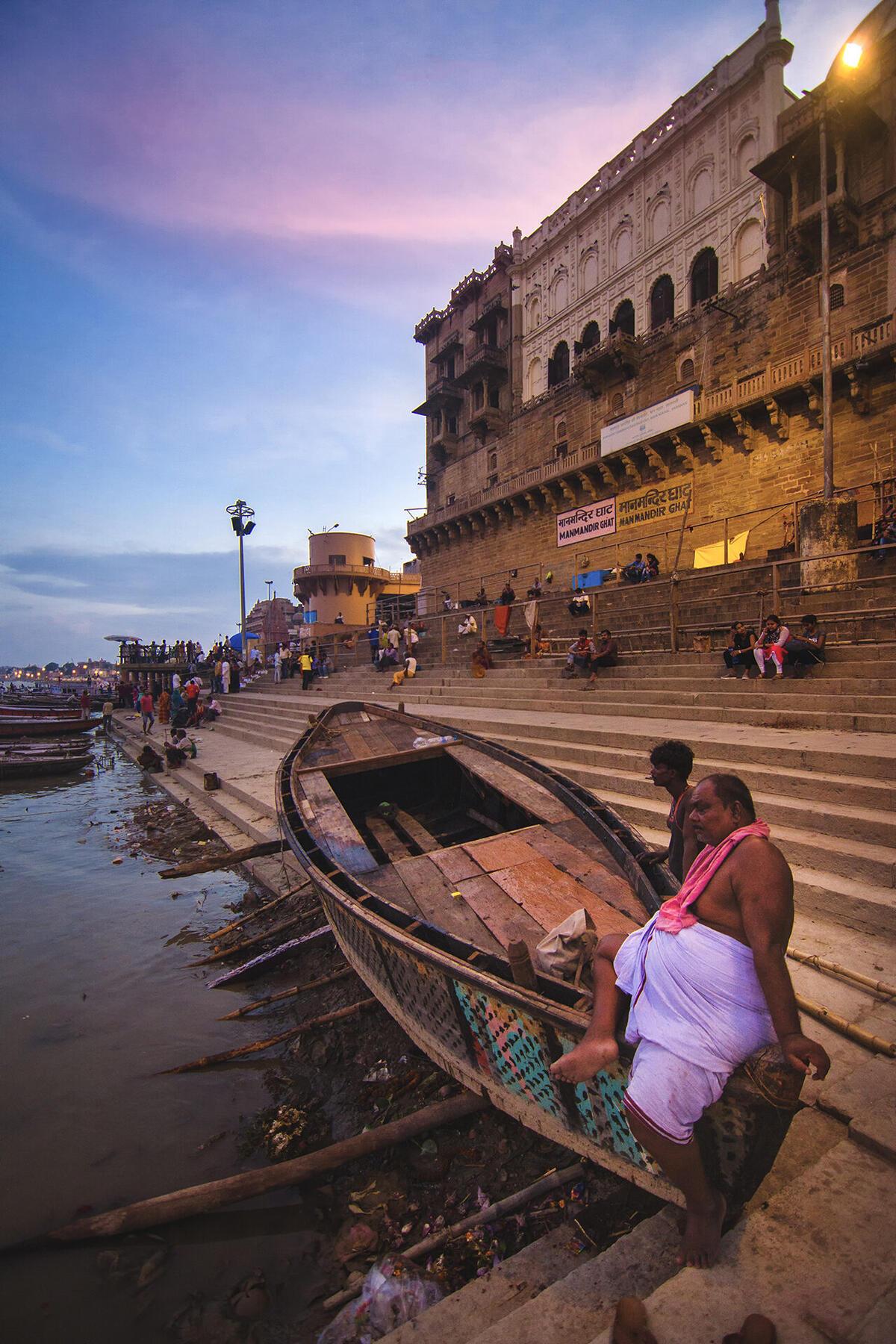
Man Mandir Ghat is also known in Banaras as Someshwar Ghat, after the Someshwara linga worshipped here — Shiva as the lord of Soma, the moon. Above the bathing steps stands the palace raised by Raja Man Singh of Amber, and on its terrace the masonry observatory of the Jaipur house, now protected by the Archaeological Survey of India. It is a quiet snan ghat a few minutes north of Dashashwamedh, where devotion and old astronomy share the same stone.

0 km
·By walk
Manikarnika Ghat
Stop 7 of 10

Manikarnika Ghat

Manikarnika is the <em>Mahashamshan</em> of Kashi — the great cremation ground. Hindu tradition holds that Shiva whispers the Taraka Mantra into the ear of every soul cremated here, and that the ground itself grants moksha. It is counted among the five <em>panchatirtha</em> ghats of Kashi.

0 km
·By walk
Scindia Ghat
Stop 8 of 10

Scindia Ghat

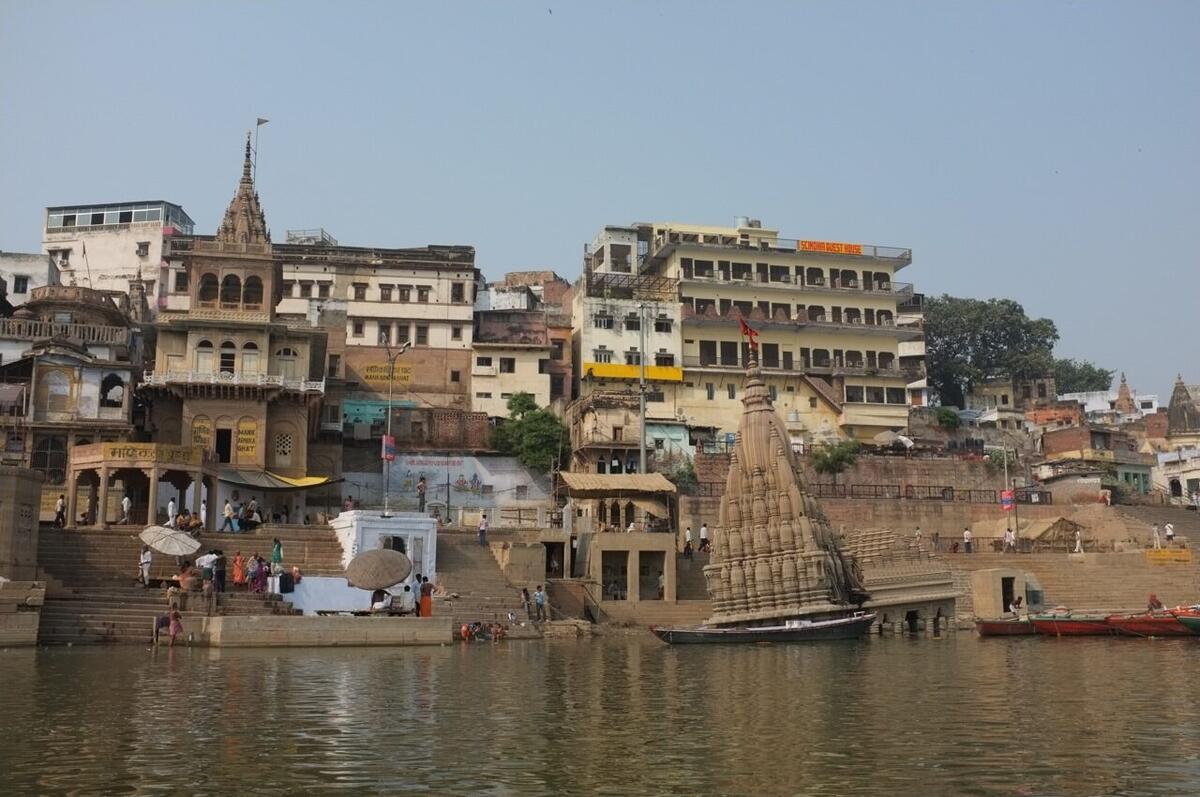
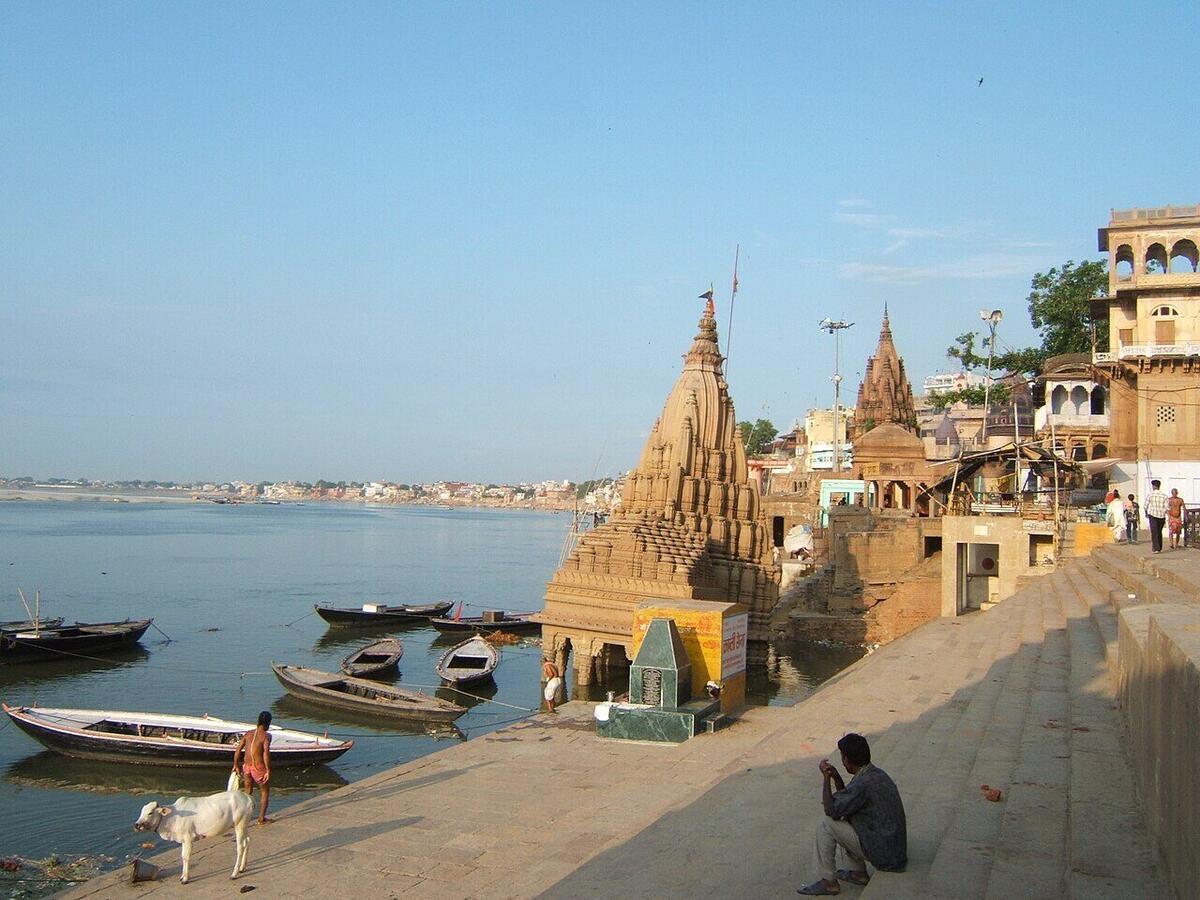
Scindia Ghat stands on the northern arc of the Kashi riverfront, a short way downstream of Manikarnika, beneath the dense lanes that Banarasi tradition calls Siddha Kshetra, the field of fulfilment. Local tradition holds that Agni, the deva of fire, took birth in this quarter, and families still climb from the steps to the shrine of Vireshwara above. The ghat's own stonework has been settling into the Ganga for generations, leaving a small Shiva shrine tilted at the waterline.

0 km
·By walk
Stop 9 of 10

Panchganga Ghat

Tradition holds that five sacred rivers meet at Panchganga Ghat, making it one of the most auspicious bathing points on the Kashi waterfront. Above it rises Bindu Madhav, an ancient Vishnu shrine long loved by pilgrims, and the memory of Trailanga Swami still lingers in its lanes.

0 km
·By walk
Raja Ghat
Stop 10 of 10End

Raja Ghat

Raja Ghat — for most of its recorded life known as Amrit Rao Ghat — is a working bathing ghat on the middle reach of the Kashi riverfront, lying between Narad Ghat above and Khori Ghat below. Heritage records credit its rebuilding in stone to Amrit Rao Peshwa, who also raised four shrines above its steps and a hall where Brahmins, Sanskrit students and ascetics were fed for generations. It is a ghat of daily snan and household devotion rather than of great public ceremony.

Route Overview

Interactive map showing the complete pilgrimage route across 10 sacred destinations

Loading route map...

Plan This Yatra

Best Time to Go

Oct–Mar mornings; Apr–Jun evenings (pre-dawn walks possible year-round)

Difficulty

moderate — Half day (4–5 hours)

Fitness level required: moderate to high

What to Pack

  • Warm clothes & rain gear
  • Comfortable walking shoes
  • Medication & first aid
  • Sun protection
  • Water bottle & light snacks

Begin Your Yatra

Embark on this Sacred Circuit

Join this pilgrimage circuit to track your journey as you visit each sacred destination. Every step brings you closer to completion.

Walk this yatra

Packages for this Circuit

Curated packages that walk this circuit, with transport, accommodation, and priority access handled.