All Circuits

Pilgrimage Circuit

Dwadash Jyotirlinga — All 12 Sacred Lights of Shiva

12Sacred Stops
~0km Total
3–4 weeks (or split across multiple trips over a lifetime)Duration
hardDifficulty
Varies by location — October to March for most, avoid monsoon for Himalayan sites (Kedarnath)Season

The tradition

About This Yatra

The Dwadash Jyotirlinga yatra is the highest pilgrimage in Shaiva tradition — the journey to all twelve sacred Jyotirlingas across India, the twelve places where Shiva is said to have manifested as a pillar of light to prove His supremacy to Brahma and Vishnu.

The twelve span the continent — listed here in the order of the Dwadasha Jyotirlinga Stotra: Somnath (Gujarat, the first, destroyed and rebuilt many times), Mallikarjuna (Andhra, hill of jasmine), Mahakaleshwar (Ujjain, the time-keeper, where the earth's meridian was once measured), Omkareshwar (Narmada island shaped like the Om syllable), Vaidyanath (Jharkhand, the healer), Bhimashankar (Sahyadri hills), Rameshwaram (Tamil Nadu, where Rama built the bridge to Lanka), Nageshwar (Gujarat, the serpent lord), Kashi Vishwanath (Varanasi, the axis of the world), Trimbakeshwar (Nashik, source of the Godavari), Kedarnath (Himalayas, 3,583m, snow-bound half the year), and Ghrishneshwar (Aurangabad, near the Ellora caves).

Few pilgrims complete all twelve in a single trip. Most do it in stages over years, sometimes across decades. The tradition is that completing all twelve grants sampoorna yatra — the complete pilgrimage, the liberation of accumulated karma.

This circuit is for the Shaiva devotee willing to plan a lifetime project.

Why this route

Spiritual Significance

The Jyotirlingas originate in a contest between Brahma and Vishnu over who was greater. Shiva appeared between them as an infinite column of light — jyoti — and challenged them to find its ends. Neither could. Shiva then manifested twelve of those columns across India as permanent shrines where pilgrims could approach the primordial Shiva directly, without the mediation of form.

Each Jyotirlinga represents Shiva in a different aspect:

  • Somnath — Lord of Soma, the moon, who worshipped Shiva here to be freed of Daksha's waning curse
  • Mahakal — the lord of time itself
  • Omkar — the primal sound
  • Rameshwar — Shiva installed by Rama himself
  • Kashi Vishwanath — the lord of the universe, the spiritual centre
  • Kedarnath — the Himalayan Shiva, near the axis of the world

Completing all twelve is not a checklist. It is a traversal of Shiva's full cosmology through the Indian landscape — a geographic meditation on what Shiva means, expressed across 3,000 kilometres.
The Journey — 12 Sacred Stops

The path of this pilgrimage

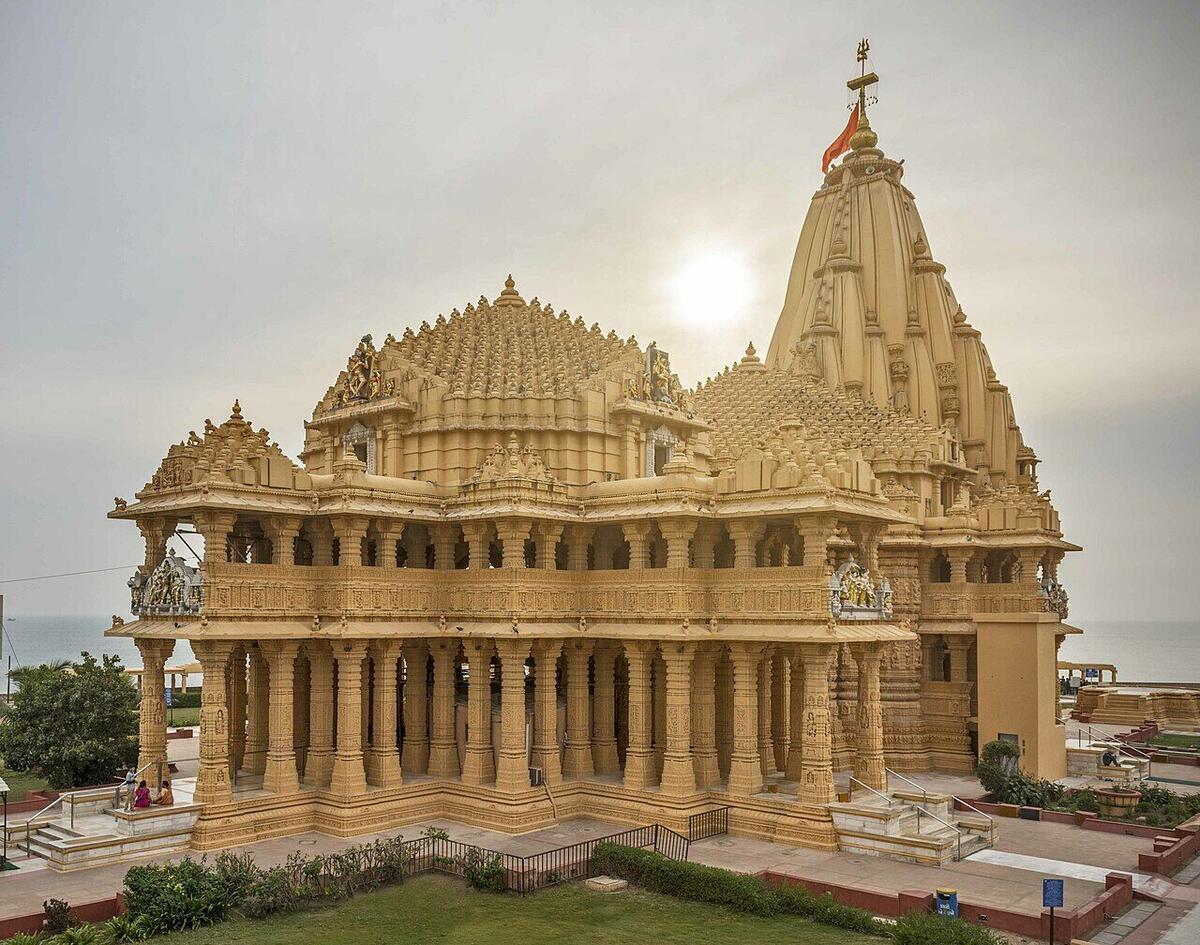
Somnath Temple
Stop 1 of 12Start

Somnath Temple

Somnath is worshipped as the first among the twelve Jyotirlingas of Mahadev — the Aadi Jyotirlinga, standing on the Saurashtra coast of Gujarat at Prabhas Patan, where tradition holds that the Hiran, the Kapila and the Saraswati meet and pour into the Arabian Sea. The Dwadasha Jyotirlinga stotra opens with this very name: Saurashtre Somanatham cha. The temple a pilgrim enters today was consecrated in 1951, and devotees hold that worship at Prabhas has continued through a thousand years of ruin and rebuilding.

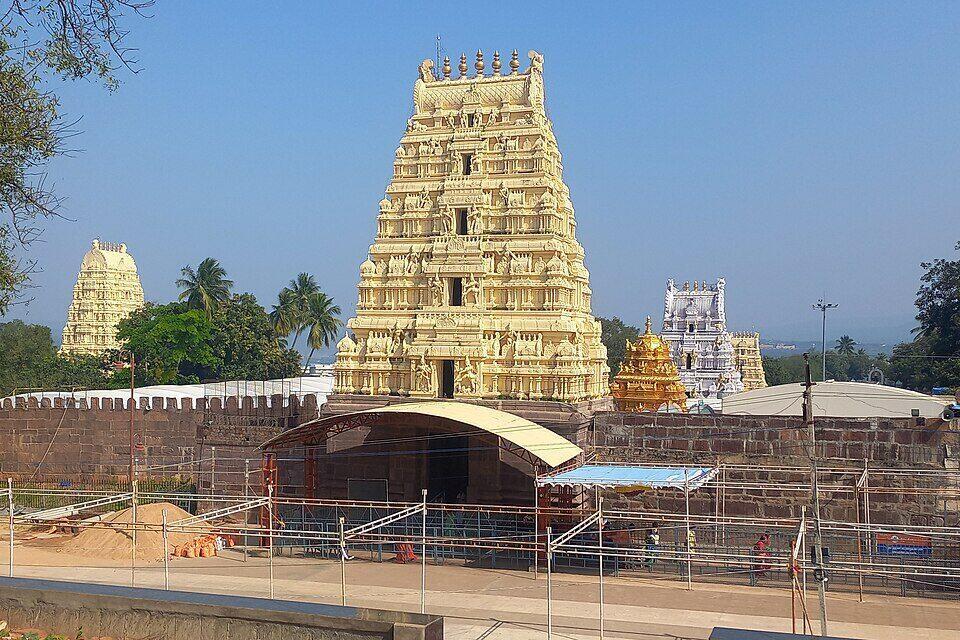
Mallikarjuna Temple, Srisailam
Stop 2 of 12

Mallikarjuna Temple, Srisailam

Atop the Nallamala Hills — both a Jyotirlinga and a Shakti Peetha in dense forest setting.

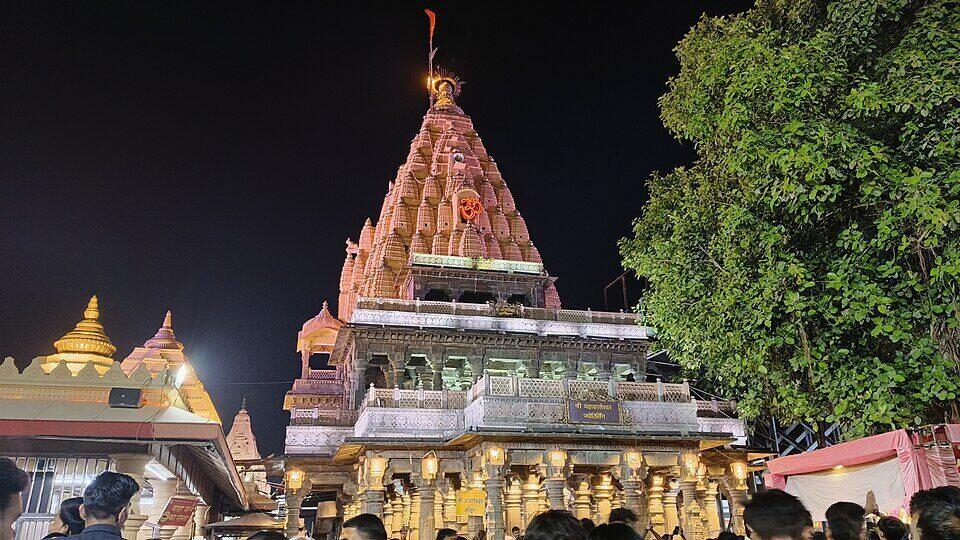
Mahakaleshwar Temple, Ujjain
Stop 3 of 12

Mahakaleshwar Temple, Ujjain

One of the 12 Jyotirlingas. The only south-facing Jyotirlinga with the legendary Bhasma Aarti at dawn.

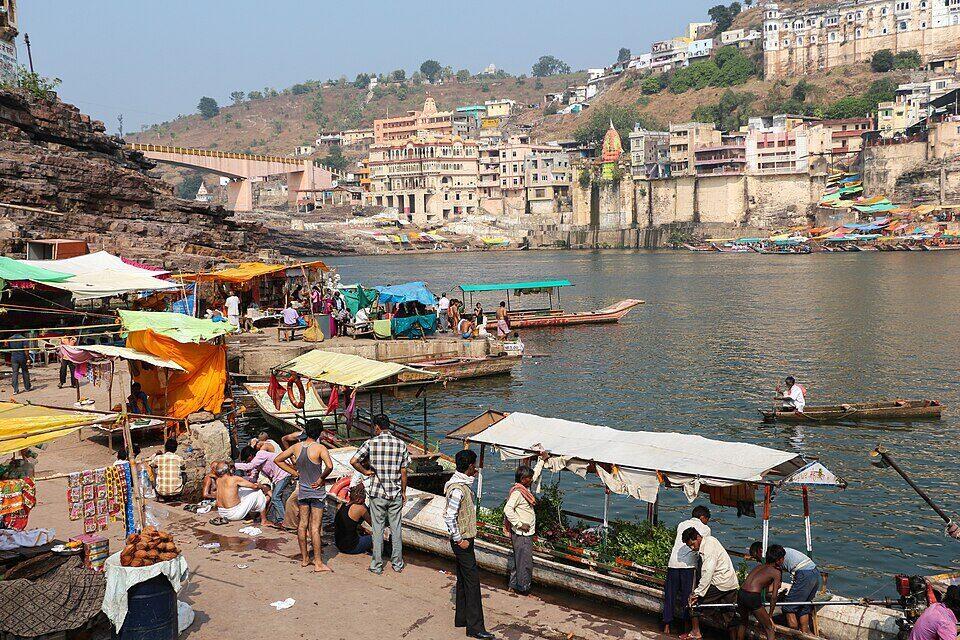
Omkareshwar Temple
Stop 4 of 12

Omkareshwar Temple

On an island shaped like Om in the Narmada river. One of the most serene Jyotirlingas in India.

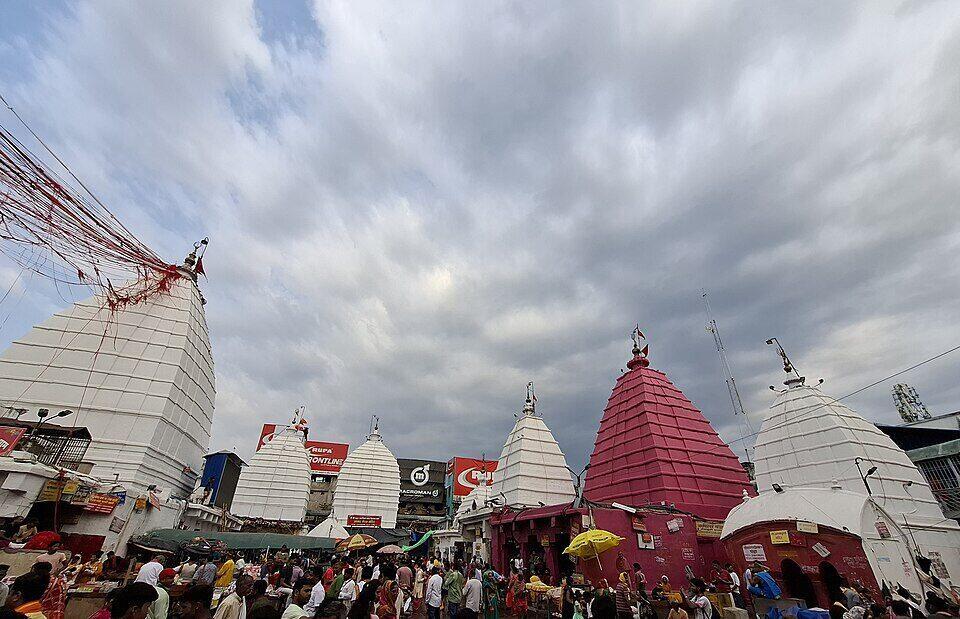
Vaidyanath Temple, Deoghar
Stop 5 of 12

Vaidyanath Temple, Deoghar

Where Ravana worshipped Shiva. 22 temples in the complex. Major Shaiva site in eastern India.

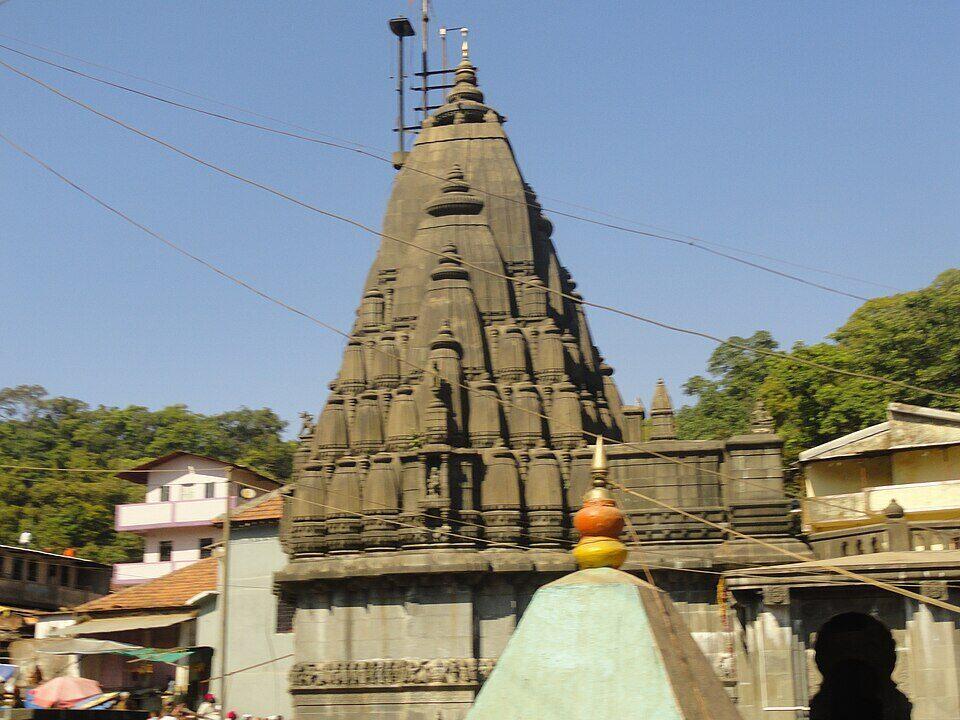
Bhimashankar Temple
Stop 6 of 12

Bhimashankar Temple

In the Sahyadri range of Maharashtra, surrounded by wildlife sanctuary. Ancient Hemadpanthi architecture.

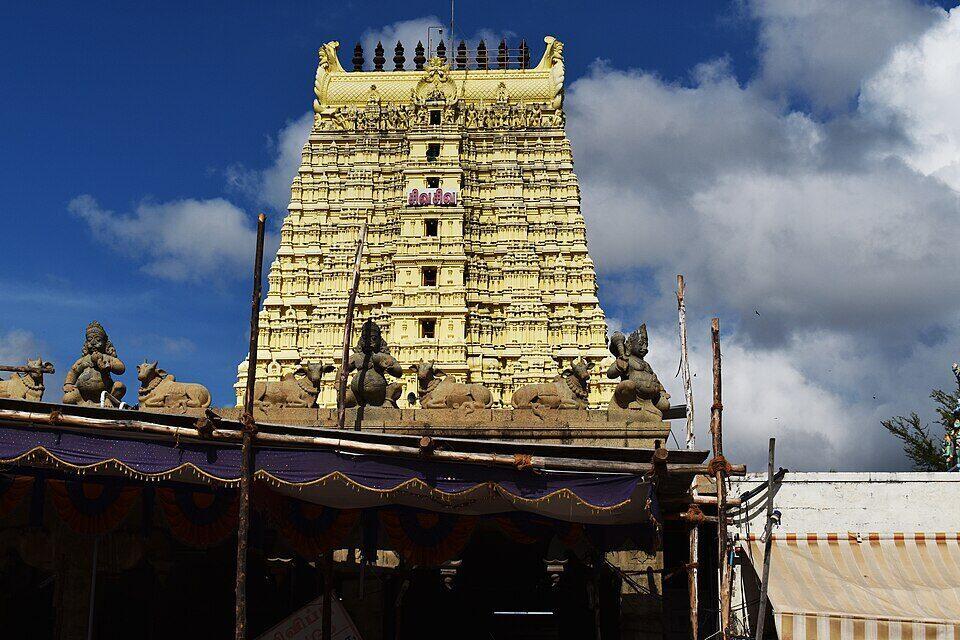
Ramanathaswamy Temple, Rameshwaram
Stop 7 of 12

Ramanathaswamy Temple, Rameshwaram

Char Dham + Jyotirlinga. Where Rama built the bridge to Lanka. Longest corridor in any Indian temple.

Nageshwar Jyotirlinga
Stop 8 of 12

Nageshwar Jyotirlinga

Nageshwar Jyotirlinga is the Shiva Jyotirlinga on the Saurashtra coast near Dwarka — traditionally counted among the twelve Jyotirlingas of Sanatan Dharma. The temple is famed for the massive 25-metre seated Shiva murti at the entrance, and for the Shiva Purana's katha of Shiva slaying the asura Daruka to protect his devotee Supriya.

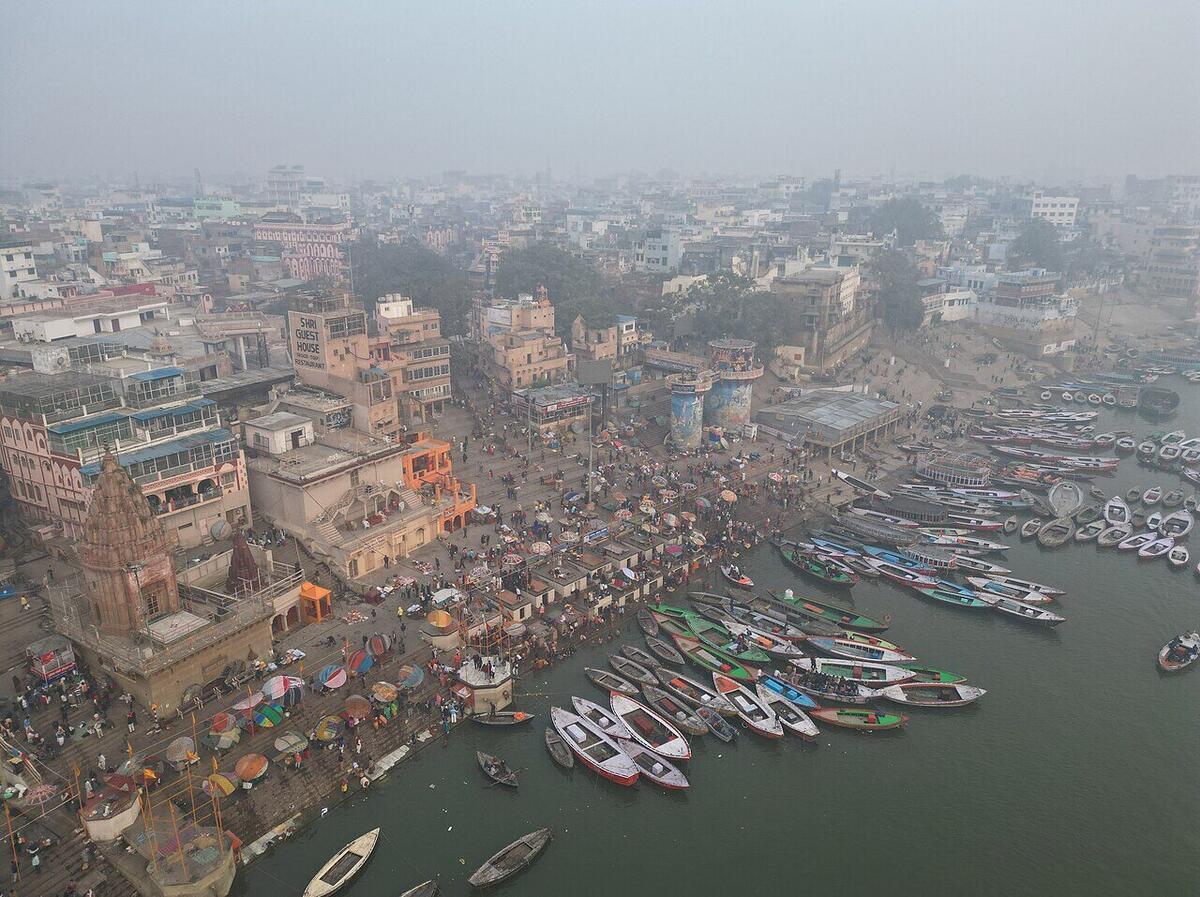
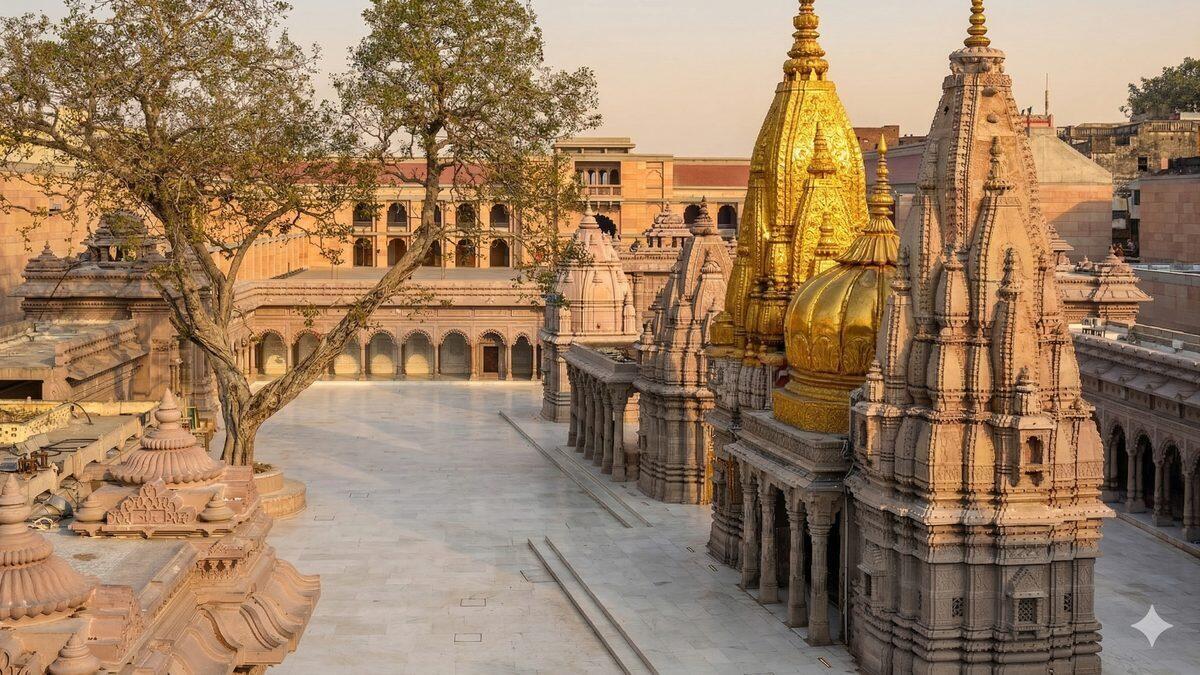
Kashi Vishwanath Temple
Stop 9 of 12

Kashi Vishwanath Temple

One of the most revered among the twelve Jyotirlingas, Kashi Vishwanath stands at the spiritual heart of Kashi, the Avimukta Kshetra that Shiva is believed never to leave. For countless devotees, darshan here is not only worship, but a return to one of Hinduism's deepest sacred centers.

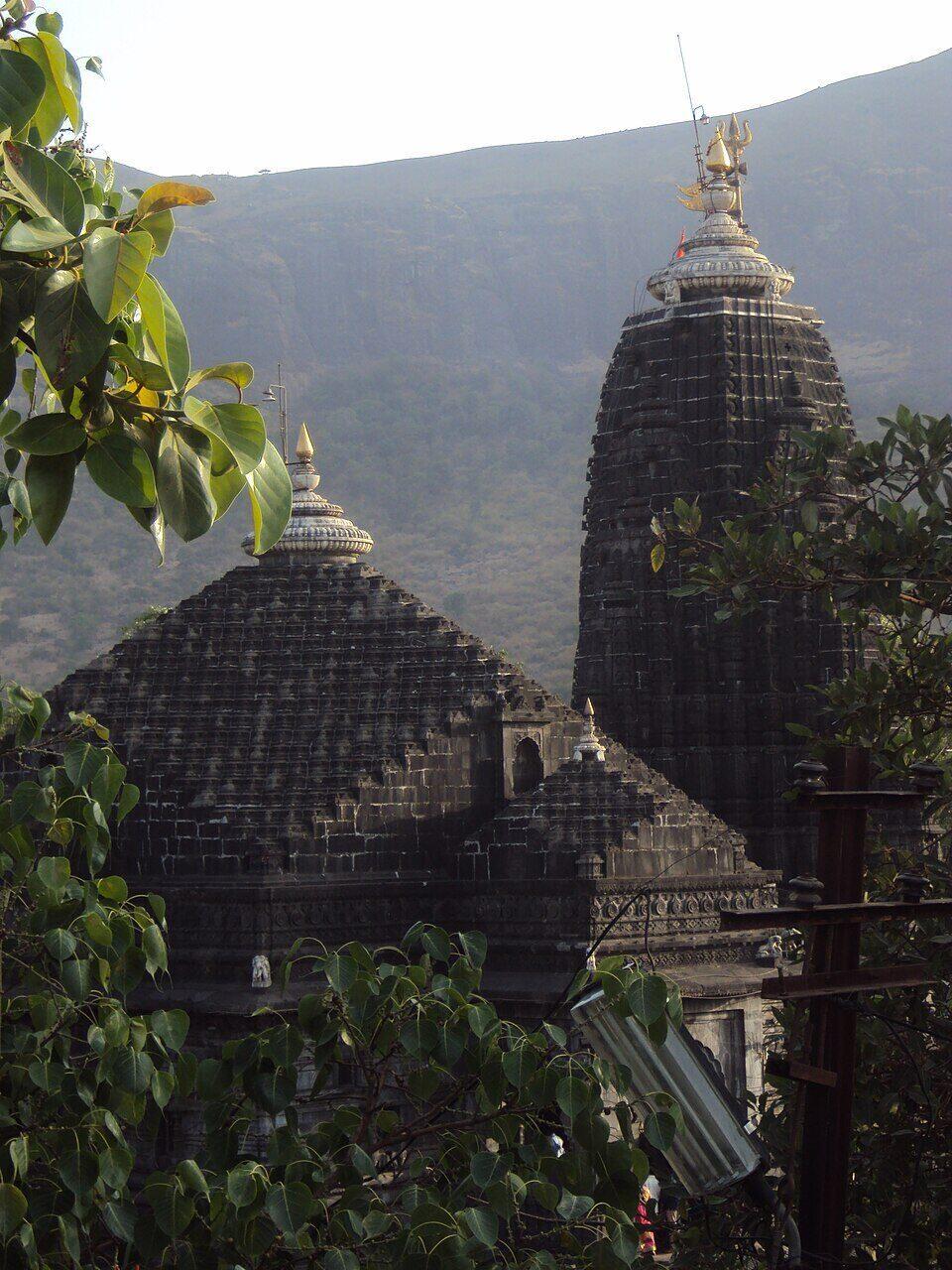
Trimbakeshwar Temple, Nashik
Stop 10 of 12

Trimbakeshwar Temple, Nashik

Source of the Godavari river. The only Jyotirlinga with three faces — Brahma, Vishnu, and Shiva.

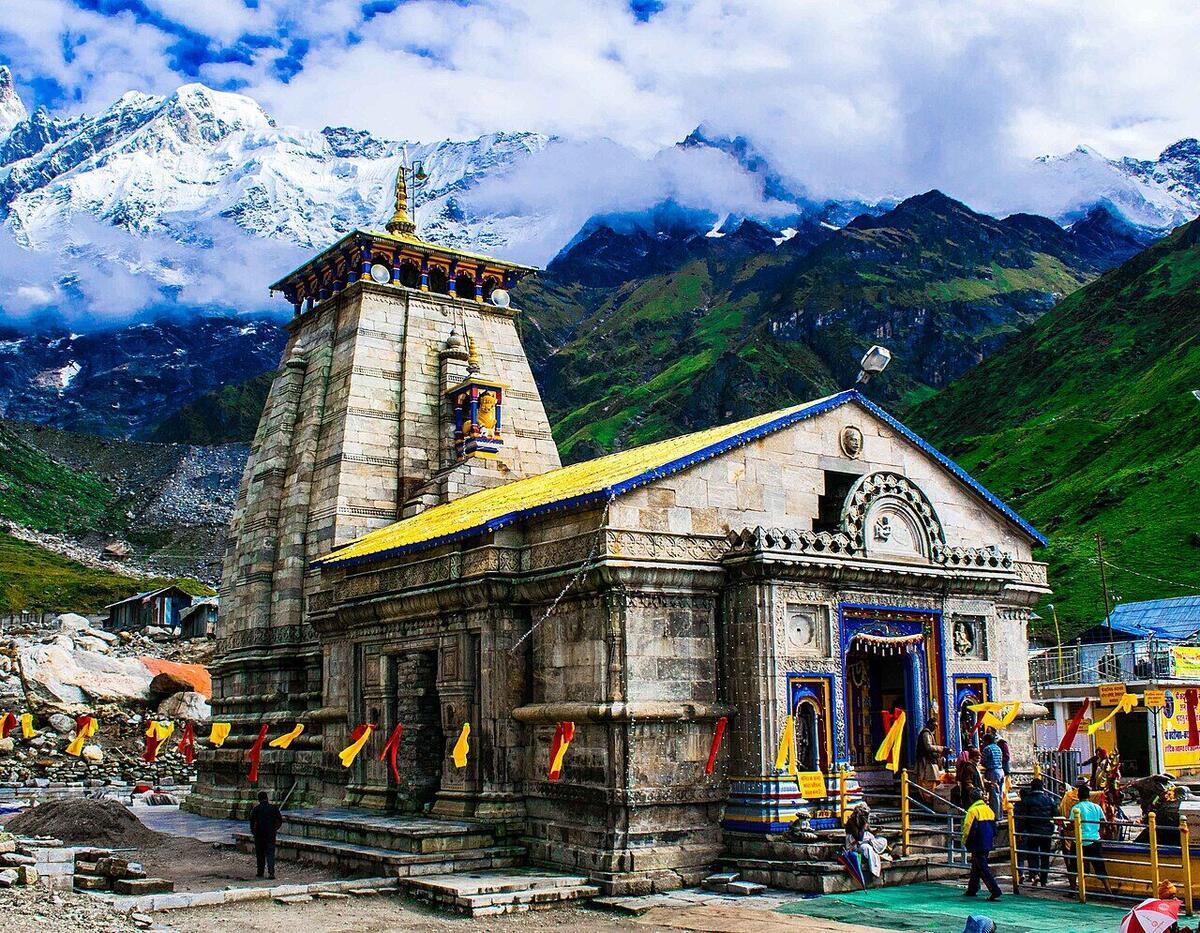
Kedarnath Temple
Stop 11 of 12

Kedarnath Temple

Kedarnath is worshipped as one of the twelve Jyotirlingas of Shiva and stands highest among them, on the bank of the Mandakini in the Garhwal Himalaya of Rudraprayag district. It is one of the four dhams of Uttarakhand and the first of the Panch Kedar, where tradition tells that the hump of Shiva's bull form rose from the earth. Snowbound for half the year, the shrine receives pilgrims only between the kapat opening in spring and the kapat-band in late autumn, and it is reached on foot from Gaurikund or by helicopter.

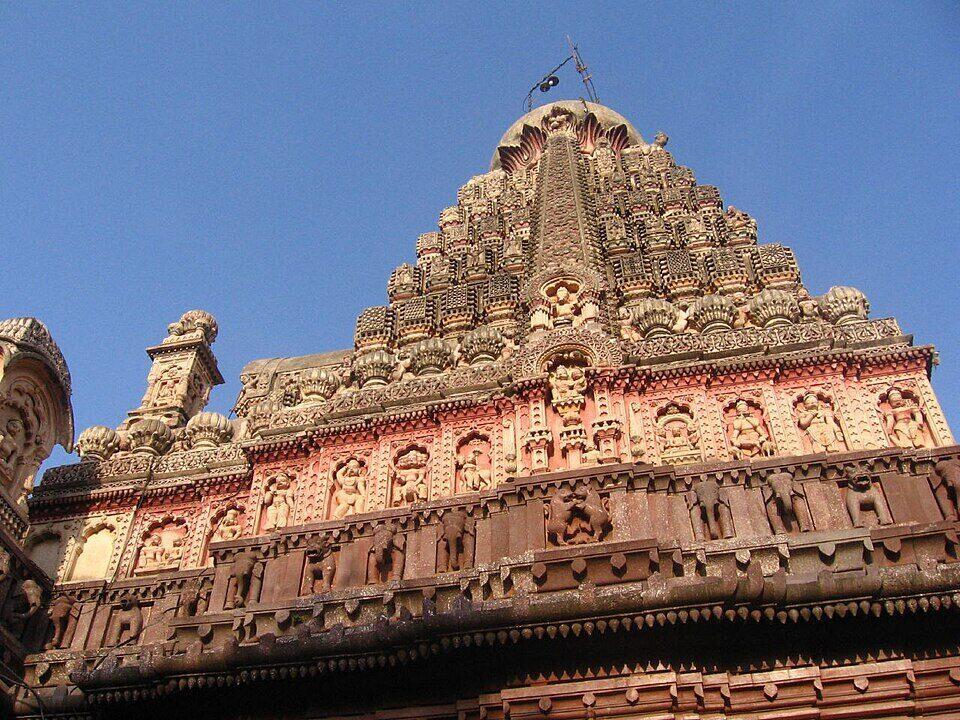
Grishneshwar Temple, Ellora
Stop 12 of 12End

Grishneshwar Temple, Ellora

The last of the 12 Jyotirlingas, near the Ellora Caves. Masterpiece of ancient temple architecture.

Route Overview

Interactive map showing the complete pilgrimage route across 12 sacred destinations

Loading route map...

Plan This Yatra

Best Time to Go

Varies by location — October to March for most, avoid monsoon for Himalayan sites (Kedarnath)

Difficulty

hard — 3–4 weeks (or split across multiple trips over a lifetime)

Fitness level required: moderate to high

What to Pack

  • Warm clothes & rain gear
  • Comfortable walking shoes
  • Medication & first aid
  • Sun protection
  • Water bottle & light snacks

Begin Your Yatra

Embark on this Sacred Circuit

Join this pilgrimage circuit to track your journey as you visit each sacred destination. Every step brings you closer to completion.