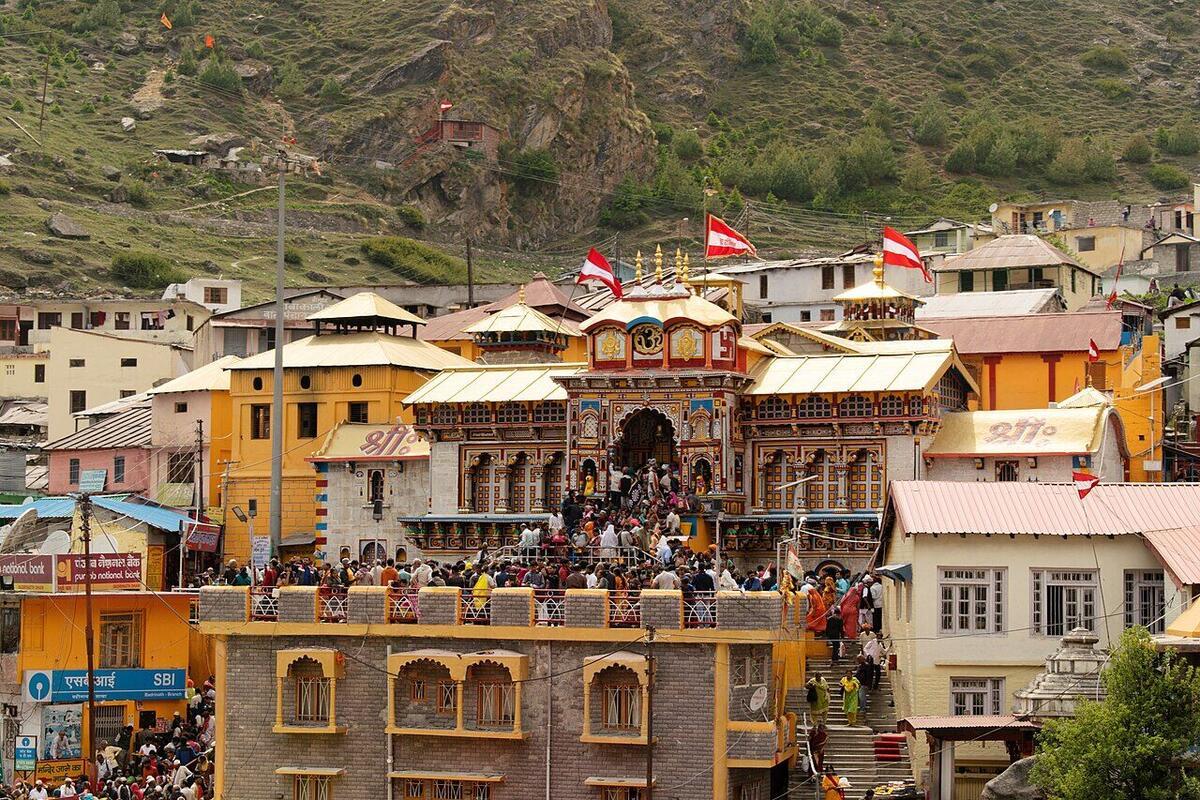
Jagannath Puri is one of the most ancient and most beloved tirthas of Hindu tradition. Tradition holds Puri to be the spiritual capital of the Sanatana Dharma in the east — the place where Bhagavan Jagannath, his brother Balabhadra, and his sister Subhadra are worshipped together in their wooden murti forms. The Char Dham of Adi Shankaracharya, established in the eighth century, places Puri as the eastern dham alongside Badrinath (north), Rameshwaram (south), and Dwarka (west).
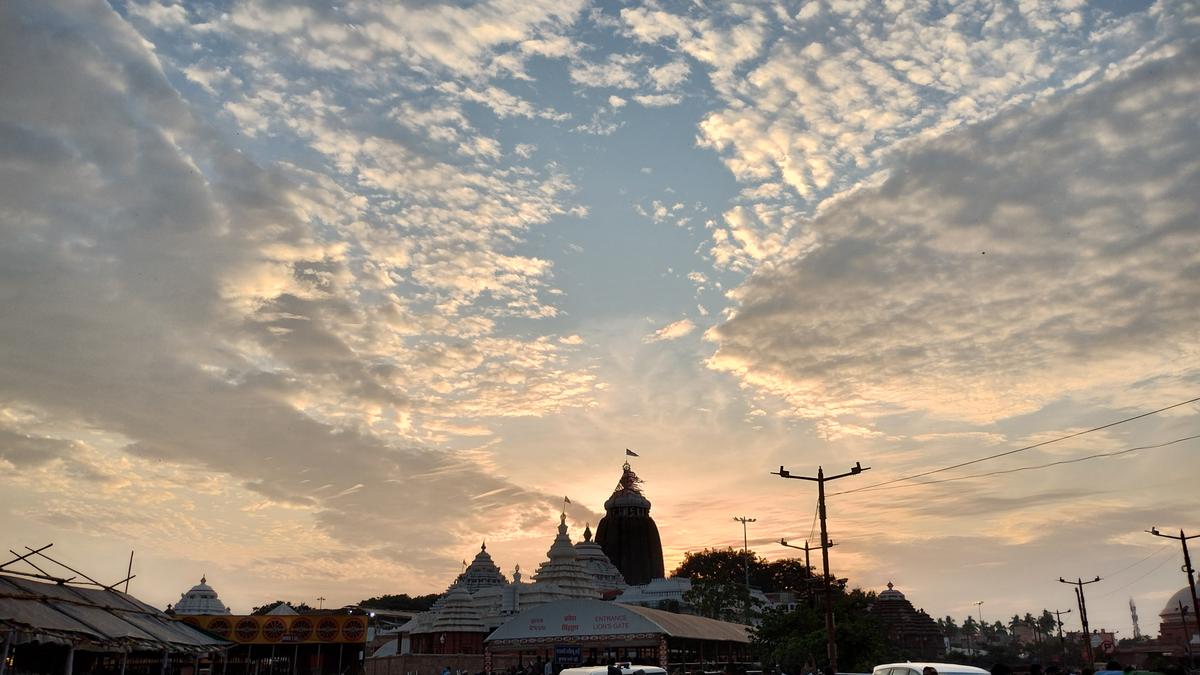
The city centres on the Shri Jagannath Mandir, also called the Shri Mandir or the Bada Deula — the great temple built in the twelfth century by Anantavarman Chodaganga Deva of the Eastern Ganga dynasty. The temple complex spans about 11 acres and includes the main shikhara visible from the sea, hundreds of subsidiary shrines, and the Bhog Mandap where the world's largest temple kitchen daily produces Mahaprasad for tens of thousands of pilgrims. The world-famous Rath Yatra takes place every year in Ashadha — when the deities travel from the Shri Mandir to the Gundicha Temple two kilometres away, on three enormous wooden chariots.
Katha and local belief
Tradition holds that Bhagavan Jagannath chose Puri as his abode at the prayer of the tribal king Vishvavasu (the Sabari king). The Skanda Purana's Jagannath Mahatmya tells the long katha of the Daru-brahma (the divine wood) that appeared in the sea, the carving of the murtis by Vishvakarma in secret, and the establishment of the worship in the form we know today. The Rath Yatra is held to be the journey of Jagannath to his aunt's home at Gundicha; the festival is sometimes also called the festival of the universal Lord coming out to give darshan to all — including those who cannot enter the temple itself.
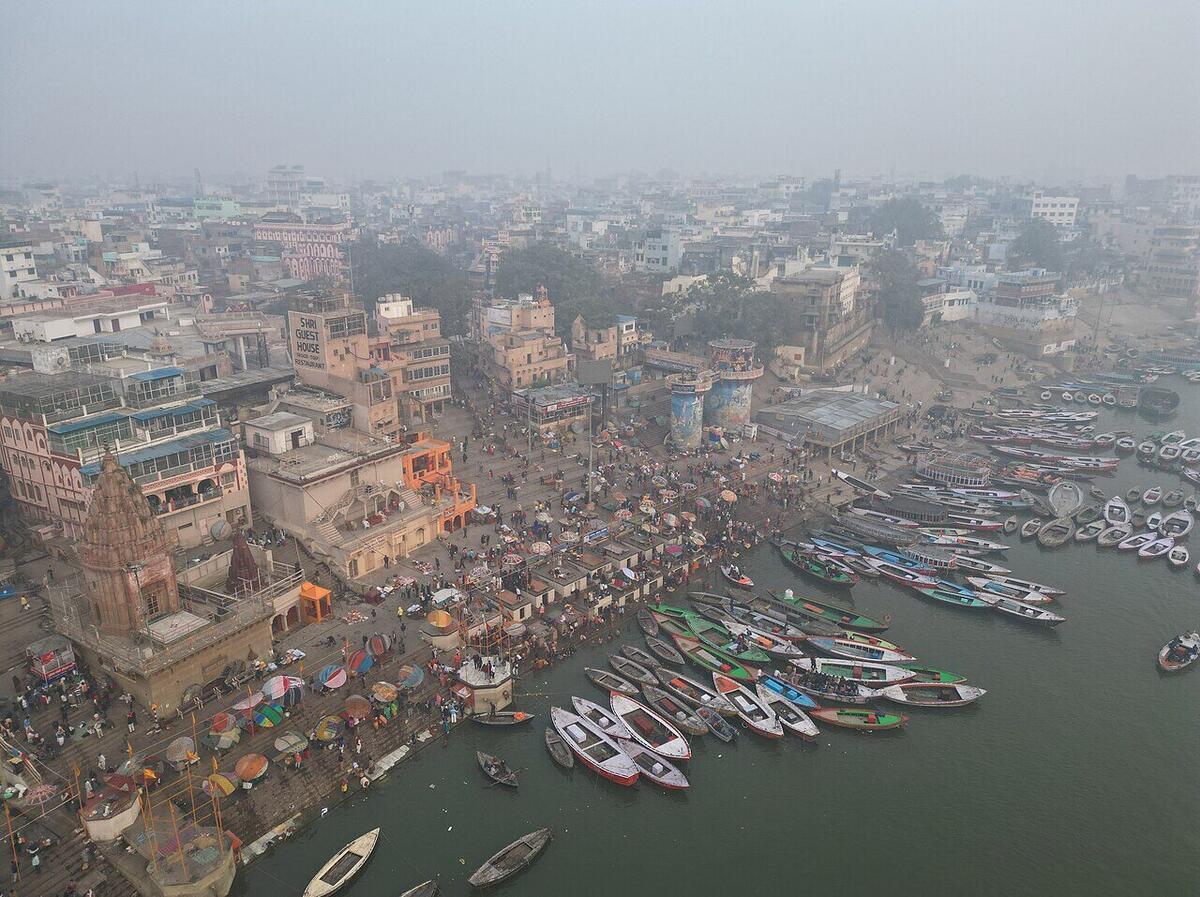
Jagannath Puri is among the seven Mokshapuris of Hindu tradition. The Garuda Purana names her along with Ayodhya, Mathura, Kashi, Haridwar, Kanchipuram, and Ujjain. The shrine is the only Char Dham of Adi Shankara where the deity is worshipped in wooden form, replaced every twelve to nineteen years in the Nava-Kalevara ritual.
The Rath Yatra is held to be one of the most spiritually charged festivals of the Vaishnava year. Tradition holds that the very sight (darshan) of the Lord on his chariot — irrespective of caste, creed, or religion — confers liberating grace. The Gaudiya, Pushti Marga, Ramanuja, Madhva, and Vallabh sampradayas all turn to Puri in their devotional life. Sri Chaitanya Mahaprabhu spent the last 18 years of his life at Puri in deep bhajan to Jagannath.
History
Puri's history reaches deep. The earliest historical references place Jagannath worship at least to the early centuries CE. The present Shri Mandir was built in the twelfth century by Anantavarman Chodaganga Deva. The Eastern Ganga and the Gajapati dynasties patronised the temple for nearly a thousand years. The Mughal-period sources mention Puri prominently; despite invasions in the seventeenth century, worship was protected by hiding the deities and resumed.
Sri Chaitanya Mahaprabhu arrived in Puri in 1510 and spent the last 18 years of his life here in bhakti to Jagannath. His residence — the Gambhira at the Tota Gopinath Mandir — remains a deeply revered Gaudiya site. The Gajapati Maharaja of Puri continues, by tradition, to perform the Chera Pahara — the ritual sweeping of the chariots — at the Rath Yatra, marking the king as a servant of Jagannath.
Architecture
The Shri Mandir is built in the Kalinga style of temple architecture. The main shikhara (deul) rises 65 metres above the ground — visible from the sea, traditionally a guide for sailors. The complex includes the Vimana (sanctum), the Jagamohan (assembly hall), the Natya Mandapa (dance hall), and the Bhog Mandap (offerings hall). The temple is surrounded by a high stone wall (the Meghanada Pacheri) and entered through four monumental gates — the Singha Dwara (Lion Gate, main), Ashwa Dwara, Hasti Dwara, and Vyaghra Dwara.
Within the sanctum, Bhagavan Jagannath, Balabhadra, and Subhadra stand together on a stone platform (the Ratna Vedi), made of neem wood, replaced ritually every twelve to nineteen years. The chariots of the Rath Yatra — Nandighosha (Jagannath), Taladhwaja (Balabhadra), and Darpadalana (Subhadra) — are rebuilt every year using traditional wood and craftsmanship.
Rituals & Practices
The Shri Mandir conducts the daily Niti — over twenty distinct rituals from Mangala Arati (around 5 AM) through Sandhya Dhupa and Shayan Vesha (around 11 PM). The temple is open for darshan through most of the day with brief pauses for the rituals. Verify exact timings with the temple authorities, as they shift with the daily Niti calendar.
Mahaprasad — the daily bhog cooked at the world's largest temple kitchen — is offered first to Jagannath and then distributed to pilgrims. The Mahaprasad is held by tradition to be a great sacred offering; many pilgrims plan their day around partaking of it. The Anand Bazaar inside the temple is where Mahaprasad is sold.
The traditional sequence at Puri is: bath at the Mahodadhi (the sea — Puri's Bay of Bengal beach), darshan at the Shri Mandir, partake of Mahaprasad, and visit Gundicha Temple, Lokanath, and Tota Gopinath. The 24-hour Niladri darshan during Rath Yatra is a unique opportunity to see all three deities in their travelling chariots.
Festivals & Celebrations
| Festival | When | Crowd |
|---|---|---|
| Rath Yatra | — | very_high |
| Niladri Bije | — | very_high |
| Snana Yatra | — | very_high |
| Chandan Yatra | — | high |
| Nava-Kalevara | — | very_high |
Rath Yatra: The day Bhagavan comes out to give darshan to all; one of the most spiritually charged festivals of the Vaishnava year.
Niladri Bije: The conclusion of the Rath Yatra cycle.
Snana Yatra: Marks the beginning of the Rath Yatra cycle.
Chandan Yatra: Cooling rite at the height of summer.
Nava-Kalevara: The renewal of the divine forms; the next Nava-Kalevara is expected in the 2030s.
Prepare for Your Visit
Practical guidance to help you plan your pilgrimage
| Pilgrim Guidance | How to reach Jagannath PuriPuri is reached by rail, road, and air via Bhubaneswar. Biju Patnaik International Airport, Bhubaneswar (BBI) is 65 km from Puri (about 1.5 hours by road). Puri railway station is on the main coastal trunk line, with direct trains from Howrah (Kolkata), Delhi, Mumbai, Chennai, and other major cities. Puri is 65 km from Bhubaneswar and 500 km from Kolkata. Preparation for pilgrimsWear modest clothes for the temple. The Shri Mandir requires Hindus only for entry into the inner precinct (a long-standing temple tradition). Non-Hindu visitors can view the temple from the Raghunandan Library across the road for excellent darshan from outside. Photography is not permitted inside; cloakroom for phones, cameras, and leather items at the Singha Dwara entrance. The Rath Yatra brings extreme crowds — book hotels at least 6 months in advance. Puri's sea is suitable for a respectful Mahodadhi snan but has currents; stay within marked safe areas. Summer months (April-June) are hot and humid; monsoon (July-September) brings heavy rain but also the Rath Yatra. October to March is the most pleasant weather. Best time to visitThe peak occasion is the Rath Yatra in Ashadha (June-July) — the world-famous chariot festival. Chandan Yatra (April-May), Snana Yatra (May-June), and Niladri Bije (return of the chariots in Ashadha) are the other major events. October to March is the most pleasant weather for a non-Yatra visit. The Nava-Kalevara, every twelve to nineteen years, is the most rare and sacred occasion — the next is expected in the 2030s. |
Location
Puri, OR
Pilgrim photos
No pilgrim photos yet.
Community corrections
No corrections yet.
Edit history
No revisions yet.
Plan Your Visit to Jagannath Puri
Get a custom itinerary and pricing for your trip.
Recommended
Packages for this destination
Pilgrim Notes
On-ground observations from fellow pilgrims
No pilgrim notes yet. Be the first to share on-ground observations!
Sign in to share a note.
Pilgrim Reviews
Be the first to share your experience at Jagannath Puri.
Sign in to write a review.
Nearby sacred places
Discover other sacred places near Jagannath Puri
Explore temples, tirthas, and pilgrimage sites in OR
Explore nearbyPart of these circuits
Walk the traditional pilgrimage routes this destination belongs to.