Yashoda Kund lies at the foot of Nandishwar Hill in Nandgaon, the village where Nanda Baba and Yashoda Maiya raised Krishna and Balarama through the years of their childhood. The kund is small — a stone-bordered pond ringed by old peepal and neem trees, with the steep hill of Nandgaon rising on one side and the modest village houses on the other. To the casual traveller it may seem a simple bathing pond. To the Braj pilgrim, it is something else: the place where Yashoda Maiya is held to have come every morning to bathe, and where she brought baby Krishna in her arms.
The geography of Nandgaon shapes the kund's atmosphere. Unlike Vrindavan, Nandgaon retains the texture of an old Braj village — narrow lanes, cowherd homes, the long stone climb to the Nandbaba temple on the hilltop, and the quiet kunds nestled at the base of the hill. Yashoda Kund sits within this slower rhythm. Pilgrims often pause here on the way up to the Nandbaba temple, or descend to the kund afterwards for a quiet sit-down on the steps.
The kund is not approached for grand darshan or elaborate ritual. It is approached the way one approaches a mother's courtyard — softly, with folded hands, and with the inner remembrance that here, in this very water and this very air, Yashoda Maiya is believed to have lived her daily life with her child Krishna.
Katha — Yashoda's morning snana with Lala
Braj tradition tells that every morning, before the household woke and before the cows were taken out to graze, Yashoda Maiya would come down from Nanda Bhavan to this kund with the infant Krishna in her arms. She bathed first, and then she bathed Lala — gently, talking to him, scolding him in the way mothers do, while he splashed water back at her and laughed. The waters of the kund are thus held in Braj memory as waters that have touched the limbs of the Lord himself, lifted in the hands of his mother.
Another beloved katha is that the gopis of Nandgaon would gather around the kund in the early hours, waiting for Yashoda Maiya to arrive with the child. They came to catch a glimpse of Krishna in his mother's arms — the sight that the rishis perform tapasya for, freely given each dawn in Nandgaon. It is said that even the trees and birds around the kund still carry that morning waiting.
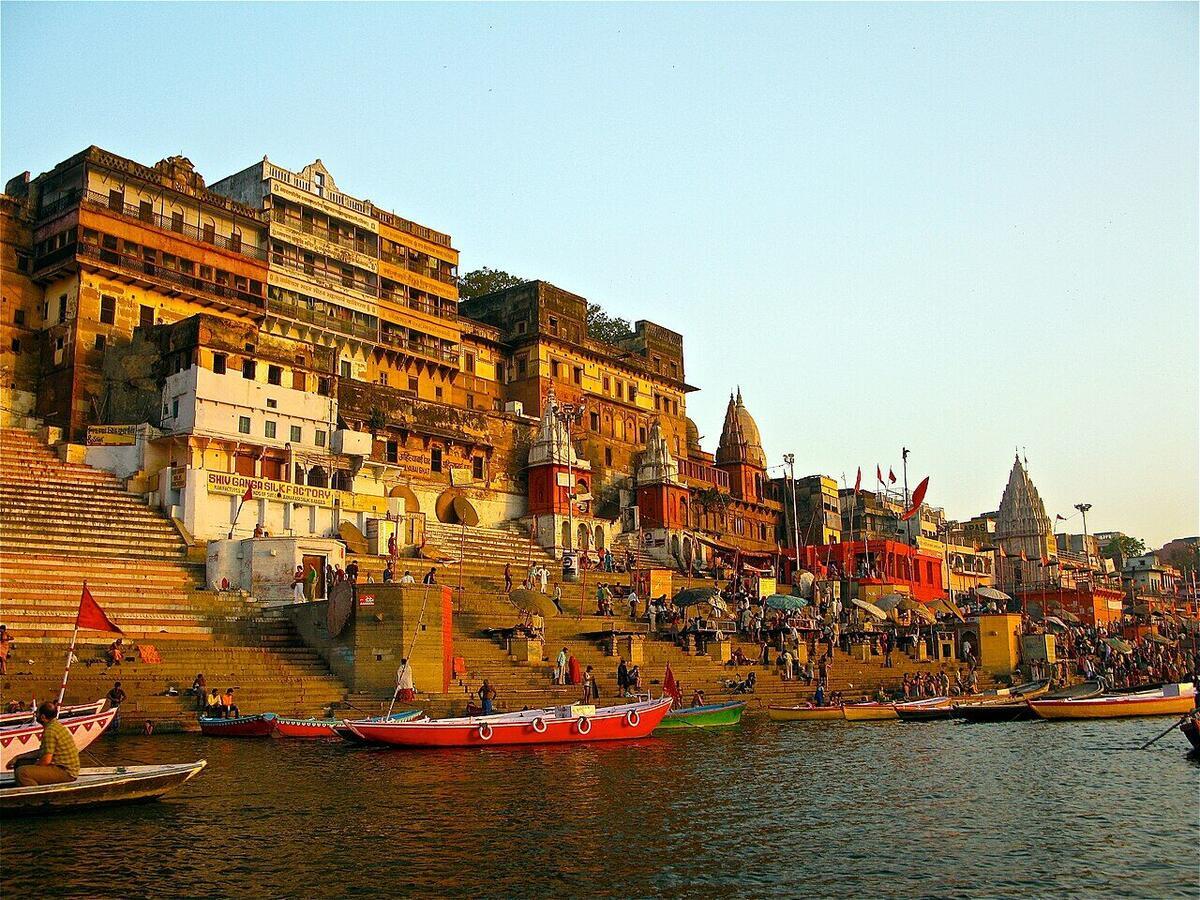
Yashoda Kund is the principal kund of vatsalya bhava in all of Braj. Among the four primary moods of devotion that Krishna-bhakti recognises — shanta, dasya, sakhya, vatsalya, and madhurya — vatsalya is the love of the parent for the child, and Yashoda Maiya is its supreme exemplar. She is the mother who held Krishna as her own son, who fed him butter and bathed him in this kund, who scolded him when he stole curd, who tied him to the mortar, who looked into his mouth and saw the universe and chose to forget. The kund holds the memory of this love.
Gaudiya tradition, following Sri Rupa Goswami's Bhakti-rasamrita-sindhu, holds vatsalya bhava as one of the highest expressions of pure devotion — a love that does not ask, does not bargain, does not measure. It simply gives, the way a mother gives. Devotees who come to Yashoda Kund come to bathe in this remembrance: that the Lord of all worlds allowed himself to be loved as a son, and that this allowing is the deepest sweetness of Krishna-lila.
The Pushtimarga sampradaya of Sri Vallabhacharya, which holds vatsalya bhava at the heart of its seva, gives Yashoda Kund a special place in its Braj-yatra. The Gaudiya pilgrims of Nandgaon also pause here in deep reverence. For both traditions, the kund is not a pond to be photographed. It is a courtyard of memory, where one sits and lets Yashoda Maiya's love wash over the heart.
It is also believed that bathing or even sprinkling oneself with the waters of Yashoda Kund softens the heart — that something of the maternal tenderness held in this place enters the pilgrim who comes with bhava. Mothers in particular come here with prayers for their children. Many devotees carry a small lota of the kund water back home, to keep on their puja altar.
History
Nandgaon's identity as the childhood home of Krishna is rooted in the oldest layers of Braj devotional tradition. The Bhagavata Purana describes how Nanda Baba moved his household from Gokul to a hilly settlement to keep Krishna and Balarama safe from the attempts of Kamsa — a settlement that Braj tradition identifies with present-day Nandgaon, on and around Nandishwar Hill. Yashoda Kund sits at the foot of this hill, and is held in continuous Braj memory as the kund where Yashoda Maiya bathed.
The kund was developed in its present stone-bordered form during the great Braj revival of the sixteenth century, when the Six Goswamis of Vrindavan and Sri Vallabhacharya and his lineage systematically recovered and restored the lost tirthas of Krishna-lila. Sri Roop Goswami, Sri Sanatan Goswami, and especially Sri Narayan Bhatt Goswami — the great Braj-yatra acharya — identified, marked, and re-established the kunds, hills, and groves of Braj. Yashoda Kund was among the kunds confirmed in this period as a primary tirtha of Nandgaon.
Later patronage came from the Jat rulers of Bharatpur and from devout merchant families of the wider Braj region, who built ghats, planted trees, and supported the daily care of the kund. The Archaeological Survey marks Nandgaon's main sites as protected heritage; daily worship and pilgrimage continue under the local seva tradition. The kund has been desilted and restored more than once over the centuries, most recently as part of broader Braj kund-restoration efforts.
Architecture
Yashoda Kund is a modest stone-bordered pond, roughly rectangular, with descending stone ghats on its sides. The construction is in the simple Braj-kund style — undressed local sandstone, stepped ghats, and small stone platforms at the corners where pilgrims sit. There is no grand shikhara, no carved pillared mandapa, no marble inlay. The architecture is deliberately humble, in keeping with the kund's identity as the bathing pond of a cowherd household.
A small shrine to Yashoda Maiya stands near the kund, with a simple image of the mother holding the infant Krishna. The shrine is tended by local sevaks. Old peepal, neem, and kadamba trees ring the kund and give shade to the ghats; in the rains the trees lean over the water and the kund takes on a deeply green stillness.
The kund is approached by a short stone path that descends from the Nandbaba temple climb. From the western ghat one can see the long ridge of Nandishwar Hill rising behind, with the Nandbaba temple at its crest. The architecture, modest as it is, is rooted in the slow rhythms of Braj village life — and that very rootedness is held to be its beauty.
Rituals & Practices
The daily rhythm at Yashoda Kund is gentle and unhurried. There is no fixed temple-style aarti schedule at the kund itself; the principal aartis happen at the Nandbaba temple on the hilltop. At the kund, sevaks light a simple morning lamp before the small Yashoda shrine, and a small evening lamp at dusk. Pilgrims arrive through the day and sit on the ghats, sometimes for an hour, sometimes longer.
The principal practices at the kund are these:
- Achaman and a respectful sprinkling of kund water on the head
- A short bath at the ghats (where local custom permits)
- Sitting on the ghat in silence or with soft japa — Hare Krishna mahamantra or the Yashoda-Krishna names
- Offering a small lamp or flowers at the Yashoda shrine
- Reading or hearing katha from Bhagavata Dashama Skandha, especially the Damodara-lila and the butter-stealing pastimes
- Carrying a small lota of kund-jal home for the puja altar
During Kartik month, many devotees observe the Damodara-vrata at this kund — lighting small ghee lamps at dusk and singing the Damodarashtakam, which describes the lila of Yashoda Maiya binding the infant Krishna to the mortar. The kund at dusk in Kartik, with lamps along the ghats, is one of the most moving sights in Nandgaon.
Festivals & Celebrations
| Festival | When | Crowd |
|---|---|---|
| Janmashtami | — | very_high |
| Nandotsav | — | very_high |
| Kartik Damodara-vrata | — | high |
| Holi | — | very_high |
| Yashoda Jayanti | — | high |
Janmashtami: The most important festival of Nandgaon. Janmashtami at the very kund where Yashoda Maiya is held to have bathed her newborn Lala is a once-in-a-lifetime darshan for many Braj-yatris.
Nandotsav: Nandgaon's own festival â held with greater intensity here than anywhere else in Braj, since Nanda Baba's home is identified with this very hill.
Kartik Damodara-vrata: Honours the Damodara-lila â Yashoda Maiya binding the infant Krishna to the mortar. The kund is held to be the most appropriate place in all of Braj for the Damodara-vrata observance.
Holi: One of the most beloved festivals of Braj, rooted in the playful lila between Krishna of Nandgaon and Radharani of Barsana.
Yashoda Jayanti: The day most closely associated with Yashoda Kund itself â the appearance of the mother whose love made the kund what it is.
Prepare for Your Visit
Practical guidance to help you plan your pilgrimage
| Pilgrim Guidance | How to reachYashoda Kund is in Nandgaon, about 50 km north-west of Mathura. From Mathura Junction, shared autos and taxis run to Nandgaon via Govardhan; the road passes through Barsana and is among the most beautiful drives in Braj. From the Nandgaon village square, the kund is a short walk down a stone path at the foot of Nandishwar Hill. Pilgrims usually combine the kund with the Nandbaba temple on the hilltop and the nearby Pavan Sarovar. Traditional pilgrim sequenceThe classical order followed by Braj-yatris in Nandgaon is: first the Nandbaba temple darshan on the hilltop, then a quiet descent to Yashoda Kund for sit-down and remembrance, then Pavan Sarovar, and finally the smaller kunds and groves around the village. Pushtimarga and Gaudiya pilgrims often follow this sequence within the larger forty-eight kos Braj parikrama. PreparationModest dress is essential; full-sleeved kurtas and full-length lower garments for both men and women. The stone steps of the ghats can be slippery in the monsoon — walk slowly. The kund water is for sprinkling and respectful achaman; full bath is permitted at certain ghats by local custom, but check with sevaks before entering the water. Carry a small cloth bag for shoes if you intend to walk the ghats barefoot. Drinking water and small snacks are available in the village square; nothing inside the kund area. Best time to visitOctober to March for pleasant weather. Janmashtami, Nandotsav, Kartik Damodara-vrata, and Holi are the major occasions. Early morning at the kund — when the mist still lies on the water and the first birds begin in the trees — is held by Braj-vasis to be the closest one can come to the hour when Yashoda Maiya herself once came down to bathe Lala. |
Location
Mathura, UP
Pilgrim photos
No pilgrim photos yet.
Community corrections
No corrections yet.
Edit history
No revisions yet.
Plan Your Visit to Yashoda Kund
Get a custom itinerary and pricing for your trip.
Recommended
Packages for this destination
Pilgrim Notes
On-ground observations from fellow pilgrims
No pilgrim notes yet. Be the first to share on-ground observations!
Sign in to share a note.
Pilgrim Reviews
Be the first to share your experience at Yashoda Kund.
Sign in to write a review.
Nearby sacred places
Discover other sacred places near Yashoda Kund
Explore temples, tirthas, and pilgrimage sites in UP
Explore nearbyPart of these circuits
Walk the traditional pilgrimage routes this destination belongs to.