Pilgrimage Package
Pind Daan Varanasi — 3-Day Ancestor Rites
Three days in Kashi for Pind Daan, Tarpan and Tripindi Shraddha — performed with a qualified acharya, at the traditional ghats, in the proper order.
Traditional order
Priority bookings
Gentle pacing
Briefing included
A complete three-day Pind Daan package in Kashi — sankalp and Pind Daan at Pishach Mochan Kund, tarpan at Assi and Dashashwamedh, the closing Tripindi Shraddha, and Kashi Vishwanath darshan on the final day. A qualified Brahmin acharya leads each ritual, all ceremonial materials are arranged, and the hotel is within walking distance of the ritual ghats. Designed for families honouring departed parents or ancestors.
Day-by-day
Itinerary
3 days · click to expand
Arrival in Kashi, settling into the hotel near the ritual ghats, and a quiet first meeting with the acharya — the gotra is confirmed, the names of those for whom the rites will be performed are noted, and the plan for the next day is walked through together. A ritual tonsure is available if the family wishes. The evening is kept open at Assi Ghat — a slow walk along the river before the fast begins at sunrise on Day 2.
Pickup + hotel check-in
Lunch at hotel
Meeting with Brahmin priest + sankalpa preparation
Quiet evening at Assi Ghat (tonsure optional)
Sattvik dinner (no onion, no garlic)
Note Fasting begins sunrise Day 2.
Day 2 is the principal ritual day. Tarpan is offered first at Assi Ghat in the early morning. From there the family proceeds to Pishach Mochan Kund for the sankalpa and the Pind Daan itself — a focused span of about three to four hours, in which the gotra is invoked, the pinda are prepared and offered, and the supporting oblations of til, kusha, gangajal and pushpa are made step by step under the acharya's guidance. The afternoon is left open for rest. Evening tarpan at Dashashwamedh closes the day.
Morning Ganga snan + tarpan at Assi Ghat
Light breakfast (fruit + milk)
Transfer to Pishach Mochan Kund
Main Pind Daan ritual at Pishach Mochan Kund
Post-ritual sattvik lunch
Rest at hotel
Evening tarpan at Dashashwamedh Ghat
Sattvik dinner
Note Fasting until main ritual completes (~noon).
Day 3 begins with Tripindi Shraddha — the closing rite, offered for the freeing of any unsettled pitr from up to three generations. With the rites complete, the family proceeds to Kashi Vishwanath for darshan around midday, returning to the temple as pilgrims rather than as ones still carrying the duty. A short pause at the hotel, and then departure.
Breakfast at hotel
Tripindi Shraddha — closing liberation rite
Kashi Vishwanath darshan
Farewell lunch
Drop to station/airport
Note Tripindi Shraddha is the final liberating rite.
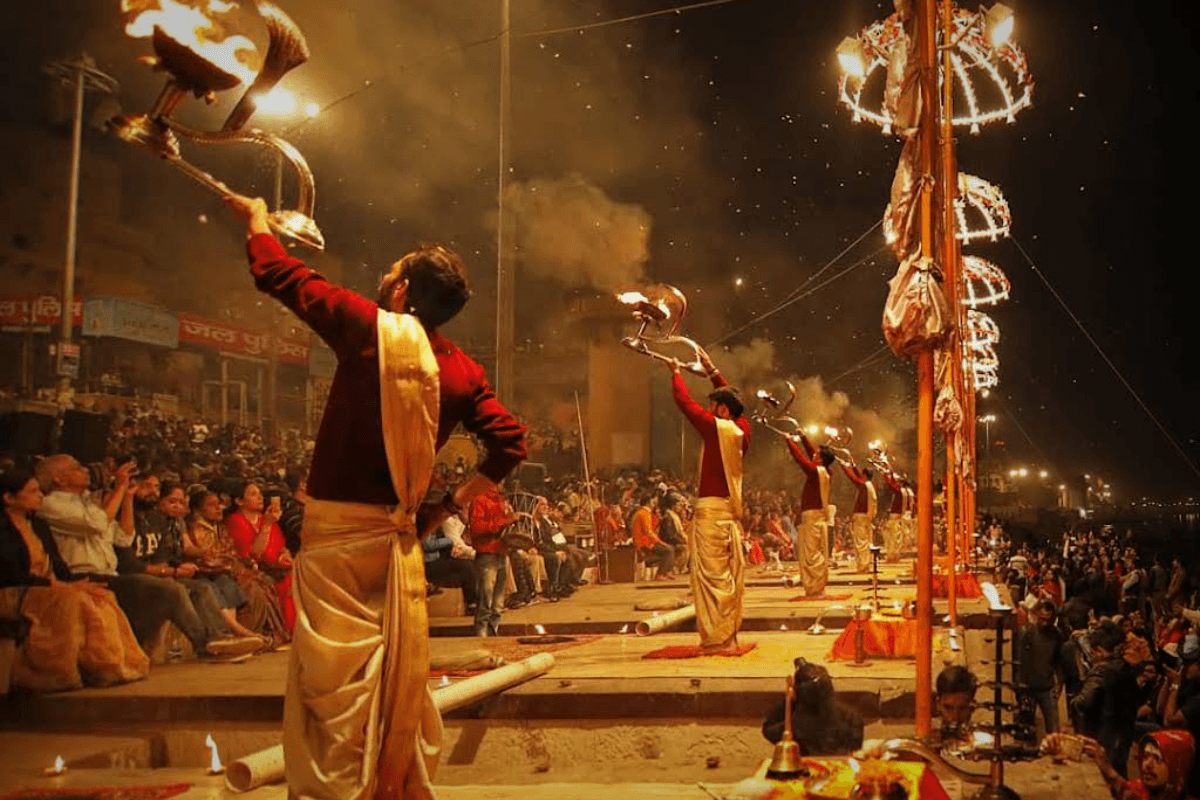
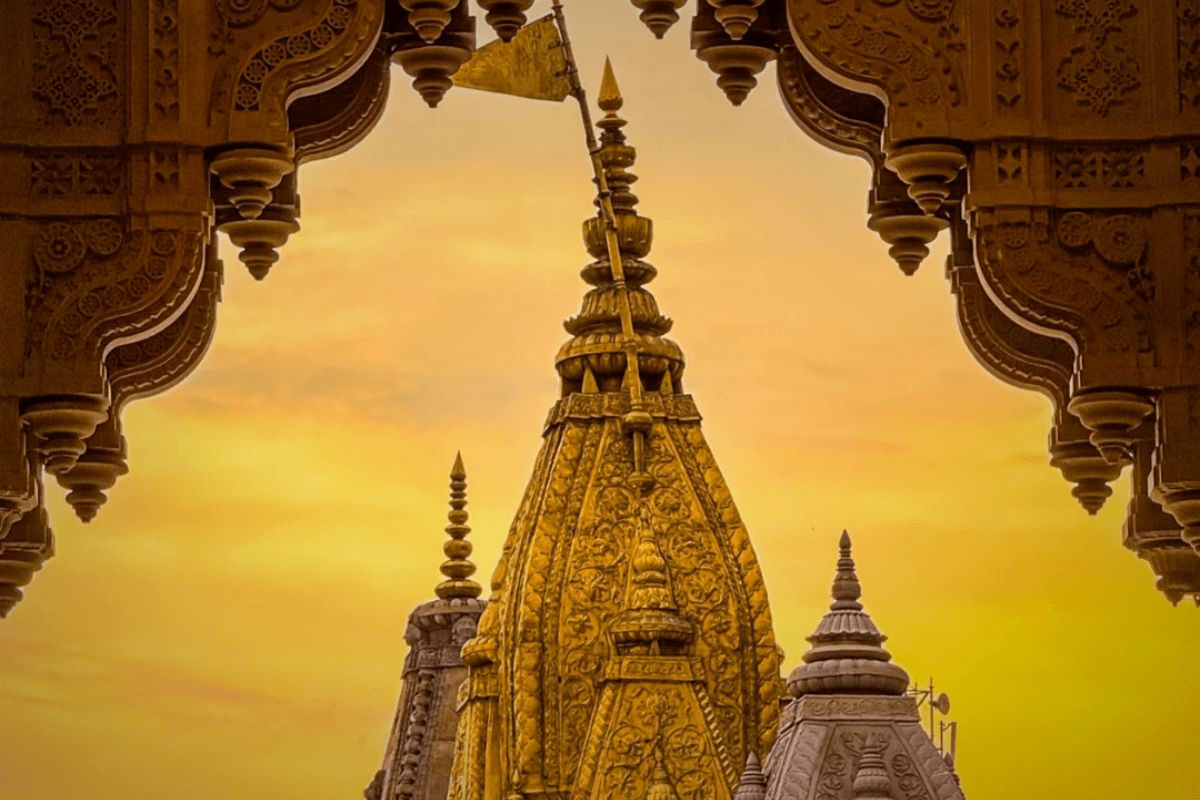
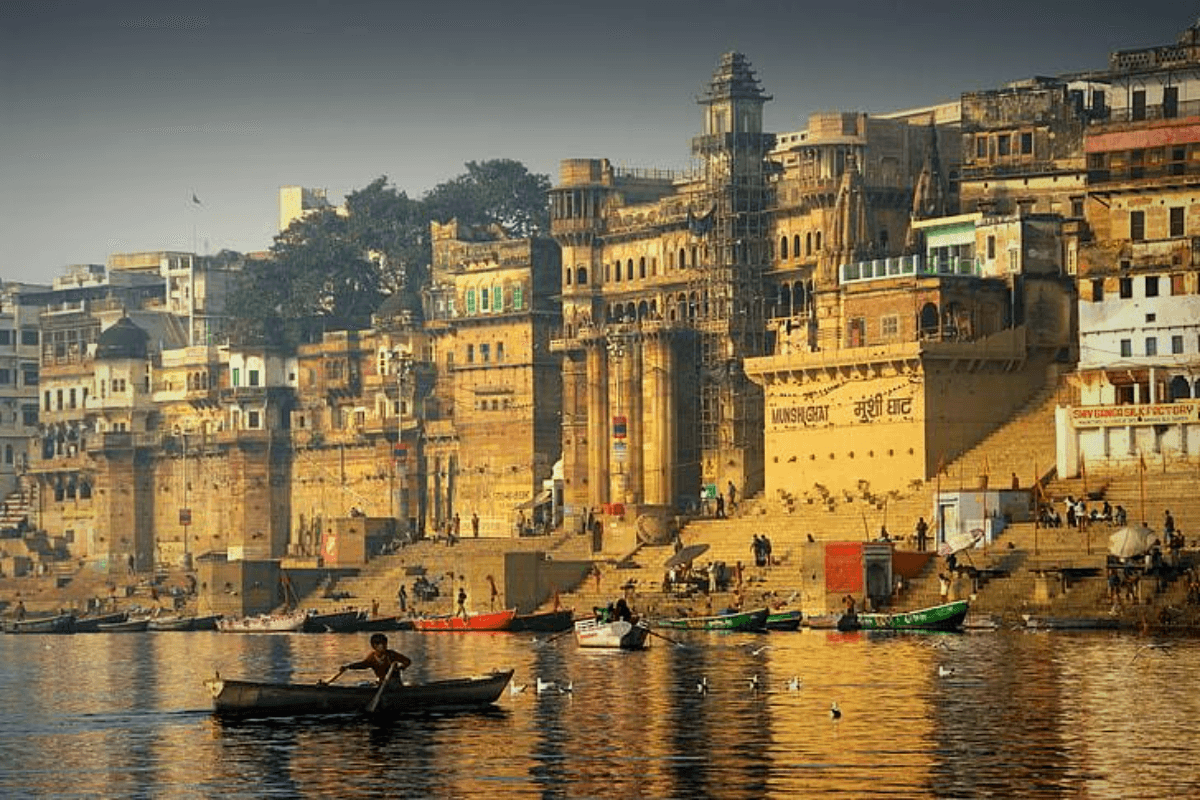
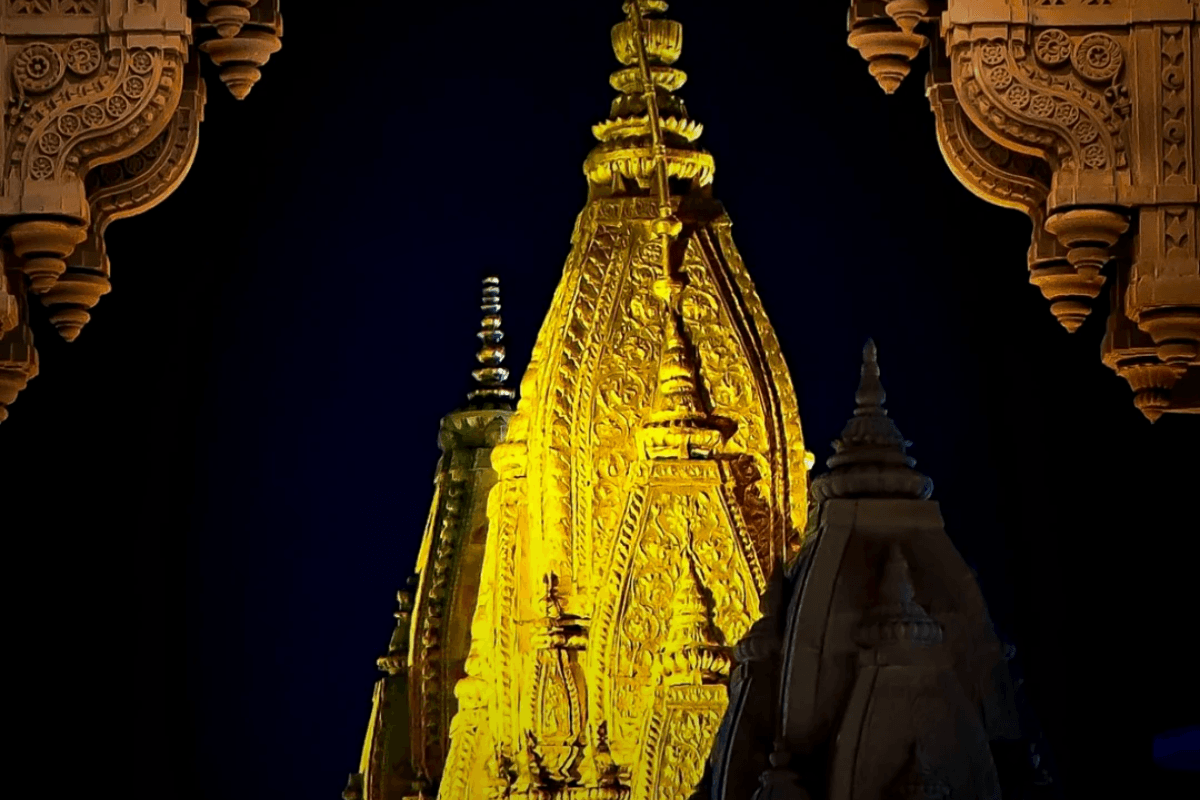
Through the lens
Photos
6 photos
The story
About this package
For a Hindu family, Pind Daan is among the most sacred duties one can carry — the offering of pinda (rice and barley balls) and tarpan (water) to departed ancestors, made with the intention of their peace and onward release. Tradition holds that three places complete this rite — Gaya, Prayagraj at the Sangam, and Kashi, where any lingering pretā- or pishācha-state is freed. Traditions vary on the order — many families perform the Kashi rites before the culminating Gaya offering, others after; our acharya adjusts the sankalpa to what the family has already completed. This package is for the Kashi portion of that yatra.
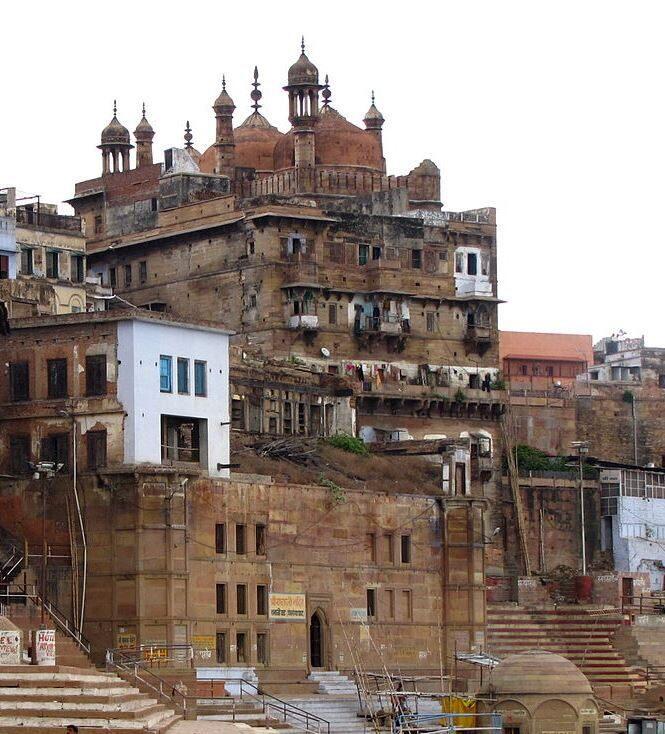
In Varanasi the principal site is Pishach Mochan Kund in the old city — the kund whose very name speaks of liberation from a ghost-state — supported by tarpan at Assi and Dashashwamedh, and, where the family wishes, at Manikarnika as well. The rites are not brief. Across two days they take roughly three to four hours of focused work: sankalpa with the family's gotra and the names of those being remembered, the preparation and offering of the pinda, oblations of til, kusha, gangajal and pushpa, with mantras spoken at each step. A qualified Brahmin acharya leads from beginning to end.
Our part is to take the arrangements off the family's hands so the days can be spent in the rites themselves. The acharya is identified and confirmed in advance. The full set of ceremonial materials — pinda samagri, til, kusha grass, kalash, deepa, gangajal, pushpa — is prepared and brought to each site. The hotel is within walking distance of the ritual ghats. A printed sheet of the principal mantras with Devanagari transliteration is in your hand on arrival, so the family can follow each step rather than only watch.
The intention is simple: that the duty owed to one's ancestors should be done with full attention, in the right order, at the right places, without the burden of logistics being carried alongside grief.
How we look after this journey for the family
- The acharya is identified in advance. A qualified Brahmin priest from the Pishach Mochan tradition, briefed on your gotra and the names of those for whom the rites are being performed, before you arrive.
- The places are taken in their traditional order. Sankalpa and Pind Daan at Pishach Mochan Kund, tarpan at Assi and Dashashwamedh, the closing Tripindi Shraddha on Day 3.
- All ceremonial materials are arranged. Pinda samagri, til, kusha grass, kalash, deepa, gangajal and pushpa — prepared and brought to each site, so the family carries only its intent.
- The day's pace is gentle. Day 2 is the long ritual day; Day 1 and the afternoon of Day 3 are kept open, with rest and the Vishwanath darshan included.
- You arrive prepared. A printed mantra sheet — Sanskrit with Devanagari transliteration — and a brief explanation of each step reach you before Day 1, so the family can take part rather than only observe.
Who performs the rite, and for whom
- Most commonly, a son for departed parents — by tradition the eldest, but in practice any son in the family
- Daughters perform the rite as well; we work with acharyas who recognise this and conduct the sankalpa accordingly
- A grandson for grandparents; a spouse, sibling or other family member where appropriate — the gotra invocation is adjusted to the relationship
- Both an annual paksha-shraddha and a one-time closing rite are possible within this package
When to come — Pitru Paksha and other times
The rite may be performed through the year, but the sixteen days of Pitru Paksha (in the Hindu month of Ashvin, usually falling in late September or early October) are considered the most appropriate time. Bookings for Pitru Paksha are best made about two months in advance, as both acharyas and walking-distance accommodation are in heavy demand. Outside Pitru Paksha, any amavasya (new moon) is regarded as auspicious, and arrangements are easier to confirm at shorter notice.
Weather and travel windows
| Window | Weather | Notes |
|---|---|---|
| Oct 15 – Mar 15 | 10–28°C | The most comfortable window. Pitru Paksha typically falls just before or at the start of this period. |
| Apr – Jun | 26–42°C | Warm afternoons; the schedule leans on early-morning rites with rest in between. |
| Jul – Sep | Monsoon | The river is full; ghat-side tarpan is still possible, though boat movements may be limited. |
A few things to know before you arrive
- White or subdued clothing. A simple white or off-white kurta-pyjama is customary for the rites; please avoid bright colours on the ritual days.
- The sankalpa needs a clear intent. Names of those being remembered, the family's gotra if known, and your relationship to them — the acharya guides you through it.
- A photograph of the departed is helpful; it is referred to briefly during certain steps.
- Tonsure is optional. Many pilgrims choose a ritual haircut on arrival; if you wish, a trusted local barber can be arranged.
- Day 2 is observed as a fasting day until the principal rite is complete. A light fruit-and-water breakfast is provided; the proper meal follows the rite.
- Dakshina to the acharya. Customarily ₹1,500–5,000 per acharya per day, given by the family at its discretion. We will share the customary range so the choice is informed.
Add-ons available on request
The core package is complete on its own. The following are available where a family would like them, priced separately in the quote:
- A second acharya for separate parental rites being performed in parallel
- Tarpan at Manikarnika Ghat in addition to Assi and Dashashwamedh
- A boat for the river-side tarpan rather than performing it from the ghat steps
- Sanskrit explanation of the ritual in English or Hindi from a temple interpreter, walking through each step in advance
- A quieter heritage hotel if a family prefers a more retired stay
Mention what you would like in your enquiry and we will include it in the quote.
Frequently asked
Do we need to know our gotra and lineage?
If known, the gotra and the names of three generations on the paternal side make the sankalpa more personal. If not known, the acharya uses the customary general form, and the rite is fully valid. Please share whatever you do know in your enquiry.
None of us has performed this before. Is that all right?
Yes — the rite is conducted by the acharya, and the family follows along. Each step is shown to you in person, and the printed mantra sheet has the Sanskrit alongside Devanagari transliteration so you can speak the words rather than only listen. The acharyas we work with are accustomed to families coming for the first time.
Is photography allowed during the ritual?
By custom the rites are private, and the focus is meant to remain on the sankalpa. A few still photographs at the very beginning or end, for the family's own keeping, are not objected to; please refrain from photography while mantras are being spoken or pinda being offered.
We have already done Pind Daan in Gaya. Is Kashi still needed?
The Kashi rite — the freeing of any lingering pretā- or pishācha-state — is performed at Pishach Mochan Kund. Traditions vary on the order: many families perform the Kashi rites before the culminating Gaya offering, others after; some perform both within a single longer yatra. If you have already completed Gaya, please mention it; the acharya will adjust the sankalpa accordingly.
Can family members of other faiths be present?
Yes — accompanying family members of any faith may sit with the family through the rites. The acharya will indicate quietly the few moments at which it is customary to step a little to the side.
Is a guide included?
The acharya leads the rites themselves. A printed pre-arrival sheet — meanings, mantras, what to expect at each site, and customary etiquette at the kund and the ghats — is in your hand on Day 1. A separate temple interpreter is available as a paid add-on if you would like the Sanskrit explained in English or Hindi at greater length.
What is Tripindi Shraddha, and why is it on Day 3?
Tripindi Shraddha is a closing rite performed where the family wishes to free the lineage of any unsettled pitr from up to three generations — particularly those who passed in difficult circumstances, or whose annual rites may not have been observed. It is offered at the close of the Kashi portion, on Day 3, before Vishwanath darshan and departure.
How quickly do you reply to enquiries?
Within 6 working hours on weekdays (Mon–Sat, 9 AM – 7 PM IST), and within 24 hours on Sundays and public holidays. Every enquiry receives a named reply from a member of our team — these are not auto-responses, given the nature of the journey.
Related packages
- Varanasi + Ayodhya + Prayagraj — 5 Days — for families who would like to include Sangam tarpan at Prayagraj as well.
- Varanasi 3-Day Spiritual Immersion — a non-ritual pilgrimage for those returning to Kashi after the rites are complete.
What you get
Highlights
Logistics
What's included
Inclusions
- 2 nights hotel (quiet, near ritual ghats)
- All meals — pure-veg, sattvik
- Brahmin priest for all rituals (2 full days)
- Pind Daan ritual at Pishach Mochan Kund
- Tarpan at Assi + Dashashwamedh + optional Manikarnika
- Tripindi Shraddha closing rite
- All ritual materials (pinda, til, kusha grass, kalash, diya, gangajal, flowers)
- Kashi Vishwanath darshan on Day 3
- Printed briefing + mantra sheet with transliteration
- All transfers
- Bottled water
Not included
- Travel to/from Varanasi
- Priest dakshina (typically ₹1,500–5,000/priest/day, at your discretion)
- Tonsure/barber (₹200–500)
- Donations to ghat priests (traditionally given, small amounts)
- Personal shopping
- Optional add-ons
- Travel insurance
Send an Enquiry
Leave your name and number — our team will call you.
Starting price
₹8,999
per person
Replies in minutes on WhatsApp · 7 AM–10 PM
Trusted by Pilgrims
“We came for my mother's 75th birthday darshan. Satmarg arranged wheelchair access, a pandit who spoke her dialect, and a private boat for her Ganga aarti.”
“Third time using Satmarg. The cab service is top-notch — AC Innova, polite driver, no surprise charges.”
Udyam-registered MSME · UDYAM-UP-75-0177698
Varanasi-based operator · local guides & pandits
Hindi & English support · 7 AM–10 PM
The fine print
Cancellation policy
The fine print
Cancellation policy
Booking: 25% advance to confirm priest scheduling; balance 14 days before arrival. Cancellation: Free up to 14 days — full refund. 7–14 days — 50%. Within 7 days — no refund, but reschedule within 6 months for medical/family emergency (priest scheduling preserved where possible). Ritual integrity: priest substitution only with your consent. All rituals performed per Varanasi Brahmin tradition. Auspicious dates: Pitru Paksha (Sep/Oct annually) books out 2 months ahead.