A circuit Package
Saket-Kashi-Prayag Yatra ex-Kolkata — 5 Days
From Rs 15,200 pp twin-share | Ex-Kolkata Train | 5-Day Combo
Traditional order
Priority bookings
Gentle pacing
Briefing included
The three Ganga-belt dhams — Kashi (Varanasi), Prayag (Triveni Sangam), and Saket (Ayodhya) — in five unhurried days from Kolkata by train ex-Howrah. 3-star hotels within walking distance of the Ghats, the Sangam, and the Saryu. Hindi-first ops for East-India pilgrims, escorted Kashi Vishwanath corridor darshan, Sangam boat tied with one trusted operator, free unslotted Ram Janmabhoomi entry with aarti-pass help.
Day-by-day
Itinerary
5 days · click to expand
Day 1 begins at Howrah. You reach the station by 7:30 PM, find your platform, and board the overnight train to Varanasi by 8:00-8:30 PM (the exact train varies by date — the Vibhuti Express is the 8 PM boarding this plan is built on; the Doon Express also runs but reaches Varanasi around 11 AM, which shortens Day 2). The train carries you west through the night, past Asansol, past Dhanbad, past Gaya, across the Ganga plains. You wake to the morning fields of Uttar Pradesh and reach Varanasi Junction by mid-morning. The cab and driver are waiting at the platform when you step off; from there it is a 20-minute drive into the old city, to the hotel within walking distance of Dashashwamedh Ghat. The yatra has begun.
Note Train: we book the seat at the time of confirmation, 3AC or sleeper as you choose. The Howrah-Varanasi run is well-served — at least three direct overnight trains daily. Carry a light blanket if you book sleeper (3AC has the bedding included). Reach Howrah 30-45 minutes before departure for the platform walk. Hindi-speaking coordinator on call from booking onwards; Bangla available for senior family members.
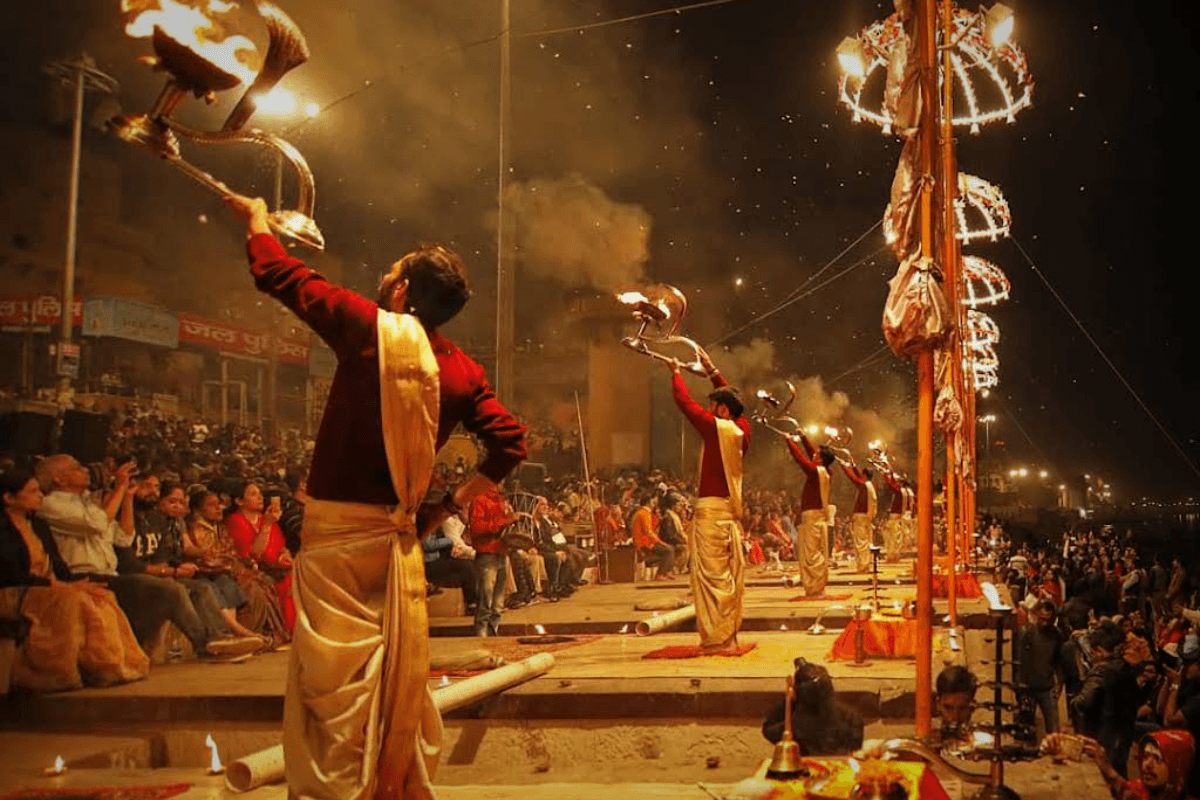
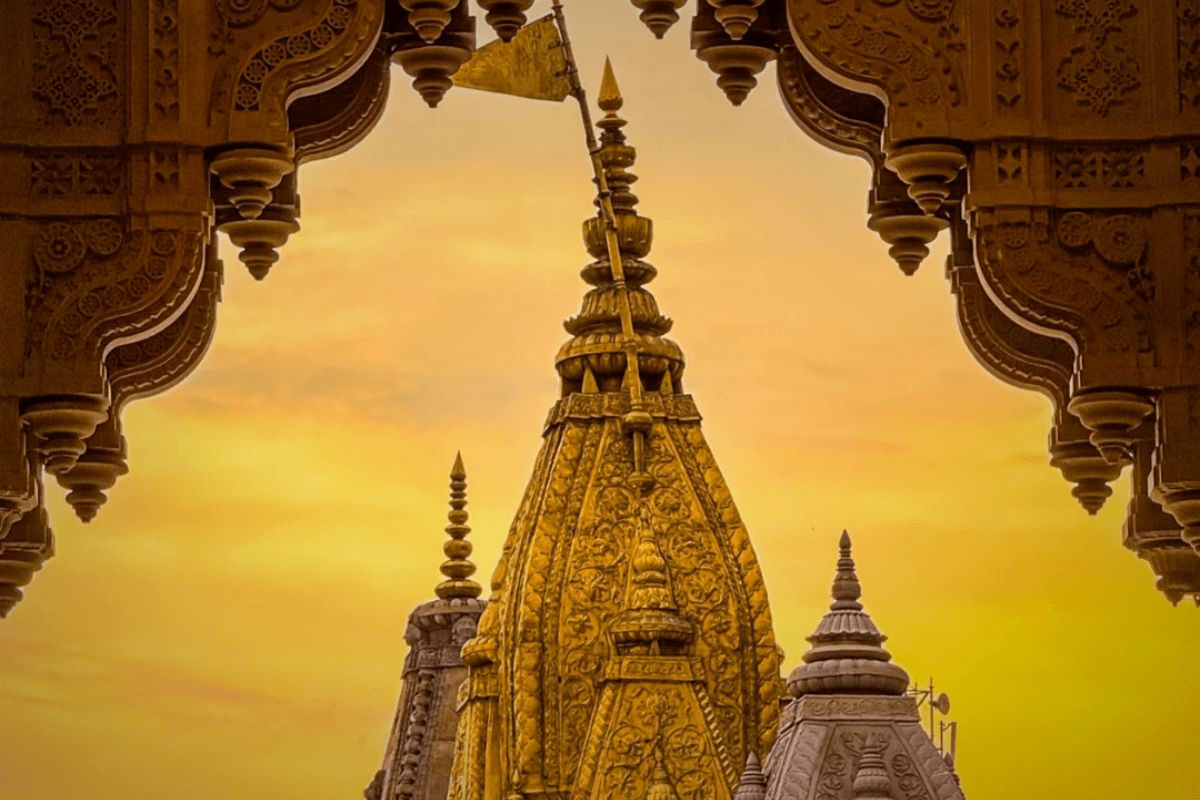
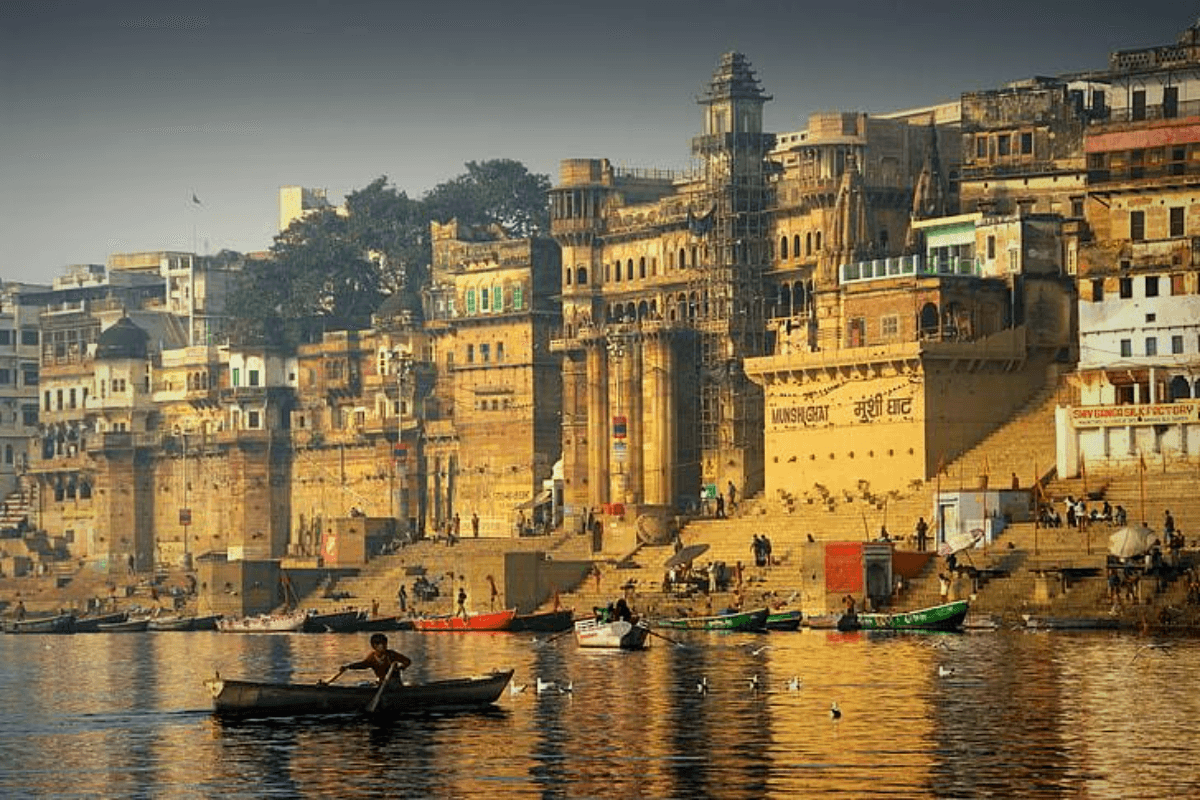
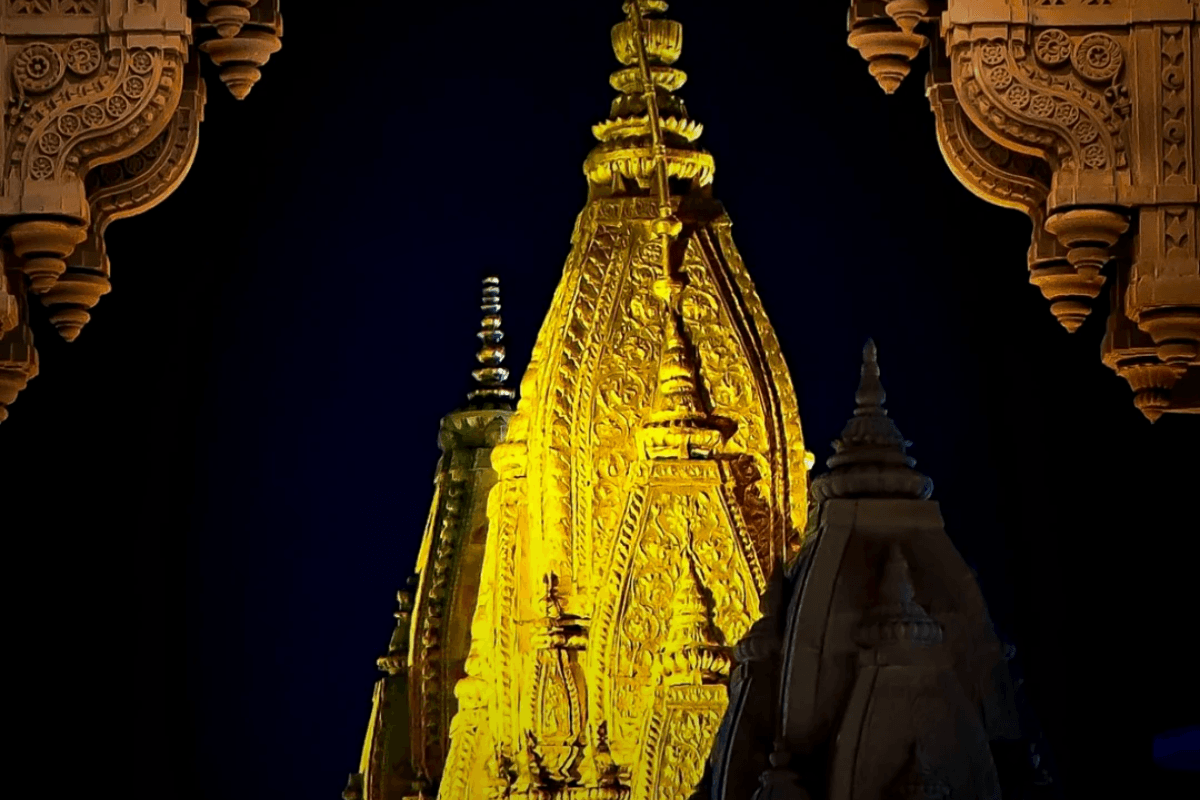
The heart of Kashi in a single day. You arrive Varanasi Junction by mid-morning, the cab takes you to the hotel near Dashashwamedh, you freshen up and have breakfast. By 11:00 AM we walk down to the ghat for the late Subah-e-Banaras boat hour — Assi to Dashashwamedh downstream, the soft post-dawn light on the eighty-some ghats, our boat operator pointing out Tulsi Ghat (where Tulsidas wrote the Ramcharitmanas), Harishchandra Ghat the second cremation ground, Manikarnika the great cremation ghat where the fire is held to have burned without break since Sri Vishnu first lit it. Back at Dashashwamedh by 12:30 PM, we walk through the lanes to Kashi Vishwanath. Our coordinator walks you through the corridor — the new Vishwanath Dham approach, the security check, the Jyotirlinga itself in the inner garbhagriha. There is no free pre-bookable darshan window here; if you want a shorter line, a Sugam Darshan ticket (Rs 250-300) can be booked online at shrikashivishwanath.org.</p><p>After Vishwanath, lunch at a Banarasi kachori place near the temple — pure veg, generations old. The afternoon is Sankat Mochan — the Hanuman temple Goswami Tulsidas is held to have founded in the 16th century, on the spot where he had darshan of Hanuman ji. The murti is small, the temple is leafy, the bhava is calm. We are back at Dashashwamedh 45-60 minutes before the aarti — about 5:00 PM from October to March, about 6:00 PM from April to September; our coordinator has reserved seating on the ghat for the Ganga Aarti — the seven priests, the seven brass lamps, the conch and the bell. We sit, not stand at the back behind the crowd. Dinner at a Banarasi thali place near the ghat, then back to the hotel.
Note Kashi Vishwanath corridor darshan is escorted by our coordinator, not pre-booked — no free darshan window exists; the optional Sugam Darshan ticket (Rs 250-300) is booked online at shrikashivishwanath.org. Modest dress is mandatory; no leather inside the Jyotirlinga sanctum, no mobile phones (lockers at the security check). Subah-e-Banaras boat: shared boat with 6-10 pilgrims, 60-75 minutes downstream, fare Rs 200-300 per head (included). Dashashwamedh Ganga Aarti begins about 5:45 PM from October to March and about 6:45-7:00 PM from April to September; we arrive 45-60 minutes early. Reserved seating is on the ghat, white sheets, second row behind the priests' platform.
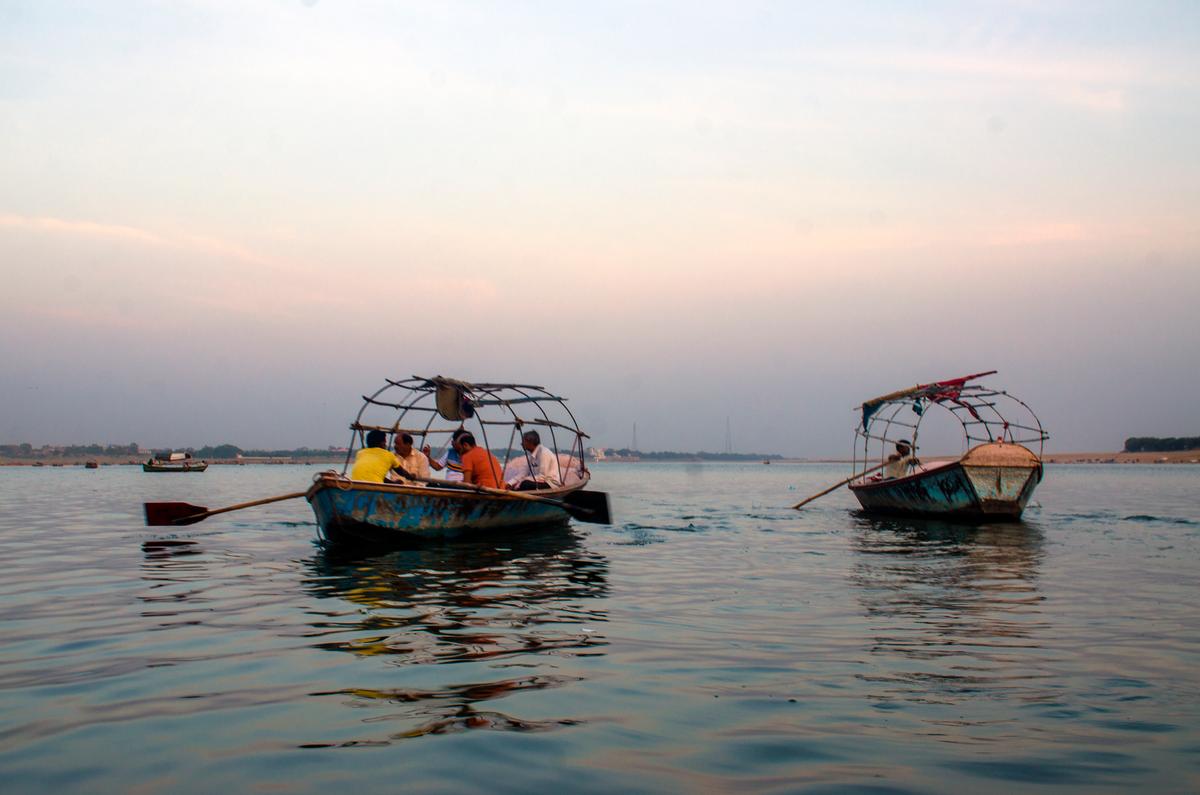
An early breakfast, then we leave Varanasi by 8:30 AM and drive west along the Ganga to Prayagraj (125 km, 3 hours). We reach by late morning, check into a 3-star hotel near Civil Lines or the Sangam, and after a short rest we drive to Triveni Sangam — the meeting of the Ganga (clear, green), the Yamuna (darker, slower), and the unseen Saraswati that the puranas hold to flow beneath. Our boat operator is waiting; we have worked with him for two seasons now. The boat takes us out into the sangam waters for the snan — a dip from the boat or from the platform, three handfuls of jal as tarpan for ancestors, and back to the bank.</p><p>After the boat, Akshayavat — the immortal banyan tree inside the Allahabad Fort that the puranas describe as the tree that survives the pralaya. The ASI opens the underground chamber to pilgrims at fixed hours. From Akshayavat we drive a short distance to Bade Hanuman — the reclining Hanuman murti of Prayagraj, 20 feet long, lying in repose. The murti is one of the rare sleeping Hanuman forms in the country; the bhava is gentle, parental, calm. Back at the hotel for dinner; tomorrow we drive to Ayodhya.
Note Sangam boat: shared boat with 6-10 pilgrims, fare Rs 150-250 per head paid on the boat (included in our package). A change of dry clothes if you take a full snan; otherwise a sankalp-snan from the boat is the gentler option. Akshayavat is inside the Allahabad Fort (Indian Army cantonment); ID proof mandatory, no cameras. Bade Hanuman temple is 500 metres from the Fort, walkable. Dress modestly.
After breakfast we leave Prayagraj at 8:00 AM and drive north-east through the Awadh plains — past Pratapgarh, past Sultanpur — to Ayodhya. The road is paved, the country is flat, the journey is 5-6 hours with one chai stop. We reach by mid-afternoon, check into a 3-star hotel within walking distance of the Saryu, rest a short while, and walk up to Hanuman Garhi by evening — the 76-step climb to the hill shrine of Bajrangbali. The darshan here is held to be the gatekeeping darshan of Ayodhya; one bows to Hanuman first, before any other shrine. The temple is on a small hill in the heart of the old town, the steps are broad, the air at the top is open.</p><p>From Hanuman Garhi we walk down to the Saryu about 45 minutes before the evening Saryu Aarti — around 5:00 PM in winter, 6:00 PM in summer at Ram Ki Paidi or Naya Ghat — the lamps on the river, the bell, the conch, the river into which Sri Ram took jal samadhi at Gupt Ghat. The Saryu Aarti is quieter than the Dashashwamedh aarti — fewer priests, fewer crowds, more space to breathe. Back at the hotel for an early dinner; tomorrow morning is Ram Janmabhoomi and the train home.
Note The Hanuman Garhi climb is gentle — broad stone steps, no rush, regular landings to rest. Modest dress, leave footwear at the marked counter. Saryu Aarti at Ram Ki Paidi runs about 5:30-6:00 PM in winter and 6:45-7:15 PM in summer. Mosquito repellent for the riverside evening. Pure-veg meals at the hotel; Hindi-speaking staff at every touchpoint.
The closing morning. Early breakfast at the hotel, then Ram Janmabhoomi for the morning darshan — general darshan is free and unslotted, so there is nothing to book — we reach at the opening hour, when the line moves fastest. The darshan of Ramlalla at the new mandir, the parikrama of the inner courtyard, the prasad. Out by mid-morning, we walk to Kanak Bhawan — the palace Kaikeyi gifted to Sita Mata on her wedding day, the only Ayodhya temple where Sita-Ram are worshipped together as raja-rani (king and queen, not avatara). The murti is small, dressed in real-cloth garments changed every few hours; the bhava is domestic, not heroic.</p><p>After Kanak Bhawan we walk back through the lanes to the hotel, check out, and have a late lunch. The cab leaves Ayodhya by 1:30 PM and drives to Lucknow station (135 km, 2.5-3 hours). At Lucknow you board the evening return train to Howrah — Doon Express, Howrah-Amritsar Mail, or similar depending on dates. The train carries you east through the night and you reach Howrah by Day 6 morning. Three dhams done. Kashi, Prayag, Saket — touched. The blessing carried home to Kolkata.
Note Ram Janmabhoomi: entry is free and unslotted; only the Mangala, Shringar, and Shayan aartis take free passes, which we request via srjbtkshetra.org subject to availability. Modest dress is mandatory; no mobile phones inside the security perimeter (lockers at the entry). Kanak Bhawan is within walking distance of the Janmabhoomi. The Lucknow-Howrah evening train is booked at confirmation; carry a light blanket if you book sleeper. Confirm your return-train timing at booking so the cab drop matches.
The story
About this package
Three dhams of the plains, in five days, from Howrah. Kashi — the eternal city, Bhagavan Vishwanath's own — at Varanasi. Prayag — where Ganga, Yamuna, and the unseen Saraswati meet — at Prayagraj. Saket — the city of Sri Ram — at Ayodhya. One overnight train out of Howrah, four nights on the road, the three places every Hindu wants to bow at, done as one continuous journey for the East-India family.
This is the East-India edition of our most-asked 5-day combo. Built around the overnight train from Howrah that reaches Varanasi by morning, so Day 1 is the sleeper berth and Day 2 begins at the ghats. The hotel staff at every stop speak Hindi, the cab driver speaks Hindi, the boat operator at Sangam speaks Hindi, our coordinator on call through the yatra speaks Hindi. For Bangla-speaking pilgrims who prefer Hindi on yatra over English, we run the whole package in the language the three cities are sung in.
What this package is
- Standard tier. 3-star hotels at every stop — chosen for walking distance from Dashashwamedh at Varanasi, the Sangam at Prayagraj, and the Saryu at Ayodhya. No long auto rides at 4 AM to reach the river.
- Ex-Kolkata by train from Howrah. You board the overnight train at Howrah on Day 1 evening; the package ends at Lucknow station on Day 5 afternoon for the return train to Howrah. Both train legs are booked on confirmation.
- From Rs 15,200 per person on twin-share. Quoted on enquiry — final price depends on dates, train class (3AC vs 2AC), and group size. The Kolkata-edition runs slightly higher than the Delhi one because Howrah-Varanasi is a longer haul and the return from Lucknow adds a day-leg.
- Hindi-first operations for East-India pilgrims. The cab drivers, hotel staff, boat operator at Sangam, and our ground coordinator all speak Hindi as their first language. Our coordinator can take calls in Bangla at booking if that helps the senior members of the family.
- Darshan arranged, not left to chance. Escorted Kashi Vishwanath corridor darshan on Day 2 morning, with an optional Sugam Darshan ticket (Rs 250-300, booked online at shrikashivishwanath.org); free unslotted Ram Janmabhoomi entry on Day 5 morning at the calm hour; Sangam boat ride tied with one trusted Prayagraj operator on Day 3.
How the five days unfold
Day 1 you board the overnight train at Howrah by 8:00 PM, settle into your 3AC berth, and the train carries you west through the night across the Ganga plains. Day 2 you arrive Varanasi by mid-morning — the cab and driver are waiting at the platform. After check-in and breakfast, the heart of Kashi unfolds: Subah-e-Banaras boat hour from Assi to Dashashwamedh in the soft morning light, then escorted darshan at Kashi Vishwanath through the corridor, lunch at a Banarasi kachori place, Sankat Mochan in the afternoon, and the Ganga Aarti at Dashashwamedh by evening with reserved seating.
Day 3 we drive from Varanasi to Prayagraj — 3 hours along the Ganga. Afternoon at the Triveni Sangam for the boat-snan with our coordinated operator, Akshayavat inside the Allahabad Fort, and Bade Hanuman — the reclining Hanuman murti of Prayagraj. Day 4 we drive from Prayagraj to Ayodhya, 5-6 hours through the Awadh plains. Evening at Hanuman Garhi — the 76-step climb to motor boatngbali's hill shrine — and the Saryu Aarti at Ram Ki Paidi.
Day 5 morning is the Ayodhya finale: Ram Janmabhoomi darshan — free entry, no slot to book — then Kanak Bhawan (Sita Mata's palace), and an unhurried walk back through the lanes. After lunch the cab drops you at Lucknow station for the afternoon train back to Howrah; you reach Kolkata by Day 6 morning.
Who this is for
Book this if:
- You are an East-India family — Kolkata, Howrah, the surrounding districts — and want the three Ganga-belt dhams from your own station
- You prefer the overnight train out of Howrah over a flight
- You prefer Hindi-speaking staff at every touchpoint on yatra; Bangla-speaking coordinator available at booking
- You want 3-star hotels within walking distance of the river at each stop, not budget lodges far from the ghats
- Your budget is in the Rs 15,000-22,000 per person range and you want value, not luxury
- You can travel any month October to March (the clean weather window in the Ganga belt)
When to go
The Ganga belt is most comfortable from October to March — cool mornings, dry evenings, river-fog only in late December and January. The two festival peaks are Kartik Purnima at Varanasi (Dev Deepawali, mid-November) and Magh Mela at Prayagraj (mid-January to mid-February). Both add to the experience but tighten hotel availability — book six weeks ahead. April and May are hot (38-42 deg C); June to September is the monsoon and we recommend against it for the boat rides.
What you get
Highlights
Logistics
What's included
Inclusions
- Sleeper or 3AC train ticket Howrah to Varanasi on Day 1 evening, and Lucknow to Howrah return on Day 5 afternoon — both booked at confirmation
- All hotel stays on twin-share (Varanasi 1N near Dashashwamedh, Prayagraj 1N near Sangam, Ayodhya 2N within walking distance of Saryu)
- Daily breakfast and dinner at the hotels
- Private AC cab from Varanasi station onwards, all road transfers (Varanasi to Prayagraj, Prayagraj to Ayodhya, Ayodhya to Lucknow station)
- Driver allowance, fuel, toll, parking, all state taxes
- Escorted Kashi Vishwanath corridor darshan on Day 2 morning (optional Sugam Darshan ticket Rs 250-300, booked online at shrikashivishwanath.org, at your cost)
- Sangam boat ride at Triveni on Day 3 with our coordinated operator
- Ram Janmabhoomi darshan guidance on Day 5 morning — free unslotted entry, plus free aarti pass requests via srjbtkshetra.org
- Subah-e-Banaras dawn boat hour Assi to Dashashwamedh on Day 2 morning
- Reserved seating for Ganga Aarti at Dashashwamedh on Day 2 evening
- Saryu Aarti at Ram Ki Paidi on Day 4 evening
- 24x7 Hindi-speaking ground coordinator on call through the yatra
Not included
- Travel to Howrah station on Day 1 evening (we begin at the Howrah train)
- Onward travel from Howrah station on Day 6 morning after the return train arrives
- Lunch on all days (we recommend the local thali places we know in each city; Rs 150-250 per meal)
- Personal expenses, prasad, donations, telephone calls, laundry
- Any donation at the temples (suggested Rs 50-100 per shrine, fully optional)
- Travel insurance — recommended
- Anything not specifically listed in the inclusions
Before you book
Questions pilgrims ask
How do we travel from Kolkata, and how long is the train journey?
You leave Howrah by an overnight train around 8-8:30 PM on Day 1, in sleeper or 3AC class, arriving in Varanasi the next morning — this leg alone is close to half a day on the rails. The return journey on Day 5 goes from Lucknow, after Ayodhya, back to Howrah by another overnight train, so both ends of the trip are built around a full night on board.
Why does this route visit Varanasi first instead of Ayodhya?
Because the direct overnight train from Howrah runs into Varanasi, not Ayodhya, so the itinerary starts where the train puts you and works Prayagraj and Ayodhya in afterward by road. If you would rather start in Ayodhya, our Delhi-origin packages are built the other way round.
What does the price include and exclude?
It covers your Howrah-Varanasi and Lucknow-Howrah train tickets, four nights of 3-star hotel stays, breakfast and dinner daily, private AC cab for every road transfer with driver, fuel and tolls, escorted Kashi Vishwanath darshan, the Sangam boat, and reserved Ganga Aarti seating. Lunch, travel to Howrah station before Day 1 and after Day 5, temple donations and travel insurance are not included.
How long is the Prayagraj-to-Ayodhya drive on Day 4, really?
Budget 5 to 6 hours for this leg through the Awadh plains — it covers real distance on roads that pass through towns rather than open highway, so it runs longer than a straight-line map estimate would suggest. It is the longest single drive in this itinerary, so Day 4 is largely a travel day with darshan in the evening.
What's the Kashi Vishwanath experience like on Day 2, and are phones allowed?
You get an escorted corridor darshan the same morning you arrive, so plan for a full day rather than a rest day. The temple is open 2:30 AM to 11 PM, and phones and cameras are generally not permitted inside — we confirm the locker arrangement with you before your visit.
Is the Ganga Aarti seat guaranteed, and what time does it start?
Reserved seating at Dashashwamedh Ghat is arranged in advance and included in the package, though exact placement depends on the evening's crowd. The Aarti begins close to sunset — around 6 PM in winter, nearer 7 PM in summer — and runs about 45 minutes.
What does the Hanuman Garhi visit involve — is the climb difficult?
Hanuman Garhi sits above a flight of roughly 76 steps, so the climb is real, not a formality — pace yourself, especially in Ayodhya's summer heat, and wear shoes you can walk in. It is one of the first stops on Day 4 evening, so you arrive tired from the road drive.
Is Ram Janmabhoomi darshan on Day 5 guaranteed to be quick?
Ram Janmabhoomi currently runs free, unslotted entry, so there is no fixed appointment — the queue length depends entirely on the day and season, shorter on weekday mornings and much longer on weekends or festival dates. We schedule your visit for a calmer window where the calendar allows, but we cannot promise a short wait.
Does this trip clash with Magh Mela or Kumbh at Prayagraj?
The last Maha Kumbh at Prayagraj ran January–February 2025, and Maha Kumbh returns only about every 12 years there, with Ardh Kumbh around the 6-year mark — so this route is well outside Kumbh season for years to come. Prayagraj's smaller annual Magh Mela still returns every January–February; we don't have confirmed 2027 dates yet, so tell us your travel dates and we'll flag any overlap, since it changes crowds and boat access at Sangam.
Send an Enquiry
Leave your name and number — our team will call you.
Starting price
₹15,999
per person
Replies in minutes on WhatsApp · 7 AM–10 PM
Trusted by Pilgrims
“We came for my mother's 75th birthday darshan. Satmarg arranged wheelchair access, a pandit who spoke her dialect, and a private boat for her Ganga aarti.”
“Third time using Satmarg. The cab service is top-notch — AC Innova, polite driver, no surprise charges.”
Udyam-registered MSME · UDYAM-UP-75-0177698
Varanasi-based operator · local guides & pandits
Hindi & English support · 7 AM–10 PM