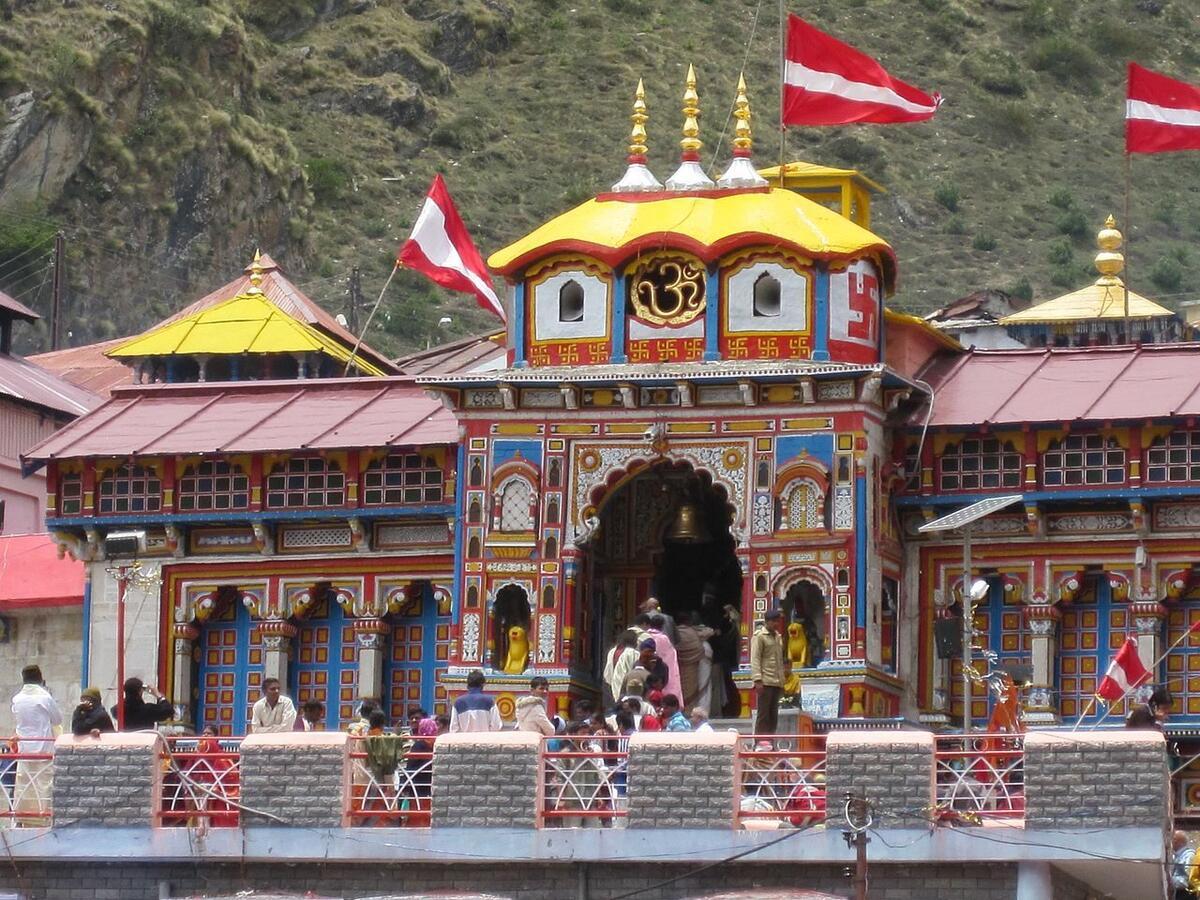
Brahma Kapal is a stone-paved platform on the bank of the Alaknanda directly behind the Shri Badrinath temple at Badrinath dham. The name Brahma Kapal — "Brahma's skull" — comes from the Skanda Purana's katha: tradition holds that Lord Brahma's fifth head (cut off by Shiva to balance hubris) clung to Shiva's palm until it was released here and dissolved by the Alaknanda, the river releasing him of the curse. Because that act of release happened here, Brahma Kapal is considered the supreme tirtha for releasing ancestors from any spiritual obligation they may carry forward.
For pind-daan and tarpan, Brahma Kapal is held by the Garuda Purana and the Skanda Purana to surpass even Gaya — the most famous of all north-Indian ancestor-tirthas. Tradition holds that pind-daan performed at Brahma Kapal grants moksha to the ancestor: complete release from the cycle of births. Many families travel to Badrinath specifically for this purpose, accompanying the elder member who wishes to perform ancestor rites for the family lineage.
The katha of release
The Padma Purana tells: Brahma in the early Treta yuga had five heads but became proud of his creation. Shiva, to teach humility, severed his fifth head with a finger-nail. The severed skull adhered to Shiva's palm and would not be released; Shiva wandered the universe seeking purification. He came to many tirthas — at each, the skull would not detach. Finally at Badrinath, when Shiva stood on the bank of the Alaknanda, the skull dropped into the water, the curse was lifted, and Shiva was purified. Tradition holds that the precise spot of this release became Brahma Kapal — and that the river's power to release continues for all who perform their ancestor-rites here.
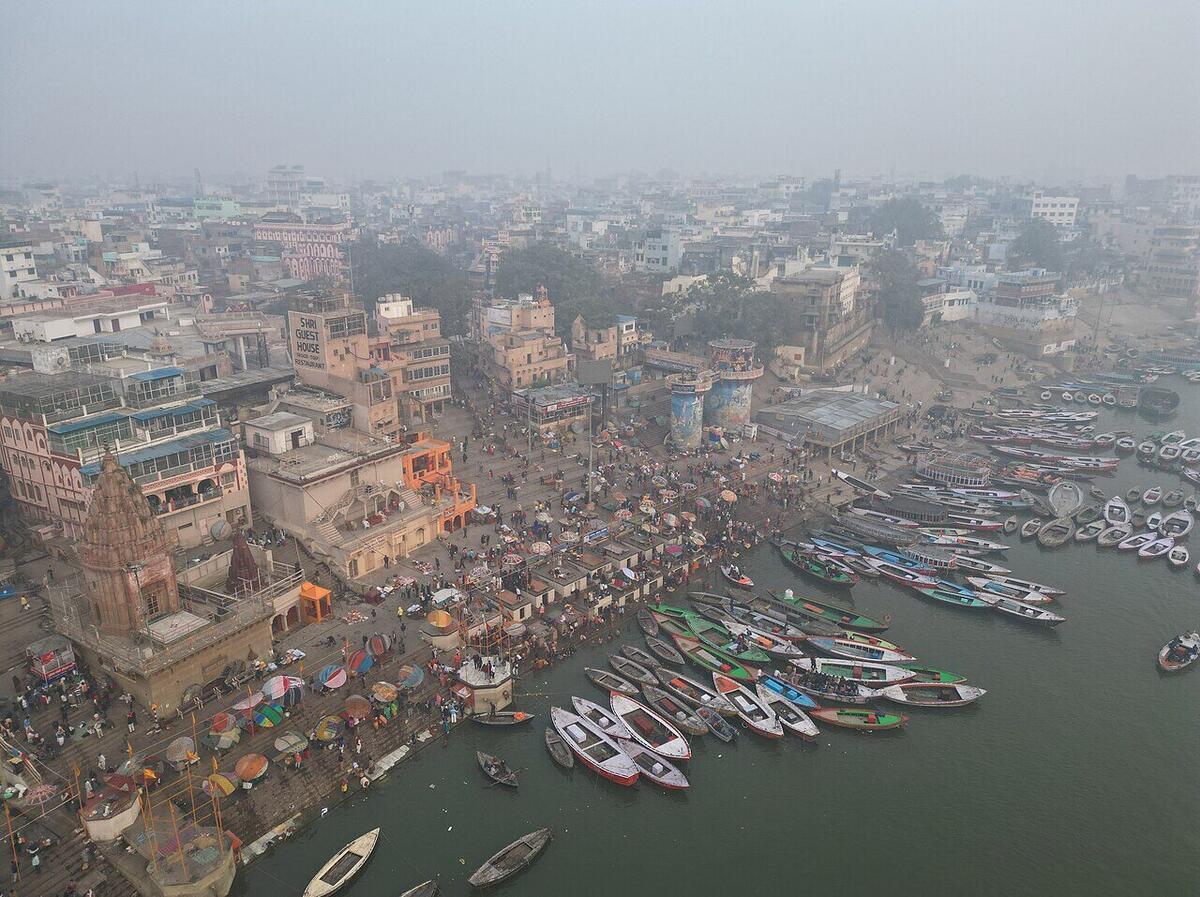
Brahma Kapal is held by Hindu tradition to be the supreme ancestor-rite tirtha — exceeding Gaya, Kashi, and Prayag in spiritual potency. The Garuda Purana states that pind-daan at Brahma Kapal grants the ancestor moksha; the Skanda Purana's Badrinath Mahatmya makes the same claim. Garhwal pandits who serve at the site are trained specifically in the Brahma Kapal pind-daan paddhati, which combines Vedic mantra recitation with Vaishnava observances.
For the modern pilgrim, Brahma Kapal is the most spiritually charged ancestor-rite tirtha accessible during the Char Dham yatra season. Many Char Dham yatris carry their family's pitru-rina sankalpa specifically to Brahma Kapal — the act is held to liberate ancestors of generations past from any unmukti-bond, and to fulfill the descendant's obligation completely.
History
Brahma Kapal as the ancestor-rite tirtha of Badrinath has been mentioned in Vaishnava and Shaiva texts from the medieval period. The stone-paved ghat structure took its present form through successive renovations, and the site is today cared for by the Badrinath-Kedarnath Temple Committee (BKTC). The Garhwal pandit families who serve at Brahma Kapal have a hereditary tradition of conducting the pind-daan rite; rates and rituals are standardised by the Board and trusted lineages.
Architecture
Brahma Kapal is a stone-paved platform about 30 metres long on the Alaknanda bank, with steps descending to the river and small ritual-stations marked by stone. Pandit booths are arranged along the path leading down from the Badrinath temple to the ghat. The space is open, unroofed, with the high cliff of the Neelkanth peak visible to the north.
Rituals & Practices
Pind-daan is performed daily through the Badrinath yatra season. The traditional sequence: arrival at Brahma Kapal after Tapt Kund snan and Badrinath temple darshan; engagement of a Garhwal pandit (rates are set, displayed at the entrance); collection of samagri (pind-flour, til, kush-grass, jaggery, water from the Alaknanda); recitation of the Brahma Kapal Pitru-stotra and the family's lineage; offering of three pinds (for father, grandfather, great-grandfather); and immersion of the pinds in the Alaknanda. Many families also perform tarpan for the entire pitru-pakshik lineage.
The rite takes 45-60 minutes for one ancestor; 90 minutes for the full pitru-paksha sankalpa. The pandit chants the mantras and explains each step; the family member performing the rite chants along or repeats key mantras. Photography is generally permitted in the outer ghat (not during the rite itself, which is meant to be intimate).
Festivals & Celebrations
| Festival | When | Crowd |
|---|---|---|
| Pitru Paksha | — | very_high |
| Akshaya Tritiya | — | very_high |
| Mahalaya Amavasya | — | very_high |
| Daily yatra-season rites | — | high |
Pitru Paksha: The supreme period of ancestor-veneration in Hindu tradition.
Akshaya Tritiya: Beginning of the yatra season.
Mahalaya Amavasya: The closing day of Pitru Paksha.
Daily yatra-season rites: The principal ancestor-rite during yatra season.
Prepare for Your Visit
Practical guidance to help you plan your pilgrimage
| Pilgrim Guidance | How to reachBrahma Kapal is at the back of the Badrinath temple complex, accessed via the temple's rear gate after darshan. Cars park about 200 metres away; the final approach is by walking down a short flight of steps. PreparationWear traditional clothes — dhoti for men, sari/salwar-kameez for women. Bring photo ID and a brief written record of your lineage (father's, grandfather's, great-grandfather's names — the pandit will ask). The samagri is sold by the pandits; rates are displayed. Carry your own seat-mat (asana) if you wish; otherwise the pandit provides one. Best time to visitThe Badrinath yatra season (May to November). Pitru-Paksha (Shradha-Paksh, September-October) is the supreme period for ancestor-rites at Brahma Kapal; pandits work through the day to accommodate the high pilgrim flow. Akshaya Tritiya (kapat opening) is auspicious for first-year rites. |
Location
Chamoli, UK
Pilgrim photos
No pilgrim photos yet.
Community corrections
No corrections yet.
Edit history
No revisions yet.
Plan Your Visit to Brahma Kapal
Get a custom itinerary and pricing for your trip.
Recommended
Packages for this destination
Pilgrim Notes
On-ground observations from fellow pilgrims
No pilgrim notes yet. Be the first to share on-ground observations!
Sign in to share a note.
Pilgrim Reviews
Be the first to share your experience at Brahma Kapal.
Sign in to write a review.
Nearby sacred places
Discover other sacred places near Brahma Kapal
Explore temples, tirthas, and pilgrimage sites in UK
Explore nearbyPart of these circuits
Walk the traditional pilgrimage routes this destination belongs to.