Ram Ghat sits on the eastern bank of the Mandakini river in Chitrakoot, the forest-region that the Ramayana describes as Shri Ram's home during a long stretch of his fourteen-year vanvas. Tradition holds that Shri Ram, Sita-mata, and Lakshman bathed at this very bend of the Mandakini each morning during their Chitrakoot years; the stone-paved ghat with its descending steps marks the place where the divine couple is held to have stepped into the sacred water. Today Ram Ghat is the spiritual heart of Chitrakoot — every pilgrim coming to Kamadgiri, Bharat Milap, or Janki Kund begins or ends the yatra here.
The ghat is celebrated for its evening Mandakini Aarti — a smaller, gentler counterpart to the Ganga Aarti at Varanasi. As dusk falls, oil-lamp pillars are lit along the bank, conch-shells sound, and pandits move multi-tiered diyas in slow circles before the river. Pilgrims float small leaf-boat lamps onto the Mandakini and watch them drift downstream into the gathering dark. The Mandakini at Ram Ghat is shallow and still — safe for snan, gentle for children, ideal for the long sit-and-watch that the aarti invites.
The katha
The Ramayana describes that after Shri Ram, Sita-mata, and Lakshman left Ayodhya for the forest, they crossed many regions before settling at Chitrakoot on the advice of the sage Bharadwaj. The Mandakini river — said to flow from the matted hair of Bhagavan Shiva — was their daily bathing-place; the forested Kamadgiri Hill, five kilometres away, was where they built their parnashala (leaf-hut). Tradition holds that at Ram Ghat the family did sandhya, took their morning snan, and offered tarpan to their forefathers. The bank is also held to be where Bharat — Shri Ram's younger brother — first met him after travelling from Ayodhya to plead his return; the meeting-spot, called Bharat Milap, lies just up the path from Ram Ghat.
Several centuries later, the poet-saint Goswami Tulsidas spent long periods at Ram Ghat in deep Rama-bhakti, and tradition holds that he composed parts of the Ramcharitmanas sitting on these very steps. The local belief is that anyone who reads even a few chaupais of the Manas at Ram Ghat receives the same darshan-grace that Tulsidas received here.
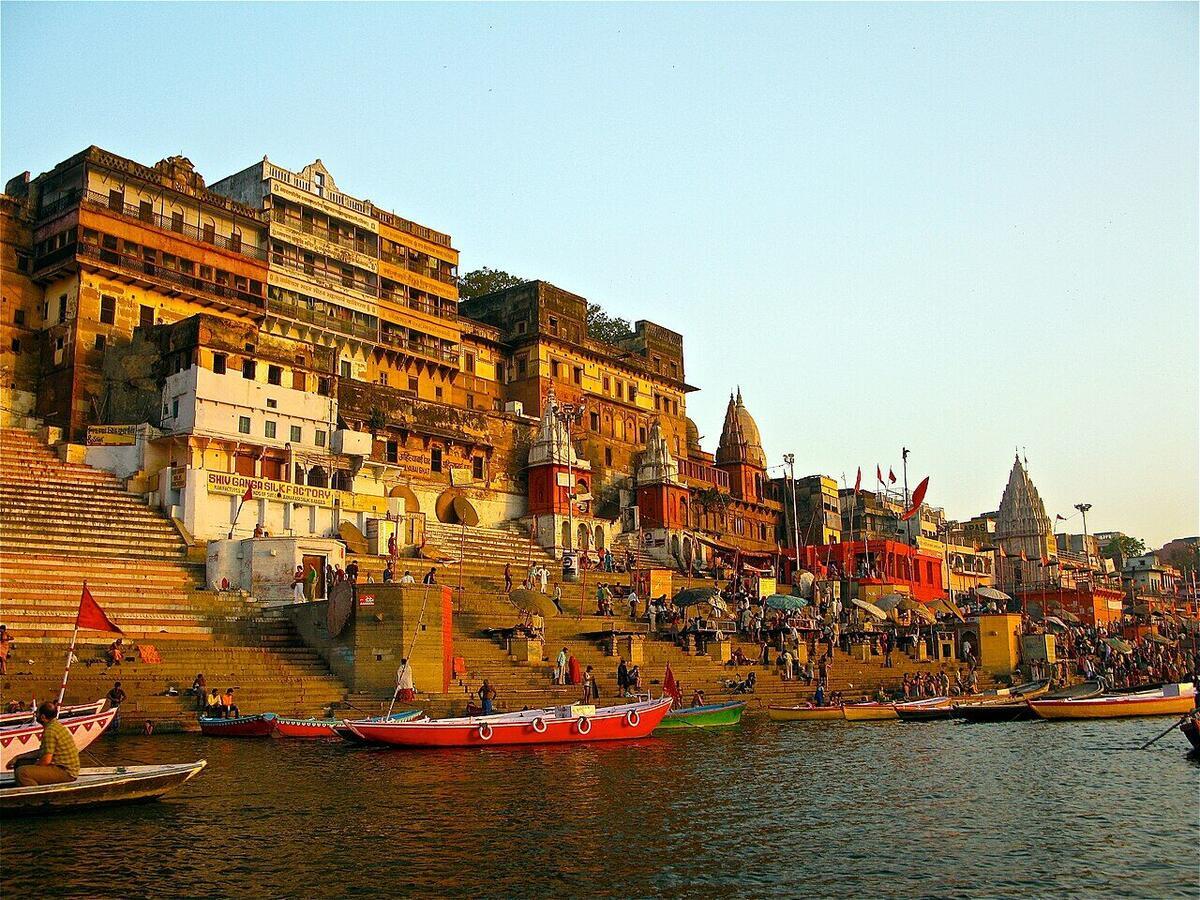
Ram Ghat is held by Vaishnava and Rama-bhakti tradition to be among the most directly Rama-touched places on earth — a spot where Shri Ram himself bathed, did sandhya, and walked the bank for many years of his vanvas. The Mandakini at Ram Ghat is held to be Rama-charanamrit jal, water that washed the feet of the Lord; snan here is held to dissolve the sins of many lifetimes, and tarpan offered at this ghat to reach forefathers across many generations. The bhav at Ram Ghat is the gentle bhakti of forest-Ram — not the imperial Ayodhya-Ram of the coronation, but the simple, ascetic, accessible Ram who lived among rishis and tribal people. Devotees gather at the evening aarti to feel the same dusk over the Mandakini that the Lord himself watched.
History
Chitrakoot has been a continuously revered tirtha since the Ramayana period; references to the region appear across the Valmiki Ramayana, the Adhyatma Ramayana, and Tulsidas's Ramcharitmanas. The stone-paved structure of Ram Ghat in its present form dates from successive medieval and modern renovations — Bundela rulers contributed to the ghat-steps in the 17th century; the Marathas and later British-period zamindars extended the stone-work in the 18th and 19th centuries. The oil-lamp pillars (deep-stambhas) and the central aarti-platform were added in the modern period. The ghat is managed today by the Chitrakoot tirtha-trust along with local seva committees.
Architecture
Ram Ghat is a long stone-paved riverside platform with descending steps cut into the bank, opening onto a calm, shallow stretch of the Mandakini. Tall stone deep-stambhas (oil-lamp pillars) line the ghat at intervals, lit at dusk for the evening aarti. A central raised platform at mid-ghat is the principal aarti-stand where pandits perform the evening rites. Small temples and ashram-rooms line the back of the ghat — including Tulsidas-related shrines and the path leading up to Bharat Milap. Boats are tied along the bank for pilgrims wishing to row gently to Janki Kund and the other Chitrakoot ghats.
Rituals & Practices
The principal practices at Ram Ghat are snan (sunrise bath), tarpan and pind-daan (offerings to forefathers, particularly during Pitru Paksha), Ramcharitmanas-paath (reading the Manas on the steps), and attending the evening Mandakini Aarti. The traditional sequence for a Chitrakoot yatra: arrive at Ram Ghat, do snan and sandhya at sunrise, visit Bharat Milap up the path, then proceed to Kamadgiri (5 km) for the parikrama, return for Janki Kund, Hanuman Dhara, Sphatik Shila, and end the day at Ram Ghat for the evening aarti.
Pilgrims float small leaf-boat lamps (deep-dan) onto the Mandakini after the aarti, offer water and til at the bank, and many do Manas-paath sitting on the steps. Local pandits perform tarpan and pind-daan for those seeking ancestral peace.
Festivals & Celebrations
| Festival | When | Crowd |
|---|---|---|
| Diwali Mela (Kartik Amavasya) | — | very_high |
| Ram Navami | — | very_high |
| Hanuman Jayanti | — | high |
| Somvati Amavasya | — | high |
Diwali Mela (Kartik Amavasya): The dipotsav of the Mandakini.
Ram Navami: The supreme Rama-bhakti day.
Hanuman Jayanti: Honours the Lord''s greatest devotee.
Somvati Amavasya: Supreme day for ancestral rites.
Prepare for Your Visit
Practical guidance to help you plan your pilgrimage
| Pilgrim Guidance | How to reachChitrakoot lies on the Madhya Pradesh–Uttar Pradesh border. The nearest railway station is Chitrakoot Dham Karwi (8 km, well-connected to Jhansi, Allahabad, and Lucknow); the nearest major airport is Khajuraho (175 km) or Prayagraj (135 km). Ram Ghat is in central Chitrakoot, walkable from Karwi by auto-rickshaw or e-rickshaw. From Ram Ghat, Kamadgiri Hill is 5 km, Bharat Milap is a short walk up the path, and Janki Kund is 2 km. PreparationModest dress; a change of clothes for the snan. Carry a small towel and a cloth bag. The Mandakini is shallow and safe for bathing, but stay within the marked steps. For tarpan or pind-daan, contact a Ram Ghat pandit on arrival — rates are modest and standardised. Best time to visitOctober to March most pleasant. Diwali Mela (Kartik Amavasya) is the supreme festival, drawing lakhs of pilgrims who light the entire ghat with diyas. Ram Navami (March–April), Hanuman Jayanti, and Somvati Amavasya (Monday-Amavasya days) draw heavy flow. |
Location
Chitrakoot, UP
Pilgrim photos
No pilgrim photos yet.
Community corrections
No corrections yet.
Edit history
No revisions yet.
Plan Your Visit to Ram Ghat, Chitrakoot
Get a custom itinerary and pricing for your trip.
Recommended
Packages for this destination
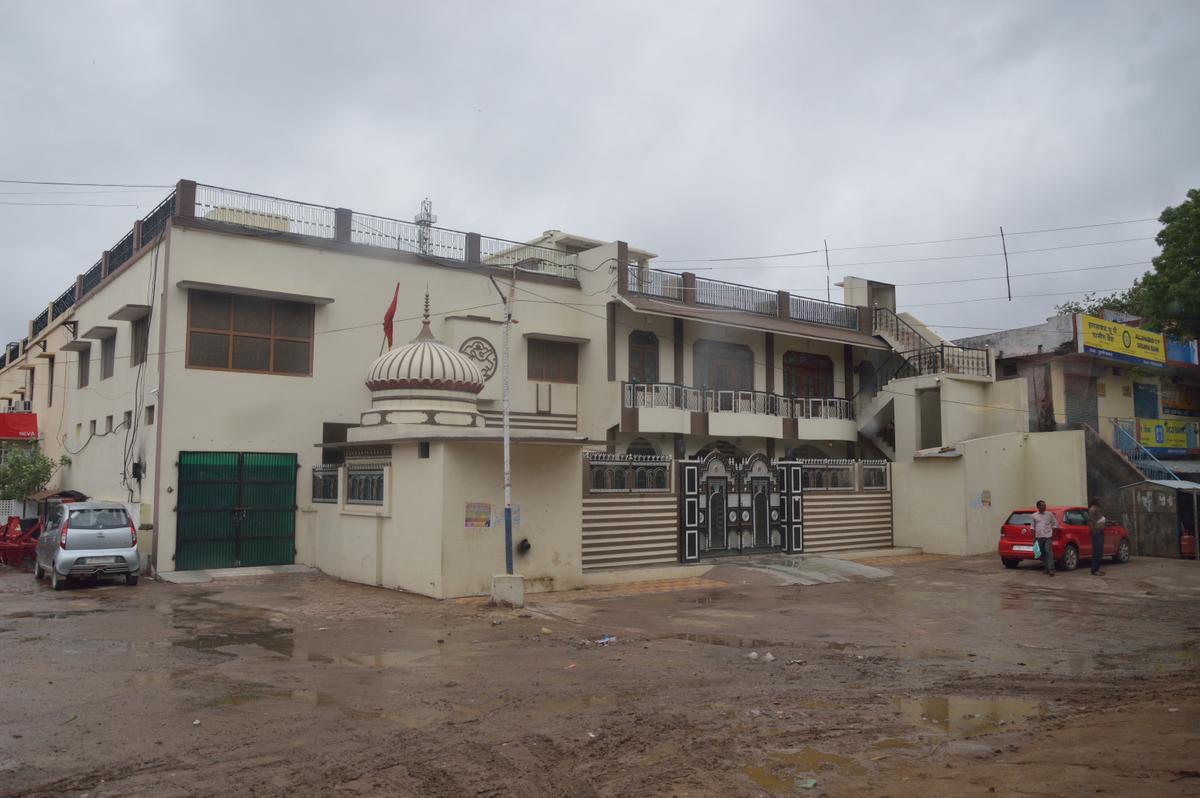
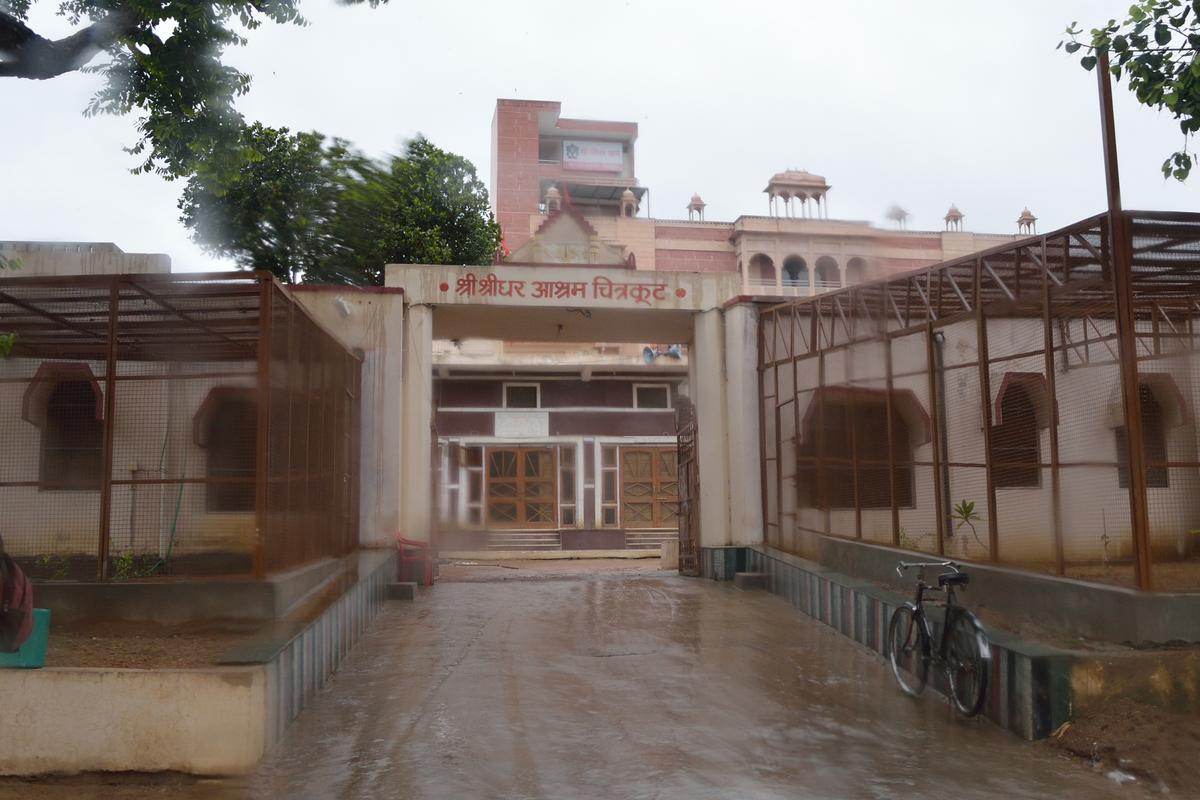
Pilgrim Notes
On-ground observations from fellow pilgrims
No pilgrim notes yet. Be the first to share on-ground observations!
Sign in to share a note.
Pilgrim Reviews
Be the first to share your experience at Ram Ghat, Chitrakoot.
Sign in to write a review.
Nearby sacred places
Discover other sacred places near Ram Ghat, Chitrakoot
Explore temples, tirthas, and pilgrimage sites in UP
Explore nearbyPart of these circuits
Walk the traditional pilgrimage routes this destination belongs to.