More pilgrims reach Kashi from Delhi than from any other city in India, and after years of receiving them at the station and the airport, we can tell you that the journey is decided long before anyone boards anything. It is decided by one planning question answered honestly: do you want to spend your energy travelling, or arriving? Delhi to Varanasi is roughly 800 kilometres by rail and under 700 by air, and the difference between a well-planned long weekend and an exhausting one is almost entirely in how you cross that distance. Here is the complete picture — trains, flights, timings, and what a three-day yatra from Delhi genuinely covers.
The Vande Bharat: Delhi to Kashi in Daylight
The New Delhi–Varanasi Vande Bharat Express changed this route more than anything since the airport. The classic pattern has the morning service leaving New Delhi around 6:00 AM and reaching Varanasi in roughly eight hours — early afternoon — with brief halts at Kanpur Central and Prayagraj, running six days a week. (A second Vande Bharat also serves the route on a different schedule. Indian Railways adjusts these timings periodically, so verify the current schedule on IRCTC before you book; treat every timing in this article as the pattern, not the promise.)
What the Vande Bharat gives the pilgrim is a civilised equation: leave home before dawn, watch the Ganga plain unroll over breakfast and lunch served at your seat, and step onto the platform at Varanasi with the whole evening ahead of you — time enough to settle in, rest, and be standing at Dashashwamedh Ghat for the Ganga Aarti on your very first night. For elderly parents, the executive chair car is the most comfortable ground option on this route by a wide margin. Book well ahead: this train sells out days in advance in every season and weeks in advance around festivals.
The Overnight Trains: Sleep Your Way to the Ganga
The older and still beloved way is the overnight superfast — above all the Shiv Ganga Express, the workhorse of this corridor for decades, which leaves New Delhi in the evening (around 8:00 PM in its classic slot) and delivers you to Banaras in the very early morning. Several other expresses ply the corridor on similar overnight patterns. Again — verify current schedules when you book.
The overnight train has one great gift the daytime options cannot match: it converts travel time into sleep and lands you in Kashi at the city's most sacred hour. Step off before dawn, reach the ghats as the sky pales, and your yatra begins with a sunrise boat on your very first morning — no hotel night spent, nothing wasted. The trade-offs are equally real: AC 2-tier is the sensible minimum for families, the pre-dawn arrival demands a booked cab and a hotel that permits early check-in (arrange both beforehand; we do this for every family we host), and a poor night's sleep on the train must be repaid with an afternoon rest.
Flying: Ninety Minutes in the Air, but Count the Whole Door
Ten or so direct flights connect Delhi and Varanasi daily — IndiGo operating the most frequencies, with Air India and Air India Express alongside — spread from early morning to evening, and the flight itself takes about 1 hour 20 minutes to 1 hour 45 minutes. Fares swing widely: booked three to four weeks out they are modest; booked in Dev Deepawali week they will make you sit down.
But count the whole door-to-door honestly, as we always make our yatris do. Two hours before departure at Delhi airport, the flight, and then the part everyone forgets: Lal Bahadur Shastri Airport is at Babatpur, roughly 25 kilometres from the ghats, and the drive into the old city takes 45 minutes on a kind day and well over an hour when Kashi is celebrating something, which is often. A morning flight is therefore a six-hour door-to-door journey — still the fastest option, and unquestionably the right one for short trips, for anyone prone to train fatigue, and for elderly pilgrims who struggle with berths. Book a prepaid or pre-arranged cab; the airport counter works, but a car waiting with your name on it works better at 8:00 AM with luggage and grandparents.
So Which Should You Choose?
- Three days or fewer: fly, or take the Vande Bharat out and a flight back. Every hour matters.
- Elderly parents in the group: flight or Vande Bharat executive car. Avoid overnight berths unless they are seasoned train travellers.
- Tight budget, flexible energy: the overnight sleeper corridor remains unbeatable value and lands you at dawn, the best hour of all.
- Families with children: the Vande Bharat by day — children arrive rested, fed, and entertained by the window.
- Our own habit, for what it is worth: overnight train in, arriving for the dawn ghats; flight home on the last evening. You gain a full extra morning in Kashi and lose nothing.
What a Long Weekend from Delhi Really Covers
Here is the honest answer to the most common question we are asked. A three-day trip — say, leaving Delhi Friday morning and returning Sunday night or Monday — comfortably covers the essential Kashi yatra, provided you do not treat the city as a checklist.
Day 1 (arrival day): reach by early afternoon (Vande Bharat) or dawn (overnight train), settle in, rest, and give the evening to the Ganga Aarti at Dashashwamedh — the perfect first darshan of the city. Day 2 (the full day): the sunrise boat along the ghats, then Shri Kashi Vishwanath darshan through the corridor while the queues are still short, a genuine midday rest, Sankat Mochan at dusk, and an early night. Day 3 (departure day): Kaal Bhairav ji — the Kotwal whose darshan completes the yatra — early in the morning, a half-day at Sarnath if your train or flight leaves in the evening, and home. We have laid this plan out hour by hour, with rest stops and advice for elderly pilgrims, in our two-day Varanasi itinerary.
What a long weekend does not cover, and should not try to: Prayagraj or Ayodhya as add-ons (each deserves its own day at minimum — better done as a combined five-day yatra), the full 84-ghat walk, the Panchkoshi parikrama, or five temples a day in the June heat. The pilgrims who leave Kashi glowing are the ones who did less, slower.
Costs at a Glance
Prices move, so take these as proportions rather than promises, and verify current fares when you book. The overnight sleeper corridor remains the gentlest on the pocket: an AC 3-tier berth costs roughly what a good dinner for the family does in Delhi, and AC 2-tier perhaps half as much again. The Vande Bharat chair car sits in the middle — meals included — with the executive car at a premium that elderly travellers will consider money well spent by the second hour. Flights are the wild card: booked a month out on an ordinary week they can undercut the executive rail fare; booked late, or anywhere near Dev Deepawali, Mahashivratri, or a Sawan weekend, they can cost more than the rest of the trip combined. The pattern to remember is simple — rail prices are fixed and disappear; air prices float and punish delay. Decide your dates, then book the trains the morning the window opens and watch flights for a fortnight before committing.
On the Varanasi side, budget honestly for the small chain of local costs that surprises first-timers: the airport or station transfer, autos between the ghats and the temples, the boat (shared versus private), aarti seating if you take it, and the steady trickle of offerings, prasad, and lockers. None is large; together they are real. We build all of them into our packages precisely because families told us they disliked being nickel-and-dimed on pilgrimage.
The Return Leg: Plan It as Carefully as the Arrival
Most Delhi yatris plan the outward journey with devotion and the return as an afterthought, and the return is where trips fray. Three rules from long experience. First, if returning by overnight train, remember it departs from Varanasi in the evening — which gifts you a full final day in Kashi, but demands somewhere to rest and wash before boarding; keep the hotel until evening (many will hold luggage and a room for a half-day charge) rather than wandering the platform tired for four hours. Second, if flying out, take an afternoon or evening flight, never the earliest morning one — the dawn hours are Kashi's best gift and it is a sin to spend them in a security queue at Babatpur. Third, guard the buffer: two hours from ghats to train, three to a flight, and more during festivals, when the police close roads around the old city with cheerful unpredictability.
Travelling as a Group, or with Senior Citizens
Delhi sends Kashi its largest tour groups and its most multigenerational families, and both need one extra layer of planning. For groups of ten or more, the train is almost always the right answer — berths together, luggage managed once, and a group that arrives as one — but book as a single passenger list the day reservations open, because splitting a group across coaches on this corridor is a recurring small misery. For senior citizens: Indian Railways offers wheelchair assistance at both New Delhi and Varanasi stations if requested ahead through the station or your operator; airlines do the same with more polish. At the Varanasi end, insist on a vehicle that can legally reach your hotel's nearest drop point — hotels deep in the lanes may be a two-hundred-metre walk from any road, which is charming at forty and cruel at eighty. Ask the question before booking the room; it is the single most useful question a Delhi family can ask.
Booking Notes from the Receiving End
- Trains open for booking 60 days out and the good ones fill fast. Set a reminder. For festival dates — Dev Deepawali, Mahashivratri, Sawan Mondays — treat booking day as non-negotiable.
- Read our Vishwanath darshan guide before you travel, and if you want the Mangala Aarti or Sugam darshan, book those slots online as early as your travel tickets.
- Stay near the ghats — Godowlia, Bansphatak, Assi — rather than near the station or cantonment. The twenty minutes you save on every temple trip is the whole game in a short visit.
- Weather windows: October to March is the kind season. April to June is fierce heat (dawn and dusk only); July to September is the monsoon, when the swollen Ganga is magnificent but boat rides may be suspended.
- Keep a buffer on departure day. Varanasi traffic answers to no schedule. Three hours before a flight, two before a train — from the ghats, not from the map.
Delhi to Kashi is the most travelled pilgrim road in the country for good reason: it is short enough for a long weekend and the destination is eternal. If you would rather hand the whole chain to someone who runs it weekly — station or airport pickup, a ghat-side stay, darshan and aarti arranged, the itinerary paced for your family — that is exactly what our Kashi Yatra packages from Delhi are built to do. Har Har Mahadev.
Related articles
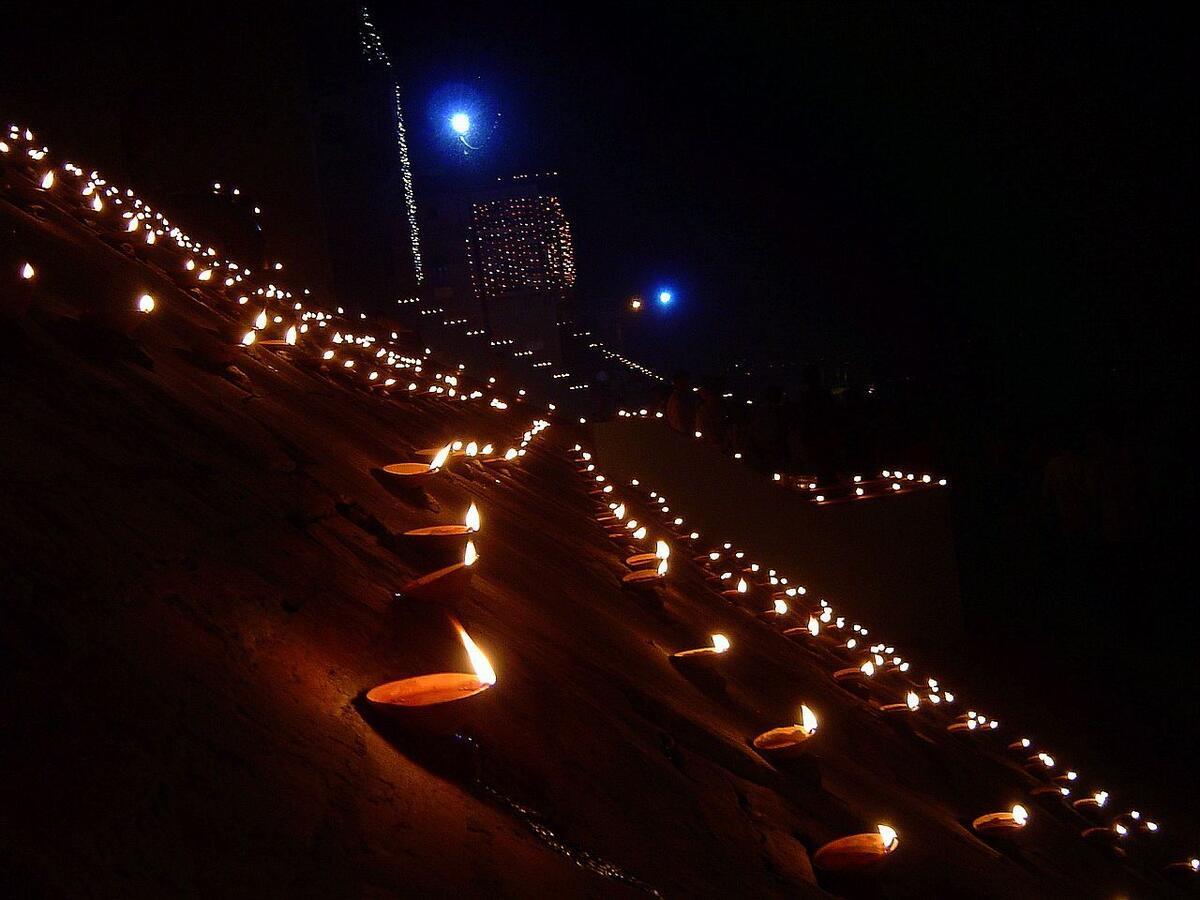
Varanasi in Winter: Dev Deepawali, Fog on the Ganga, and the Season of Malaiyo
November to February is Kashi at its kindest and most crowded — Dev Deepawali's lakhs of lamps, fog-wrapped dawn boat rides, the dawn-only dessert called malaiyo, what to pack, and why winter yatras must be booked months ahead.
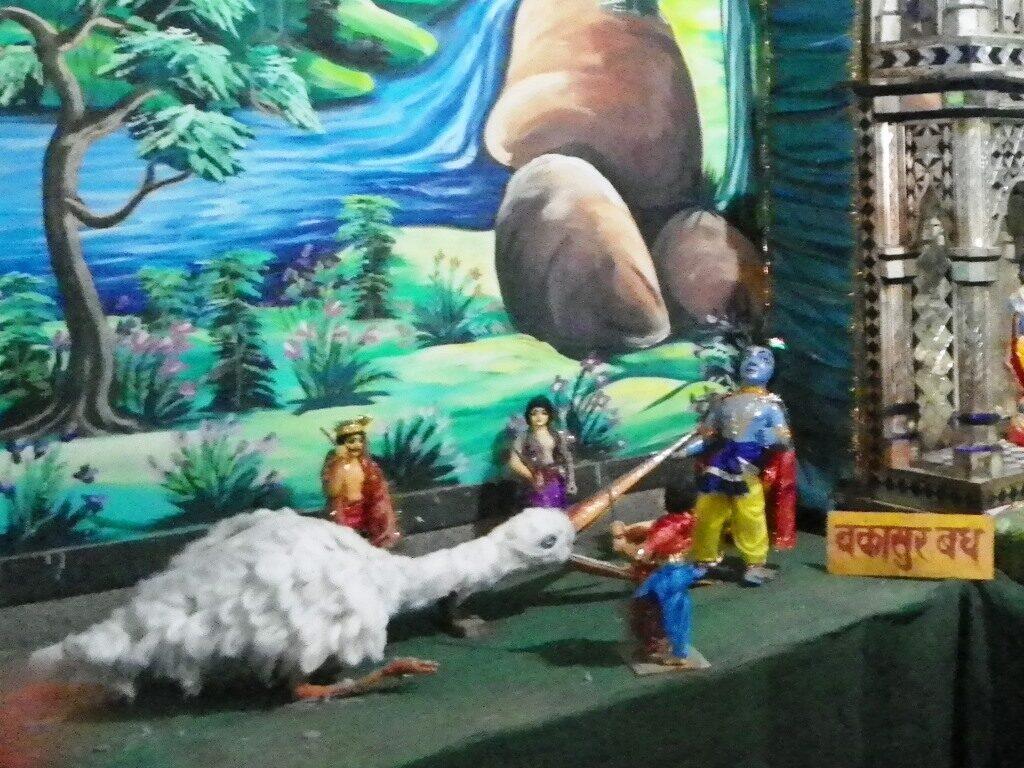
Tulsi Manas Mandir: The Temple Built Where the Ramcharitmanas Was Born
On the ground where Goswami Tulsidas composed the Ramcharitmanas stands a white marble temple whose walls carry his verses end to end. The story of the people's Ramayana, the moving tableaux upstairs, the Durga Mandir pairing, and a perfect evening plan.
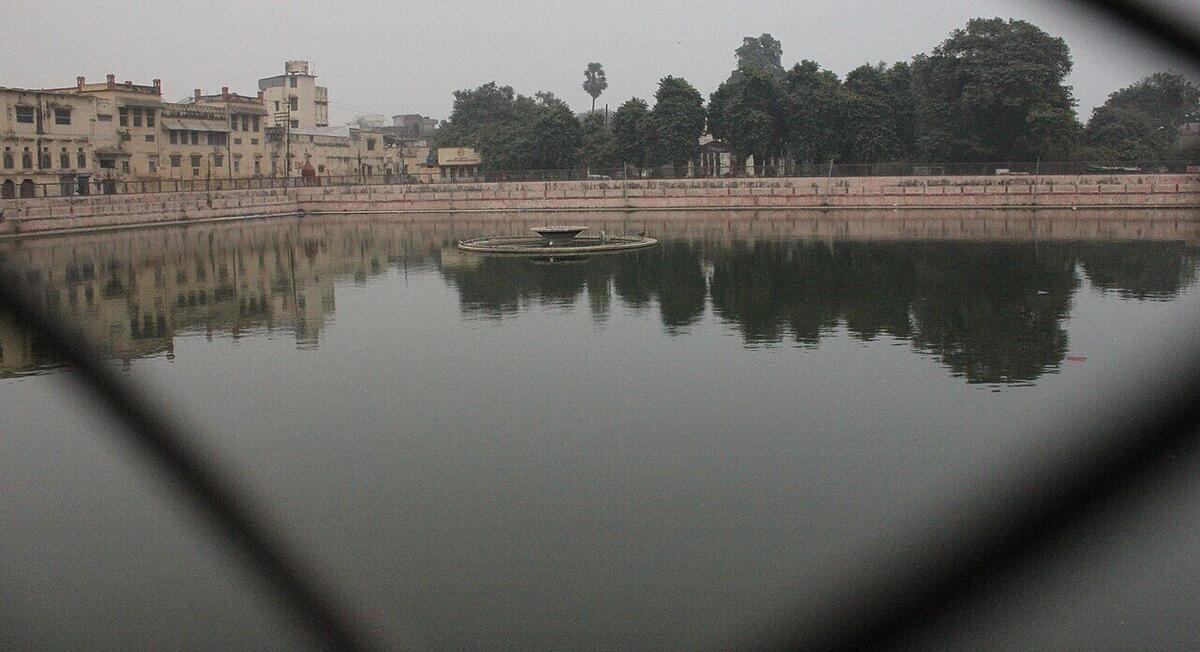
Durga Mandir and Durga Kund: The Red Temple Where the Devi Chose to Stay
The 18th-century red temple of Durga Kund — built by Rani Bhabani of Natore around a murti tradition holds no sculptor ever made, beside a sacred tank older than memory. History, legends, Navratri in Kashi, and a pilgrim's visit plan.