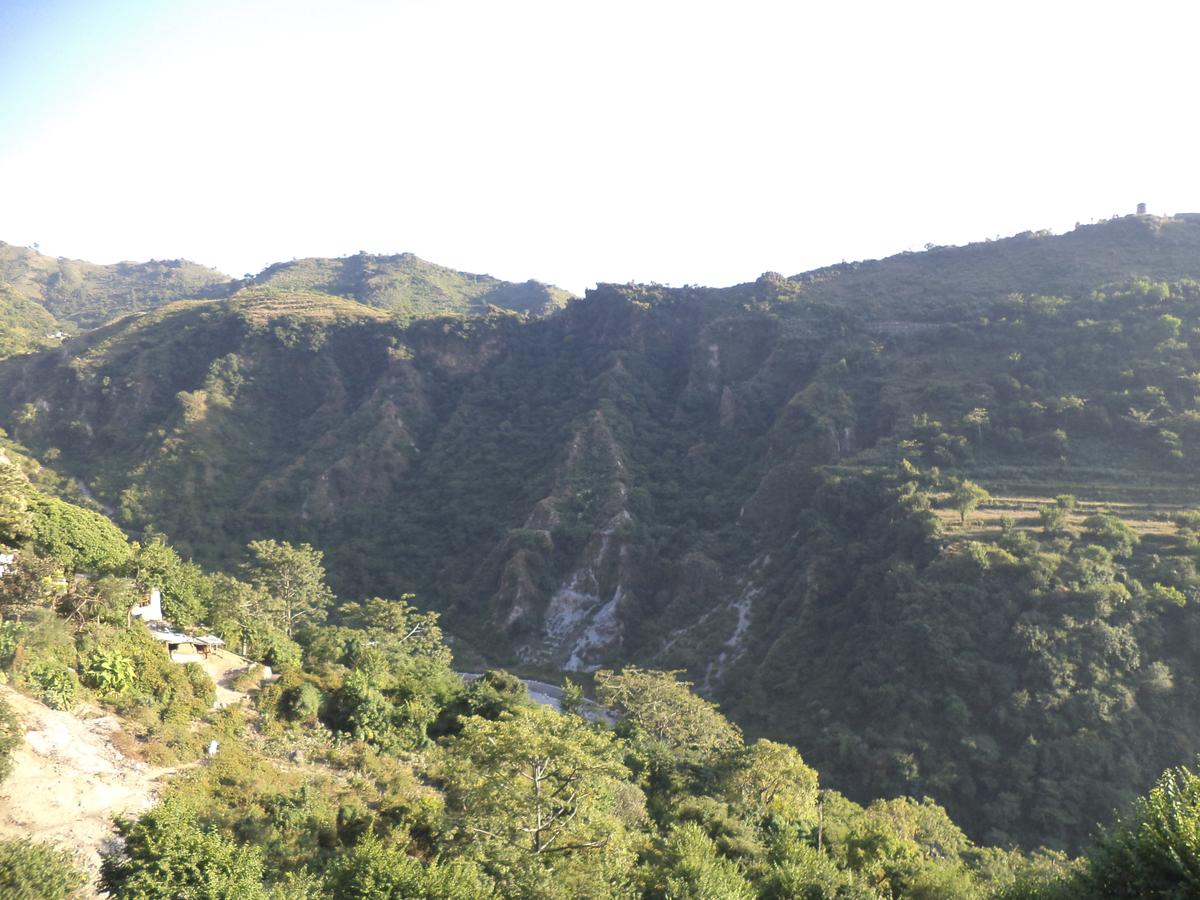
Banganga sits 2 km up the Vaishno Devi trek from Katra, the first major sacred stop on the path. The stream emerges from a rocky cleft in the Trikuta hills and flows downward through a small paved channel. Tradition holds that the stream is the result of an arrow (baan) shot by Mata Vaishno Devi into the rock to bring forth water for her companion Hanuman, who was suffering thirst during their long pursuit by Bhairon Nath. The name Banganga — "the stream from the arrow" — comes from this lila.
For Vaishno Devi pilgrims, Banganga is the first opportunity to bathe in sacred water on the yatra. Most pilgrims sprinkle a few drops on the head; some take a full bath if they have time and inclination. The water is cold (Trikuta high-altitude stream water) and the act is held to purify the pilgrim before the climb. A small Mata-shrine sits beside the stream, where pilgrims pay respects before continuing.
Banganga is the threshold-stream of the Vaishno Devi yatra. The bath here is held to be the formal beginning of the pilgrimage — the moment when ordinary life is washed away and the pilgrim enters the sacred journey to Mata's cave. Tradition holds the water of Banganga to be Mata's gift specifically for her devotees, marking the start of the formal yatra. Many pilgrims also fill small kalashas with Banganga water to carry home as prasad.
History
Banganga has been a sacred halt on the Vaishno Devi yatra path since the founding tradition. Modern infrastructure — the paved channel, small Mata-shrine, ghat-steps, and surrounding facilities — was developed by the SMVDSB through the 1990s and 2000s. The site is well-maintained as a stopping-point but the stream itself remains natural.
Architecture
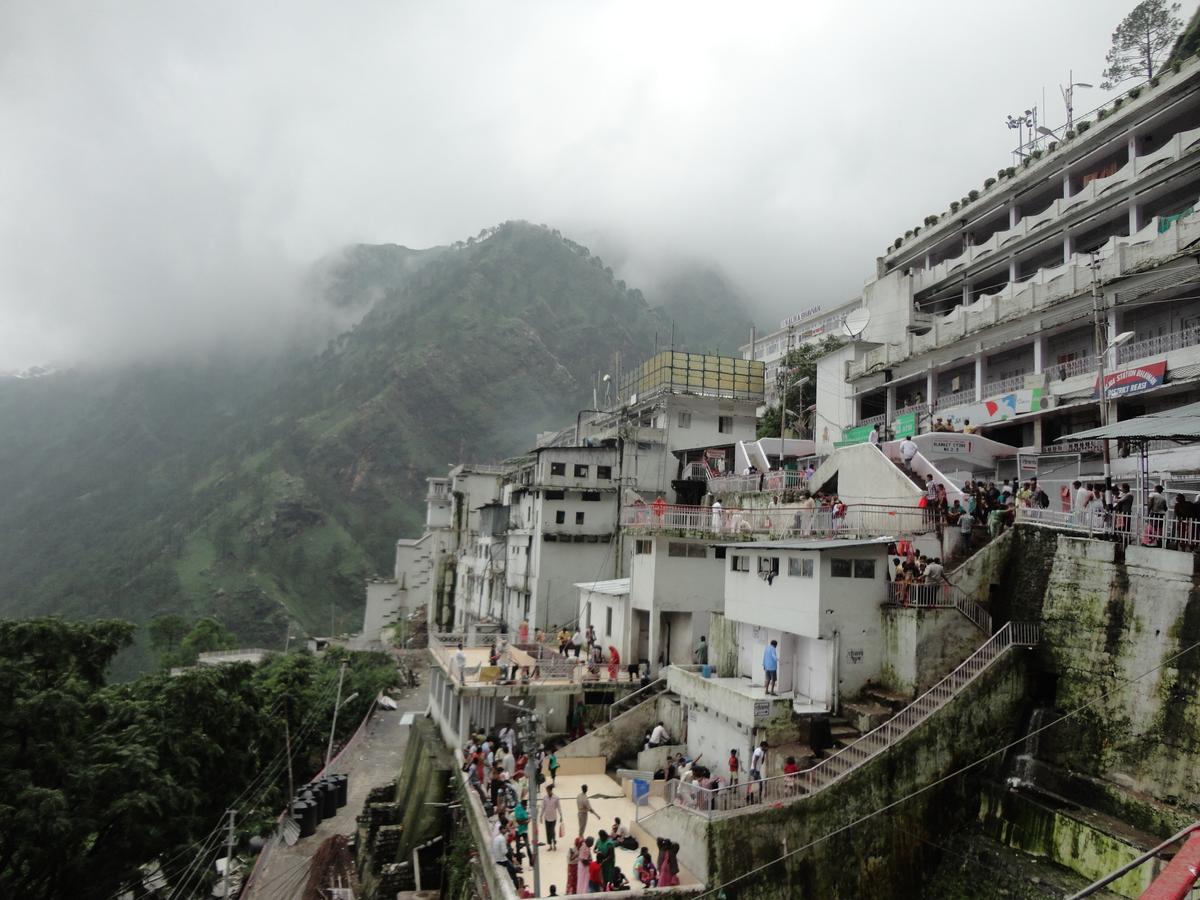
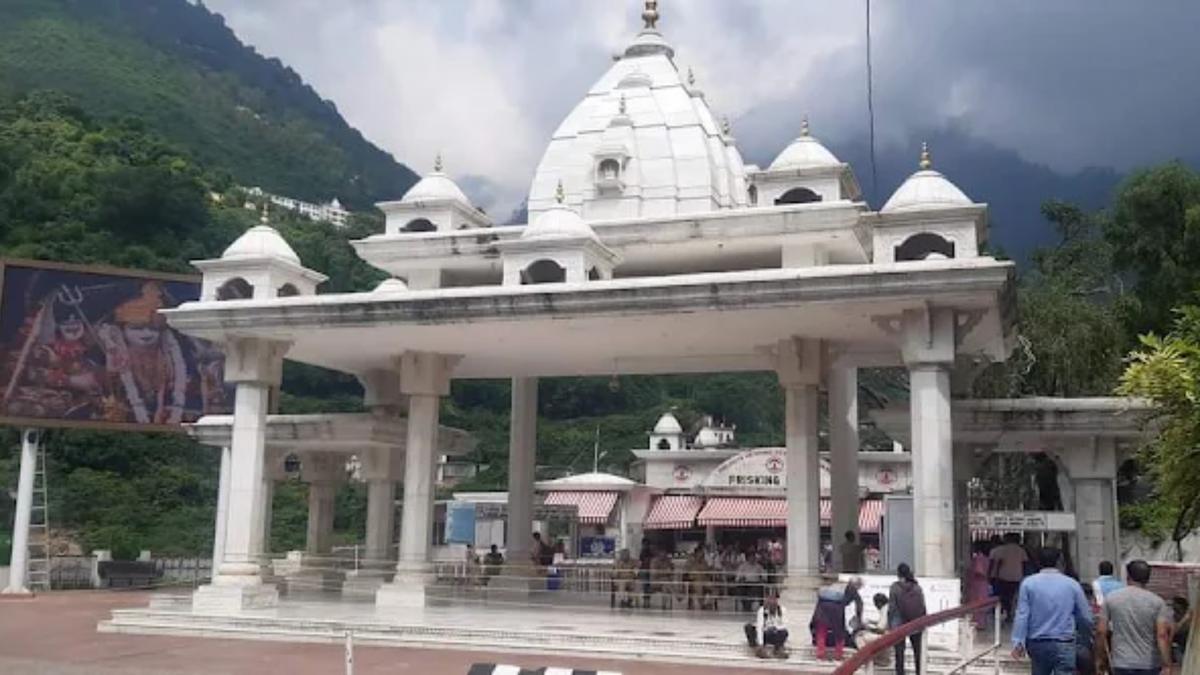
The Banganga site includes the natural stream, a small stone shrine to Mata Vaishno Devi, paved stepping-stones across the stream, and basic pilgrim facilities (resting benches, water-points, and a small chai-stall). The stream is shallow — 30-50 cm deep at the principal bathing area — and safe for pilgrim bathing.
Rituals & Practices
Banganga is open continuously through the yatra season. Pilgrims pause here for a few minutes — bathe or sprinkle, offer at the small shrine, fill a kalasha if desired, and continue. No formal aarti is conducted; the stream is honoured through pilgrim use rather than ritual service. Many devotees say Jai Mata Di as they cross the stepping-stones, marking the formal step into the yatra.
Festivals & Celebrations
| Festival | When | Crowd |
|---|---|---|
| Year-round daily | — | high |
| Navaratri | — | very_high |
| Monsoon high-flow | — | moderate |
Year-round daily: The first sacred stop of the yatra.
Navaratri: The Devi seasons.
Monsoon high-flow: The natural high-flow of Banganga.
Prepare for Your Visit
Practical guidance to help you plan your pilgrimage
| Pilgrim Guidance | How to reachBanganga is 2 km up the Vaishno Devi trek from Katra. Battery cars run from Katra to Banganga (paid service). The path is paved and well-lit. PreparationCarry a small kalasha if you wish to take Banganga-water home. Bring a change of clothes if you plan a full bath — the water is cold. Most pilgrims sprinkle on the head and continue. No special permits needed. Best time to visitYear-round as part of the Vaishno Devi yatra. The stream is highest in volume after monsoon (September-November) and lowest in dry months (April-May). |
Location
Reasi, JK
Pilgrim photos
No pilgrim photos yet.
Community corrections
No corrections yet.
Edit history
No revisions yet.
Plan Your Visit to Banganga
Get a custom itinerary and pricing for your trip.
Recommended
Packages for this destination
Pilgrim Notes
On-ground observations from fellow pilgrims
No pilgrim notes yet. Be the first to share on-ground observations!
Sign in to share a note.
Pilgrim Reviews
Be the first to share your experience at Banganga.
Sign in to write a review.
Nearby sacred places
Discover other sacred places near Banganga
Explore temples, tirthas, and pilgrimage sites in JK
Explore nearbyPart of these circuits
Walk the traditional pilgrimage routes this destination belongs to.