Every city has a threshold — the one place where, if you have stood there, you can say you have been. For Kashi it is Dashashwamedh Ghat: the broad flight of steps at the heart of the river crescent where Brahma himself, tradition says, performed the sacrifice that made this city what it is; where the road from Godowlia meets the Ganga; and where, every single evening without exception — flood, fog, or festival — seven young priests lift fire over the river in the Ganga Aarti that has become the image of Varanasi around the world. We are at this ghat more often than any other place in the city, morning and evening, week after week. This is everything we would tell a pilgrim about it, standing on the steps.
The Name: Ten Horses for a City's Destiny
Dashashwamedh means the place of the ten-horse sacrifice — dasha (ten), ashwamedha (the Vedic horse sacrifice, grandest and most exacting of all yajnas, the rite of sovereigns). The Puranic story runs like this: in an age when Kashi was ruled by the great king Divodasa, the gods had been made to leave the city, and Brahma sought a way to re-establish divine presence within it. Given leave to perform sacrifice, Brahma conducted not one but ten ashwamedha yajnas on this spot — a concentration of ritual power without parallel — and the ghat has carried the name, and the charge, ever since.
The tradition drew the natural conclusion, and the Puranas state it plainly: bathing at Dashashwamedh confers the merit of those ten great sacrifices. This is why, of the dozens of bathing ghats along the crescent, this one has been the principal tirtha for as long as records speak — why the great snan days see lakhs converge on these particular steps, and why the pandas (the hereditary ghat priests) of Dashashwamedh sit under their palm-leaf umbrellas in seats their families have held for generations. The stone you stand on is eighteenth-century — the ghat took its present form under Maratha patronage, the Peshwa Balaji Baji Rao rebuilding it in the 1740s and Ahilyabai Holkar's great age of works touching it after — but the tirtha beneath the stone is as old as the city's memory of itself.
Two Ghats in One: Morning and Evening
Dashashwamedh has two personalities, and a pilgrim should meet both.
The morning ghat belongs to the river and the rituals. Come at 5:30 and you will find it at its most Banarasi: bathers taking their sankalpa-snan with the pandas, the flower sellers stringing genda and gulab into offering-baskets, boatmen calling the first rides of the day, the smaller morning aarti, chai in kulhads, and the sun rising directly across the water — the whole eastern sky the ghat's own private theatre. The morning crowd is devout and busy and takes no notice of you; this is the hour to take your own snan (the broad steps and the presence of many make it the safest of the central ghats for it), sit with a panda for a sankalpa if you wish, and watch Kashi conduct its oldest business. It is also the launching point for the classic dawn boat ride along the crescent — our complete ghats guide maps that whole arc.
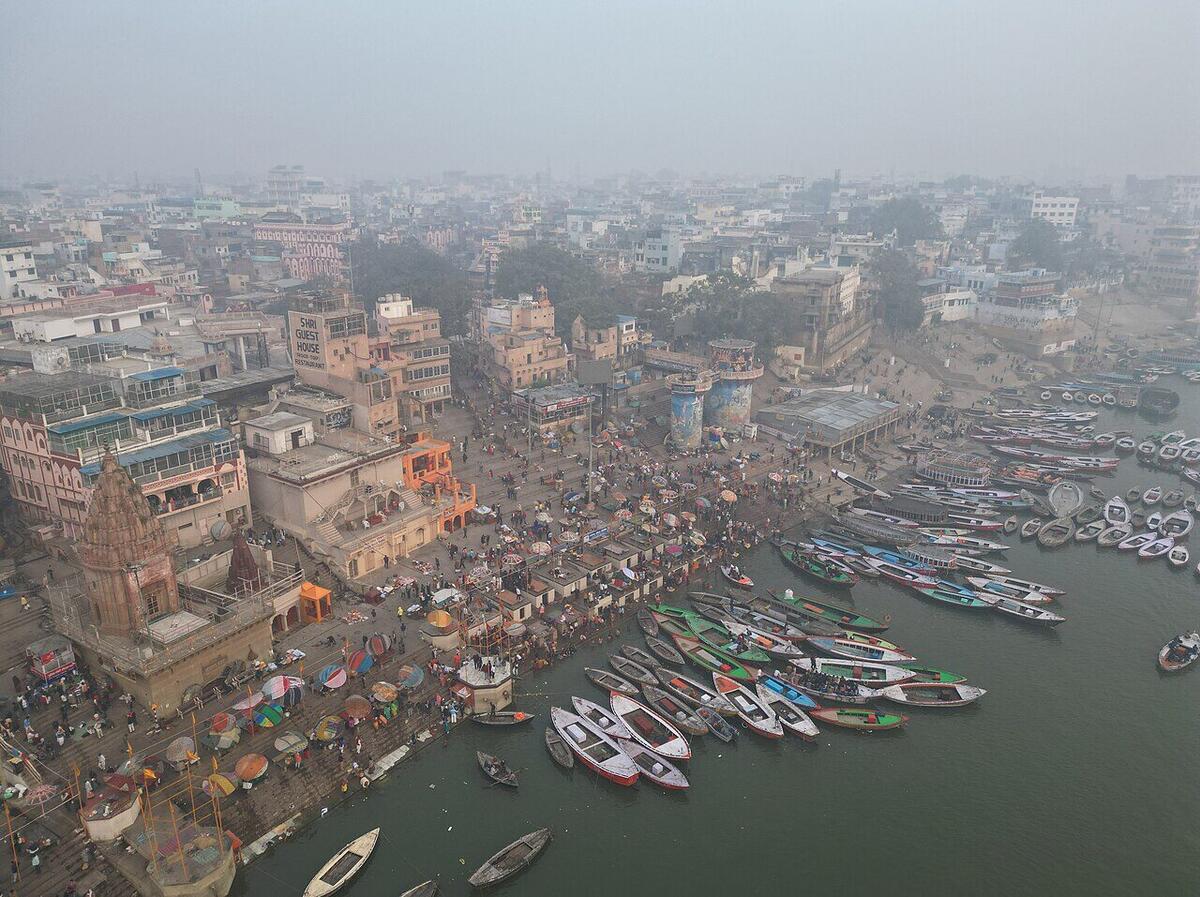
The evening ghat is a stage, and knows it. From late afternoon the platforms are dressed, the brass lamps polished, the crowd builds from hundreds to thousands, and by lamp-lighting time the steps have become an amphitheatre facing the river. The transformation is total, and both versions are true: the workaday morning tirtha and the blazing evening spectacle are the same devotion at two volumes.
The Ganga Aarti: What Actually Happens
The evening Ganga Aarti in its present organised form dates from 1991, when the Ganga Seva Nidhi began the nightly ceremony — young in years, but built entirely of ancient elements: the sandhya-arati offered to a river the tradition has worshipped as a goddess from its oldest layers. Here is the mechanics of it, for a first-timer:
- The archakas: seven young Brahmin priests (the number honours the Sapta Rishis) take position on raised platforms at the water's edge, facing Ma Ganga, each with an identical station: the many-tiered brass lamp, the dhoop, the camphor flame, the whisk, the conch.
- The sequence: conch blasts open the ceremony; then, in disciplined unison — this synchrony is the aarti's signature — the offerings move through their courses: incense, then the great naga-hooded camphor lamps, then the multi-tiered flame lamps swung in slow arcs against the dark, then flywhisk and peacock fan, closing with the aarti song and a final conch. Bells ring continuously from the platforms; the crowd joins the refrains of "Om Jai Gange Mata."
- Duration and timing: about 45 minutes, beginning shortly after sunset — as a rule of thumb around 6:45 PM in high summer and around 5:45 PM in midwinter, sliding with the sun through the year, and shifted on great festivals. Treat every printed time, including ours, as advisory: confirm locally on the day, and arrive 60–90 minutes early for a good place regardless.
- Cost: nothing. The aarti is worship, not a ticketed show. Money enters only if you choose reserved seating arrangements or a boat.
Where to Watch From: Steps, Platforms, or the Water
You have three vantages. The steps, free and unreserved, put you inside the crowd and the sound — devotionally the fullest experience, physically the most demanding: arrive very early, sit close-packed, and stand no chance of leaving mid-ceremony. The platforms and rooftops around the ghat offer reserved seating through various arrangements — worth it for a clear sightline on a crowded night. And the boat: seated on the water directly before the platforms, the flames doubled in the river, the crowd's roar arriving across the water — we hold, and have always held, that this is the finest seat in Kashi, and for elderly pilgrims it is not a luxury but a mercy: no stairs, no crush, a seat throughout. We arrange aarti boat seating for our guests almost nightly in season, and our full Ganga Aarti guide compares every option in detail.

Around the Ghat: Small Darshans Most Pilgrims Miss
Give the ghat's own shrines ten minutes before or after the crowds. At the head of the steps stands the ancient Shitala Mata temple — the cooling goddess, guardian against fever and pox, fiercely loved by Banarasi families; her morning worship is one of the ghat's oldest continuities. Beside the ghat precinct, the Mahamrityunjay-linked shrines and the old Prayag tirtha at adjacent Prayag Ghat hold the tradition that a snan here carries the merit of the Sangam itself — Kashi, with characteristic confidence, containing all other tirthas within her ghats. And two minutes up the road begins the lane to Baba Vishwanath: the classic pilgrim circuit is exactly this — snan at Dashashwamedh, darshan at the corridor, the Mother at Annapurna, and back to the ghat for the evening flame.
The Great Days: When the Ghat Becomes the Country
A few dates transform Dashashwamedh from crowded to oceanic, and a pilgrim should know them — either to aim for them or to steer clear. Dev Deepawali, on Kartik Purnima, is the summit: the entire crescent lit with lakhs of diyas, the aarti performed at heroic scale, and crowds that fill every step, balcony, and boat — the most beautiful night of the Kashi year and the most logistically demanding; boats and rooftops are booked out months ahead. Ganga Dussehra, in Jyeshtha (May–June), celebrates the river's own descent to earth, and the ghat is its natural centre. Kartik Purnima's whole preceding month brings daily pre-dawn snan crowds; Makar Sankranti and the great snan dates bring bathing multitudes from across Purvanchal; and every Monday of Sawan sends the kanwariya tide through the ghat on its way to Baba. On all such days the aarti may shift its place, its time, or its scale — the ceremony itself never lapses, but every practical detail in this guide becomes negotiable. Our advice is honest in both directions: once in your life, see Dev Deepawali from a boat off Dashashwamedh; every other time, treasure the ordinary Tuesday when the ghat belongs to the river and a few hundred of the faithful.
Reaching the Ghat, and Leaving It
Dashashwamedh is the easiest ghat in Kashi to reach and the slowest to leave. The approach is the broad Dashashwamedh Road from Godowlia crossing — five to ten minutes on foot, past the flower sellers and puja shops; autos and cycle-rickshaws stop at Godowlia, for no motor vehicle goes closer, and evening police barricades often push the drop-off further back. Build that walk into every plan, and double it after the aarti, when ten thousand people funnel up one road at once — with elders, simply sit on the upper steps for twenty minutes and let the crowd drain before you move. Boats are hired at the water's edge all day: agree the route, duration, and fare before boarding, expect higher rates at dawn and aarti hour, and prefer the licensed boatmen with numbered vessels. Shoes can go into the cloth bag you are already carrying (the shrines at the ghat head have stands on busy days), and the lanes around the ghat hold chai, kachori, and washrooms — the ghat itself keeps its stone bare, as it should.
Crowds, Care, and Keeping Your Wits
We would fail you if we wrote only of flames and legends. Dashashwamedh at aarti hour is one of the densest gatherings in India that happens every single day, and dense crowds anywhere in the world attract a small number of people who work them. Pickpocketing does happen — not commonly enough to fear, but commonly enough to prepare for, and preparation removes almost all of it. Our standing counsel, given with respect for the place and everyone in it: carry nothing valuable to the evening aarti — no original documents, minimal cash, phone in a front pocket or zipped inner bag, nothing loose in outer pockets; keep small children physically in hand from Godowlia onwards, and fix a family meeting point (the Shitala temple entrance serves well) in case the crowd separates you; be gently firm with the flow of touts offering boats, malas, and instant pujas — a smile and "nahin chahiye" ends most conversations; and treat the pandas with the courtesy owed to hereditary custodians while agreeing dakshina clearly beforehand for any ritual you request. None of this diminishes the ghat. The Kotwal's city looks after pilgrims who look after themselves.
One safety note that matters more than any of it: on the steps at aarti time, do not push against the crowd's movement, and on the water, insist on life jackets for children and non-swimmers — a licensed boatman will offer them without being asked.
A Pilgrim's Day Built Around One Ghat
If Kashi gave you a single day, you could spend it entirely here and leave whole: sankalpa and snan at sunrise, the boat south to Assi and back as the city wakes, kachori in the lanes, darshan at Vishwanath and Annapurna through the late morning, rest — we insist on the rest — and return at dusk to watch seven flames rise for a river that has received every prayer this city has ever made. Dashashwamedh is where we begin most of our Kashi Yatra mornings and end most of their evenings, and it has never once felt routine. Ma Gange ki jai. Har Har Mahadev.
Related articles
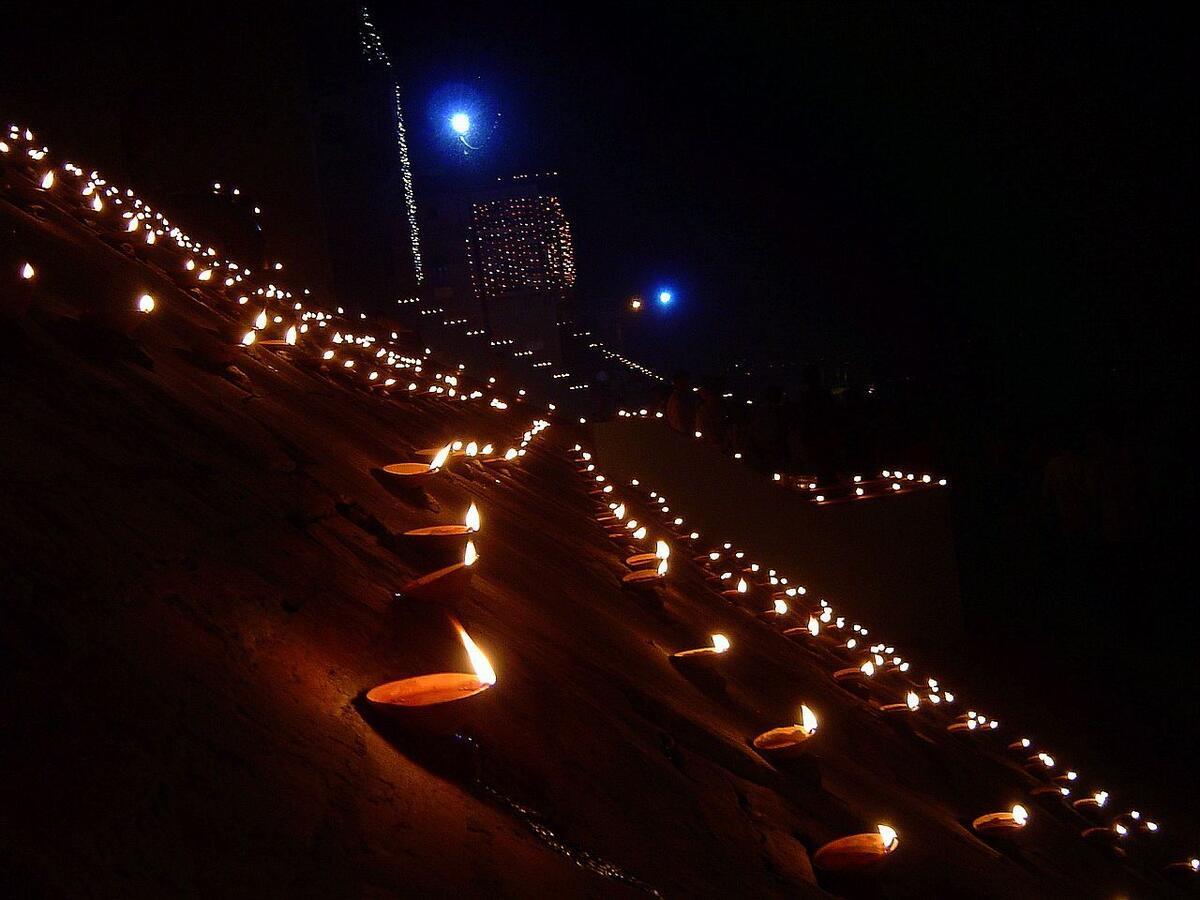
Varanasi in Winter: Dev Deepawali, Fog on the Ganga, and the Season of Malaiyo
November to February is Kashi at its kindest and most crowded — Dev Deepawali's lakhs of lamps, fog-wrapped dawn boat rides, the dawn-only dessert called malaiyo, what to pack, and why winter yatras must be booked months ahead.
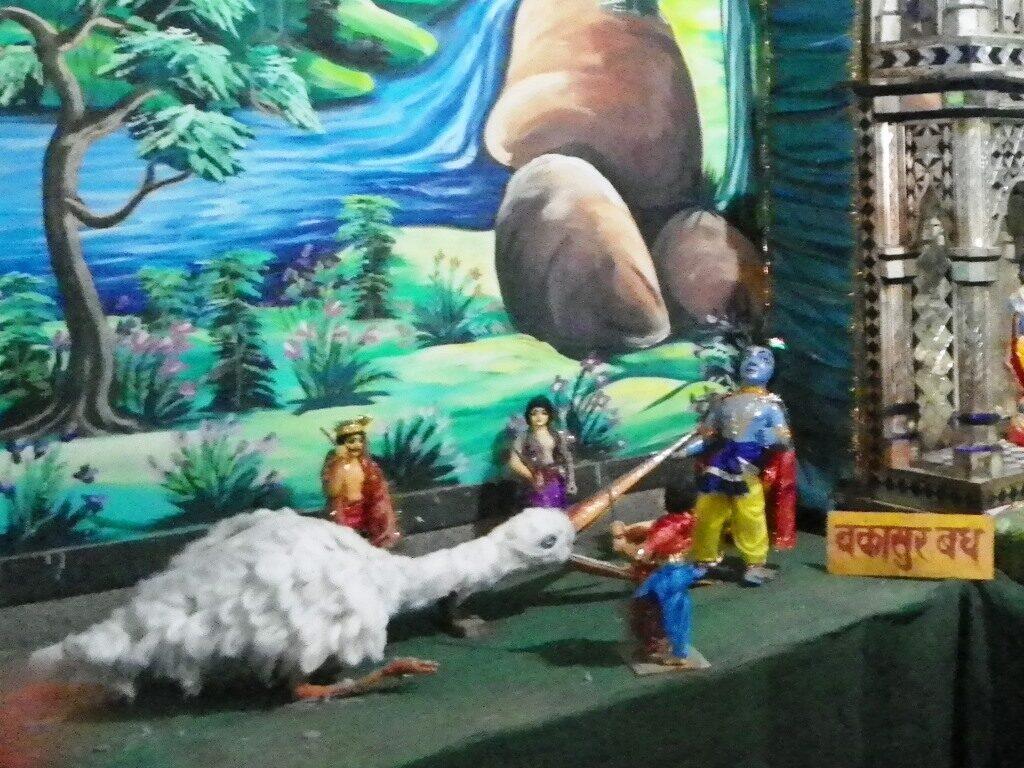
Tulsi Manas Mandir: The Temple Built Where the Ramcharitmanas Was Born
On the ground where Goswami Tulsidas composed the Ramcharitmanas stands a white marble temple whose walls carry his verses end to end. The story of the people's Ramayana, the moving tableaux upstairs, the Durga Mandir pairing, and a perfect evening plan.
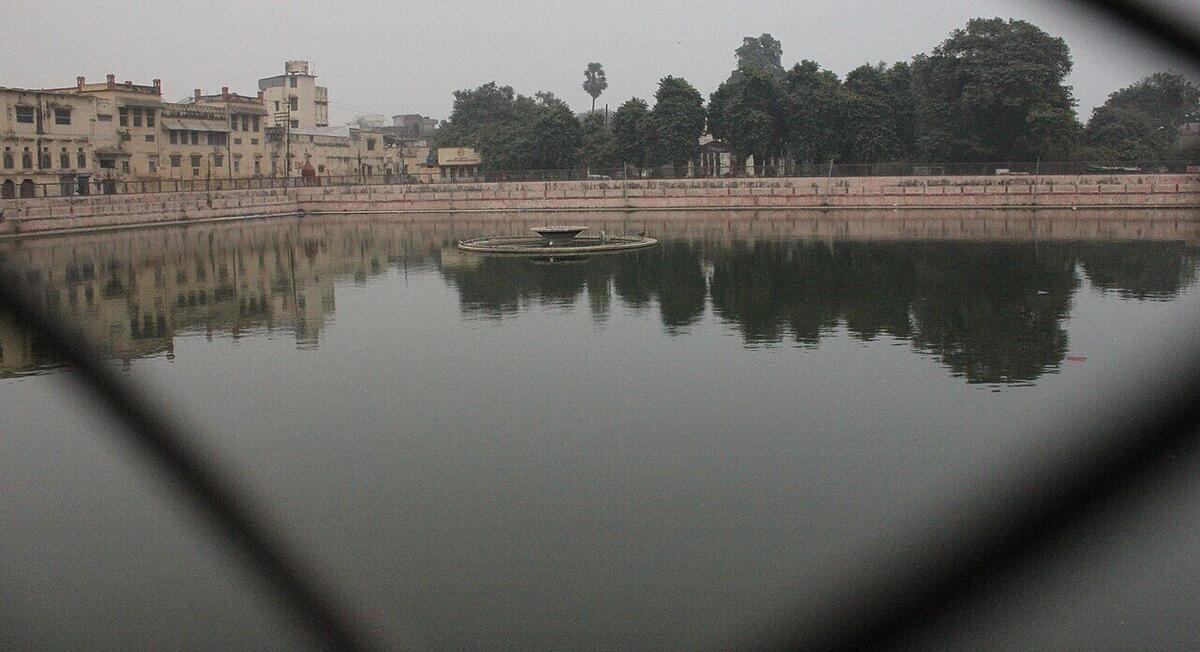
Durga Mandir and Durga Kund: The Red Temple Where the Devi Chose to Stay
The 18th-century red temple of Durga Kund — built by Rani Bhabani of Natore around a murti tradition holds no sculptor ever made, beside a sacred tank older than memory. History, legends, Navratri in Kashi, and a pilgrim's visit plan.