Seen from a boat in the middle of the Ganga, Varanasi is a single gesture: a great crescent of stone, some seven kilometres of steps rising from the water to the temples and palaces above, facing the sunrise as it has faced it for longer than any city on earth can claim. The books count roughly eighty-four ghats between Assi in the south and Raj Ghat in the north, though the river redraws the count a little every monsoon. No pilgrim needs all eighty-four. But a pilgrim who knows a dozen of them — knows which is for snan and which for sandhya, which belongs to the morning and which to the lamps of evening, which to walk and which to pass in reverent silence — holds the key to the whole city. We walk this arc with yatris every week; this is the guide we wish someone had written for us.
How the Arc Is Arranged
Think of the crescent in three movements. The southern stretch, from Assi up past Kedar Ghat, is the ghats at their most residential and unhurried — morning wrestlers, students, long open steps. The central stretch, from Dashashwamedh past Manikarnika, is the ceremonial heart — the aarti, the corridor to Baba Vishwanath, the great cremation ground, the densest crowds and the oldest weight of sanctity. The northern stretch, from Panchganga to Raj Ghat, is the quietest and least visited — and holds some of the most beautiful stone and oldest history on the river. Most visitors never go north of Manikarnika. Pilgrims should.
The Southern Ghats: Where Mornings Belong
Assi Ghat anchors the southern end, where the Assi stream once met the Ganga — the pilgrim's traditional first snan, sanctified in the Puranas. It is today the most open and companionable of the great ghats: the pre-dawn Subah-e-Banaras aarti and yoga, chai stalls that never quite close, families and students sharing the steps. If you are staying south of Godowlia, your Varanasi mornings will naturally begin here, and there are worse fates in this world.
Walking north: Tulsi Ghat, where Goswami Tulsidas lived and wrote much of the Ramcharitmanas, still home to his akhara and a shrine that keeps his memory; Harishchandra Ghat, the smaller and older of the two cremation grounds, named for the king whose truthfulness was tested here — pass it with the same dignity you will give Manikarnika; and Kedar Ghat, with its red-and-white striped Kedareshwar temple rising straight from the steps, beloved of South Indian and Bengali pilgrims, and one of the finest ghats on the river for a morning snan — broad steps, strong tradition, fewer touts.
The Central Ghats: The Ceremonial Heart
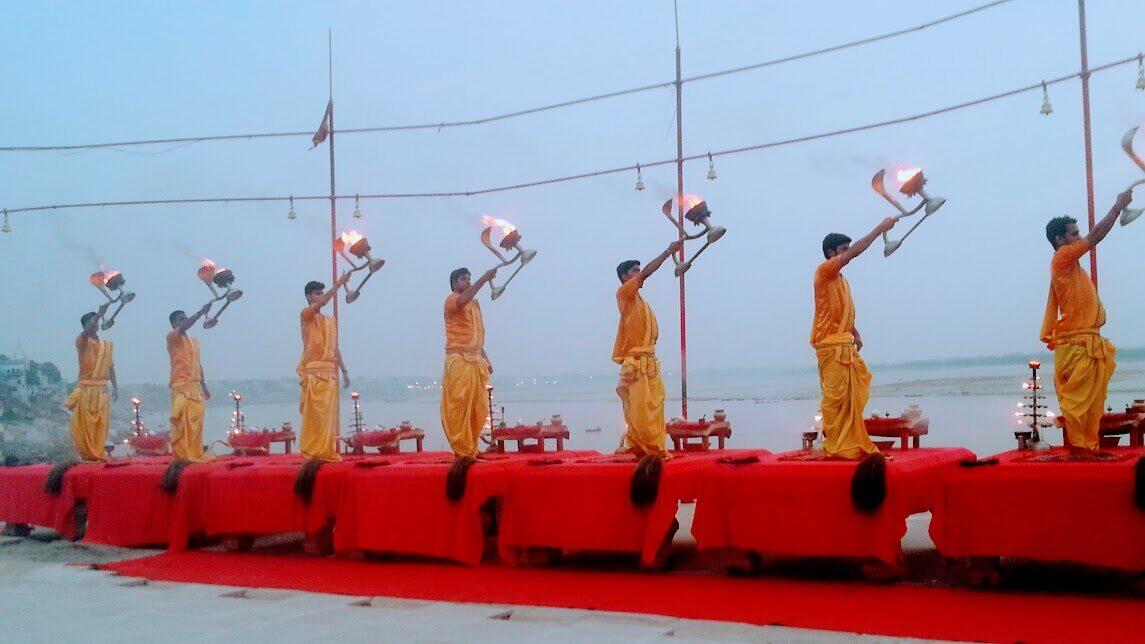
Dashashwamedh Ghat is the city's front door — the ghat where Brahma is said to have performed the ten-horse sacrifice that gives it its name, and where the evening Ganga Aarti gathers thousands nightly to watch seven priests lift fire to the river in unison. By day it is all commerce and pilgrimage at full volume: flower sellers, boatmen, barbers, sadhus. It is never quiet, and it is not supposed to be; this is the ghat as public square, and it has been exactly this for centuries.
Just north, Man Mandir Ghat carries the exquisite sandstone palace and observatory of Raja Man Singh — look up at the carved balconies — and Lalita Ghat now holds the Ganga Dwar of the Vishwanath corridor, the river gateway to the jyotirlinga, beside the Nepali temple with its pagoda roof and woodcarving. Between them runs the busiest and most rewarding half-kilometre of riverfront in India.
Then comes Manikarnika — and here we ask every yatri to change register. This is the mahashmashan, the great cremation ground where the fires have not gone out in living memory, where moksha itself is the promise of the city fulfilled. It is not a sight; it is a sacrament that you are permitted to pass. The dignity rules are absolute and simple: no photography, ever; no pointing, no loud talk; do not linger at the burning platforms; view from the river or walk through quietly on the upper path; ignore anyone offering a "special viewpoint" for money, politely and completely. Received this way — a slow boat gliding past at dawn, the smoke rising into first light, a whispered prayer for the departed — Manikarnika becomes what it has always been for pilgrims: not morbid but consoling, the calm proof that in Kashi death is not feared but delivered.
The Northern Ghats: The Quiet Masters
Scindia Ghat, just past Manikarnika, is instantly recognisable by its half-sunken Shiva temple leaning into the river — tilted when the massive ghat settled after construction two centuries ago — and behind it rises Siddha Kshetra, a warren of lanes dense with small shrines. Then Panchganga Ghat, for our money the most underrated ghat on the entire arc: the meeting place, tradition says, of five rivers — Ganga, Yamuna, Saraswati, Kirana, and Dhutpapa, the latter flowing unseen — crowned by the great mosque built on the ruins of the Bindu Madhav temple, whose modern shrine still stands below, and lined with the small stone cells where the philosopher-saints of Kashi once sat in meditation. In Kartik month, pilgrims hang akash-deep — sky lamps in baskets on tall bamboo poles — for their ancestors, and the ghat becomes a constellation. It was here that Sant Kabir is said to have received his mantra from Ramananda on these very steps, before dawn.
North again, the crescent grows quieter still, through Trilochan Ghat with its ancient Shiva temple and its own sacred bathing tradition, to Raj Ghat near the great bridge and the site of Adi Keshava — the "original Vishnu" temple where, tradition holds, the Lord first set foot in Kashi, and where archaeology has found the city's oldest settled ground. Almost no one comes here. Come here.
Morning Ghats, Evening Ghats
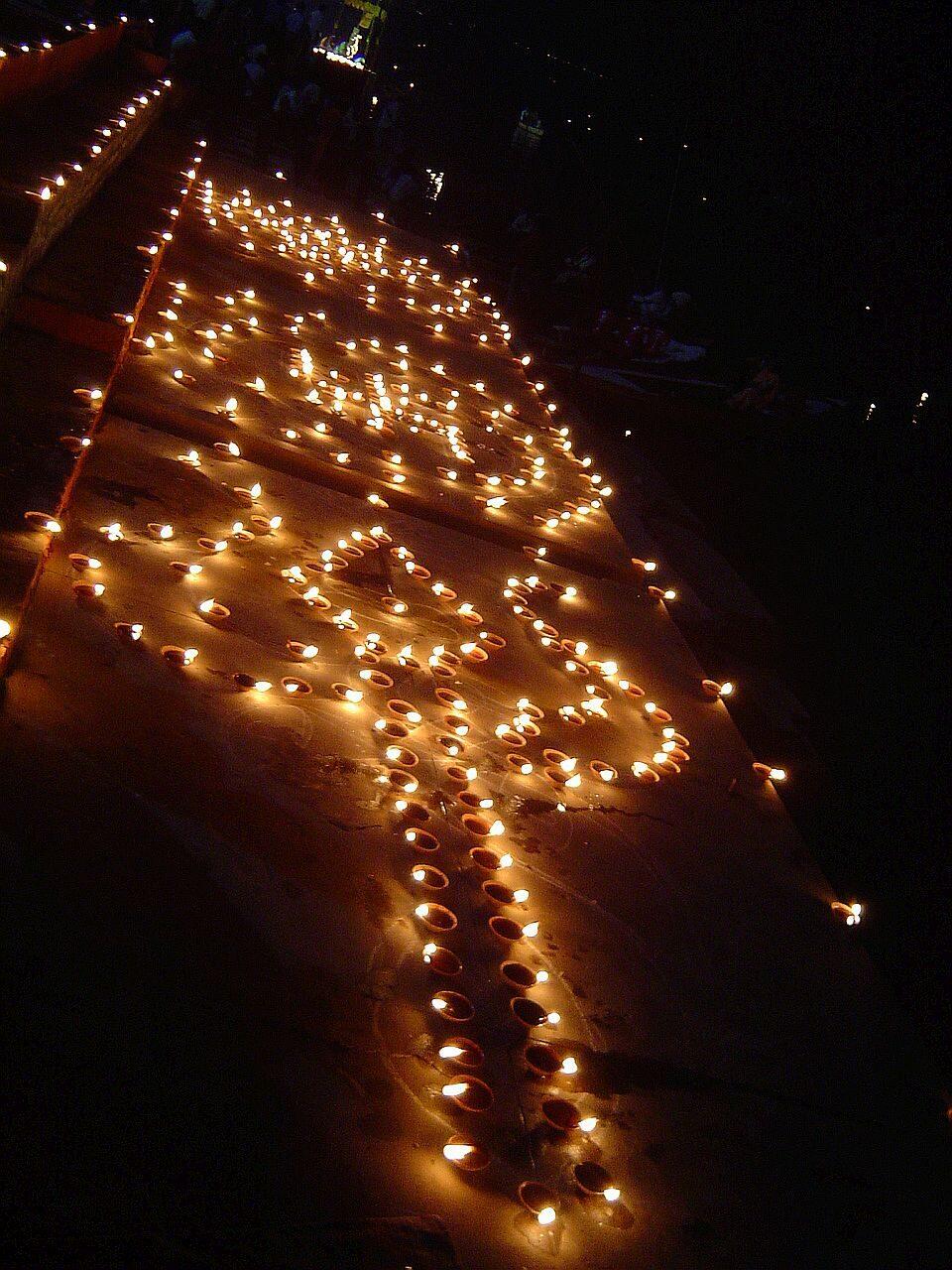
The arc changes character completely twice a day, and planning around this is the whole art of ghat time. Morning — from first light to about 9:00 AM — belongs to the river itself: snan, surya arghya, the akharas, priests at their pujas, and the finest light of the day falling on the east-facing stone. Mornings are for the boat, for Assi and Kedar, for the long walk while the steps are cool. Evening belongs to fire and gathering: the great aarti at Dashashwamedh, the smaller and lovelier sister aartis at Assi and other ghats, lamps set floating on the water, the crescent turning gold and then black. Evenings are for sitting still in one place, not covering distance. And midday, for eight months of the year, belongs to no one — the stone bakes, the crowds thin to touts and the unwary, and the wise pilgrim is asleep, as we insist in our two-day itinerary.
Boat or Walk?
Both, in the right order. Take the boat first — ideally at dawn on your first morning — because only the river shows you the whole composition: the full crescent, the palaces stacked above the steps, the smoke of Manikarnika, the scale of the thing. An Assi-to-Manikarnika round trip takes 75 to 90 minutes rowed, and a rowed boat, not a motor, is the correct instrument: slow enough to see, quiet enough to pray. Then walk — a different day, or the same afternoon turning to evening — because only the stone shows you the detail: the shrines in wall-niches, the game of cards under an umbrella, the Sanskrit letters on a doorway, the hundred small kindnesses and commerces of ghat life. The classic pilgrim's walk is Assi to Dashashwamedh, about forty-five unhurried minutes; the connoisseur's walk is Panchganga to Raj Ghat, and you may have it almost to yourself.
- Footing: the steps are steep, uneven, and slick near the waterline. Good sandals, unhurried pace, and a hand for elderly companions — or give them the boat, which sees more and climbs nothing.
- Monsoon note: in high flood the river swallows the lower steps entirely, ghat-walking becomes lane-walking, and boats may be suspended. The swollen Ganga is a darshan of its own.
- Respect the users: these are working sacred spaces — bathing pilgrims are not photo subjects; ask before photographing anyone, and keep cameras away from cremation ghats entirely.
Which Ghat for Which Rite
Pilgrims come to the river with intentions, not just itineraries, and the arc assigns its duties clearly. For the ritual snan: Dashashwamedh carries the greatest sanctity and the greatest crowd; Assi and Kedar give the same river with broader steps and more room to change; on the great snan days — Kartik Purnima, Makar Sankranti, Ganga Dussehra — every ghat becomes a bathing ghat and the earlier you come, the better. For sandhya and offering a diya: any ghat serves at dusk, but the small leaf-boat lamps are best floated away from the aarti crush — Panchganga at lamp-lighting hour is unforgettable. For pind-daan and asthi visarjan: these last rites belong to the appointed places and pandas — the tirtha purohits — around Manikarnika and the designated kunds; families carrying this duty should arrange it properly in advance rather than negotiating on the steps in grief, and it is one of the services we most often quietly organise for yatris. For japa and sitting practice: the northern stretch, or any ghat before 7:00 AM. The crescent has room for every intention; it only asks that you match the place to the purpose.
A Pilgrim's One-Day Ghat Plan
If the ghats can have only a single day of your yatra, spend it in this shape, which we have refined over many seasons. 5:15 AM: rowed boat from Assi, the full arc north past Manikarnika, eyes and heart open, phone mostly down. 7:00 AM: land at Lalita or Dashashwamedh; snan if you intend it, then up through the Ganga Dwar for Vishwanath darshan while the queue is kind. 9:30 AM: kachori and jalebi in the lanes, then back to the hotel — and the midday sleep we will never stop prescribing. 4:30 PM: return to Assi and walk north slowly, one hour of unhurried attention, tea somewhere past Kedar. 6:15 PM: be seated for the aarti at Dashashwamedh — steps, platform, or boat as your knees advise. 8:00 PM: float one diya, for whoever you carry in your heart, and let the river take it north past all eighty-four. That is the whole liturgy of a perfect ghat day, and no one who has kept it has reported it insufficient.
The Arc as a Single Darshan
The elders of this city say the ghats are Kashi's true murti — that the crescent itself, held between the river and the temples, is one continuous body of the sacred, and that to travel it end to end with attention is a parikrama in its own right. Give it one full dawn boat and one long evening walk at minimum; give it a lifetime if you can. And if you would like to make that first darshan with someone who makes it weekly — the right boat at the right hour, the aarti seat, the quiet northern stretch included — our Kashi Yatra is built around exactly this arc. Har Har Gange. Har Har Mahadev.
Related articles
Varanasi in Winter: Dev Deepawali, Fog on the Ganga, and the Season of Malaiyo
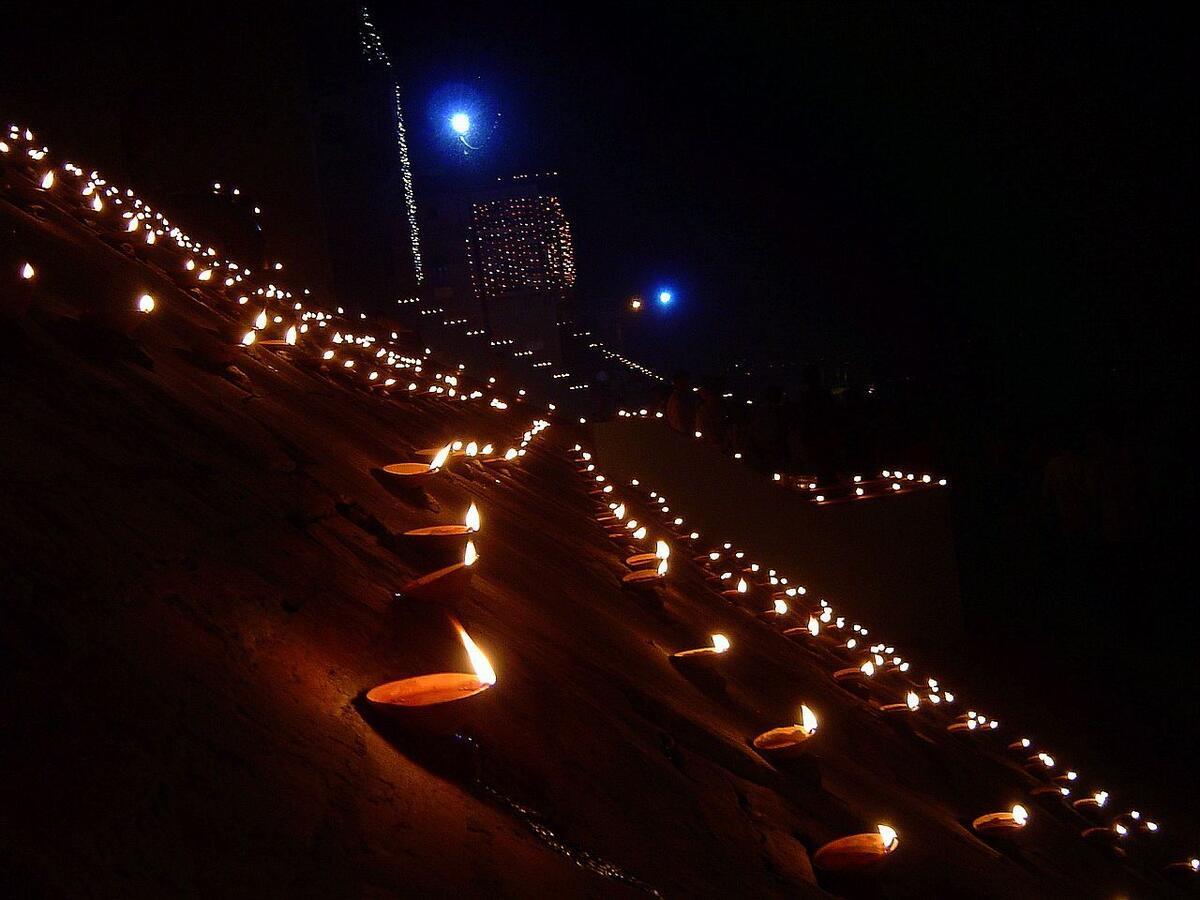
November to February is Kashi at its kindest and most crowded — Dev Deepawali's lakhs of lamps, fog-wrapped dawn boat rides, the dawn-only dessert called malaiyo, what to pack, and why winter yatras must be booked months ahead.
Tulsi Manas Mandir: The Temple Built Where the Ramcharitmanas Was Born
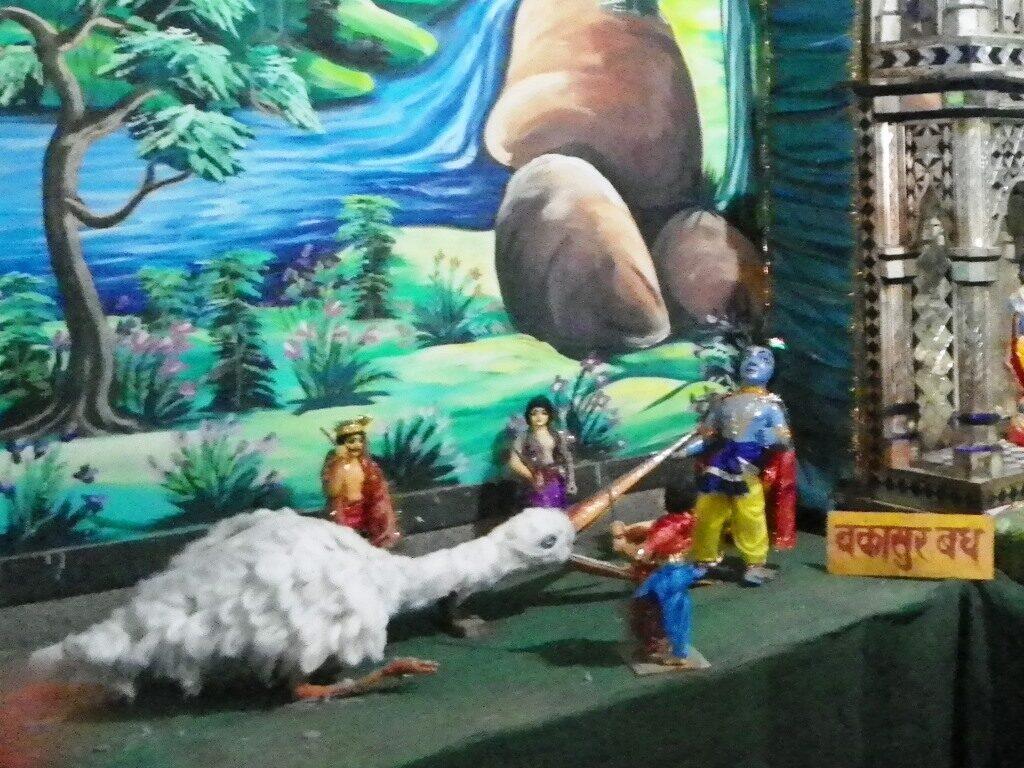
On the ground where Goswami Tulsidas composed the Ramcharitmanas stands a white marble temple whose walls carry his verses end to end. The story of the people's Ramayana, the moving tableaux upstairs, the Durga Mandir pairing, and a perfect evening plan.
Durga Mandir and Durga Kund: The Red Temple Where the Devi Chose to Stay
The 18th-century red temple of Durga Kund — built by Rani Bhabani of Natore around a murti tradition holds no sculptor ever made, beside a sacred tank older than memory. History, legends, Navratri in Kashi, and a pilgrim's visit plan.