Of all the yatras we arrange, none carries more weight than the one a son or daughter plans for ageing parents. Kashi is the darshan our elders have waited a lifetime for — many have promised themselves this journey since their own parents spoke of it — and yet Varanasi is, by any honest measure, a physically demanding city: steep ghat steps without railings, lanes too narrow for a wheelchair, crowds that surge without warning, and a midday heat that punishes anyone over sixty who has not rested. We have taken hundreds of elderly pilgrims through this city, including yatris in their nineties, and we can tell you plainly: the yatra is absolutely possible, and it is glorious — but only if it is planned around the body's limits rather than in defiance of them.
This guide gathers everything we have learned. It is written for the family member doing the planning, and it does not soften the hard parts, because the hard parts are exactly where planning matters.
The Good News First: Kashi Is Kinder Than It Was
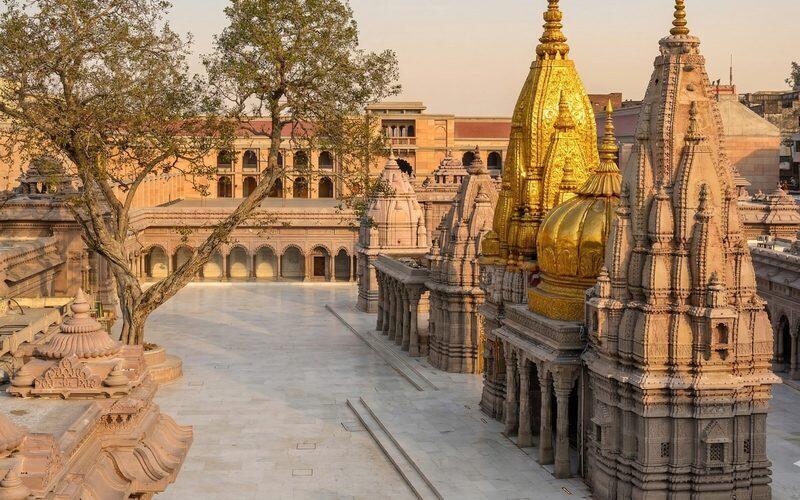
If your parents visited Varanasi decades ago, or have heard fearsome accounts from relatives who did, begin by telling them this: the single hardest part of the old yatra — the crush through the narrow galis to reach Baba Vishwanath — no longer exists. Since the Kashi Vishwanath Dham corridor opened in December 2021, the approach to the jyotirlinga is a broad, stone-paved complex with ramps, drinking water, clean toilets, shaded waiting areas, and — this is the detail that changes everything — free wheelchairs with attendants available at the gates. Ask at Gate 4, the main Godowlia-side entrance; the temple staff provide a wheelchair and a sevak to push it, without charge and without fuss. Families are often disbelieving when we tell them this, and then quietly emotional when they see their mother wheeled respectfully to within metres of the sanctum.
There is more. At the Ganga Dwar entrance by Lalita Ghat, an escalator runs alongside the steps, so even the beautiful river approach — arriving at the temple by boat, as pilgrims did for centuries — is open to those who cannot climb. And the ticketed Sugam darshan facility, which we discuss below, exists precisely for devotees who cannot stand in a long queue.
Choosing the Hotel: The Decision That Decides Everything Else
For an elderly pilgrim, the hotel is not accommodation; it is infrastructure. Every other difficulty in Varanasi can be managed if the room is right, and no arrangement can compensate if it is wrong. Our rules, learned the hard way:
- Do not book inside the old city lanes. The heritage guesthouses of Bangali Tola and the gali hotels near the ghats are wonderful for the young — and unreachable by car. A parent who cannot walk four hundred metres over uneven stone, luggage in tow, should not be asked to. Book where a car can reach the door.
- Insist on a lift. Ask the hotel directly, in writing: "Is there a lift to all floors?" Many budget hotels in Varanasi have four storeys and no elevator, and "ground floor room available" often means a room beside a noisy lobby. Confirm, do not assume.
- Stay near Assi or in the Shivala–Sonarpura belt if the ghats are the priority — cars reach close to Assi Ghat, the ghat itself has gentler access than most, and the area is full of quiet, decent hotels. Stay in Cantonment or Sigra if comfort, wide roads, and proximity to the airport road matter more; the trade-off is a 25–40 minute drive to the river each time.
- Western toilets and grab rails. Ask. Indian-style toilets remain common in budget properties, and for a seventy-five-year-old with knee trouble this single detail can decide the trip.
One more habit we insist on: take a photograph of the hotel's card and put a printed copy in each parent's pocket every morning. Phones die; a written address in the hand never does.
Kashi Vishwanath with Elderly Parents: Queues, Wheelchairs, and Timing
The darshan of Baba Vishwanath is the heart of the yatra, so plan it with the most care. Three strategies, in combination:
First, go early. On a normal weekday, the queue between 7:00 and 9:00 AM moves in well under an hour; by midday it can stretch to two or three, standing, in heat. With elderly pilgrims we aim to enter the Dham by 7:30 AM, straight after a light breakfast. Avoid Mondays if you possibly can, avoid Sawan Mondays absolutely, and treat every festival day as a day for some other temple — the administration manages festival crowds well, but "well-managed" still means lakhs of people.
Second, use the wheelchair service without hesitation or embarrassment. This matters enough to repeat: free wheelchairs with attendants are available at Gate 4. Pilgrims in wheelchairs are generally taken through a shorter, assisted route rather than the full queue. Some parents resist — "I can walk, beta" — and our gentle counsel is that the wheelchair is not for the walk they can do, but for the standing they cannot. An hour of standing in a queue is far harder on ageing knees than a kilometre of slow walking.
Third, consider Sugam darshan. This is the temple's paid, ticketed darshan — a separate, faster channel intended for those who cannot manage the general queue, including the elderly and divyang. Tickets are booked through the temple's official portal or counters. Prices and procedures change from time to time, so verify current arrangements close to your travel date — we check them the week before every yatra we run, because they do shift, especially around festivals. Remember also the standing rules: no phones, cameras, or leather items inside the sanctum perimeter; free lockers stand at the gates. Send one able-bodied family member to handle lockers while parents rest on the benches inside. Our complete Kashi Vishwanath darshan guide covers the sequence in detail.
The Boat: The Best Hour of the Yatra, If Boarding Is Handled Right
Ask elderly pilgrims afterwards what moved them most and the answer, again and again, is the dawn boat — the crescent of ghats unfolding in first light, the temple bells carrying over the water, the city they have imagined all their lives becoming real before them. Do not let anxiety about boarding rob your parents of this hour. Manage it instead:
- Hire a private boat, never a shared one. The cost difference is modest; the difference in boarding calm is total. A private boatman will bring the boat to the most stable mooring and wait as long as needed.
- Board at Assi Ghat or Dashashwamedh, where the lower steps are broad and the boats moor close. Ask the boatman for a boat with a wide, flat entry — the larger bajra-style boats are far easier than narrow rowing boats that rock underfoot.
- The technique that works: one person steps into the boat first and stands braced; the boatman holds the boat firm against the steps; the elderly pilgrim sits down on the gunwale edge first, then swings the legs in — sitting, not stepping. Never let a parent step across open water onto a moving boat. Every experienced boatman in Kashi knows this drill; simply say "Amma ko sahara chahiye" and hands appear.
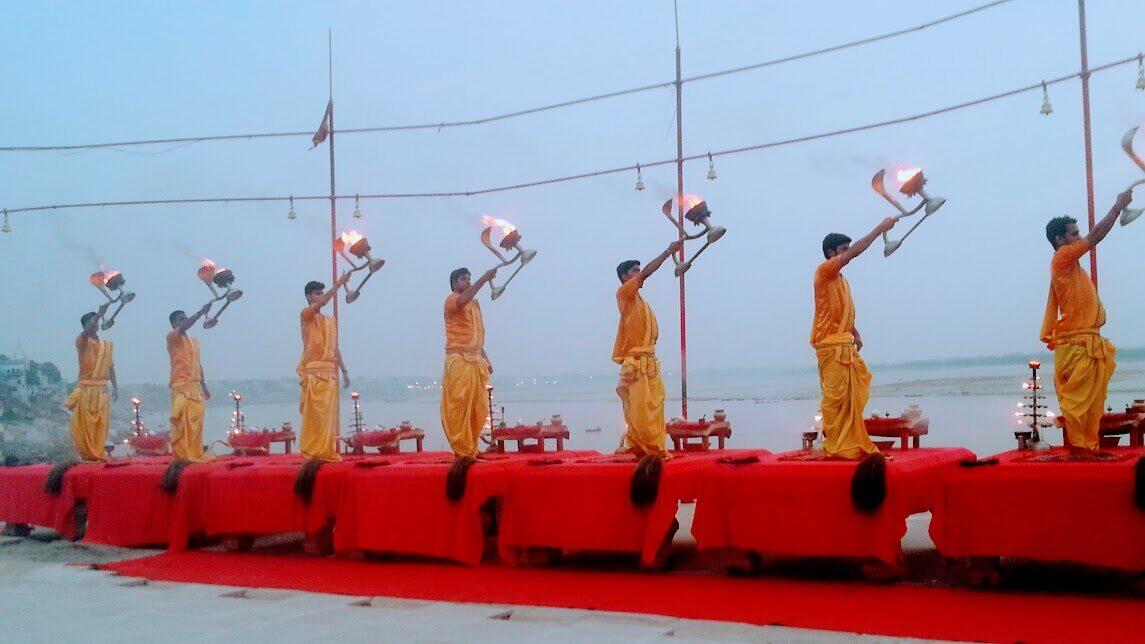
- The evening aarti from the boat is the single best accessibility decision in Varanasi: no stairs, no crowd, a seat throughout, and the finest view of the ceremony that exists. We arrange aarti boat seating for precisely this reason. Standing on the packed steps for ninety minutes is the alternative, and for most seniors it is no alternative at all.
Darshan Scheduling: One Temple in the Morning, One in the Evening, Rest Between
This is our unbreakable rule for senior yatris, and we hold families to it even when enthusiasm runs high on day one: never more than two major outings a day, and never anything between 11 AM and 4 PM except lunch and sleep. Varanasi's midday gives nothing that its mornings and evenings do not give better, and the pilgrims we see in trouble — dizzy at the aarti, exhausted and tearful in a queue — are almost always the ones who tried to "cover" five temples by afternoon. Kashi is not covered. Kashi is met, slowly.
A rhythm that works, drawn from our two-day itinerary and softened further: dawn boat and Vishwanath darshan on the first morning, rest, aarti by boat in the evening. Kaal Bhairav early the second morning — the lanes there are dense, so use the wheelchair-plus-one-helper pattern — then rest, then Sankat Mochan at dusk, where the courtyard has places to sit and the atmosphere itself is a kind of rest. Sarnath, flat and open and calm, makes a gentle third-morning outing if energy allows. Anything beyond this is bonus, not plan.
Medical Facilities: Know Them and You Will Likely Never Need Them
Varanasi is better served medically than most pilgrim towns, and knowing the map in advance converts fear into mere prudence. The Sir Sunderlal Hospital at BHU, with its attached trauma centre, is the region's major referral hospital, on the Lanka side of the city — usefully close to the Assi–Shivala hotels we recommend. Several sizeable private hospitals operate in the Lanka, Bhelupur, and Mahmoorganj areas, and the Cantonment side has its own cluster of private facilities. Pharmacies are everywhere and most stay open late; Godowlia and Lanka have 24-hour chemists.
Our travelling checklist for elderly yatris: carry every daily medicine in double quantity, split between two bags; carry a written list of medicines, dosages, and known conditions (blood pressure, diabetes, cardiac history) in the parent's pocket — in a crisis it speaks when the patient cannot; carry a BP monitor if hypertension is in the picture, because travel excitement moves numbers; and keep ORS sachets in the day bag from March through October. If a parent uses a walking stick at home, bring it even if they resist — the ghats' uneven stone humbles proud knees. And save these numbers in every phone: 108 for a government ambulance, 102 for the alternative service, and your hotel's front desk.
What to Skip, Gracefully
Part of loving planning is deciding, in advance and without drama, what this yatra will not include. The full ghat walk from Assi to Manikarnika — magnificent, and merciless on knees — is replaced by the boat, which shows the same arc in greater comfort. The 3 AM Mangala Aarti at Vishwanath, however tempting, wrecks the next two days' energy; the 7:30 AM darshan is no less blessed. The dense lanes of the old city are sampled for fifteen minutes near Vishwanath Gali with a strong arm to hold, not toured for two hours. And Manikarnika is honoured from the water, palms joined, as the boat passes — which is, in truth, how most of Kashi honours it too.
Say these decisions out loud as a family before the trip. In our experience the elders accept limits readily when the limits are framed the true way: not as things denied, but as strength saved for what matters — the seconds before the jyotirlinga, the flames of the aarti rising over the water, the Ganga at dawn.
The Season and the Small Kindnesses
October to early March is the season we urge for senior yatris: cool mornings, walkable afternoons, and the city at its gentlest — see our best-time guide for the month-by-month picture. Winter mornings on the river are genuinely cold, so pack a proper shawl and a woollen cap; the boat is colder than the land. Summer yatras can work with strict discipline about the midday rule, and we counsel most families to avoid the flood weeks of August–September, when ghat access itself becomes uncertain.
And the small kindnesses, which are not small: book seats, not just tickets, on the train; ask for a wheelchair at the airport when you book the flight, not when you land; carry a folding stool in the car for any wait longer than ten minutes; keep the day's plan to one page and read it aloud each morning so no one is anxious about what comes next. A parent who knows the plan trusts the plan.
Why It Is Worth Every Bit of the Effort
We will not pretend this yatra plans itself; you have just read three thousand words of evidence that it does not. But we have stood at the Ganga Dwar and watched a ninety-year-old mother, wheeled up from the boat by a temple sevak, come within sight of the shikhara she had sung about since childhood — and we can tell you that no yatra we arrange gives more than this one. The city that has received pilgrims for three thousand years knows how to receive the old. It always has. Our Kashi Yatra packages handle every arrangement in this guide — wheelchair-friendly hotels, private boats, darshan logistics, a car and driver who understand slow boarding — and if you are planning the journey yourself, we hope this page serves as the checklist we wish every family had. Take them. Take them while the taking is good. Har Har Mahadev.
Related articles
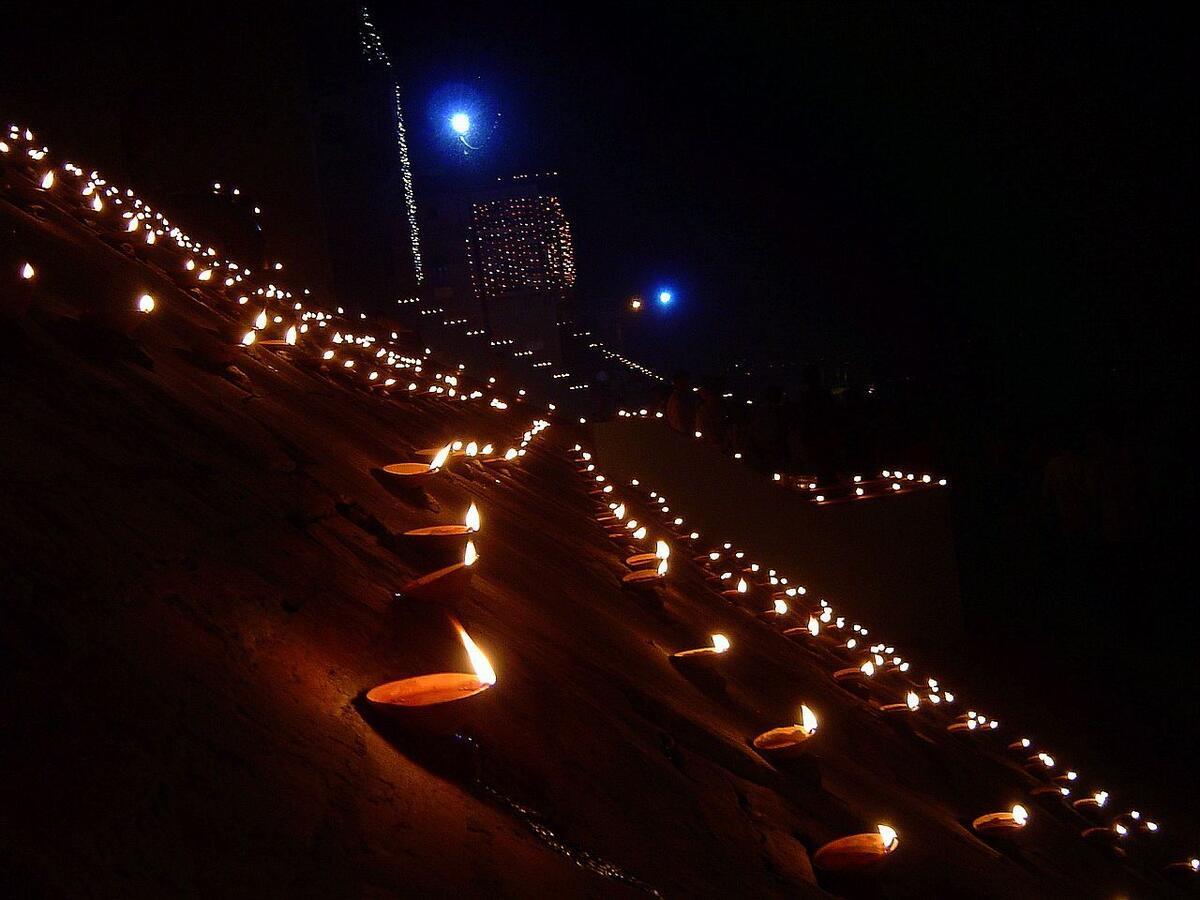
Varanasi in Winter: Dev Deepawali, Fog on the Ganga, and the Season of Malaiyo
November to February is Kashi at its kindest and most crowded — Dev Deepawali's lakhs of lamps, fog-wrapped dawn boat rides, the dawn-only dessert called malaiyo, what to pack, and why winter yatras must be booked months ahead.
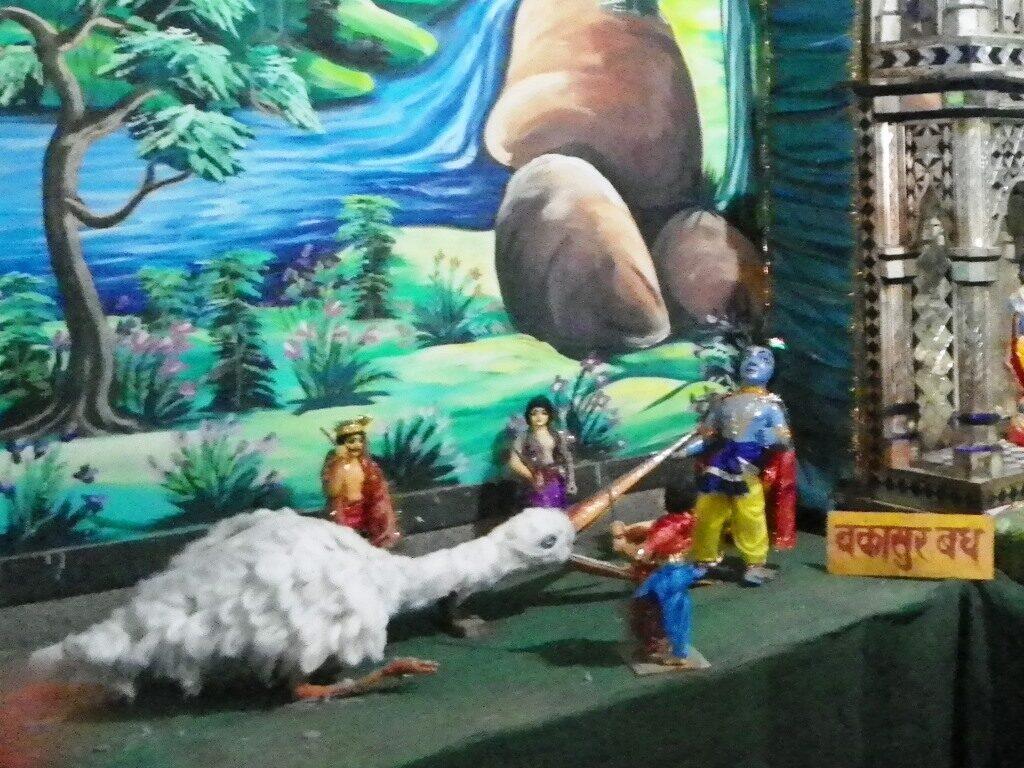
Tulsi Manas Mandir: The Temple Built Where the Ramcharitmanas Was Born
On the ground where Goswami Tulsidas composed the Ramcharitmanas stands a white marble temple whose walls carry his verses end to end. The story of the people's Ramayana, the moving tableaux upstairs, the Durga Mandir pairing, and a perfect evening plan.
Durga Mandir and Durga Kund: The Red Temple Where the Devi Chose to Stay
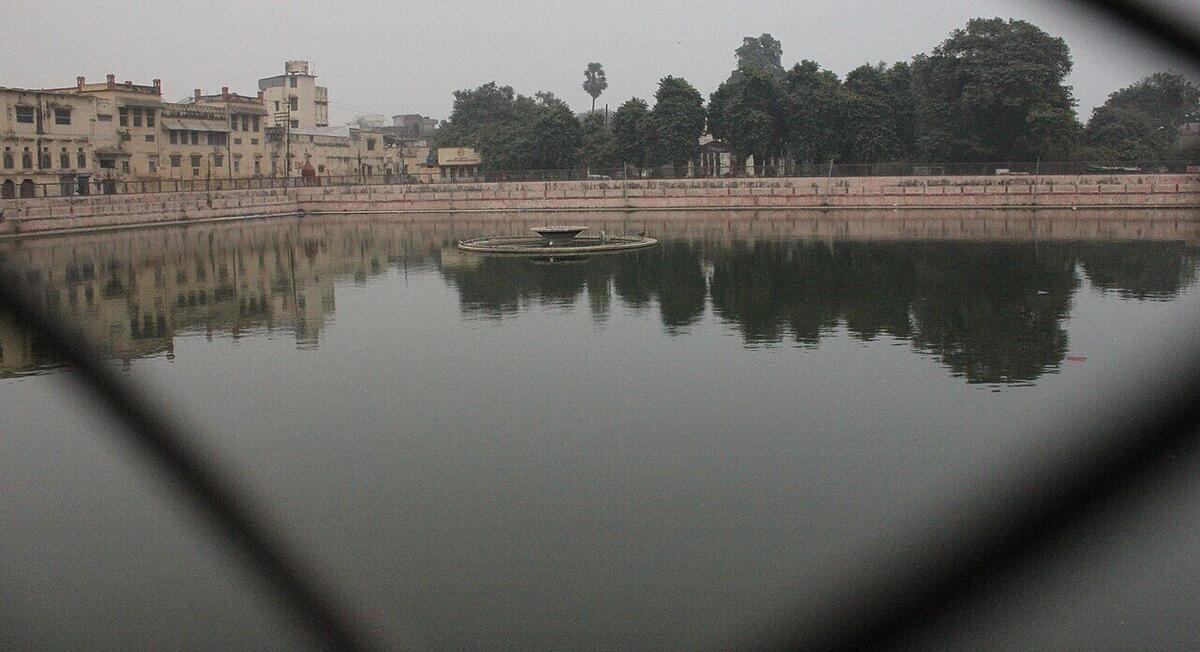
The 18th-century red temple of Durga Kund — built by Rani Bhabani of Natore around a murti tradition holds no sculptor ever made, beside a sacred tank older than memory. History, legends, Navratri in Kashi, and a pilgrim's visit plan.