Every temple in Kashi tells a story about the age that built it. The Kashi Vishwanath of the old city tells of queens and invasions and a jyotirlinga defended across centuries. The New Vishwanath Temple — rising in white marble from the gardens of Banaras Hindu University — tells the story of modern India deciding what kind of Hinduism it wished to hand its children: learned, magnificent, and open to absolutely everyone. Pilgrims often ask us whether the "new" Vishwanath is worth an afternoon when the original stands a few kilometres north. Our answer, after taking hundreds of families there, is an unhesitating yes — not instead of the jyotirlinga, but alongside it, as the other half of a single Kashi story.
Malaviya's Vision and the Birlas' Patience
The temple was born from the same mind that built the university around it. Pandit Madan Mohan Malaviya, founder of BHU, wished his great campus — a city of learning on more than a thousand acres — to have at its spiritual centre a temple worthy of Kashi itself, echoing Shri Kashi Vishwanath. The industrialist Birla family took up the work, and the foundation was laid in March 1931. Then history intervened, as it does: depression, war, independence, partition. The shikhara was not finished until well after Malaviya ji's passing, and the temple stood complete only in 1966 — thirty-five years of patient building, a reminder that in this city temples are measured in generations, not budgets.
The result is among the tallest temple towers anywhere — the great shikhara rises roughly 250 feet, higher than the domes of most famous shrines in India — and because it stands amid lawns rather than lanes, you can actually see all of it at once, something Kashi almost never permits with its temples.
Open to All: The History in a Doorway
Here is the fact that we ask every pilgrim to carry through the gate. From its consecration, this temple has been open to people of every caste, every community, and every faith — explicitly, deliberately, as a founding principle. In the decades when many great shrines still barred entry by birth, Malaviya ji — a Sanatani of unimpeachable orthodoxy — insisted that the house of Shiva on his campus would turn no one away. It was a statement made in marble: that the tradition is strongest when its doors are widest. Walk in behind a family of villagers, a group of engineering students, a foreign scholar with a notebook — all of them stand before the same Shiva-linga on the same floor. In our experience there is no better place in Varanasi to feel the generosity at the heart of the Sanatan tradition.
Walls That Read to You
The temple is really a scripture you walk through. The inner marble walls are engraved, panel after panel, with sacred texts — the Bhagavad Gita in its entirety, and verses and scenes from the Ramcharitmanas, the Upanishads and other shastras, many with carved illustrations alongside. Give this time. Most visitors circle the sanctum in ten minutes; we encourage our yatris to take forty-five, reading — the Gita's chapters unfold along the walls in crisp Devanagari, and for Hindi-reading pilgrims especially, standing in a cool marble hall reading Bhagwan's own counsel while the bell sounds from the sanctum is a form of darshan in itself. Parents: this is the temple at which to show your children that our scriptures are not locked in books.
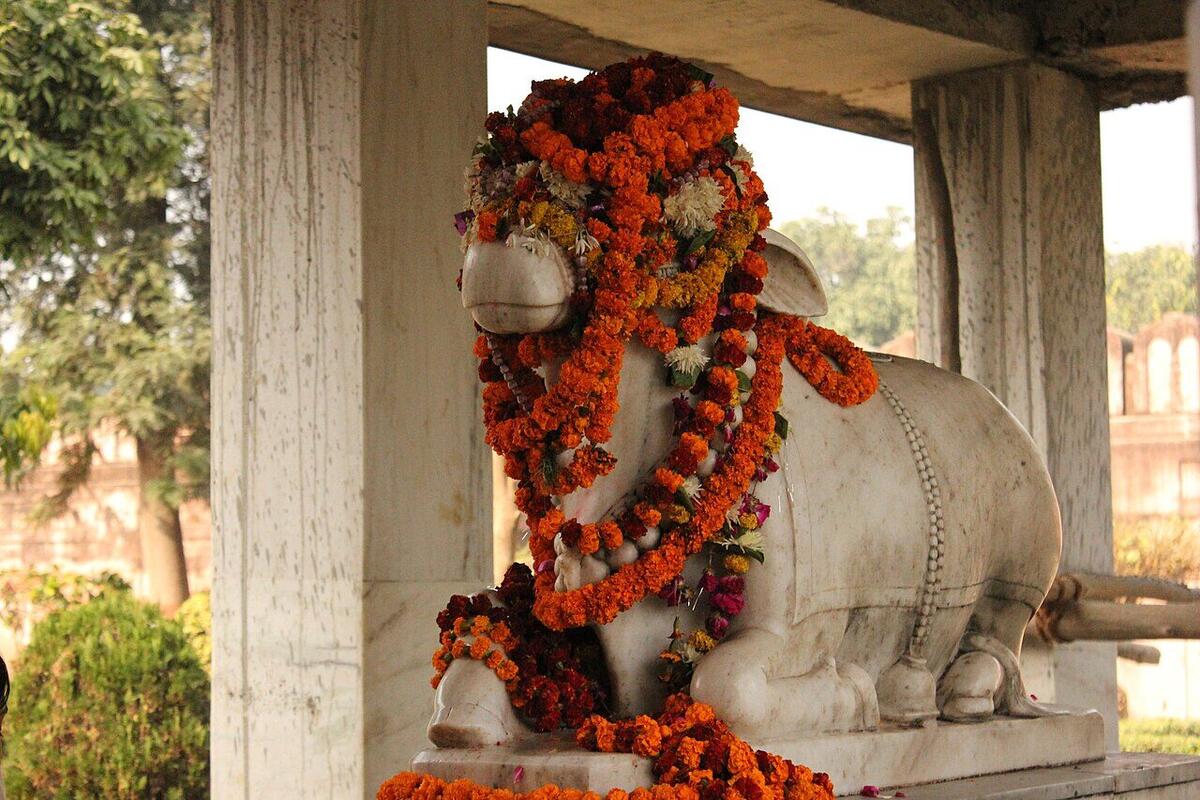
The temple actually houses nine shrines under its roof. The Shiva-linga sits in the main sanctum below the great tower; around and above are shrines to Lakshmi-Narayan and Durga ji on the upper floor, and to Nataraj, Mata Parvati, Ganesh ji, Panchmukhi Mahadev, Hanuman ji, Saraswati ji and Nandi. The mood is unlike any old-city temple: high ceilings, light everywhere, birdsong from the gardens, no crush and no hurry. Aarti is performed morning and evening, and on Mahashivratri and in the month of Sawan the campus temple draws enormous, joyful crowds — students and pilgrims together carrying Ganga jal for abhishek.
Darshan, Abhishek and the Temple's Rhythm
The temple generally opens around 4:00 AM and closes at 12:00 noon, reopening from about 1:00 PM until 9:00 PM — but timings shift on festival days and university occasions, so confirm locally for your date. Devotees may offer jal and bel-patra on the linga in the customary way — an intimacy the crowds at the old-city jyotirlinga rarely allow. Photography rules change from time to time; ask at the gate rather than assume. There is no entry fee, and no "special darshan" economy here at all — one of the quiet blessings of a temple run for a university rather than a market.
If you wish to go deeper than darshan, a Rudrabhishek in Varanasi — the Vedic bathing of Shiva with the chanting of the Rudri — is something we arrange with learned pandits, and pilgrims who have read the Gita walls at BHU in the afternoon often tell us the mantras land differently that evening.
Visiting the Campus: The Practical Part
The temple stands deep inside Banaras Hindu University — and the campus visit is half the pleasure, so plan it as such.
- Getting there. Enter by the main gate at Lanka, at the southern end of the city — about ten minutes by auto from Assi Ghat, twenty to thirty from Godowlia depending on traffic. From the gate the temple is a further 1.5–2 km down the university's grand tree-lined avenue: too far to walk in the heat with elderly companions, so keep your auto or take an e-rickshaw from the gate. Cars and autos can normally drive in along the main avenue; security may ask your destination — "Vishwanath Mandir" opens every barrier.
- Time needed. Ninety minutes is comfortable: the drive in, unhurried darshan, the scripture walls, and a few minutes on the lawns. Add half an hour if the flower sellers, the temple garden and a campus chai detain you — they usually do.
- Best hours. Early morning is serene and cool; late afternoon into the evening aarti is the campus at its liveliest and loveliest. Avoid midday from April to September — the marble courtyard holds the heat, and the temple in any case closes at noon.
- Comfort notes. Shoes go to a stand at the entrance; the courtyard marble is hot underfoot in summer afternoons, kind in winter. The approach is flat and step-free almost to the sanctum — one of the easiest major-temple visits in Varanasi for wheelchair users and slow walkers. Washrooms and drinking water are available near the temple precinct.
- Dress. As for any temple: modest and dignified. Our temple dress guide covers the details.
Pairing the Visit: A Southern Kashi Half-Day
The temple sits perfectly in the city's southern devotional circuit, and this is how we usually build the half-day: begin at Sankat Mochan Hanuman Mandir — five minutes from the Lanka gate — for darshan of Hanuman ji at the temple established by Tulsidas; then into the campus for the New Vishwanath Temple and its scripture walls; then, returning towards Assi, the Durga Mandir at Durga Kund and the Tulsi Manas Mandir beside it, where the Ramcharitmanas you glimpsed on the BHU walls was actually composed. Four darshans, one gentle arc, no lane-maze anywhere — it is the itinerary we recommend most often for a family's second day in Kashi, and it ends conveniently near Assi Ghat for the evening aarti.
The Temple Through the Year
Like every Shiva temple, this one keeps a calendar with two summits. On Mahashivratri the campus temple holds one of the city's great festival nights — the sanctum open late, the queue winding out across the lawns, students keeping vigil beside pilgrims, the marble halls ringing with Om Namah Shivaya until deep into the night. And through Sawan, the monsoon month of Shiva, every Monday brings kanwariyas and families carrying Ganga jal up the avenue for abhishek — a gentler, greener version of the crush at the old-city jyotirlinga, and for elderly devotees often the wiser choice in that season. The university adds its own rhythm: on Malaviya ji's birth anniversary and at convocations the temple becomes the campus's ceremonial heart, and in exam season you will find students on the cool marble with textbooks — which Malaviya ji, of all founders, would have counted as worship correctly performed.
Around the temple, the visit extends naturally into the campus itself. The Bharat Kala Bhavan museum, a short ride up the avenue, holds one of India's finest collections of miniature painting and sculpture and deserves an hour from any pilgrim with an eye for the tradition's art. The avenues themselves — kilometres of neem, mango and gulmohar — are the pleasantest walking in all Varanasi, and a cycle-rickshaw circuit of the campus with a stop for chai at a students' stall is, we find, the kind of small unplanned pleasure families remember longest.
What Pilgrims Ask Us
Is this the same as the Kashi Vishwanath jyotirlinga? No — the jyotirlinga is in the old city temple, and this shrine does not claim otherwise. It was built as an echo and an offering, not a replacement; treat the two darshans as complements.
Can visitors of other faiths enter? Yes — explicitly and by founding principle. This is among the few great temples where that welcome has never had an asterisk.
Is there prasad and puja here? Yes: flower and prasad sellers sit by the approach, jal and bel-patra are offered on the linga in the usual way, and pandits at the temple can perform sankalp and simple pujas. There is no paid-queue system because there are rarely queues.
How does it fit a tight itinerary? If you have only one full day in Kashi, the old city and the river must come first. From two days, the southern half-day — Sankat Mochan, BHU temple, Durga Kund, Tulsi Manas — earns its place in every plan we make.
Old Vishwanath and New: Not a Choice
Some pilgrims worry, quietly, whether darshan at a twentieth-century temple "counts" beside the ancient jyotirlinga. Kashi itself has never thought this way. This city has been building, losing and rebuilding temples for three thousand years; every shrine now called ancient was once new, and what consecrates a temple is not its age but the devotion poured into it — thirty-five years of building, sixty years of daily aarti, and the prayers of the lakhs who have stood before this linga. Take darshan of Baba Vishwanath in the old city for the weight of unbroken centuries — our Vishwanath darshan guide will carry you through the queues — and take darshan at BHU for the breadth of the tradition's embrace. The two together are Kashi entire: the root and the branch, the fortress and the open door. Har Har Mahadev.
Related articles
Varanasi in Winter: Dev Deepawali, Fog on the Ganga, and the Season of Malaiyo
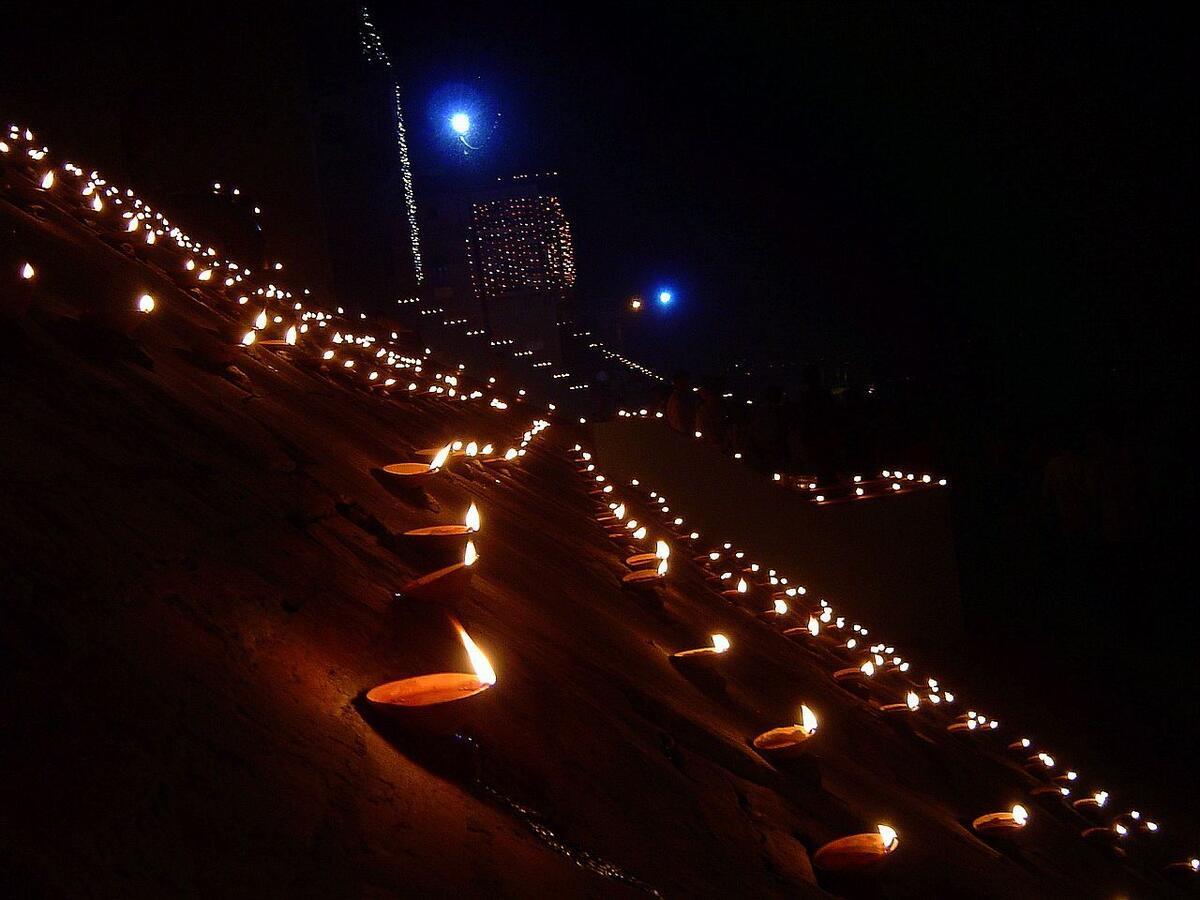
November to February is Kashi at its kindest and most crowded — Dev Deepawali's lakhs of lamps, fog-wrapped dawn boat rides, the dawn-only dessert called malaiyo, what to pack, and why winter yatras must be booked months ahead.
Tulsi Manas Mandir: The Temple Built Where the Ramcharitmanas Was Born
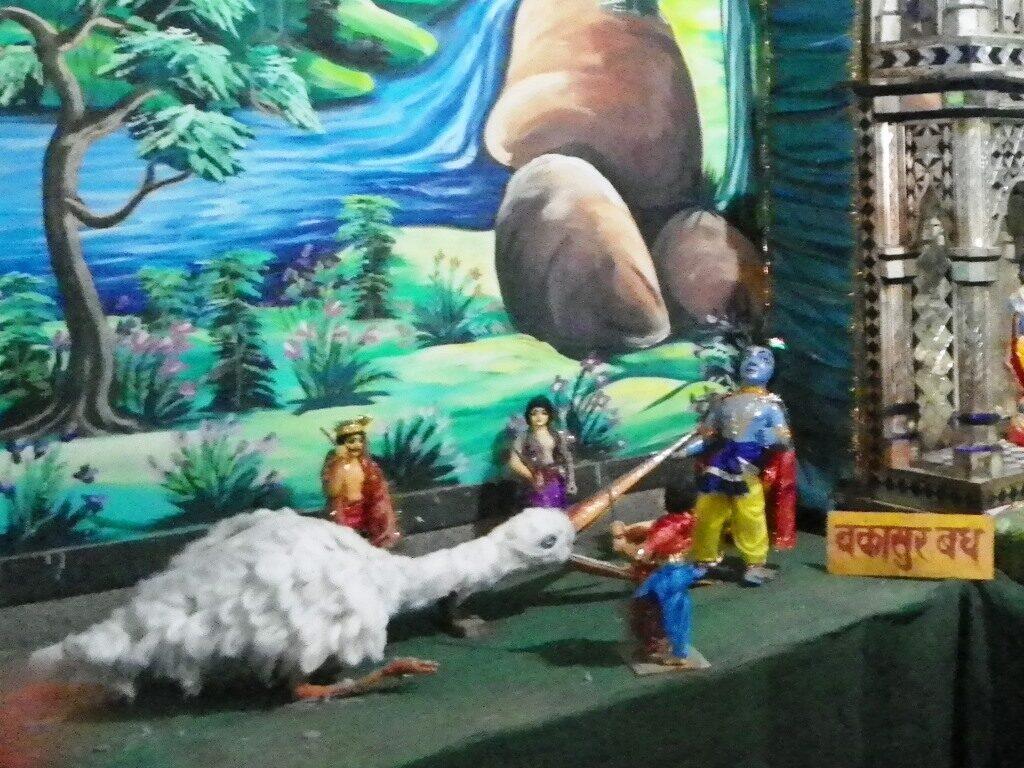
On the ground where Goswami Tulsidas composed the Ramcharitmanas stands a white marble temple whose walls carry his verses end to end. The story of the people's Ramayana, the moving tableaux upstairs, the Durga Mandir pairing, and a perfect evening plan.
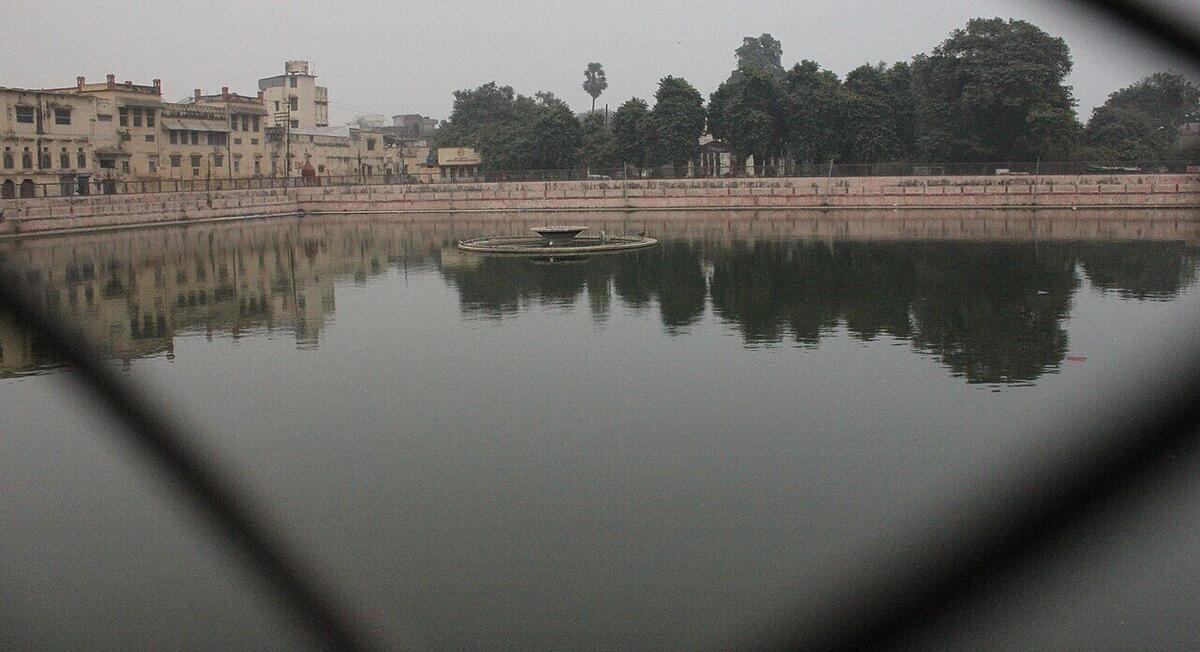
Durga Mandir and Durga Kund: The Red Temple Where the Devi Chose to Stay
The 18th-century red temple of Durga Kund — built by Rani Bhabani of Natore around a murti tradition holds no sculptor ever made, beside a sacred tank older than memory. History, legends, Navratri in Kashi, and a pilgrim's visit plan.