In most cities, food is fuel for the sightseeing. In Kashi it is theology. This is the city of Mata Annapurna, where the goddess of nourishment keeps her own kitchen and where tradition promises that no one sleeps hungry; a city where the day's first kachori comes moments after the day's first darshan, and where what you eat — and when, and in what spirit — is woven into the yatra itself. This is not a restaurant list; we wrote our guide to the fifteen great dishes of Varanasi separately, and it stands. This is the other guide: how a pilgrim actually eats through a darshan day in Kashi — the prasad, the routines, the seasonal blessings, and the handful of honest cautions.
Prasad First: The Food That Is Worship
Begin where the city begins: with food that has been offered. Kashi's prasad culture is among the richest in India, and knowing its landmarks turns every darshan into a meal's worth of grace.
- Annapurna's annakshetra. The free kitchen at the Annapurna temple beside the Vishwanath corridor feeds thousands upon thousands every day — unlimited, satvik, and served without distinction of any kind, generally through the middle hours of the day. To eat here once, seated on the floor as the Mother's guest, is in our view one of the essential experiences of a Kashi yatra — read the full story in our Annapurna temple guide. Families who wish to give rather than receive can contribute to the annadanam at the temple office.
- Sankat Mochan's besan laddoos. The offering of Hanuman ji's temple is famous across north India — dense, ghee-rich laddoos prepared for the deity and sold as prasad within the temple precinct. Pilgrims carry boxes of them home the way other cities export souvenirs; buy on your way out, after darshan, and keep them from the monkeys, who are connoisseurs.
- Vishwanath corridor prasad. Within the Dham you will find the temple's own counters for offerings and prasad, the practical mercy being that nothing needs to be carried through security — buy inside, offer, receive.
- Baba Kaal Bhairav's precinct keeps its own traditions — the black-thread kada and the offerings of the Kotwal's own lanes, where the sweet shops around the temple have served his devotees for generations.
One habit we commend to every yatri: let prasad be your sweet for the day. The body needs less sugar than a Banarasi lane offers, and prasad carries what no halwai counter can.
The Kachori-Jalebi Morning: Kashi's Reward for Early Darshan
The pilgrim's timetable and the city's kitchen run on the same clock. Take our advice from the two-day itinerary — dawn boat, early Vishwanath darshan — and you emerge into the lanes at exactly the hour Kashi has been frying breakfast for centuries: kachori-sabzi, the puffed, crisp kachori with its spiced potato-and-gravy sabzi, ladled onto donas in the lanes off Godowlia and in Kachori Gali itself, the old breakfast lane whose name declares its business; and beside it the morning jalebi, fried in ghee and dripping syrup, the sweet half of the most established breakfast partnership in Uttar Pradesh. Eat standing, eat hot, eat where the queue of locals is longest — that queue is the only restaurant review Kashi has ever needed.
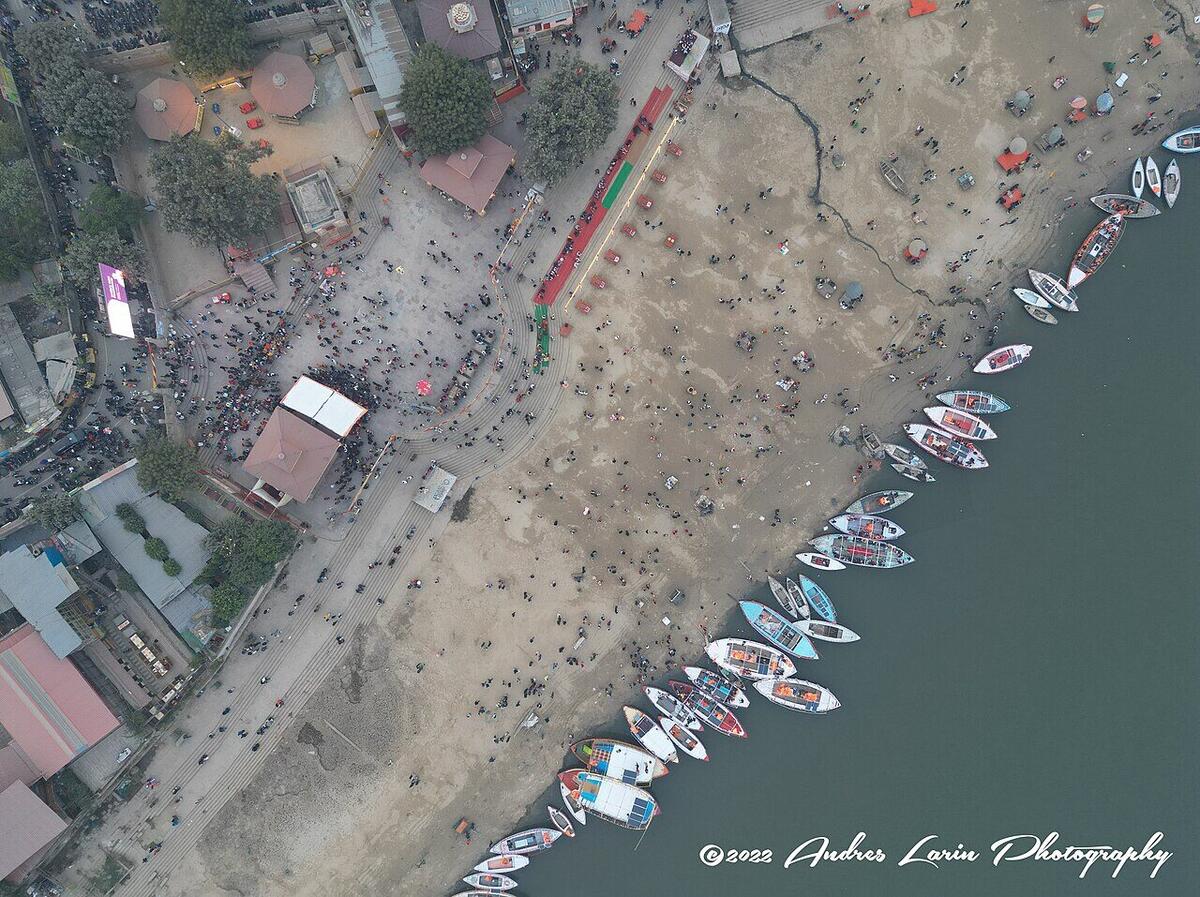
Round the morning off as Banaras does: chai in a kulhad — the unglazed clay cup that perfumes the tea and returns to the earth when you are done — and, if the season smiles on you, the miracle described below.
Malaiyo: The Winter Dawn Blessing
From roughly November to February, and only then, Kashi's mornings produce malaiyo — milk foam raised overnight in the winter dew, gathered at dawn, scented with saffron and cardamom, heaped into kulhads and finished with pistachio. It is barely a food at all — a cloud that dissolves before you have understood it — and it cannot be exported, refrigerated, or eaten after mid-morning; by eleven it is gone, and in the warm months it does not exist. If your yatra falls in winter, the sequence we plan for guests is exact: dawn boat, darshan, kachori, and malaiyo in the lanes near Chowk while the air is still cold. Pilgrims who time their trip by the festival calendar — see our best-time guide — should count malaiyo season as one more argument for winter.
The Satvik Thali: The Pilgrim's Proper Meal
For the day's one full meal, the neighbourhood around the corridor and Godowlia serves the pilgrim perfectly: dozens of pure-vegetarian bhojanalayas — some venerable, some plain, many run without onion and garlic in full satvik style for exactly this clientele — serving the thali that has fed darshan crowds for generations: dal, seasonal sabzi, roti or puri, rice, and something sweet, unlimited in the older houses, at prices that shame the airport sandwich. The lanes around Vishwanath Gali, Bansphatak, and Godowlia crossing hold the densest cluster; south near Assi you will find gentler, quieter versions of the same. We keep a current list for our guests — kitchens change hands — but the standing rule serves anyone: a busy thali house full of Indian pilgrim families is the safest and best meal within a kilometre of any temple in India.
Two Banarasi institutions complete the pilgrim's table. Thandai — the cooling almond-saffron-milk drink, ground fresh at old counters around Godowlia and Chowk — is magnificent, with one caution given plainly below. And Banarasi paan, taken after the evening meal, is the city's own full stop; ask for meetha paan and surrender the stereotype that it is merely a habit — in Kashi it is hospitality made edible.
Watch, too, how the city's own elders eat, because their pattern is the oldest advice in this article: one proper meal at midday, taken slowly and gratefully; light tiffin at the ends of the day; nothing rushed, nothing while walking, and a moment's pause — a breath, a whispered offering — before the first bite. The pilgrims who adopt that rhythm for two days invariably feel better in the queues, sleep better before the dawn boats, and stand steadier through the aarti than the ones grazing from stall to stall. Kashi's grandmothers have been running this experiment for three thousand years; the results are in.
Fasting in Kashi: The Days the City Eats Differently
Kashi does not merely tolerate the fasting pilgrim; it caters to them with professional seriousness, because on any given day a meaningful share of the city is fasting too. On Ekadashi, the bhojanalayas bring out full phalahari menus — kuttu and singhara preparations, sabudana khichdi, samvat rice, fruit plates — and the sweet shops mark what is vrat-safe without being asked. On Mondays in Sawan, when much of the city holds Shiva's fast, the evening breaking-of-fast is a public event: the thali houses fill at once, and the wise pilgrim eats slightly early or slightly late. Navratri turns whole lanes phalahari for nine days. If your family observes any of these, you will find Kashi the easiest city in India to observe them in — say "vrat ka khana" anywhere near the temples and doors open. Our one practical caution stands in both directions: a day of queue-standing on a full fast in summer heat is genuinely dangerous for elderly pilgrims — the tradition itself permits fruit and water for the frail, and Kashi's own pandits will tell you that a darshan completed upright honours Baba more than a fast completed in a clinic.
Annadanam: The Pilgrim as Host
The deepest food experience in Kashi is not a dish at all — it is the moment the pilgrim stops eating and starts feeding. The city's tradition of annadanam — the gift of food — is regarded here as the highest of charities, the one the shastras say outranks all others because hunger is the one suffering that accepts no substitute and no delay. The opportunities are everywhere and every scale: contribute at the Annapurna annakshetra office and your gift becomes plates the same day; sponsor a bhandara at a ghat-side ashram or a small temple, which families often do to mark a parent's shraddha, a recovery, or simple gratitude; or do it retail and immediate — buy a stack of hot kachori-donas and hand them, with folded hands rather than dropped coins, to the ash-smeared sadhus and the elderly destitute who live on the ghats. Many of our families now build one bhandara into every yatra we plan for them, and they tell us afterwards, almost in the same words each time, that it was the hour of the trip they will keep. In Annapurna's city this is not an add-on to the pilgrimage. It is the pilgrimage, in its most edible form.
What to Avoid on Darshan Days
Kashi is generous, and generosity needs judgement. These are the honest cautions we give every family, in the spirit of an elder rather than a health inspector:
- Bhang, unrequested. Thandai is innocent; thandai with bhang is not, and at some counters the green version is offered with a grin. On a darshan day the answer is simple and total: plain thandai only, and ask explicitly. Elderly pilgrims and anyone on medication should not experiment at all, festival custom notwithstanding.
- Heavy eating before darshan. The Vishwanath queue, a midday sun, and a stomach full of puri-sabzi make poor companions. Many pilgrims keep the old discipline — darshan first on a light stomach or a fast, feast after — and the tradition has practical wisdom in it. If you observe nirjala or phalahar fasts, the fruit sellers of the lanes and your hotel can support you easily; say so when we plan your yatra and the kitchens will know.
- Cut fruit, street water, and over-adventure. The standard traveller's rules apply doubly on days when hours in a queue are at stake: bottled or filtered water only, fruit you peel yourself, chaat from busy stalls in the evening rather than as a pre-darshan gamble, and the richest experiments saved for the trip's final night.
- Onion-garlic, if you observe. Families keeping full satvik discipline on darshan days should ask before ordering — the bhojanalayas nearest the temples largely cook without, but the newer cafes do not; the phrase "bina pyaz-lahsun" is understood everywhere.
- The monkeys of the temple lanes, finally, hold ancient rights over unattended prasad. Carry laddoo boxes inside a cloth bag, not swinging from a hand.
A Darshan Day, Eaten Properly
Put together, the pilgrim's food day in Kashi runs like a liturgy: rise fasting or near it; dawn boat and darshan while the body is light; kachori-jalebi and kulhad chai as the earned breakfast; malaiyo if the season permits; the annakshetra or a satvik thali as the day's real meal, followed by the rest we never stop insisting on; evening aarti with nothing in your hands but a diya; a gentle dinner; prasad as dessert; paan as benediction. Eat this way for two days and you will understand something menus cannot teach — that in Annapurna's city, every meal taken with gratitude is a small darshan of its own. We build meals, fasts, and food-lane walks into every Kashi Yatra we plan, because a hungry pilgrim hears no bells. Annapurne sadapurne. Har Har Mahadev.
Related articles
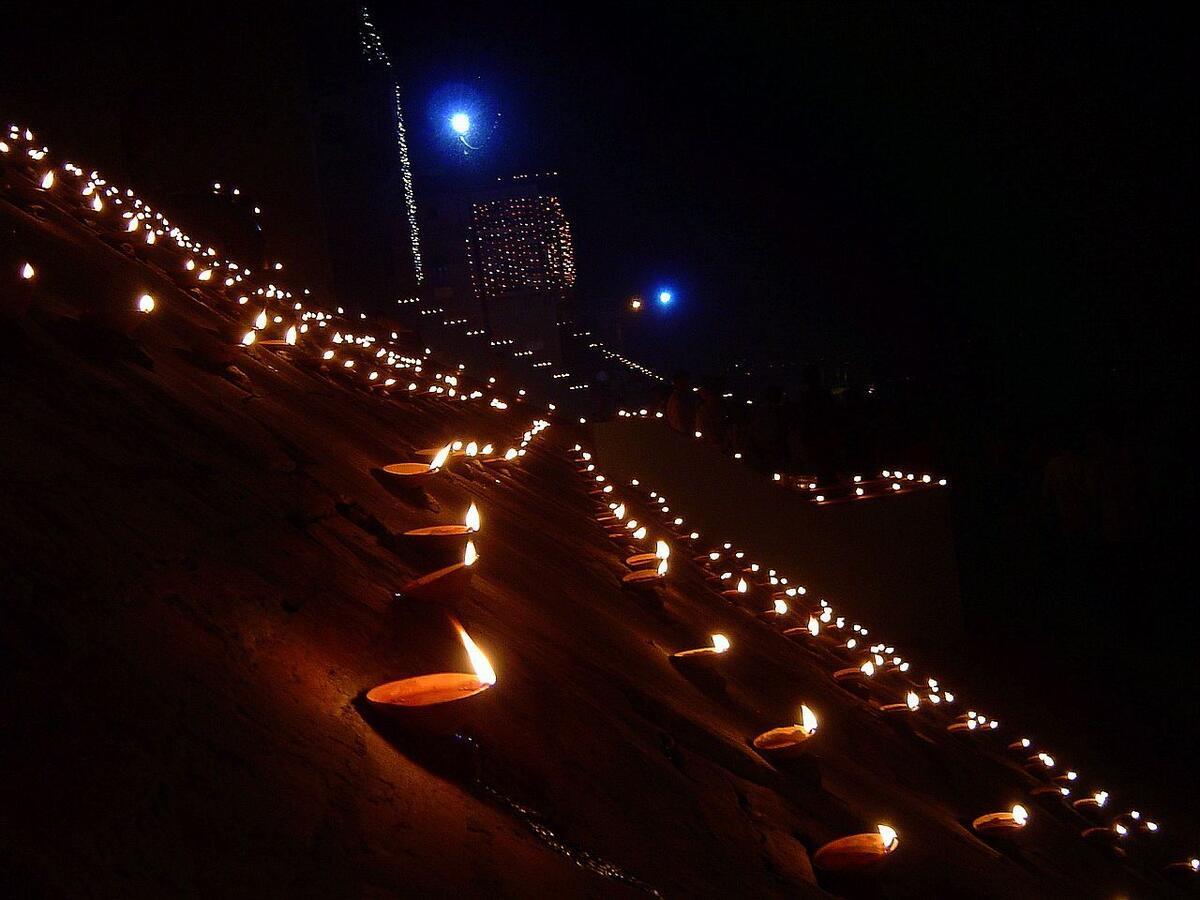
Varanasi in Winter: Dev Deepawali, Fog on the Ganga, and the Season of Malaiyo
November to February is Kashi at its kindest and most crowded — Dev Deepawali's lakhs of lamps, fog-wrapped dawn boat rides, the dawn-only dessert called malaiyo, what to pack, and why winter yatras must be booked months ahead.
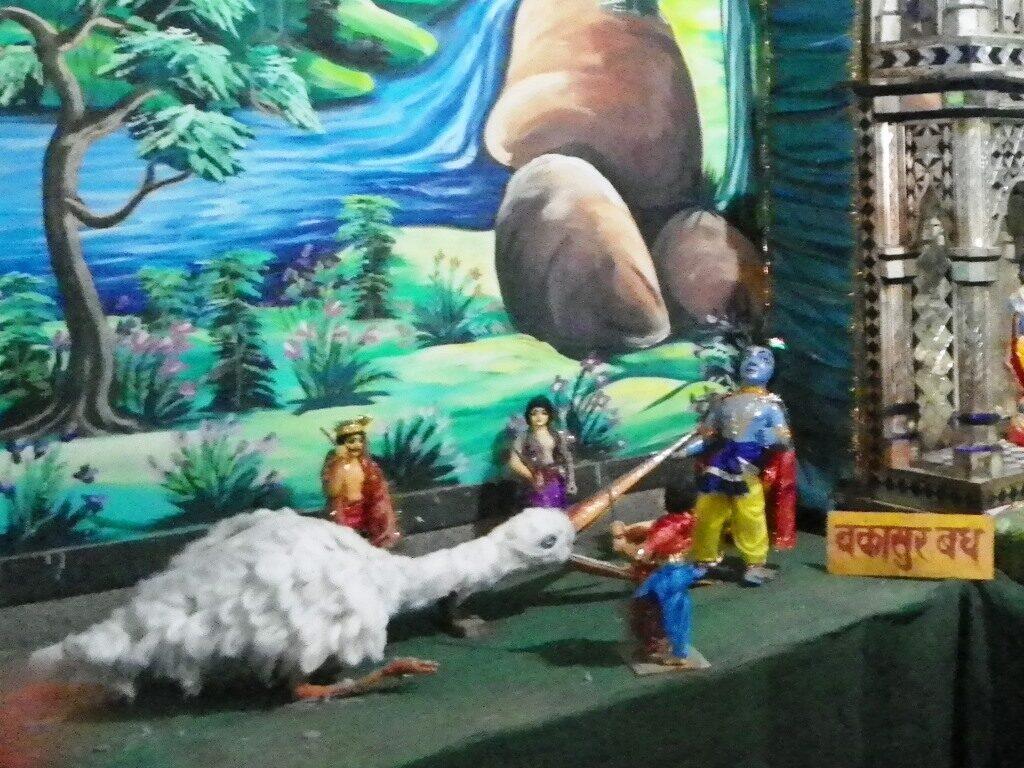
Tulsi Manas Mandir: The Temple Built Where the Ramcharitmanas Was Born
On the ground where Goswami Tulsidas composed the Ramcharitmanas stands a white marble temple whose walls carry his verses end to end. The story of the people's Ramayana, the moving tableaux upstairs, the Durga Mandir pairing, and a perfect evening plan.
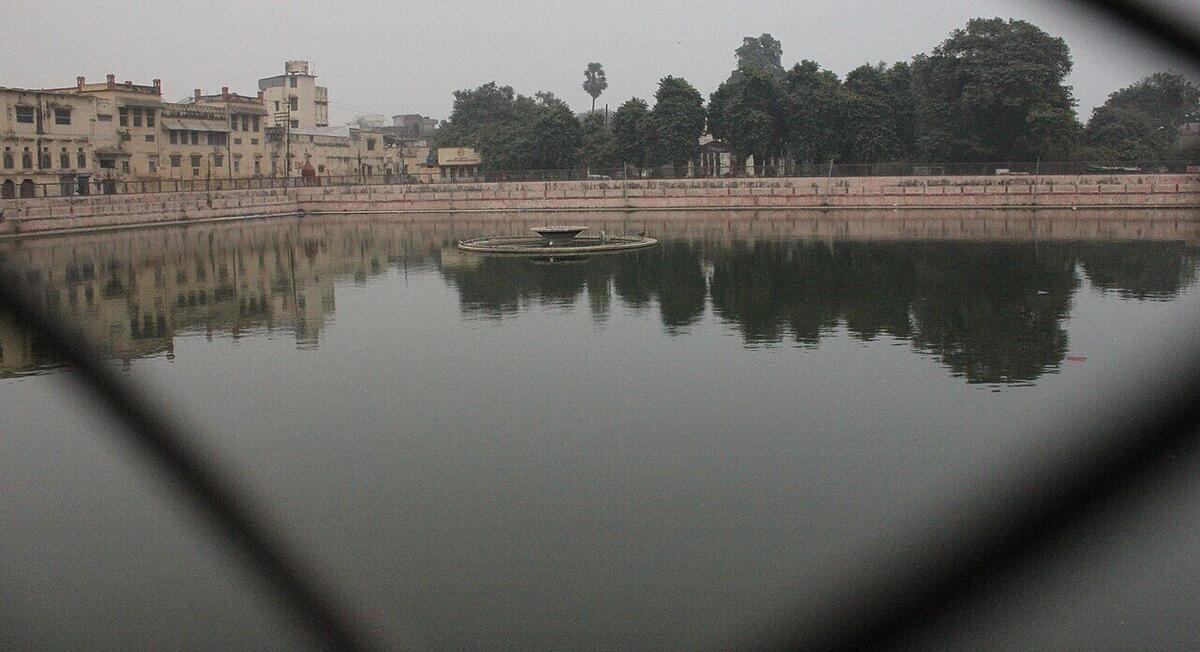
Durga Mandir and Durga Kund: The Red Temple Where the Devi Chose to Stay
The 18th-century red temple of Durga Kund — built by Rani Bhabani of Natore around a murti tradition holds no sculptor ever made, beside a sacred tank older than memory. History, legends, Navratri in Kashi, and a pilgrim's visit plan.