Every South Indian family already carries Kashi within it, whether or not anyone has made the journey. The groom at a Tamil Brahmin wedding still rises, umbrella and walking stick in hand, announcing that he is leaving for Kashi to become a sanyasi — until the bride's father talks him back into the world. Grandmothers across Karnataka, Tamil Nadu, Andhra, and Kerala still speak of "Kashi samaradhanai," of bringing Ganga jal home for the family shrine, of the belief that a life should touch this city once. The yatra from the south is not tourism; it is the keeping of a very old appointment. And from Bangalore, the appointment has never been easier to keep: a direct flight of about two and a half hours now connects the Deccan plateau to the banks of the Ganga.
We host families from Bangalore through every season, and this guide covers the three practical things they ask about — flights, a workable three-day plan, and where to eat proper South Indian satvik food in a city of kachori and chaat — along with the thing they often discover only on arrival: how deeply southern Kashi itself is.
The Flight from Bangalore
Non-stop flights connect Bengaluru (BLR) to Varanasi's Lal Bahadur Shastri International Airport (VNS) in roughly 2 hours 20 minutes to 2 hours 30 minutes, covering nearly 1,500 kilometres in a single hop. IndiGo, Akasa Air, and Air India Express operate the route, with around four to five departures a day between them; schedules move with the seasons, so confirm close to your dates. Two booking notes from experience: the morning departures land you in Varanasi with the whole first evening intact for the Ganga Aarti, which is worth paying a little more for; and around Mahashivratri, Sawan, and Dev Deepawali, seats from Bangalore genuinely run out — the southern pilgrim traffic to Kashi is old, devoted, and punctual. The airport sits about 25 kilometres from the old city; allow an hour by taxi, and remember no vehicle reaches the ghats themselves — the last stretch is on foot.
Kashi in the Southern Tradition: Why This Yatra Is Already Yours
Before the itinerary, the inheritance — because knowing it changes how you walk these lanes.
The wedding rite. The Kashi Yatra ritual of southern weddings — the groom's mock departure for Kashi, turned back at the threshold by the promise of marriage — is usually played for laughter, but its logic is profound. At the crossroads of life, the tradition says, there are two worthy roads: the householder's dharma and the renunciate's road to Kashi. The city stands in the ritual as the eternal alternative, the place where worldly life ends and something else begins. When a South Indian pilgrim finally stands on these ghats, the wedding-day joke completes itself into a truth.
Adi Shankaracharya's city. It was in Kashi that the young acharya from Kaladi spent formative years — studying, teaching, composing — and it was on these very lanes, tradition holds, that he met the chandala whose questions dissolved his last illusion of difference: which self do you ask to step aside, when the Self in all is one? Shankara's answer, the five verses of the Manisha Panchakam, was born here between the Ganga and Vishwanath. Walking to the temple after a dawn snan, you are retracing the exact walk of that story.
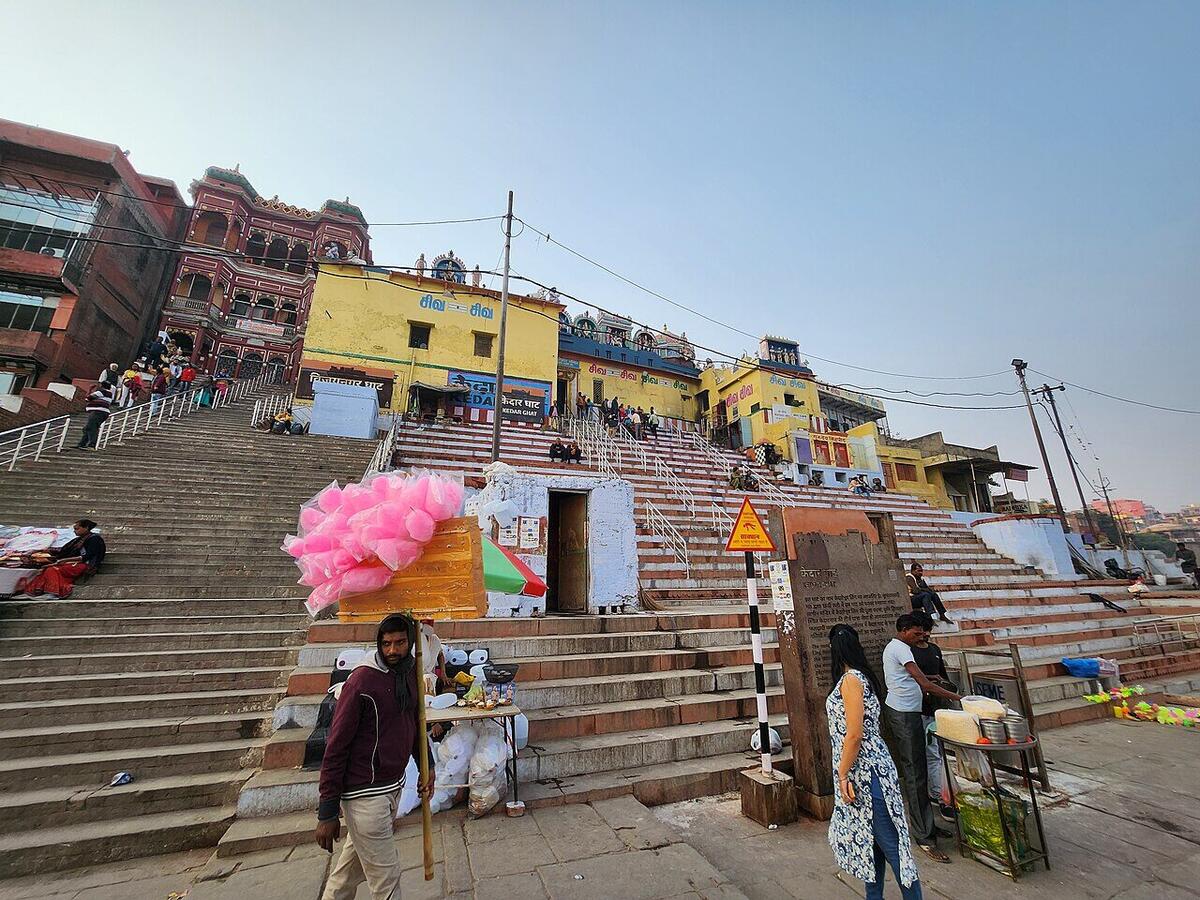
The southern ghats. Kashi has received southern pilgrims for so many centuries that whole neighbourhoods took their shape from them. Kedar Ghat, with its red-and-white striped Kedareshwar temple rising straight from the steps, has an unmistakably southern soul — the gopuram-bright stripes, the Kannada and Tamil you will hear on the steps at dawn. A little south, Hanuman Ghat has been home to the South Indian community for generations, with maths and hostels serving pilgrims from the four southern states. Many families from the south make a point of taking their snan at Kedar Ghat rather than the more famous ghats, following their own grandparents' custom — and we encourage it; the morning atmosphere there is among the sweetest in Kashi.
The Three-Day Plan
Three days is the right length from Bangalore — one more than our compressed two-day itinerary, which lets the yatra breathe and adds the southern threads above. The one law of the city applies throughout: dawn and dusk are for darshan, midday is for rest. Fight this law and Kashi will win.
Day 1 — Arrive and Meet the River
Land by early afternoon, settle into a hotel near the river — the Assi–Shivala belt suits southern families especially well, close to both Kedar Ghat and the South Indian eateries listed below. Rest until four. In the evening, walk the ghats north from Assi as the light softens, and take your place for the Ganga Aarti at Dashashwamedh — from the steps if knees are young, from a boat on the water if you want the finest and calmest view; we arrange boat seating for most of our guests on their first night. A light dinner, and early to bed: the whole yatra turns on tomorrow's alarm.
Day 2 — The Heart of the Yatra
Rise at 4:45 AM. Take the dawn boat along the crescent of ghats — Kedar Ghat's stripes glowing in first light, pilgrims at their snan, Manikarnika passed in silence. Back at the steps by 6:45, take your own Ganga snan — at Kedar Ghat if you are keeping the southern custom — and then walk up to the Kashi Vishwanath Dham for darshan of the jyotirlinga while the queue is still gentle. Phones, cameras, and leather go into the free lockers; carry nothing but devotion and a little cash for offerings. Those few seconds before Baba Vishwanath are what your grandmother meant by the word Kashi.
Breakfast in the lanes, then back to the hotel by 11 for the non-negotiable midday rest. At 4 PM, darshan at Sankat Mochan, Tulsidas's Hanuman temple — the besan laddoo prasad is famous for good reason — and, on the same road, the Tulsi Manas Mandir where the Ramcharitmanas walls remind southern devotees how the Ramayana lives in every Indian tongue, from Tulsi's Awadhi to Kamban's Tamil. Evening free: a second aarti from the steps, or simply chai and stillness at Assi Ghat.
Day 3 — The Kotwal, the Buddha, and the South Once More
Early darshan of Baba Kaal Bhairav, the Kotwal without whose leave no Kashi yatra is complete — receive the black thread, the city's protection for your journey home. Then out to Sarnath for the morning: the Dhamek Stupa, the excavated monasteries, the museum with the Ashokan lion capital. Return for a South Indian lunch (see below — you will be glad of rasam by day three), rest, and spend the final evening at Kedar Ghat and Hanuman Ghat, the southern quarter, letting the yatra end where the south has always kept its lamp burning in Kashi. If your flight leaves the next morning, this last slow evening is the memory that will travel best.
The Kashi–Rameshwaram Bond: One Yatra with Two Ends
There is one more southern thread every pilgrim from Karnataka and Tamil Nadu should know before coming, because it may change what you carry. The tradition binds Kashi and Rameshwaram — Shiva's city in the far north of the sacred map and his jyotirlinga at its far southern tip — into a single, mirrored pilgrimage. Pilgrims carry Ganga jal from Kashi to abhishek the Ramanathaswamy lingam at Rameshwaram, and in the fuller form of the vrata, sand or sacred earth from Rameshwaram's shores travels north to be offered in the Ganga at Kashi. Completed in both directions, the tradition holds, the yatra knits the whole of Bharat into one act of devotion — north poured into south, south dissolved into north.
Practically: if your family keeps this custom, or if a Rameshwaram yatra is anywhere in your future plans, collect your Ganga jal here properly — drawn at your snan, sealed in a sound container, ideally with a small sankalpa spoken at the ghat. And if you have already been to Rameshwaram and carry its sand, the offering into the Ganga takes two minutes and a lifetime of meaning. Many of our Bangalore guests discover this bond mid-yatra and regret not having come prepared; consider yourself told in advance.
South Indian Satvik Food in Varanasi
Banarasi food is a joy, but by the second day most southern families are quietly longing for rasam, curd rice, and a real filter coffee — and Kashi, having hosted the south for centuries, provides. The Bhelupur–Lanka–Assi arc is the hunting ground. Kerala Cafe at Bhelupura crossing has served dosa, uttapam, and lemon rice since 1962 and is an institution; Ayyar's Cafe near Assi Ghat is even older, a modest room where the vada and coffee taste of home; and around Godowlia and Lanka a newer generation — Udupi-style cafes and dosa houses — has joined them. Around the southern maths at Hanuman Ghat, simple satvik meals are often available to pilgrims in the traditional way. Two honest notes: filter coffee standards vary — the older establishments are safest — and everything worth eating closes earlier than Bangalore is used to. Our full satvik food guide maps the wider city, including the pure-veg Banarasi classics you should not leave without trying: the kachori-sabzi breakfast, tamatar chaat, and malaiyyo in winter.
Practical Notes for the Southern Pilgrim
- Language is no barrier. Hindi helps but is not required; temple priests and pandits who serve southern families — many maths maintain their own — are used to Tamil, Telugu, Kannada, and Malayalam speakers. English works everywhere that matters.
- Sankalpa and rituals. If your family intends a specific ritual — Ganga puja, a rudrabhishek, pind daan for ancestors — arrange it through a known operator or math rather than accepting offers on the ghats. We arrange rudrabhishek and ancestral rites with verified pandits precisely because the ghat-side marketplace is variable.
- Ganga jal. Carry proper sealed containers from home or buy the reliable brass lota-with-lid sold near Dashashwamedh; airport security allows sealed Ganga jal in checked baggage — pack it well.
- Weather shock. Bangalore's kindness does not travel. October–March is comfortable; April–June is furnace afternoons (the midday rest becomes survival, not advice); July–September is humid with the drama of the swollen river. Check our month-by-month guide before fixing dates.
- The winter festival window. If you can choose freely, Dev Deepawali — the full moon of Kartik, when the ghats hold a million lamps — is the single most spectacular evening this city offers, and flights from Bangalore fill early for it.
The Appointment, Kept
There is a moment we watch for with southern families, and it comes reliably: the first dawn on the water, somewhere between Kedar Ghat and Dashashwamedh, when someone in the boat begins humming — a Dikshitar kriti, a line of the Bhaja Govindam, something their mother sang — and the city on the bank and the memory in the blood recognise each other. Kashi has been the north star of the southern tradition since before any of our languages had their present shape. The wedding-day departure is finally made; the appointment is kept. If you would like it all arranged — flights advised, the right ghat-side hotel, boats, darshan and ritual logistics, South Indian meals located — our Kashi Yatra packages host Bangalore families through every season, and we plan the yatra around your traditions, not around a tourist checklist. Har Har Mahadev — and, as the elders of Hanuman Ghat still say it, Namah Parvati Pataye.
Related articles
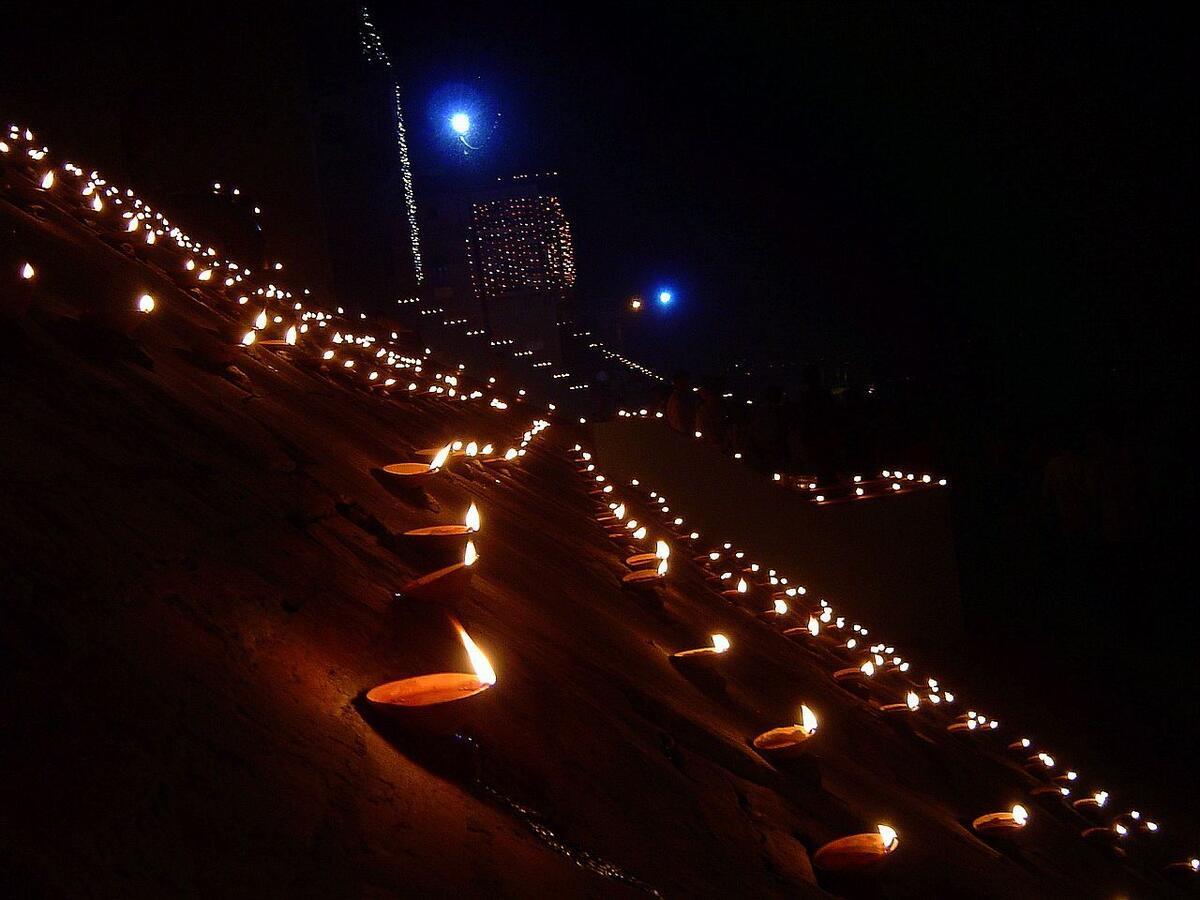
Varanasi in Winter: Dev Deepawali, Fog on the Ganga, and the Season of Malaiyo
November to February is Kashi at its kindest and most crowded — Dev Deepawali's lakhs of lamps, fog-wrapped dawn boat rides, the dawn-only dessert called malaiyo, what to pack, and why winter yatras must be booked months ahead.
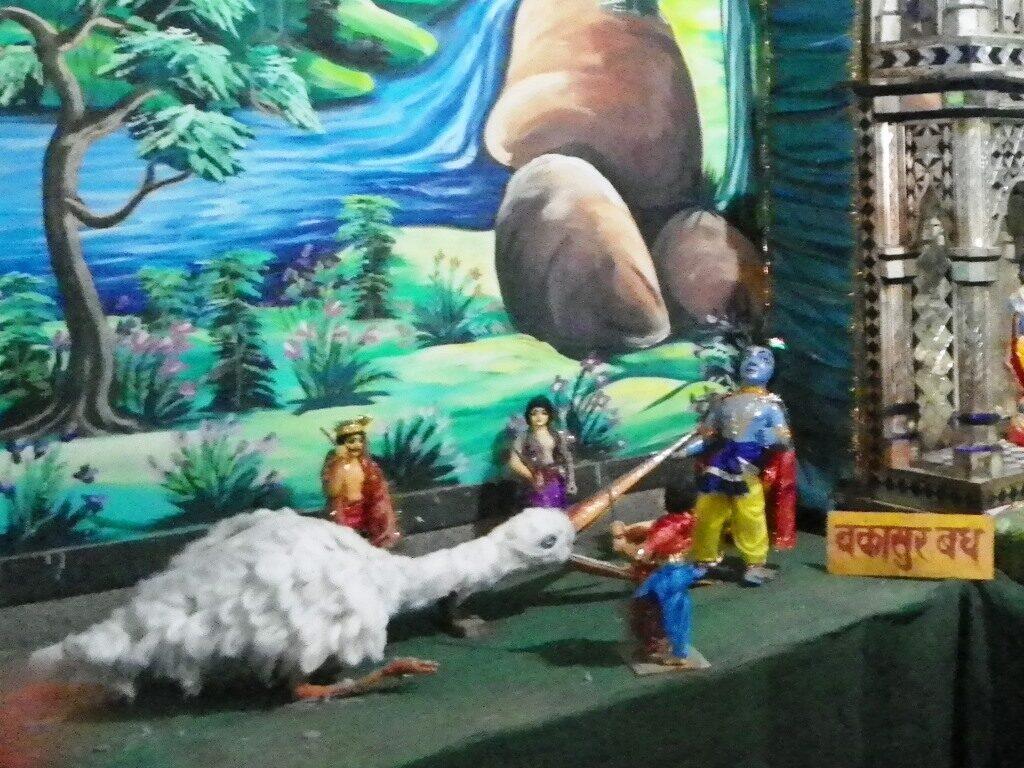
Tulsi Manas Mandir: The Temple Built Where the Ramcharitmanas Was Born
On the ground where Goswami Tulsidas composed the Ramcharitmanas stands a white marble temple whose walls carry his verses end to end. The story of the people's Ramayana, the moving tableaux upstairs, the Durga Mandir pairing, and a perfect evening plan.
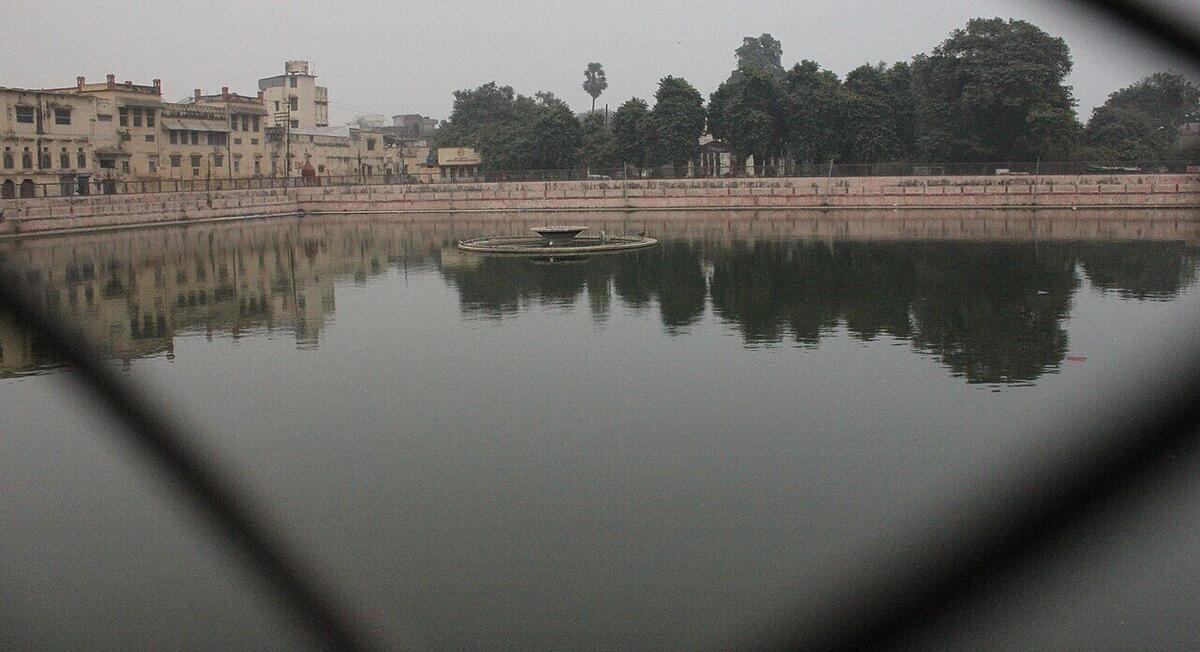
Durga Mandir and Durga Kund: The Red Temple Where the Devi Chose to Stay
The 18th-century red temple of Durga Kund — built by Rani Bhabani of Natore around a murti tradition holds no sculptor ever made, beside a sacred tank older than memory. History, legends, Navratri in Kashi, and a pilgrim's visit plan.