No two cities of the Ganga are bound to each other quite like Kolkata and Kashi. For centuries, Bengal has come to Varanasi not as a visitor but as family — to bathe, to worship, to retire, to die within sight of the river, and to build so devotedly that whole stretches of the old city speak Bangla to this day. Rani Bhavani of Natore, that extraordinary eighteenth-century queen, raised and restored temples and ghats across Kashi; Bengali zamindars endowed dharamshalas and Kali temples; and the lanes of Bengali Tola still fill with the smell of luchi and the sound of Rabindra Sangeet on autumn evenings. If you are coming from Kolkata, you are not discovering Kashi. You are returning to it. We arrange this yatra for Bengali families throughout the year, and this is our complete guide: trains, flights, a realistic plan, and the corners of the city where Bengal never left.
The Overnight Train: Still the Classic Way
The Kolkata–Varanasi rail corridor is one of the great pilgrim routes of Indian Railways, and the overnight train remains, in our judgement, the most satisfying way to make this yatra — you sleep through Bihar and wake to the Ganga plain of Purvanchal.
The workhorse is the Vibhuti Express (12333), which at the time of writing leaves Howrah in the evening around 7:55 PM and reaches Varanasi the next morning around 9:30–9:40 AM — roughly fourteen hours, timed almost perfectly for a pilgrim's arrival: reach, rest an hour, and be on the ghats by evening aarti. The return (12334) leaves Varanasi in the early evening and delivers you to Howrah at breakfast time. Several other trains serve the route daily — the Poorva Express among the quicker day options, the Himgiri Express as a late-night departure — so even in festival season a determined family can usually find berths. Rail timetables shift; always verify the current schedule on IRCTC when you book, and book AC 2-tier or 3-tier well ahead for Sawan, Durga Puja holidays, and Dev Deepawali, when half of Bengal seems to have the same idea.
Two station notes: some trains serve Varanasi Junction (BSB) in the heart of the city and others Banaras (BSBS) or Pandit Deen Dayal Upadhyaya Junction (the old Mughalsarai) across the river — check your ticket, because the last of these adds a forty-five minute road transfer. From Varanasi Junction, Godowlia and the ghats are twenty to thirty minutes by auto.
Flights: Ninety Minutes When Time Is Short
Direct flights link Kolkata (CCU) and Varanasi (VNS) in about 1 hour 20 minutes to 1 hour 30 minutes, with IndiGo operating the route daily at the time of writing. For a two-day yatra, or for elderly parents who find fourteen hours on a train hard, the flight transforms the trip. Fares are gentle when booked early and unforgiving in festival weeks. The airport lies about 25 kilometres from the city — allow an hour by taxi to the ghats.
One route note worth knowing: Bengali tradition has long spoken of the three tirthas together — Kashi, Gaya, and Prayag — and the rail geography agrees, for Gaya lies on the very line between Howrah and Varanasi. Families intending pind daan at Gaya alongside the Kashi yatra can break the journey there, or take our combined Saket-Kashi-Prayag circuit from Kolkata; add two days and the yatra becomes the full tin-tirtha of the old Bengali manuals.
Bengal in Kashi: Where to Find It
Between Dashashwamedh and Kedar Ghat, a few lanes inland from the river, lies Bengali Tola — the quarter where Bengalis have settled since at least the eighteenth century, when Rani Bhavani's patronage drew families from Bengal in numbers. Walk it in the morning: sweet shops frying luchi, elderly gentlemen in dhutis arguing gently over newspapers, terracotta-tiled houses with Kolkata's own window shutters, and shrine after shrine established by Bengali patrons — Kali Bari temples, the Bengali Tola Durga Mandir, Shiva temples raised by Kolkata merchants two centuries ago.
The Bengali affinity in Kashi has always had a particular devotional colour: Ma Kali and Ma Durga worshipped in Bengal's own manner, in Shiva's own city. Bengali-style Durga Puja has been celebrated in Kashi since 1773, when Babu Anondomoy Mitra began it near Chaukhamba, and the city embraced it so completely that Durga Puja in Varanasi is now a shared festival of the whole town. One Bengali Tola family, famously, has worshipped the same Durga murti in their home for over two and a half centuries without immersion — tradition holds the Devi herself asked to stay. If your yatra falls in Ashwin, the pandals of Bengali Tola are a homecoming no Kolkata family should miss.
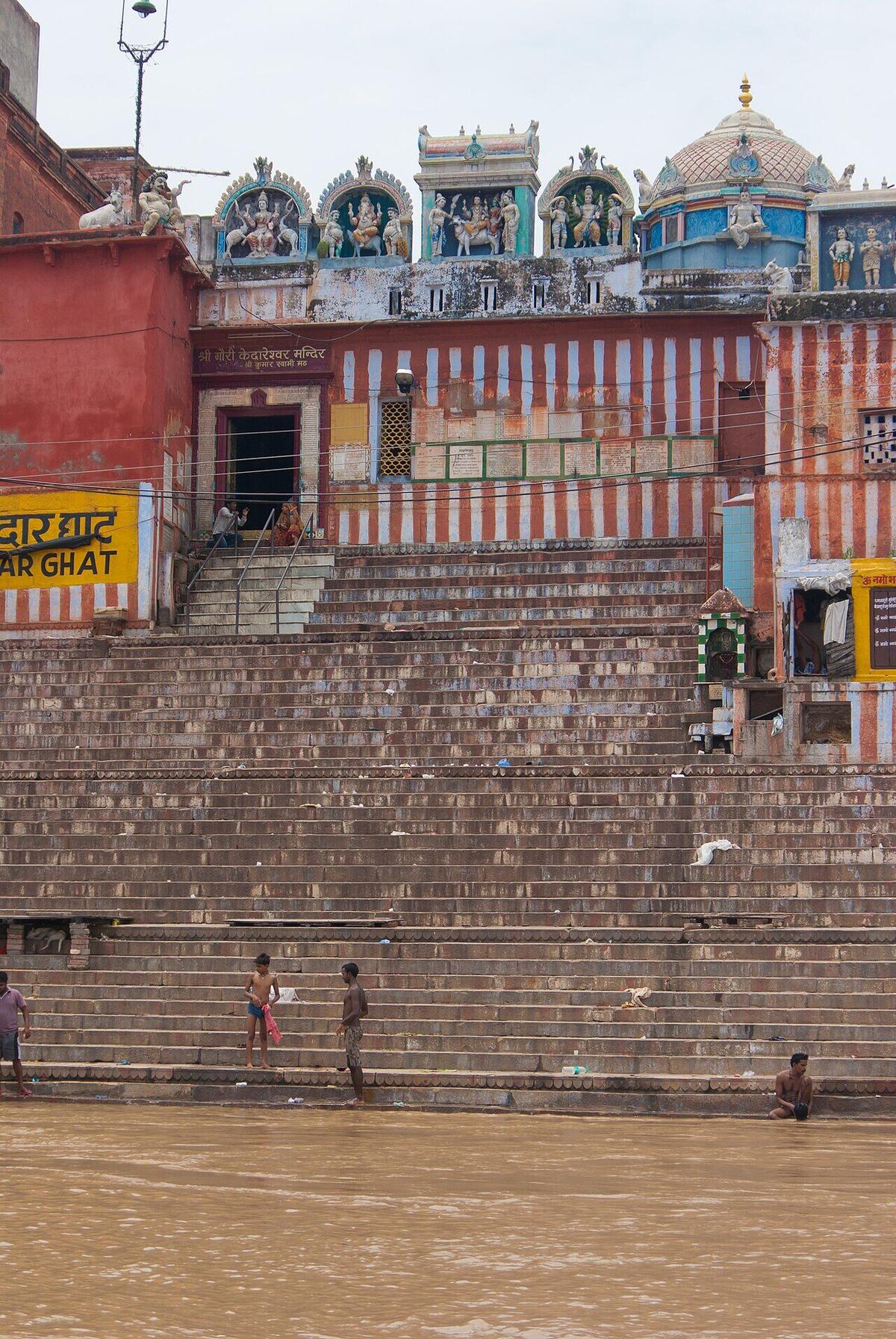
On the river itself, Bengali pilgrims have always favoured Kedar Ghat for snan — broad-stepped, devout, and crowned by the striped Kedareshwar temple — and Panchganga Ghat, where five rivers are said to meet unseen and where Bengal's own Trailanga Swami, the great yogi revered by Sri Ramakrishna, lived and taught. Many Bengali families also keep the old custom of Kashibas in spirit — a few days lived simply by the river — even when the calendar allows only three.
A 2–3 Day Plan Timed to the Trains
The overnight trains shape the itinerary beautifully. Here is the plan we run most often for Kolkata families; for the fuller hour-by-hour version see our two-day itinerary.
Day 1 — Arrive Mid-Morning, Aarti by Evening
Off the Vibhuti Express by mid-morning, hotel, bath, lunch, and a proper rest — you will want it. At five, walk to Dashashwamedh for the Ganga Aarti: seven flames, conch and bell, the river holding every light. It begins around sunset — near 5:45 PM in winter, closer to 6:45 in summer; confirm locally — and the finest seat is a boat on the water, which we arrange through our aarti boat seating. Dinner in Bengali Tola if you are homesick already; the luchi-torkari there would pass in Bagbazar.
Day 2 — Vishwanath, Annapurna, and Bengali Kashi
Dawn boat at 5:15 along the ghats — pass Kedar Ghat and Panchganga with particular attention; they are yours. Then darshan at Shri Kashi Vishwanath in the kind hours before 9:00 AM, with Mata Annapurna's darshan beside the corridor — in Kashi the Mother feeds what Baba liberates, and the two darshans are taken as one. Kachori breakfast, midday rest without negotiation, and give the late afternoon to Bengali Tola on foot: the Durga Mandir, a Kali Bari, sandesh from a Bengali sweet shop, and the lanes themselves. Evening: Sankat Mochan Hanuman Mandir, or a quiet hour on Kedar Ghat as the lamps come on.
Day 3 — Sarnath, Last Snan, and the Evening Train Home
If you have the third day — and the Vibhuti's evening departure means you effectively do — spend the morning at Sarnath, where the Buddha turned the wheel of dharma, and return for a final snan and a last unhurried walk south from Dashashwamedh. Collect Ganga jal for home, and for the elders who could not come. The train leaves in the early evening; you will be in Howrah for breakfast, carrying more than your luggage.
Timing the Yatra to Bengal's Own Calendar
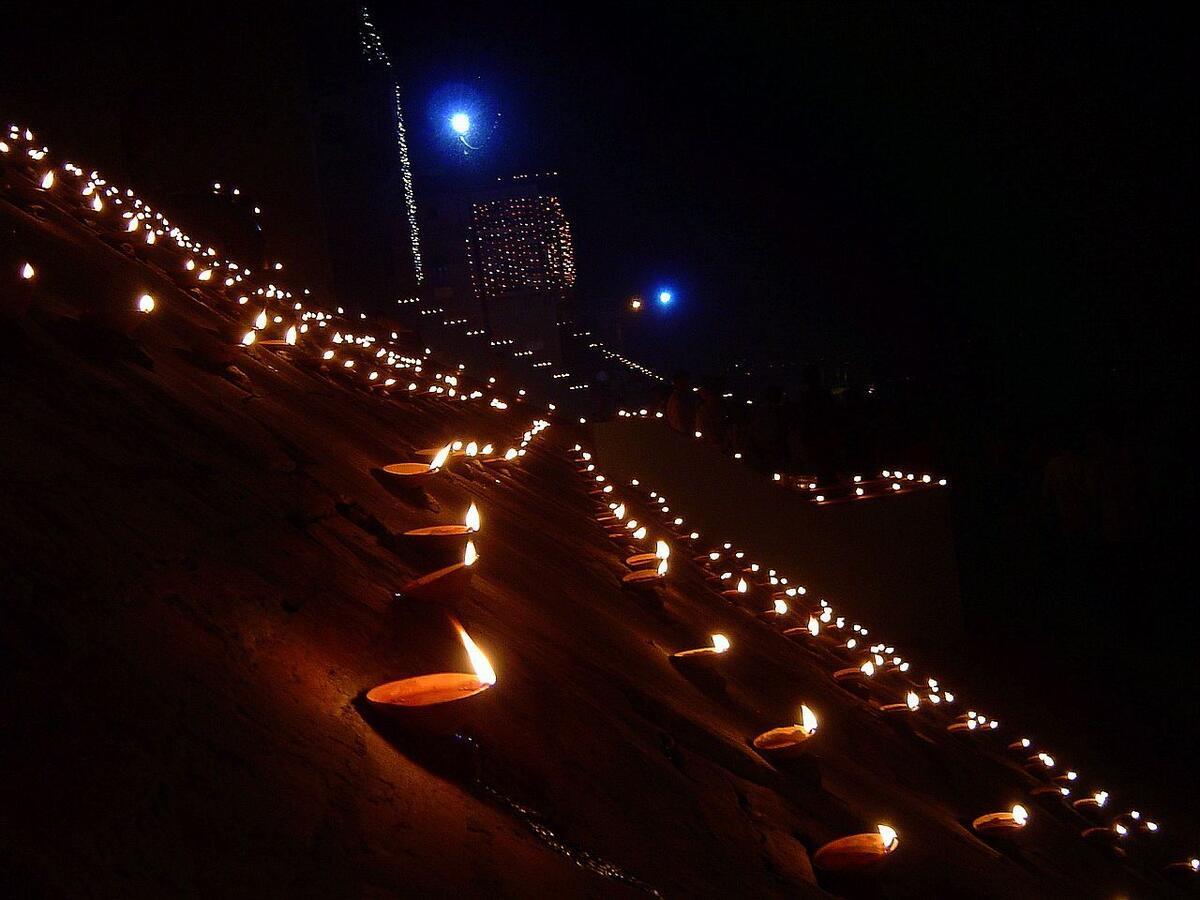
Any month from October to March makes a fine Kashi yatra, but two moments in the year belong to Bengal in a special way. The first is Durga Puja — Kashi's own pujas, led by the Bengali Tola committees, are among the oldest outside Bengal, and to take pushpanjali in a Varanasi pandal, then walk two lanes and stand before the Ganga, is an experience Kolkata itself cannot arrange. The second is Dev Deepawali, on Kartik Purnima fifteen days after Diwali, when every ghat from Assi to Raj Ghat is dressed in lakhs of earthen lamps and the whole crescent burns like a single aarti — the city's greatest spectacle, and the hardest ticket of the year: trains, hotels, and boats are booked out months ahead, and prices double. If you intend either, plan in June and July, not in September; we begin our own Dev Deepawali arrangements almost half a year out. And a quieter suggestion the crowds ignore: the whole month of Kartik (roughly mid-October to mid-November) is Kashi at its devotional peak — daily Kartik snan before dawn, the ghats full of lamps every evening, the weather newly kind — without the crush of the two great days themselves.
Kashibas: The Old Custom of Living by the River
No account of Bengal and Kashi is honest without this: for centuries, Bengalis did not only visit Varanasi — they moved here in the last chapters of life, to live simply, serve the temples, and die in the city where death itself is said to be liberation. The custom was called Kashibas — dwelling in Kashi — and Bengali Tola is substantially its creation: the dharamshalas, the widows' ashrams, the family houses kept for generations so that there would always be a room in Kashi when an elder needed one. The custom has softened with the times, but it has not vanished — you will still meet elderly Bengali residents at the morning ghats who came for a yatra decades ago and simply never left, and institutions in the old city still receive those who come to spend their final years by the river.
For the modern pilgrim family, Kashibas survives as an inheritance of attitude: Bengalis come to Kashi to stay a while, not to tick it off. If your leave allows four days instead of three, spend the extra day doing nothing planned at all — a morning on the steps of Kedar Ghat with the newspaper and the river, an afternoon in the Tola's lanes, an unhurried evening meal. That day, our Bengali guests tell us every year, is the one they remember longest.
Practical Notes for Kolkata Yatris
- Language: you will manage effortlessly. Bangla is heard daily in Bengali Tola and around Kedar Ghat, priests are accustomed to Bengali ritual preferences, and Hindi fills every gap.
- Food: Bengali vegetarian fare is easy to find in the Tola, and the city's own satvik tradition — kachori-sabzi mornings, malaiyo on winter dawns — deserves a chapter of its own; we wrote one in our Varanasi food guide.
- Season: October to March is glorious; Durga Puja and Dev Deepawali are the two moments when Kashi and Bengal celebrate as one city — book trains and rooms months ahead for either.
- Pitru karya: many Bengali families come precisely for asthi visarjan or pind daan; keep a morning free and arrange the priest beforehand — we assist through our pind daan services.
- With elderly parents: take the flight over the train, a private boat over the ghat walk, and the wheelchair help freely offered at the Vishwanath corridor. Kashi rewards slowness, and Bengal taught the world how to travel slowly.
The Return That Feels Like Arrival
Somewhere on the water at dawn, between Kedar Ghat and Panchganga, most Kolkata yatris fall silent in a particular way — the recognition of a city their grandmothers spoke of as naturally as they spoke of their own para. Kashi has kept Bengal's temples, Bengal's festivals, and Bengal's dead; it will keep your prayers too. We plan complete yatras from Kolkata — train or flight, hotel near the right ghat, darshan, boat, and Bengali Tola included — as part of our Kashi Yatra packages. Joy Ma. Har Har Mahadev.
Related articles
Varanasi in Winter: Dev Deepawali, Fog on the Ganga, and the Season of Malaiyo
November to February is Kashi at its kindest and most crowded — Dev Deepawali's lakhs of lamps, fog-wrapped dawn boat rides, the dawn-only dessert called malaiyo, what to pack, and why winter yatras must be booked months ahead.
Tulsi Manas Mandir: The Temple Built Where the Ramcharitmanas Was Born
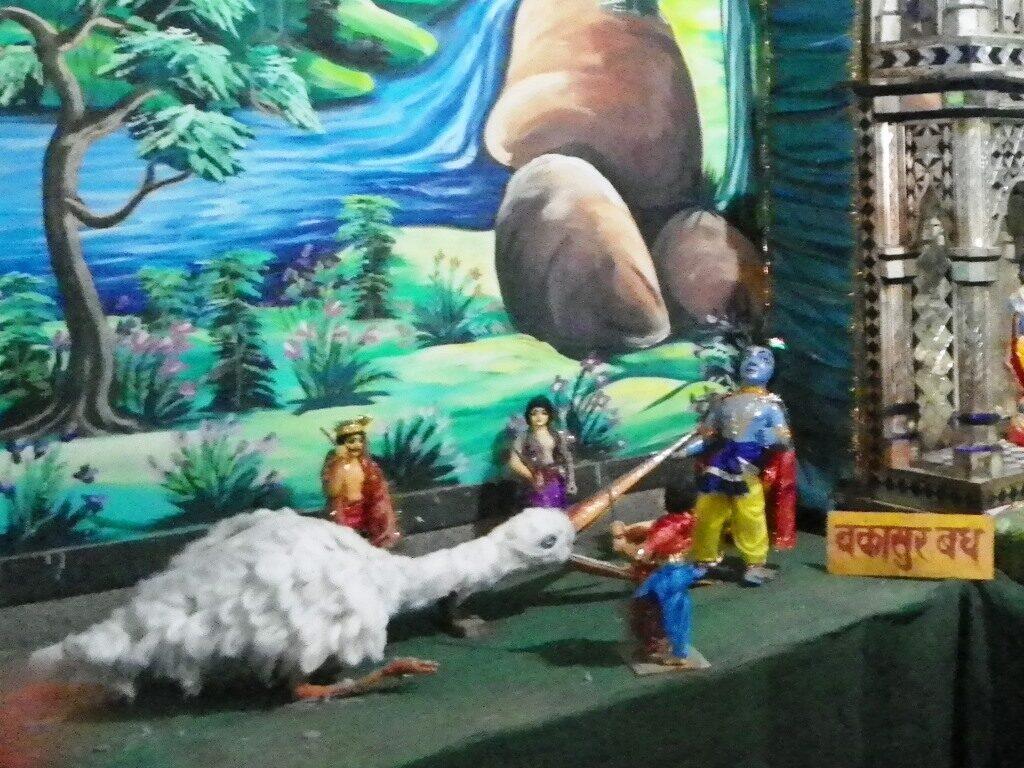
On the ground where Goswami Tulsidas composed the Ramcharitmanas stands a white marble temple whose walls carry his verses end to end. The story of the people's Ramayana, the moving tableaux upstairs, the Durga Mandir pairing, and a perfect evening plan.
Durga Mandir and Durga Kund: The Red Temple Where the Devi Chose to Stay
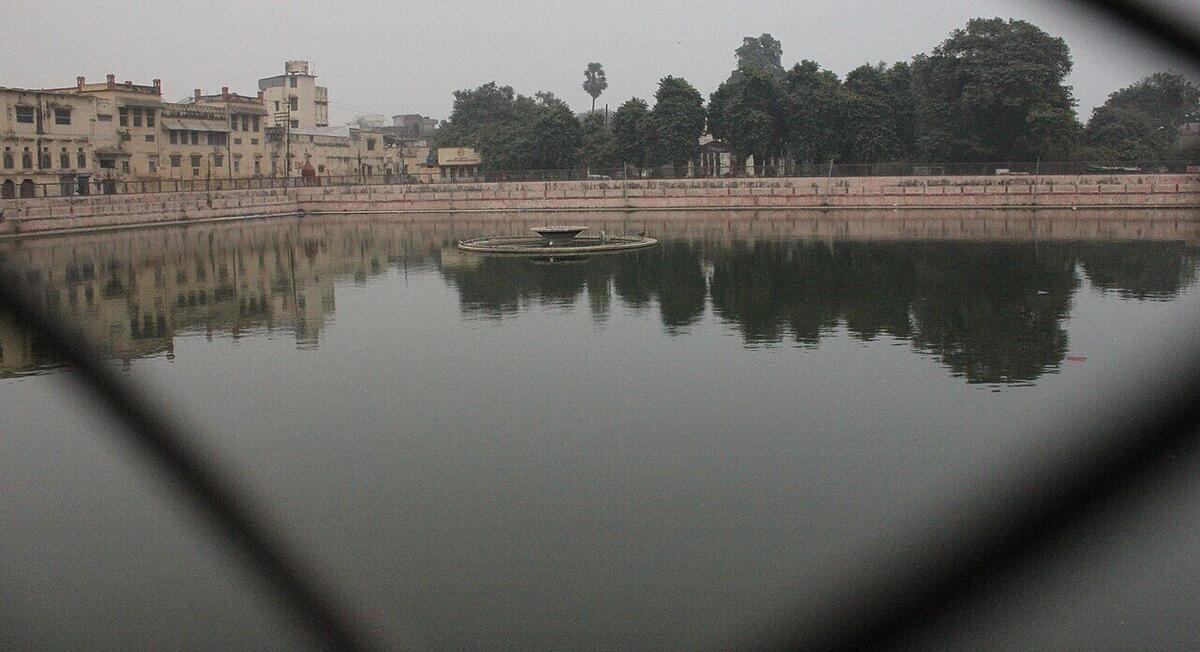
The 18th-century red temple of Durga Kund — built by Rani Bhabani of Natore around a murti tradition holds no sculptor ever made, beside a sacred tank older than memory. History, legends, Navratri in Kashi, and a pilgrim's visit plan.