Mumbai and Kashi sit at opposite poles of the Indian imagination — the city of arrival and the city of release, the place people go to make a life and the place they go to complete one. What surprises many Mumbaikars is how close the two have quietly become: roughly two hours of flying now separates the Arabian Sea from the Ganga, with several non-stop flights a day. The train, for comparison, takes the better part of a day and a half. For a working family, that arithmetic changes everything — it puts a genuine Kashi yatra, done properly and unhurriedly, inside a long weekend.
We host Mumbai families almost every week, and this guide is the plan we wish they all arrived with: which flights to book and why the departure time matters more than the fare, what 2.5 days in Kashi can honestly contain, and the three mistakes that cost visitors from Mumbai half their trip.
The Flight: Two Hours, If You Book the Right One
Non-stop flights connect Mumbai (BOM) to Varanasi's Lal Bahadur Shastri International Airport (VNS) in roughly two hours to two hours twenty minutes, with IndiGo, Akasa Air, and Air India Express operating the route — typically three to five departures spread through the day. Schedules shift by season, so check close to your dates, but the shape of the choice is stable:
- The early-morning departure is the one to fight for. A flight leaving Mumbai around 6–8 AM puts you in Varanasi by mid-morning, at your hotel by noon, rested by four, and standing at the Ganga Aarti that same evening. Your yatra effectively gains a full day.
- Avoid the late-evening arrival if you can. Landing at 9 or 10 PM means reaching the hotel near midnight and losing the next morning to tiredness — and in Kashi, mornings are the yatra.
- For the return, book an evening flight. A 6–8 PM departure from Varanasi gives you a final unhurried morning — one more boat ride, one more darshan — instead of a day spent watching the clock.
One Mumbai-specific note: fares on this route spike around Diwali, Dev Deepawali, Mahashivratri, and the Sawan weekends, and seats genuinely sell out — Mumbai's pilgrim traffic is heavier than most people guess. For festival dates, book four to six weeks ahead.
From the Airport to the Ghats: The Last 25 Kilometres
Varanasi's airport sits at Babatpur, about 25 kilometres northwest of the old city — 45 minutes to an hour and a quarter by road depending on the hour and the season. Prepaid taxis and app cabs are both available; agree the drop point carefully, because no car in existence reaches the ghats themselves. Vehicles stop at Godowlia or the nearest motorable point, and the final stretch is on foot through the lanes. If your hotel is in the old city, ask them to send a helper to meet you at the drop point — most will, and after a dawn start from Mumbai you will be glad of the hand with the bags.
Our honest recommendation for a short trip: stay close to the river — the Assi Ghat area or near Dashashwamedh — precisely because your mornings and evenings are the whole yatra, and a Cantonment hotel puts thirty minutes of traffic between you and every single one of them.
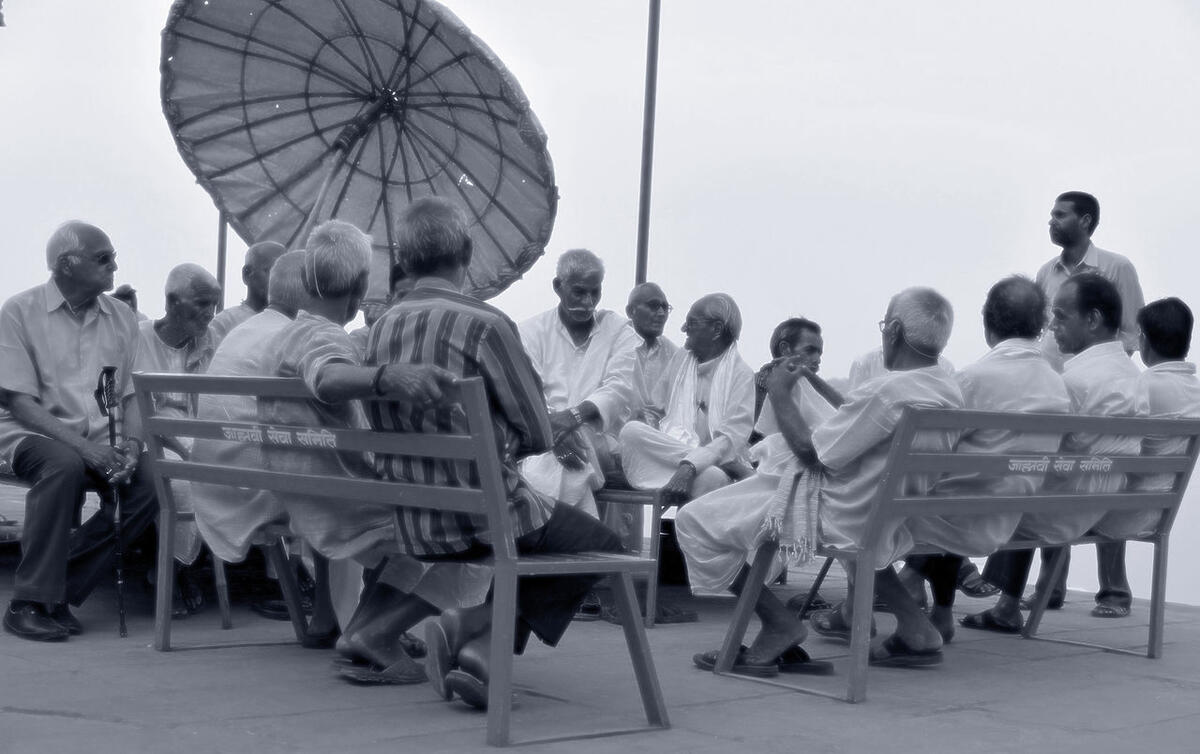
The 2.5-Day Plan
What follows assumes the ideal booking: an early Friday (or day one) departure from Mumbai, an evening return on day three. It is a compressed cousin of our full two-day Varanasi itinerary, rebuilt around flight times, and it obeys the one law of this city: Kashi gives its best darshan at dawn and at dusk; the midday belongs to rest.
Day 1 — Arrive, Rest, and Meet the River at Aarti
Land mid-morning, reach the hotel by noon, eat lightly, and sleep — genuinely sleep, because tomorrow begins before five. By 5 PM, walk or ride to Dashashwamedh Ghat for the Ganga Aarti, the seven priests and their tiered lamps, the bells, the river of flame reflected in the actual river. Go early for a place on the steps, or do what we arrange for most of our Mumbai guests on their first evening: watch from a boat on the water, which needs no early arrival, no standing, and gives the finest view of the ceremony that exists. Our complete aarti guide covers the choices; the short version is that the boat is worth it. Dinner in Godowlia afterwards — kachori, tamatar chaat, a first kulhad of chai — and early to bed.
Day 2 — The Great Day: Dawn Boat, Baba Vishwanath, and Sankat Mochan
Wake at 4:45 AM. This is the alarm the whole trip is built around. Be at the ghat by 5:15 for the dawn boat ride along the crescent of ghats — pilgrims taking their snan, the temples catching first light, Manikarnika passed in respectful silence. Back on the steps by 6:45; take your own Ganga snan now if you intend to.
Then walk up through the waking lanes to the Kashi Vishwanath Dham and take darshan while the queue is still kind — on a normal weekday, the 7-to-9 AM window moves in well under an hour. Remember the rules that catch first-timers: phones, cameras, and leather items go into the free lockers, so carry almost nothing. The darshan itself is a few seconds before the jyotirlinga, and it is enough; it has always been enough. Breakfast in the lanes afterwards, then back to the hotel by 11 and — we are unbending on this — rest until 3:30 PM. The yatris who skip the midday rest are the ones exhausted and irritable by evening, and exhaustion is the enemy of bhakti.
At 4 PM, take an auto to Sankat Mochan, the Hanuman temple established by Goswami Tulsidas himself — besan laddoos, the continuous hum of the Sundarkand, real stillness in the courtyard if you sit for it. If energy allows, the Tulsi Manas Mandir and Durga Mandir stand on the same road. Evening is free for the second aarti — this time from the steps, in the crowd, which is its own experience — or for the rooftop views and old-city wandering you skipped at midday.
Day 3 — Kaal Bhairav, Sarnath, and the Evening Flight Home
One more early start, gentler this time. Take darshan of Baba Kaal Bhairav, the Kotwal of Kashi, around 7 AM — tradition holds that a Kashi yatra is incomplete without his leave, and the black thread tied at his temple is the city's parting protection. Then ride out to Sarnath, where the Buddha turned the wheel of dharma: the Dhamek Stupa, the monastery ruins, the museum with the Ashokan lion capital. It is flat, calm, and unhurried — the right register for a departure day. Return for lunch, collect your bags, buy your Banarasi silk and sweets on the way, and leave for the airport by 4 PM for an evening flight. You will be home in Mumbai before midnight, carrying considerably more than you left with.
The Three Mistakes Mumbai Visitors Make
The first is treating Kashi like a sightseeing city. Mumbai lives at a pace this city simply refuses. Visitors who arrive with a checklist — corridor, aarti, BHU, Ramnagar Fort, silk shopping, food trail, all in two days — end up experiencing nothing at all deeply. The itinerary above contains fewer items than a Mumbai weekend in Lonavala, and that is its entire design. Kashi is not covered; Kashi is met.
The second is skipping the midday rest. We repeat it because it is the advice most confidently ignored and most bitterly regretted. Two dawn starts in three days is serious physical work. The families who rest at midday float through the evenings; the ones who don't, limp.
The third is eating carelessly. Not hygiene — Varanasi's famous eateries are largely trustworthy — but sequence. The city's food is rich, fried, and gloriously endless, and a heavy midday thali before an evening in dense crowds is a mistake made exactly once. Eat the big Banarasi breakfast after the morning darshan, keep lunch light, and save the chaat adventures for after the aarti. Our satvik food guide maps the classics.
By Train, If You Must — and What the Trip Costs
The train deserves an honest paragraph, because for larger family groups and for elders who dislike flying it remains the traditional road to Kashi. Several trains connect Mumbai to Varanasi and its satellite stations — the Mahanagari Express out of CSMT is the old faithful of this route — but plan on 24 to 28 hours each way, and check whether your train arrives at Varanasi Junction (Cantt), Banaras station, or Pandit Deen Dayal Upadhyaya Junction across the river at Mughalsarai, because the last of these adds a 45-minute road transfer to the day. The arithmetic is unsentimental: the train converts a three-day yatra into a five-day undertaking, and unless the rail journey itself is part of the pilgrimage for your family, the flight wins for a long weekend. If you do take the train, book 2AC or 3AC well in advance — this corridor fills — and carry your own bedding preferences and food for the second half of the journey.
As for money: the flight is usually the largest single line, and everything on the ground is gentler than Mumbai prices. A clean, comfortable river-side hotel room, a private boat at dawn, autos and cabs for three days, meals, and offerings together typically cost less than the airfare for two — Kashi remains, at heart, a city built for pilgrims of every purse. Budget extra only for festival-season rooms and for Banarasi silk, which deserves whatever it takes.
If You Can Add One More Day
With a fourth day, do not add more Varanasi sightseeing — deepen the yatra instead. A morning rudrabhishek at the jyotirlinga's threshold, arranged in advance, is for many families the single most moving hour of the trip. Or make the day-trip to Prayagraj for a snan at the Triveni Sangam, two and a half hours each way by road — our Varanasi–Prayagraj guide covers it. Or simply repeat day 2's dawn: the boat, the river, the unhurried darshan. No one has ever regretted a second dawn in Kashi.
When Should Mumbaikars Go?
October to March is the golden window — cool mornings, gentle afternoons, and the great festival season: Dev Deepawali in November, when a million lamps line the ghats, is the most spectacular single evening in the Indian calendar, and Mahashivratri turns the whole city into one temple. Summer (April–June) works only with iron discipline about the midday rule. The monsoon months bring their own moody beauty and thin crowds, but note that when the Ganga runs high in August–September, boat rides are often suspended and the aarti shifts to rooftops — a different yatra, beautiful in its own way, but plan knowing it. Month by month details are in our best-time guide.
One more Mumbai-specific thought: the long weekends around Ganesh Chaturthi, Diwali, and Holi see the heaviest Mumbai-to-Varanasi traffic, and hotel rates in the old city rise accordingly. If your dates are flexible, an ordinary long weekend in December or February gives you the same city with half the crowd.
The Honest Summary
Two hours of flying. One early alarm that matters. Three darshans, one boat at dawn, one aarti from the water, and a city that has been receiving pilgrims since before Mumbai had a name. The distance between Marine Drive and Dashashwamedh Ghat was never really geographic, and now it is barely even logistic. If you would like the whole arrangement handled — flights advised, the right hotel by the river, boats, darshan logistics, a car for Sarnath — our Kashi Yatra packages are built exactly for the long-weekend pilgrim, and we will plan it around your flight times, not the other way round. Har Har Mahadev.
Related articles
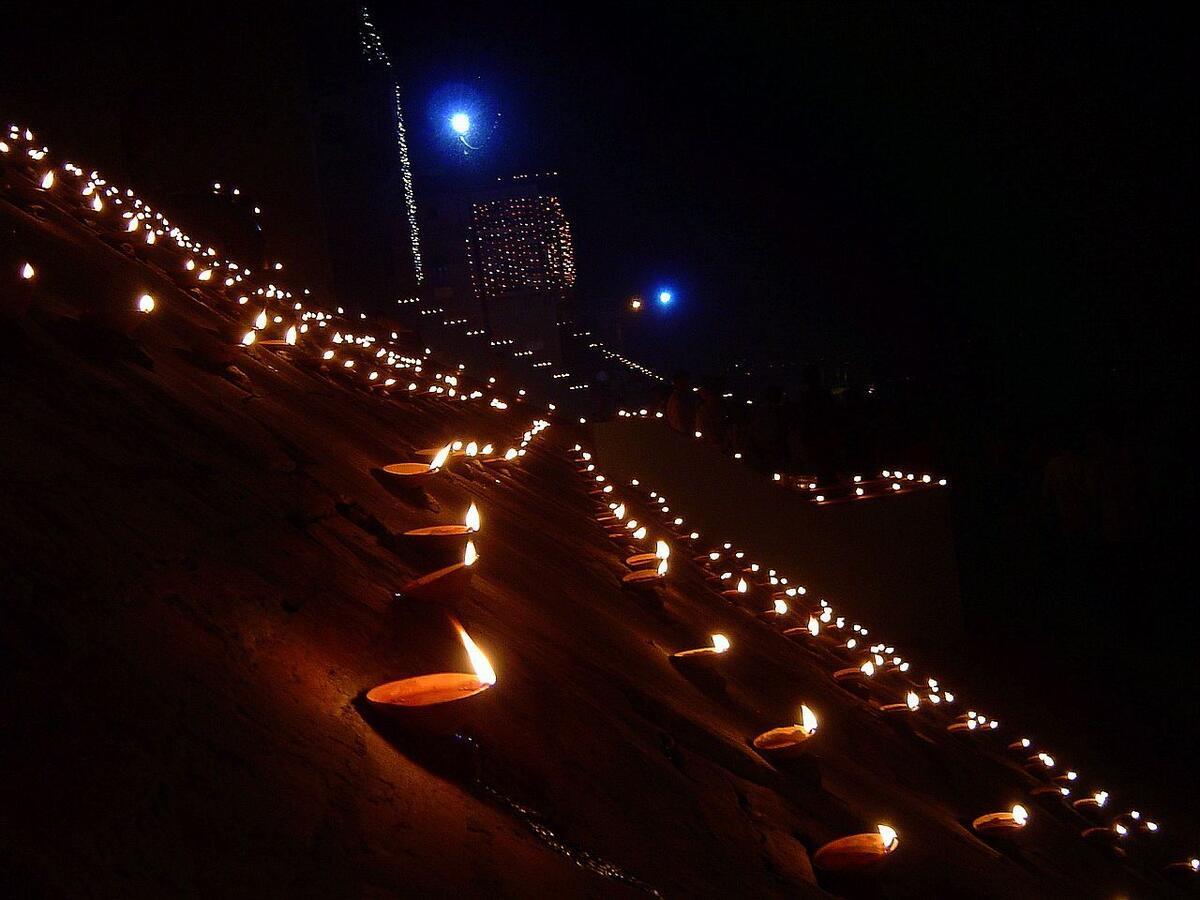
Varanasi in Winter: Dev Deepawali, Fog on the Ganga, and the Season of Malaiyo
November to February is Kashi at its kindest and most crowded — Dev Deepawali's lakhs of lamps, fog-wrapped dawn boat rides, the dawn-only dessert called malaiyo, what to pack, and why winter yatras must be booked months ahead.
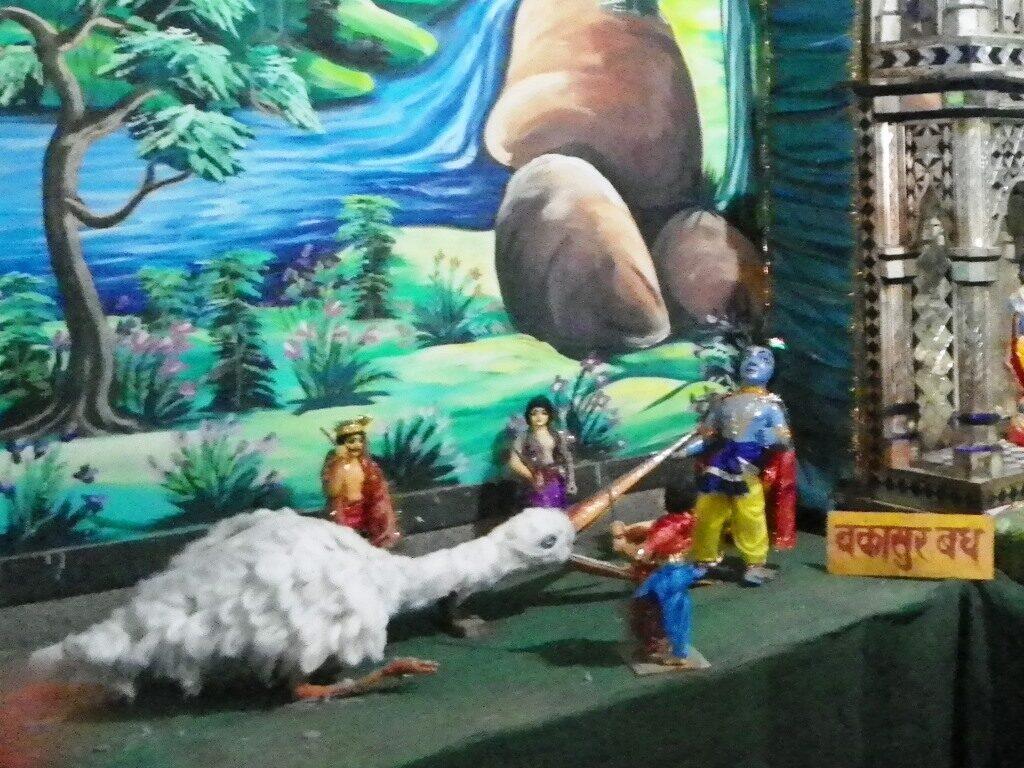
Tulsi Manas Mandir: The Temple Built Where the Ramcharitmanas Was Born
On the ground where Goswami Tulsidas composed the Ramcharitmanas stands a white marble temple whose walls carry his verses end to end. The story of the people's Ramayana, the moving tableaux upstairs, the Durga Mandir pairing, and a perfect evening plan.
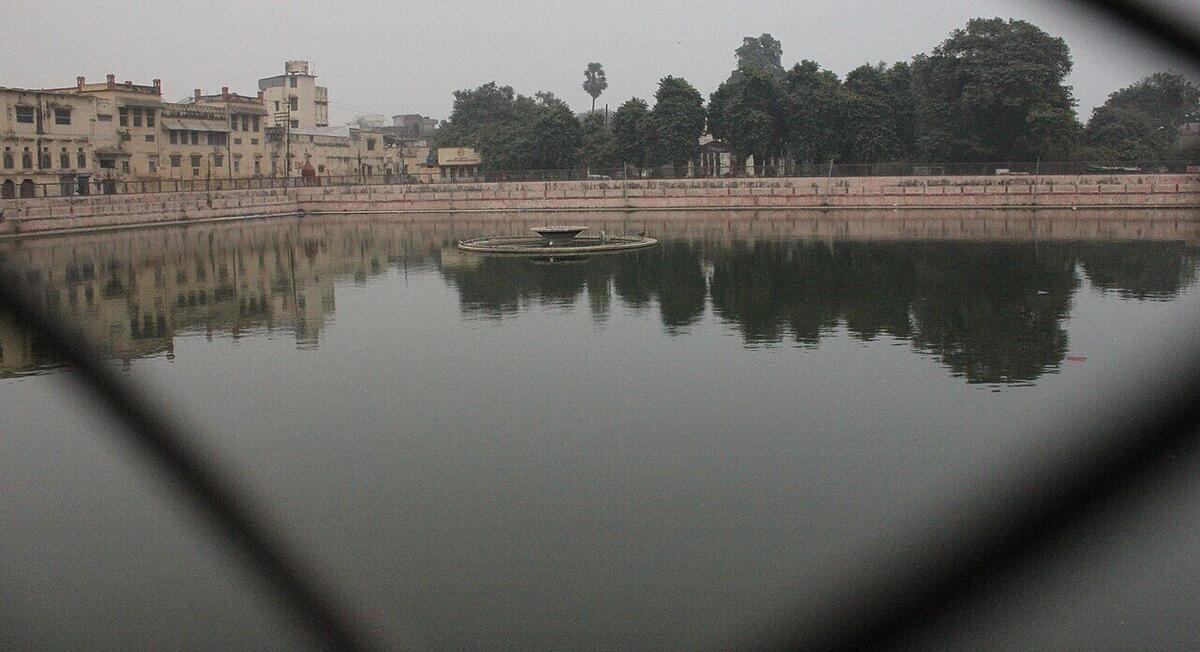
Durga Mandir and Durga Kund: The Red Temple Where the Devi Chose to Stay
The 18th-century red temple of Durga Kund — built by Rani Bhabani of Natore around a murti tradition holds no sculptor ever made, beside a sacred tank older than memory. History, legends, Navratri in Kashi, and a pilgrim's visit plan.