Of all the roads that lead to Kashi, few are as well-worn as the one from the Telugu country. Long before aeroplanes, pilgrims from the Godavari and Krishna deltas walked and bullock-carted their way north for months to bathe at Dashashwamedh and stand before Baba Vishwanath — the travelogue of Enugula Veeraswamy, written in Telugu in the 1830s, remains one of the most loved accounts of that journey ever set down. Today the same yatra takes two hours by air, but the longing it answers has not changed by a single degree. We host Telugu-speaking families from Hyderabad, Vijayawada, Vizag, and Warangal every month, and this guide is the one we wish we could hand each of them at the airport: how to reach, how to plan three unhurried days, and where in Kashi the Telugu heart has beaten for centuries.
Getting There: The Two-Hour Yatra
Hyderabad is one of the best-connected southern cities for a Kashi yatra. Direct flights operate between Rajiv Gandhi International Airport (HYD) and Varanasi's Lal Bahadur Shastri Airport (VNS), with IndiGo running the route most days of the week — at the time of writing there are typically two to three departures a day, and the nonstop takes about two hours. Fares booked three to four weeks ahead are usually reasonable; they climb steeply around Sawan, Dev Deepawali, and Mahashivratri, so for festival-season yatras book the moment your dates are firm. Always confirm the current schedule when you book — airlines adjust this route seasonally.
The train, for comparison, is a commitment of well over a day each way — there is no fast overnight option from Hyderabad as there is from Delhi or Kolkata. For elderly parents especially, we always recommend the flight: the two hours you save are worth far more than the fare difference, spent instead on the ghats at dawn.
From the airport, the city is about 25 kilometres away — roughly 45 minutes to an hour by prepaid taxi or cab, longer in festival traffic. If your hotel is near Godowlia or the ghats, remember that the final approach to the river is on foot through lanes no car can enter; a hotel that sends a helper to walk you in is worth its weight in gold on arrival day.
Why Kashi Feels Like Home to Telugu Pilgrims
Here is something first-time yatris from Hyderabad are often astonished to discover: there is a corner of Varanasi where the morning air smells of filter coffee and the walls carry Telugu lettering. The stretch of ghats around Kedar Ghat and Hanuman Ghat has been the South Indian quarter of Kashi for centuries — Telugu, Tamil, Kannada, and Malayalam-speaking families settled here generations ago, running dharamshalas, mathas, and temples that still serve pilgrims in their own languages.
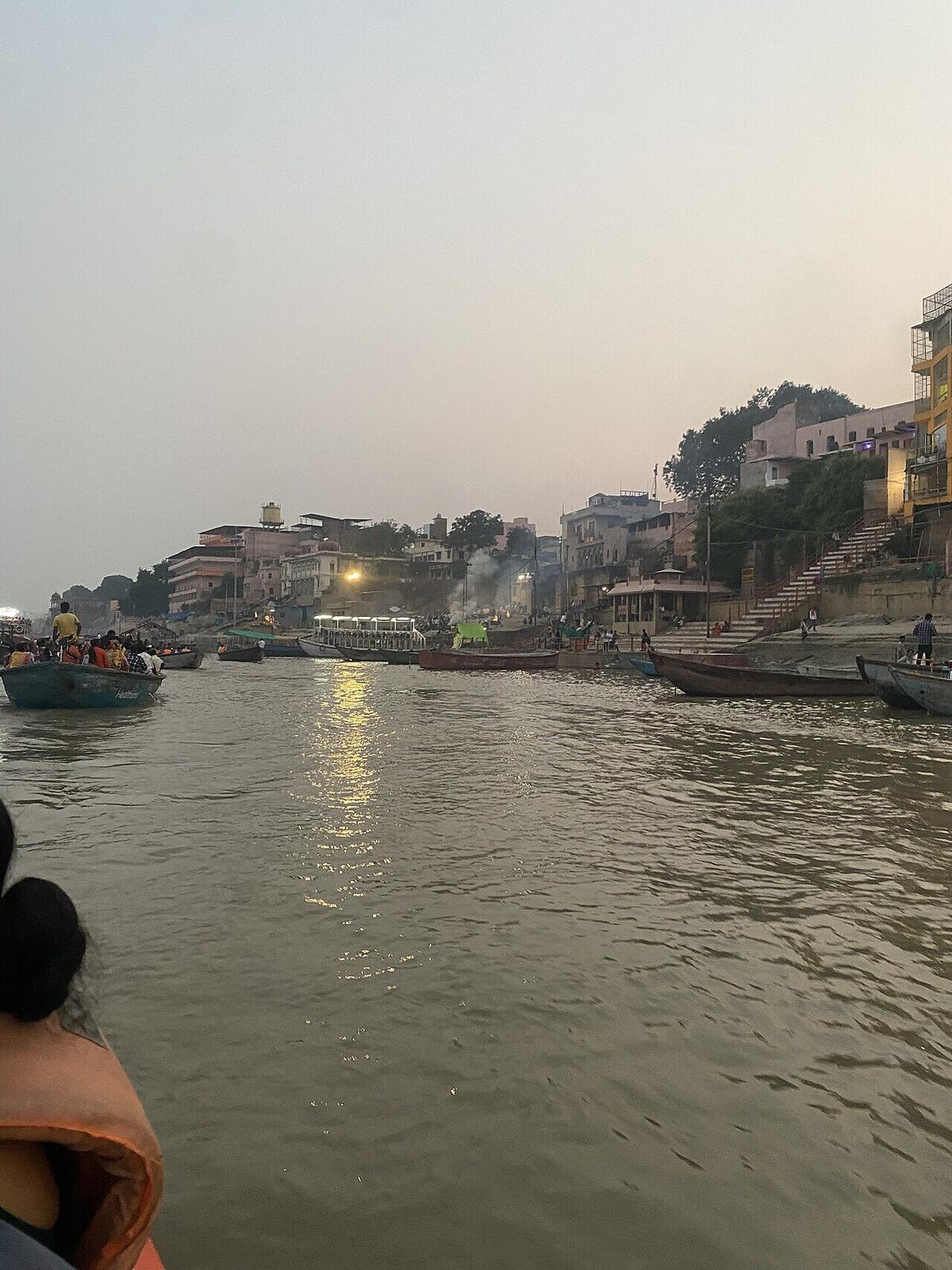
The crown of this quarter is the Kedareshwar temple, rising in red-and-white stripes straight from the ghat steps — the stripes themselves an unmistakable signature of southern temple tradition. Its worship follows South Indian ritual style, and tradition holds that darshan of Kedareshwar carries the merit of the Himalayan Kedarnath itself. For many Andhra and Telangana families, the Kashi routine is exactly this: snan at Kedar Ghat, darshan of Kedareshwar, and then the walk north to Baba Vishwanath.
A ghat away stands Vijayanagaram Ghat, endowed by the Maharajas of Vizianagaram — the same princely house whose town gave Kashi one of its most venerated saints, Tailang Swami, the Telugu-born yogi whom Sri Ramakrishna himself called the walking Shiva of Varanasi. His samadhi shrine still draws devotees. Andhra Ashram and other Telugu dharamshalas in this belt offer simple rooms and familiar food — many of our guests stay near Kedar Ghat for precisely this reason, and we think they choose wisely: it is quieter than Godowlia, the snan is gentler, and the dosa is real.
The Customs Telugu Families Keep in Kashi
Every Telugu household knows the wedding-day Kashi Yatra drama — the groom setting off for Varanasi with umbrella and stick, renouncing the world until the bride's family calls him back to grihastha life. To actually arrive in Kashi is to complete that story in earnest, and Telugu tradition surrounds the real yatra with observances of its own.
- Ganga jal for Rameswaram. The ancient exchange: carry Ganga water from Kashi to bathe the jyotirlinga at Rameswaram, and bring sand from Rameswaram to the Ganga. Many families collect and seal their jal here — brass and copper vessels are sold near every ghat; fill it after your principal snan.
- Leaving a beloved thing behind. Many Telugu families follow the custom of giving up a favourite vegetable or fruit at Kashi — a renunciation carried home for life. The shastras themselves speak not of vegetables but of leaving behind attachment and expectation; the little sacrifice is the folk expression of that far larger one. Keep it if it is your family's way — and keep its meaning, which is the real offering.
- Kashi Samaradhana. The feast given to relatives and elders after returning home, sharing the Ganga jal and the yatra's merit. Plan for it — carry enough jal and prasad for everyone who will be waiting.
- Pitru karya. Kashi is one of the supreme places for rites for ancestors; families intending pind daan or tarpan should keep a morning free and arrange a proper priest in advance — we assist with pind daan arrangements routinely.
A 3-Day Plan That Actually Works
Three days is the right length for a first Kashi yatra from Hyderabad — two feels rushed once travel is counted, and the third day transforms the trip. Here is the shape we plan for our own guests; for a fuller hour-by-hour treatment of the core circuit, see our two-day itinerary.
Day 1 — Arrive, Settle, and Meet the River at Aarti
Take a morning flight, reach your hotel by early afternoon, and rest — resist the urge to rush out into the midday heat. At around five in the evening, walk to Dashashwamedh Ghat for the Ganga Aarti, the seven flames rising in unison as the conches sound. In winter the aarti begins around sunset near 5:45 PM, in summer closer to 6:45 — timings shift with the season and on festival days, so confirm locally. Arrive an hour early for a seat, or watch from a boat on the water, which we consider the finest seat in Kashi and arrange for our guests through our aarti boat seating. Dinner and an early night: tomorrow begins before dawn.
Day 2 — The Great Darshan Day
Rise at 4:45 AM for the dawn boat along the crescent of ghats — from the water you will see the whole city wake, and pass Kedar Ghat and Vijayanagaram Ghat with new eyes. Return by 7:00, take snan if you wish, and walk to the Kashi Vishwanath corridor for darshan in the kind morning hours — the queue moves fastest before 9:00 AM on ordinary days. Take darshan of Mata Annapurna in the same visit; her temple stands beside the corridor precinct, and Kashi tradition regards the two darshans as one. Then breakfast — kachori-sabzi in the lanes — and back to the hotel for a genuine midday rest. Evening: Sankat Mochan Hanuman Mandir, established by Goswami Tulsidas, followed by a slow walk or a second aarti if your legs allow.
Day 3 — Kedar Ghat Morning, Sarnath, and Home
Give the last morning to your own quarter: snan at Kedar Ghat among Telugu and Tamil voices, darshan at Kedareshwar, coffee in the south-Indian eateries nearby, and Ganga jal sealed for home. If your flight is in the evening, spend the middle of the day at Sarnath, where Bhagwan Buddha gave his first sermon — calm, green, flat, and easy after the intensity of the ghats. Allow ninety minutes back to the airport with buffer.
Practical Notes for Yatris from Hyderabad
- Language is no barrier. Hindi and Bhojpuri rule the lanes, but the Kedar Ghat quarter speaks the southern tongues, and temple priests are long used to Telugu-speaking pilgrims. Learn one phrase of greeting — Har Har Mahadev — and Kashi opens to you.
- Food. Around Kedar Ghat and Hanuman Ghat you will find idli, dosa, and filter coffee made by families who have been making them in Kashi for generations. Elsewhere, the city is a vegetarian's paradise — see our satvik food guide.
- When to come. October to March is the gracious season. April to June is fierce heat; Sawan (July–August) is glorious but intensely crowded on Mondays. Our month-by-month guide goes deeper.
- Elderly parents. Fly, take a private boat rather than the ghat walk, use the wheelchair assistance freely offered at the Vishwanath corridor, and never schedule two temples in one midday.
- Mobile and lockers. Phones are not allowed inside the Vishwanath sanctum area — free lockers stand at the gates. Carry little; darshan is lighter that way in every sense.
What to Carry, and What to Bring Home
Pack for the ghats, not for a holiday: footwear that slips off in a second (you will remove it a dozen times a day), a shawl for the river dawns even in months when Hyderabad is warm, daily medicines in the day-bag rather than the suitcase, a small cloth jhola for prasad, and — the item Telugu families most often wish they had brought — a proper copper or brass vessel with a secure lid for the Ganga jal, rather than the flimsy plastic bottles sold at the ghats. If elders at home have asked for jal, carry one vessel per household you intend to bless; it costs little and prevents the impossible arithmetic of dividing one bottle among four homes in Hyderabad.
For the return: Kashi's gifts pack light and mean much. Banarasi silk from a government-certified shop (ask for the silk-mark and a receipt — the lanes sell beautiful imitations with equal confidence), rudraksha malas from established shops near the corridor rather than ghat-side baskets, the city's famous sweets boxed on the last evening, and prasad from each temple where you took darshan, labelled while you still remember which is which. Set aside one packet of prasad and a little jal specifically for the Kashi Samaradhana — the elders at the feast will value it above everything else in the suitcase.
The Yatra That Waits at the End of the Flight
Two hours in the air, and then a city that has been waiting for your family for generations — the ghat your great-grandparents may have bathed at, the striped temple where the ritual sounds like home, the jyotirlinga before which every Telugu wedding's mock-renunciation finds its true meaning. We plan complete Kashi yatras from Hyderabad — flights advised, hotel near the right ghat for your family, darshan and boat and pind daan arranged — as part of our Kashi Yatra packages. Come, and bring the copper vessel for the jal. Har Har Mahadev.
Related articles
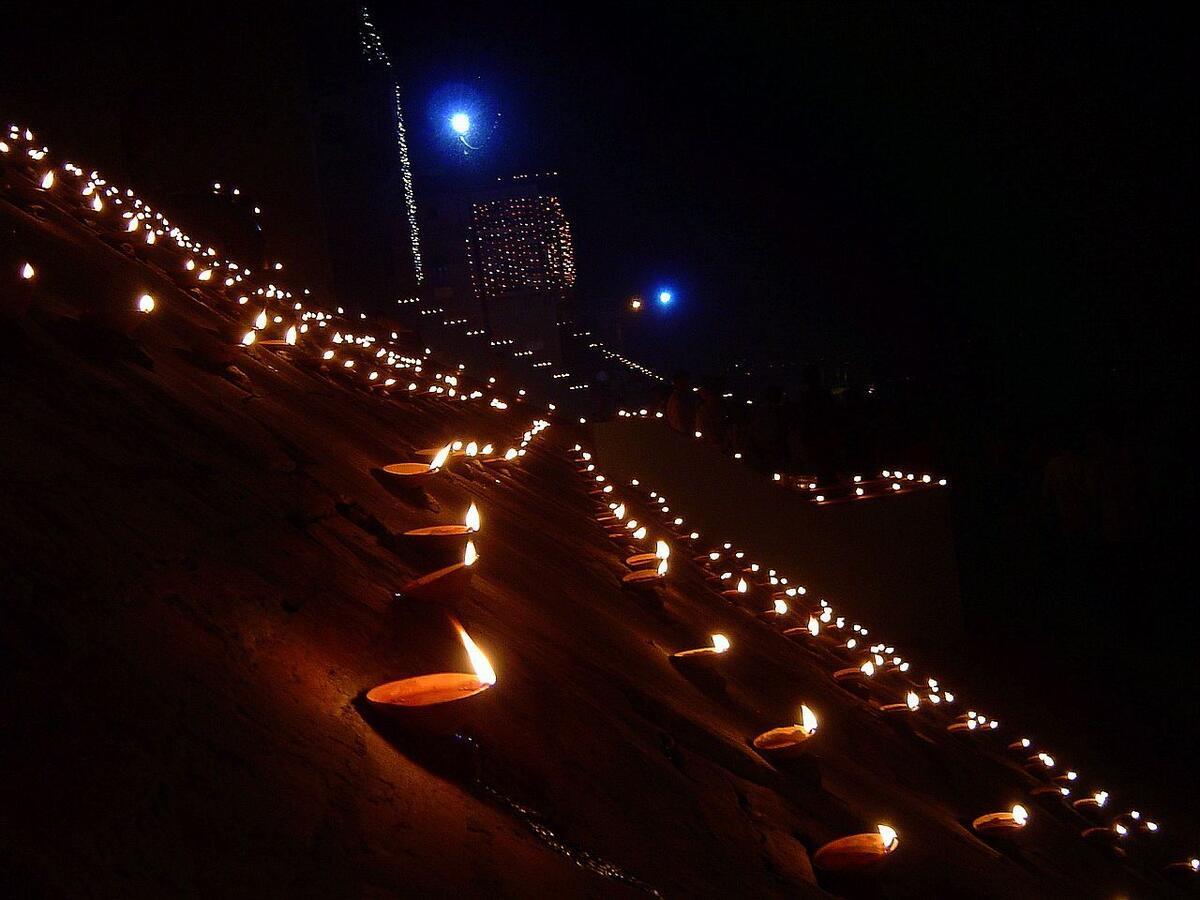
Varanasi in Winter: Dev Deepawali, Fog on the Ganga, and the Season of Malaiyo
November to February is Kashi at its kindest and most crowded — Dev Deepawali's lakhs of lamps, fog-wrapped dawn boat rides, the dawn-only dessert called malaiyo, what to pack, and why winter yatras must be booked months ahead.
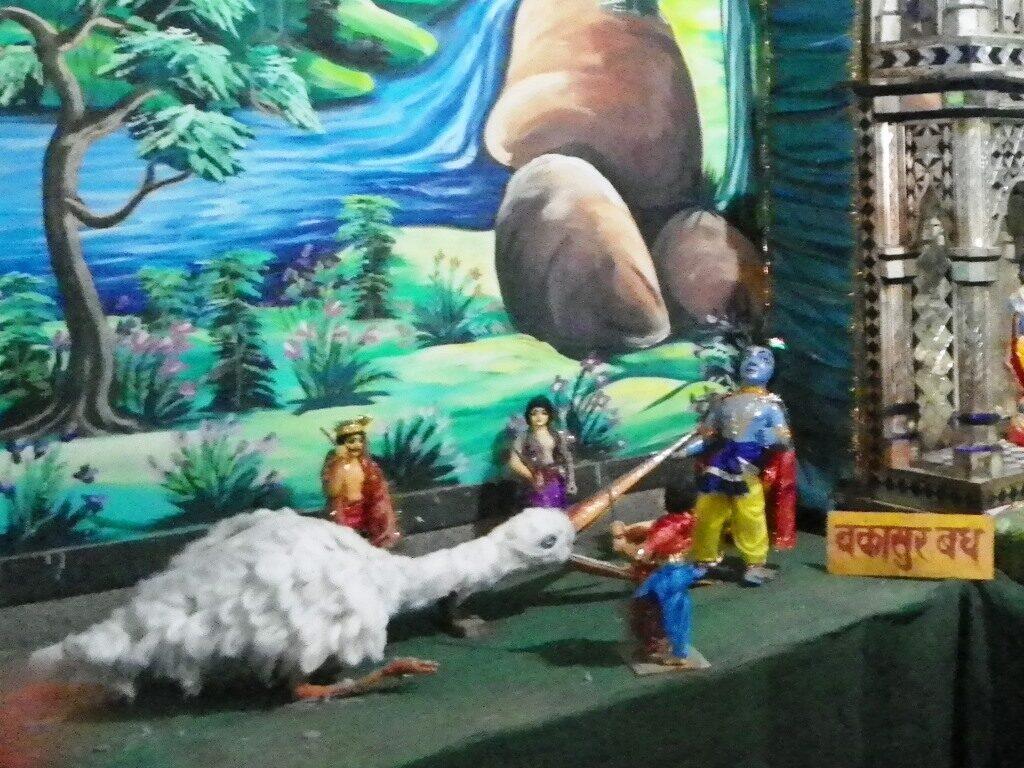
Tulsi Manas Mandir: The Temple Built Where the Ramcharitmanas Was Born
On the ground where Goswami Tulsidas composed the Ramcharitmanas stands a white marble temple whose walls carry his verses end to end. The story of the people's Ramayana, the moving tableaux upstairs, the Durga Mandir pairing, and a perfect evening plan.
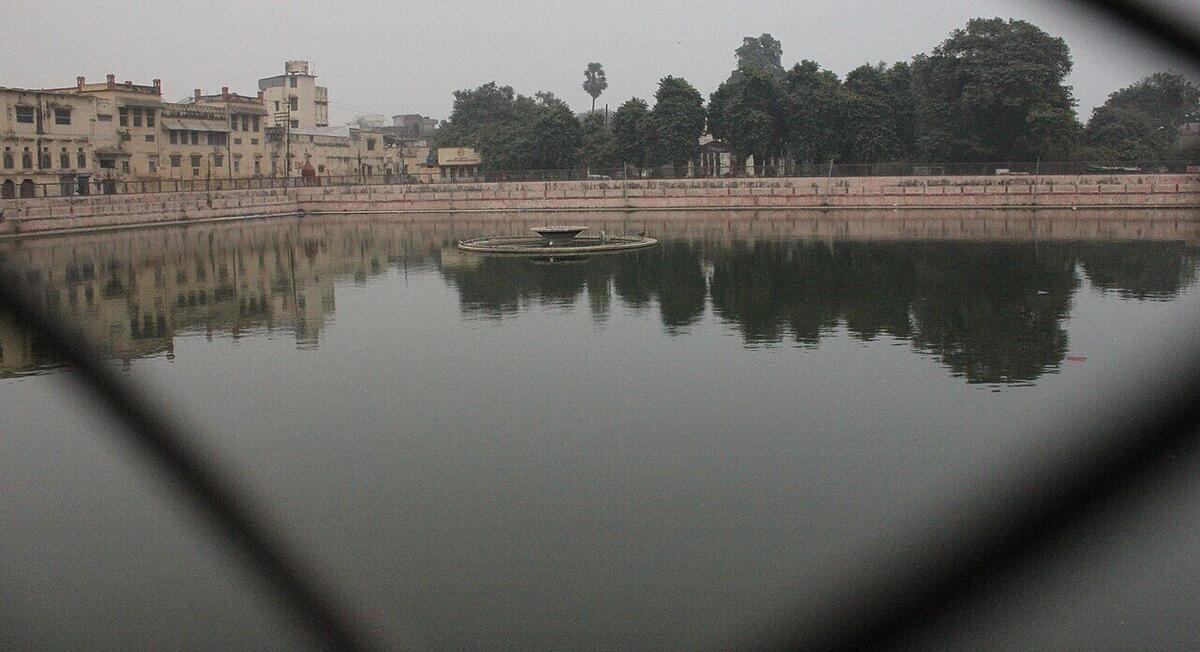
Durga Mandir and Durga Kund: The Red Temple Where the Devi Chose to Stay
The 18th-century red temple of Durga Kund — built by Rani Bhabani of Natore around a murti tradition holds no sculptor ever made, beside a sacred tank older than memory. History, legends, Navratri in Kashi, and a pilgrim's visit plan.